
Last updated November 18, 2026






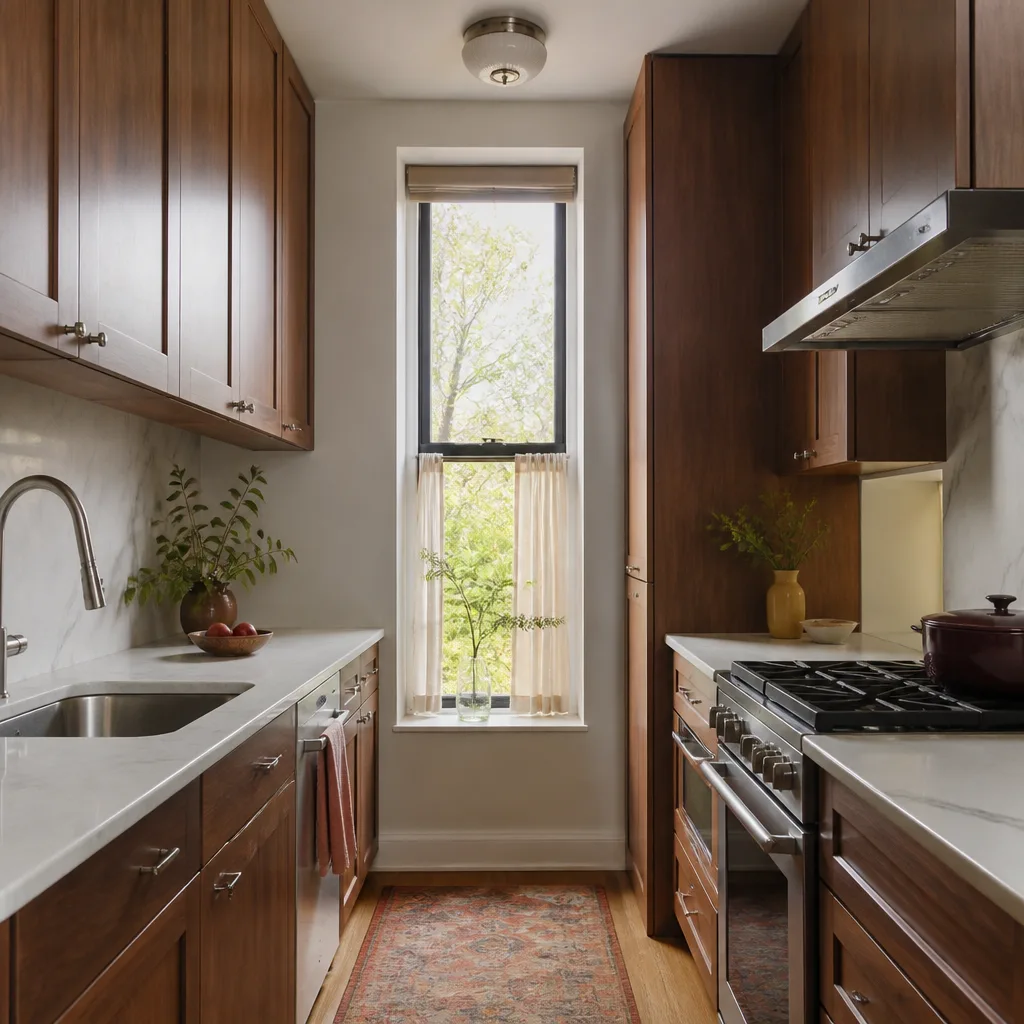

Free written scope consultation - allowances, timeline, and change-order rules on paper before a single trade is scheduled
How to Hire a Construction Contractor in Whitney: A Step-by-Step Guide
The most expensive word in a remodeling project isn’t “marble” or “custom.” It’s “approximately.” A verbal estimate that includes that word has no legal weight once your cabinets are sitting on the driveway and the contractor is asking for more money. Most homeowners in Whitney learn this too late, after demolition has already started. The standard advice to “get three bids and check reviews” treats every bid as comparable, but a spoken ballpark and a signed fixed price are completely different documents. This guide walks you through what to demand in writing before a single tool comes out of the truck.
Quick Answer
To hire a construction contractor in Whitney, verify their Nevada license through the NSCB online portal, collect four written documents (scope, price, payment schedule, and warranty terms), and structure payments so most of the money changes hands at completion, not at the start. If a contractor can’t put those four documents in front of you before work begins, that’s your answer regardless of what the reviews say.
Styles & brands we work with
- Kitchen remodeling
- Bathroom remodeling
- Home additions & ADU
- Roofing
- Windows & doors
- Driveway & pavers
- Fence
Table of Contents
- Step 1: Verify the Nevada License Before You Talk Price
- Step 2: The Four Documents You Need Before Work Starts
- Step 3: Why a Written Fixed Price Beats a Verbal Estimate
- Step 4: How to Structure the Payment Schedule
- Step 5: Whitney and Clark County Red Flags
- Step 6: Reading a Workmanship Guarantee for What It Actually Covers
- Step 7: The Questions That Separate Real Contractors from Talkers
- Common Mistakes to Avoid
Step 1: Verify the Nevada License Before You Talk Price
Nevada requires residential contractors to hold a license through the Nevada State Contractors Board, and that license has a status you can look up in about ninety seconds. Pull up the NSCB online portal, search the contractor by name or license number, and read the status carefully. An “active” license means the contractor is currently authorized to work and is in good standing with the board. An “inactive” or “expired” status means the opposite, and here’s what most homeowners miss: if you hire an unlicensed or inactive contractor, your ability to file a complaint against their license (and in many cases recover money through the board’s residential recovery fund) disappears.
The license lookup also tells you what classification of work the contractor is licensed for. A contractor licensed for residential remodeling is authorized for the kind of interior work most Whitney homeowners are hiring for. If the classification doesn’t match the project, that’s a mismatch worth asking about before anything gets signed.
In our experience, the license verification step is the one homeowners skip because it feels like paperwork. But it’s the single cheapest way to find out whether the person standing in your kitchen is accountable to a state regulator or just to themselves. Two minutes at the portal protects the whole project. If you’d rather talk through the process with someone who walks through it with every homeowner, that’s what a general contractor in Whitney should offer before the conversation ever reaches pricing.
Step 2: The Four Documents You Need Before Work Starts
Every remodeling project should begin with four documents in hand, all in writing, all signed by both parties. Not a handshake, not a text thread, not a verbal promise. Here they are:
- Written scope of work. Exactly what gets built, replaced, or repaired. Every room, every fixture, every finish. If it’s not listed, it’s not in the price, and a contractor can charge extra for work you assumed was included.
- Written fixed price. A dollar amount you can hold the company to, not a range and not “approximately.” Line items are better than a lump sum, so you can see what drives the number up or down.
- Written payment schedule. Dates or milestones tied to progress, not to a deposit schedule that front-loads the contractor’s cash. We cover the structure in Step 4.
- Written warranty terms. What’s covered, for how long, and what happens if something fails. If the guarantee isn’t in writing, it’s marketing, not a promise.
Homeowners in Whitney who call us after a bad experience almost always tell the same story: they had one or two of these documents but not all four. The scope was verbal, or the price was verbal, or the warranty was “we stand behind our work” and nothing more. The missing document is where the dispute starts. When you’re planning a kitchen remodeling project in Whitney, ask for the four documents up front, before the design conversation moves to product selections.
Step 3: Why a Written Fixed Price Beats a Verbal Estimate
A verbal estimate is a conversation. A written fixed price is a contract term. The difference matters most on the day the estimate would change: after demo, when the subfloor is exposed or the wall cavity reveals something unexpected. With a verbal estimate, that’s a renegotiation. With a written price, the number you signed is the number on the invoice unless you and the contractor agree in writing to a change order.
That’s not just a promise we make; it’s the standard. Under The Kingswell Way, which has guided this family of companies since 2004, every project gets a written price before any work starts. Say the price before the work. Show up in the window we gave. Leave the place cleaner than we found it. Those three sentences are the whole philosophy, and the first one is non-negotiable.
When you compare bids from Whitney contractors, don’t just compare the totals. Compare the format. A bid that says “kitchen remodel: $34,000” tells you almost nothing about scope. A bid that says “kitchen remodel including KraftMaid cabinetry, Silestone countertops, tile substrate replacement, and Kohler fixtures: $34,000, fixed, with a milestone payment schedule attached” gives you something to hold onto. It’s also the format a warranty can attach to. A promise to fix something is only as solid as the scope that defines what “it” is.
Step 4: How to Structure the Payment Schedule
The payment schedule is where a contractor’s financial incentive either aligns with project completion or points toward project start. Most disputes trace back to this single document. A contractor who collects 50 percent before demo has already been paid for half a job they haven’t started. A contractor who collects primarily on completion has a reason to finish.
A schedule that keeps both sides whole tends to look like this:
- Small deposit at signing. Enough to order materials and schedule the work, not enough to cover the project.
- Milestone payments tied to real progress. After demo, after rough-in, after cabinets or tile, with each milestone verified by you before the check goes out.
- Meaningful final payment. Held until punch-list items are complete and the job site is clean. This is the payment that gets the last cabinet door adjusted and the last piece of trim caulked.
The exact percentages vary by project size and materials. What matters is the shape: money follows completion, not calendar dates and not the contractor’s cash flow. Ask directly what happens to your deposit if the company folds or walks off the job. A good contractor has an answer. A bad one has an excuse. For a larger scope, like a bathroom remodeling project in Whitney, the schedule should still follow that same completion-weighted shape.
Step 5: Whitney and Clark County Red Flags
Some contractor red flags are universal. Others show up specifically in the Whitney and Clark County market, where the heat, the permit volume, and the sheer number of remodeling companies make it easy for the wrong ones to blend in. These are the ones worth watching for:
- “We’ll pull the permits later.” Permits come before work, not after. Permits pulled later often mean the work was done without inspection, and unpermitted work becomes your problem when you sell.
- Hourly quotes on fixed-scope work. An hourly rate on a defined remodel transfers the risk of a slow crew onto you. Fixed scope, fixed price.
- Can’t name their subcontractors. If they can’t tell you who’s doing the plumbing and electrical and whether those subs are licensed, ask why.
- Quotes that arrive as a text or a napkin. A real price comes on paper, with scope and terms attached.
- Pressure to sign “before the price goes up.” There’s no slot scarcity in remodeling. A contractor who uses countdown language is selling, not building.
- No physical address you can verify. Whitney is a small community; a legitimate contractor has a verifiable business presence and isn’t hard to track down.
We’ve seen all of these. In Whitney, the permit point matters more than anywhere: Clark County inspectors do their job, and an unpermitted kitchen addition becomes a disclosed defect the day you list the house. Familiar brands like Cambria or Wellborn don’t rescue a project that skipped the permit.
Step 6: Reading a Workmanship Guarantee for What It Actually Covers
Every contractor says they stand behind their work. Almost none of them are saying the same thing. A real workmanship guarantee answers four questions in writing: what’s covered, how long it lasts, who pays for the return visit, and what triggers the call. A marketing guarantee answers none of them.
What our 365-Day Done Right Promise covers is the workmanship on every project for a full year. If something we installed fails within that window, we come back and fix it at no charge. The guarantee is included with every job, in writing, before the work starts. Not a verbal “let us know if you have any issues.” A document that names the term and the remedy. Materials carry their own manufacturer warranties on top of ours: install Cambria quartz and it comes with a manufacturer guarantee that stands behind the slab, while our workmanship guarantee stands behind the installation. Two layers of protection so you know exactly who to call when something goes wrong.
When you’re interviewing Whitney contractors, ask three questions about the warranty and listen for specificity: How long does the workmanship coverage last? Does the return visit cost anything? What’s the procedure for filing a claim, and how long until someone is out? Contractors whose guarantee is marketing language give vague answers. Contractors whose guarantee is real give you a term, a remedy, and a phone number.
Step 7: The Questions That Separate Real Contractors from Talkers
You can learn almost everything you need to know from a single initial conversation if you ask the right questions. Keep this list and ask every contractor the same set, so you’re comparing like with like:
- What’s your NSCB license number, and can you show me the status is active?
- Will I get a written scope of work and a fixed price before anything is signed?
- What are the terms of your workmanship guarantee, and what does a return visit cost?
- Who are your subcontractors, and are they licensed?
- Who pulls the permits, and when?
- What’s the payment schedule, and how much of it is tied to completion?
- How do I reach you during the project if something comes up?
A contractor with nothing to hide answers these questions plainly. One who deflects them, or answers in ranges, or promises “we’ll figure that out when we get there,” is telling you something important. The answers are the point. Our own standard is a written price before any work starts, uniformed and background-checked technicians on every job, and a live person answering the phone around the clock so you can actually reach someone during the project. Those are the answers we give because they’re the standard we work to.
Whether the project is a full home remodeling project in Whitney or a focused single-room refresh, the questions are the same. A bathroom remodeling job in Whitney through a company that offers 22 years of technician experience behind the work gives you one more data point beyond the paperwork.
Common Mistakes to Avoid
- Comparing totals without comparing formats. A $28,000 verbal ballpark and a $34,000 written fixed price are not competing bids. The written one may cost less in the end because it can’t change.
- Paying too much up front. A 50 percent deposit leaves the contractor with no financial reason to finish. Completion-weighted schedules protect you and, in our experience, keep the project on track.
- Skipping the license check. Two minutes on the NSCB portal can save you from an unlicensed contractor and preserve your recovery options if something goes wrong. It’s the cheapest protection in the whole process.
- Accepting “we’ll pull permits later.” In Clark County, later often means never. Unpermitted work follows the house and complicates resale.
- Treating a marketing guarantee as a real one. If the warranty isn’t in writing with a term and a remedy, it isn’t a guarantee; it’s a feeling.
- Hiring the lowest bid by habit. The lowest bidder is often the one who discovers extra “unforeseen” costs after demo. A written fixed price eliminates the surprise entirely.
- Not asking about subcontractors. The people working in your home matter. Knowing whether they’re licensed and background-checked is a reasonable baseline, not a fussy question.
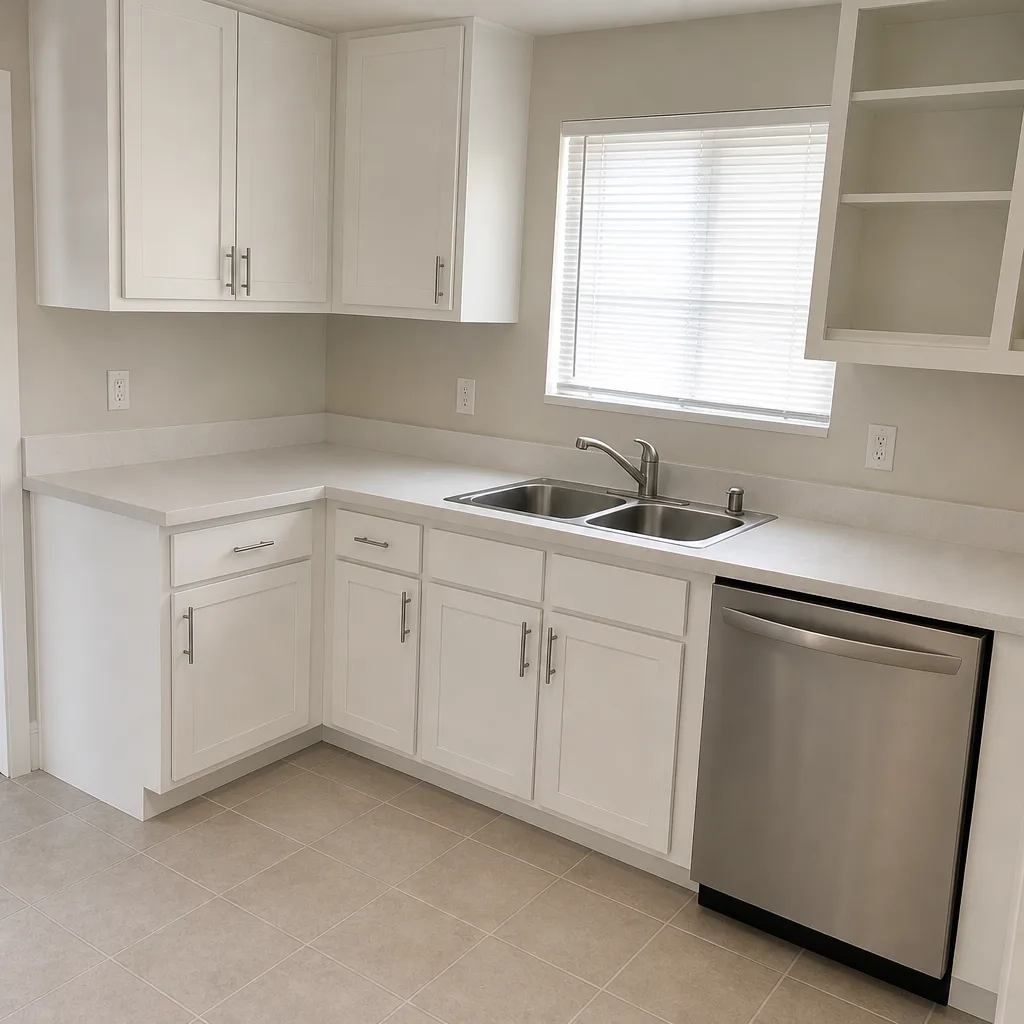
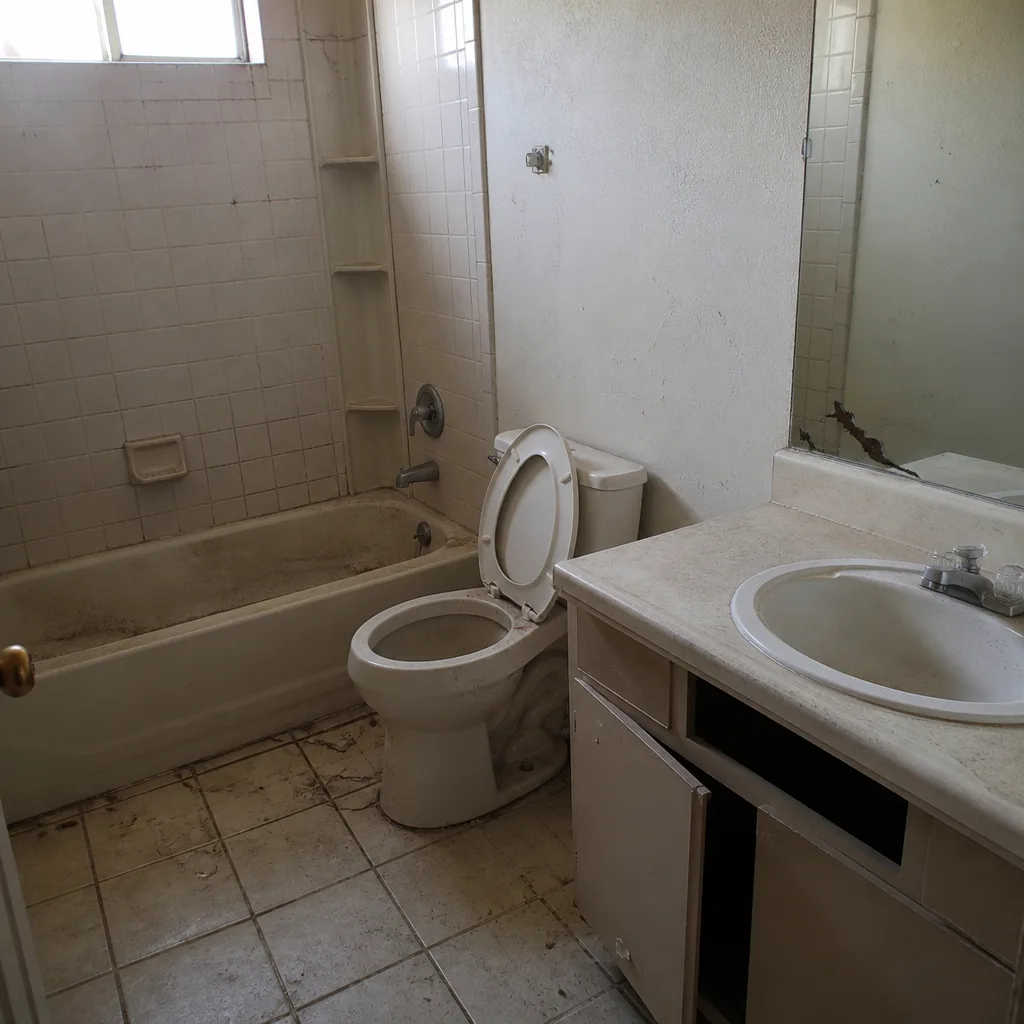
See the difference
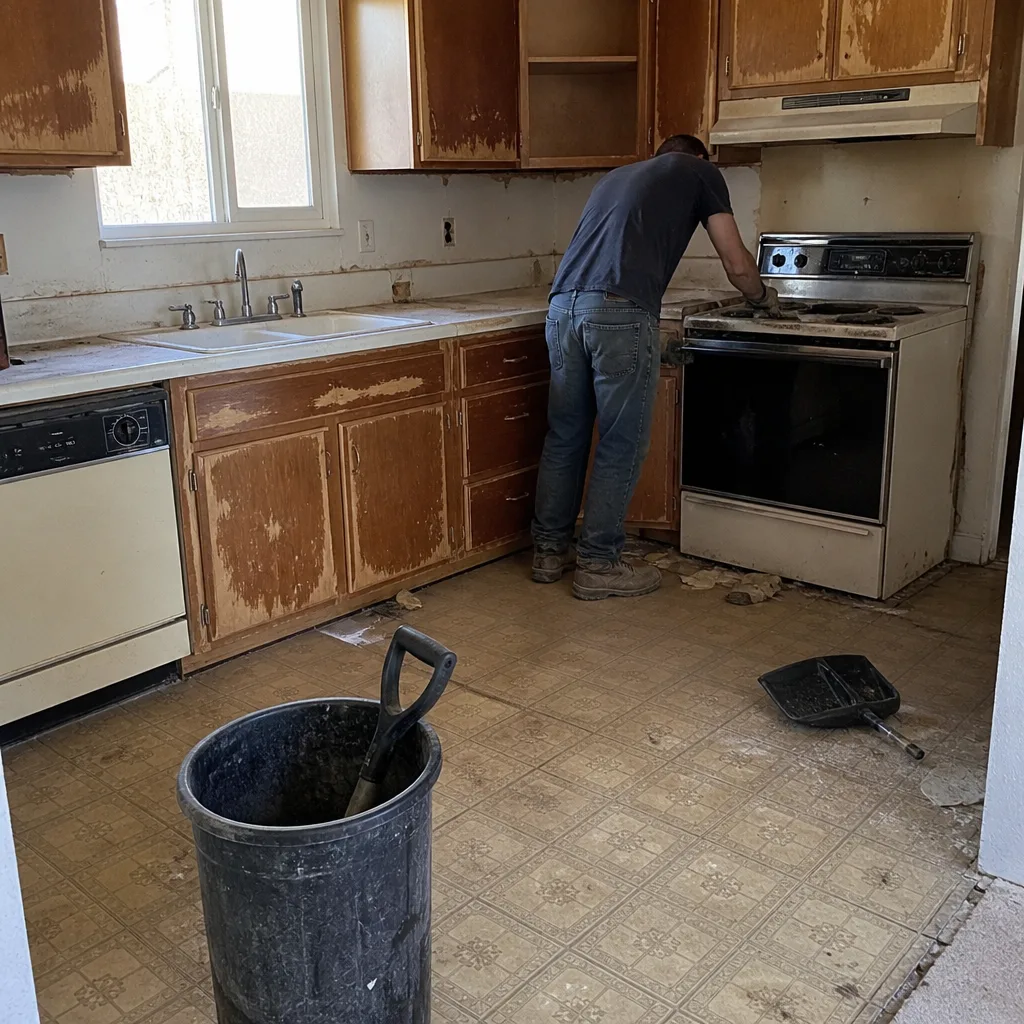 Before
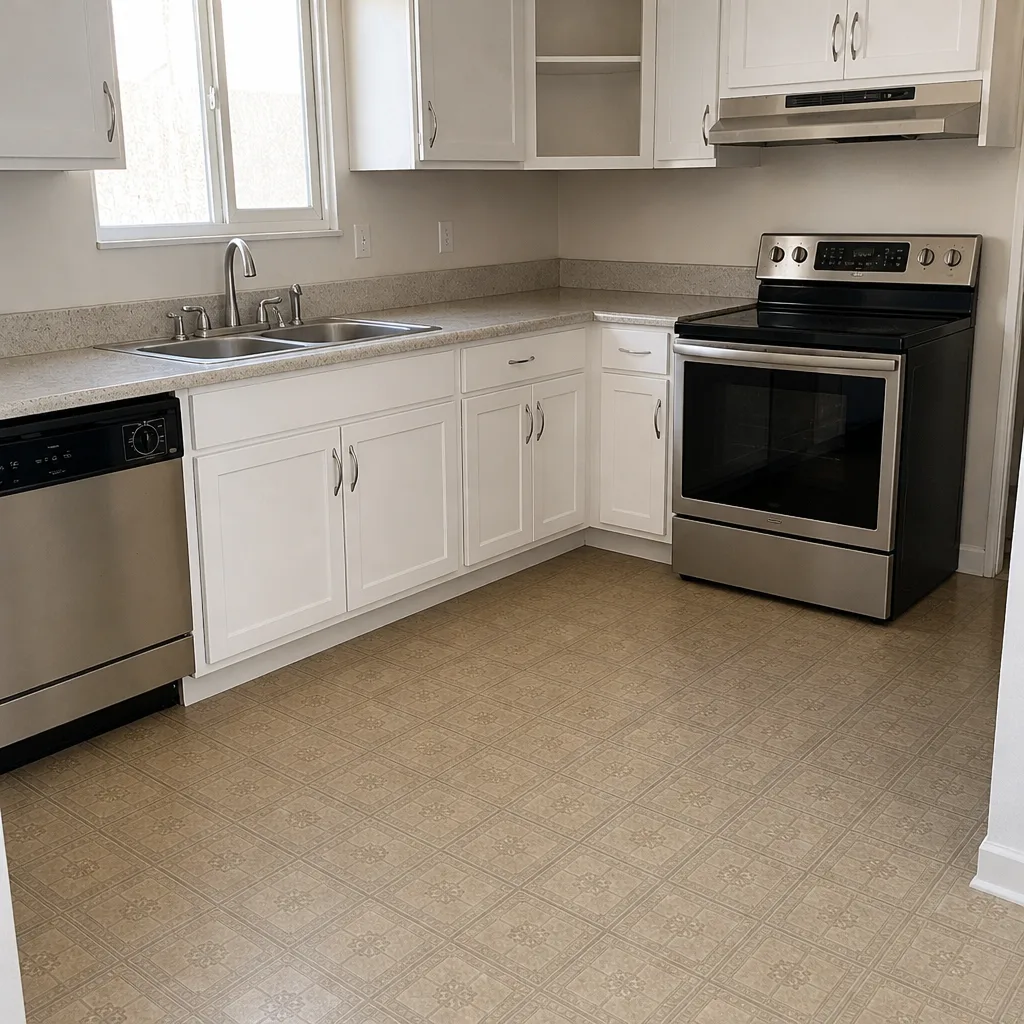 After
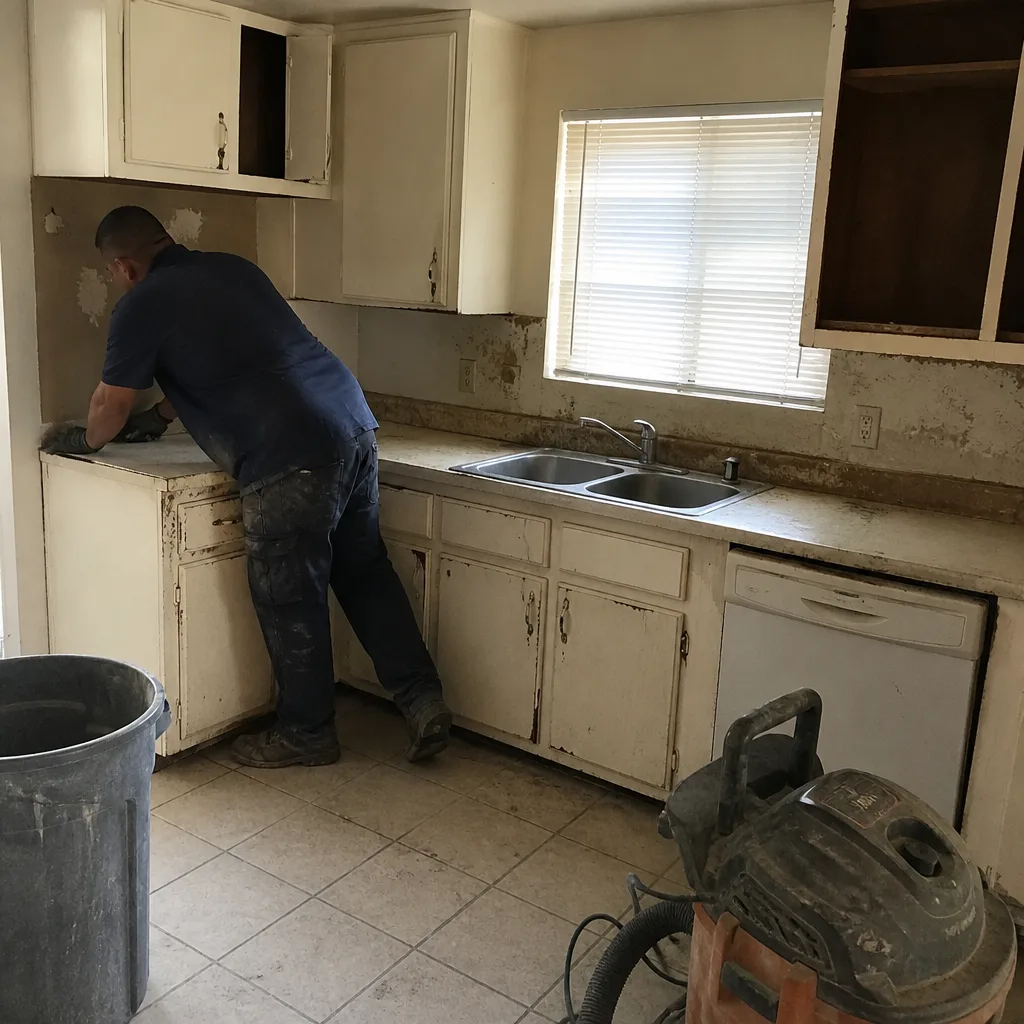 Before
 After
 Before
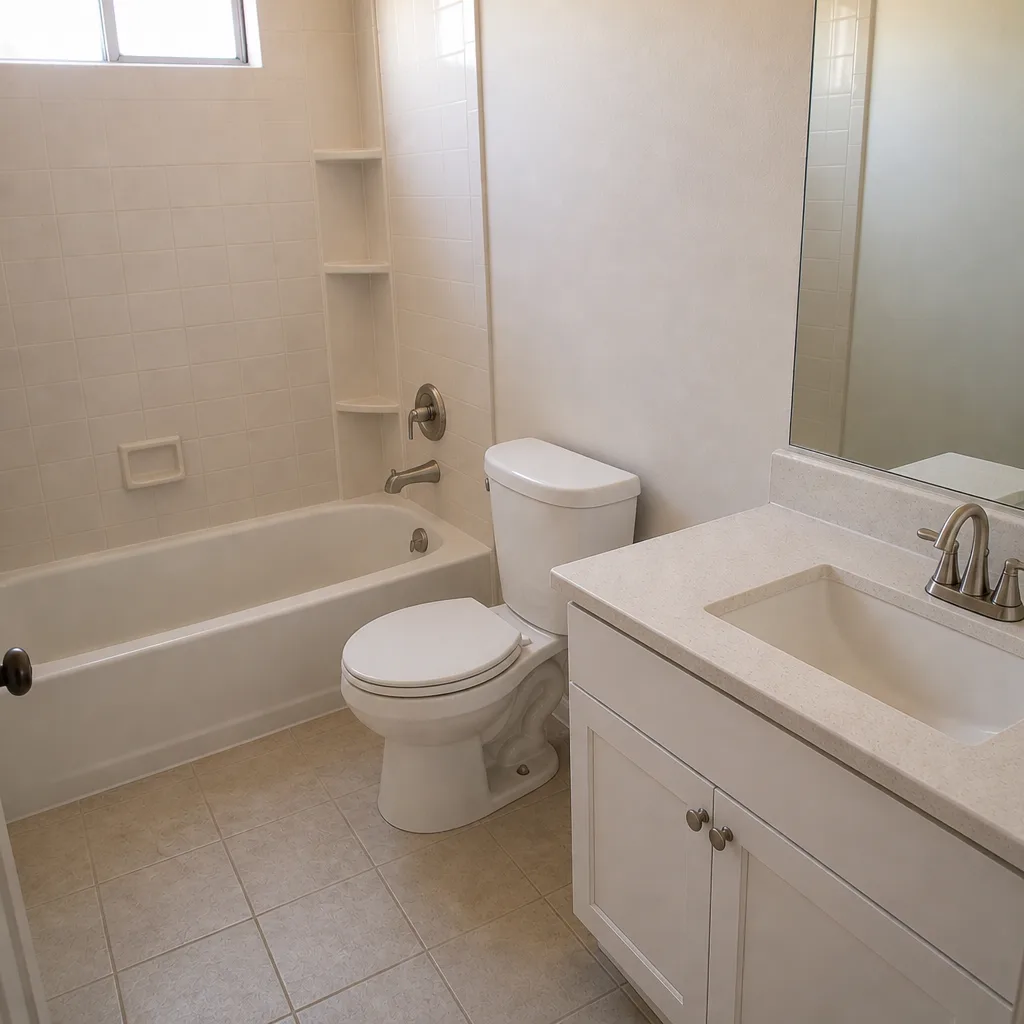 After
When to Call a Professional
Some projects are worth a pro, and some aren’t. But several scenarios call for a professional even when they look simple: any work that touches plumbing, electrical, or structural change falls under permit requirements and licensing, no matter how small it looks on paper. Kitchen and bathroom remodels involve all three. So does any remodel that moves a wall, changes a layout, or alters the mechanical systems serving the space. And a project that’s already gone wrong once – a contractor who walked, a job left half-finished, or a repair that keeps failing – is a project worth getting right the second time. Penhallow Remodeling Whitney offers free estimates in Whitney. Call (833) 721-7402 to schedule yours, with a written price and a written guarantee in hand before anything starts.
Frequently Asked Questions
Search the contractor by name or license number on the Nevada State Contractors Board (NSCB) online portal and confirm the status reads “active” and the classification matches residential remodeling. If the status is inactive or the classification doesn’t match, walk away; an unlicensed contractor can’t be held to the same standards and your recovery options disappear. Call (833) 721-7402 for an exact quote from a licensed Whitney contractor whose estimates are free.
Generally, no. A verbal estimate is a conversation, not a contract term, and it gives you almost nothing to enforce once work begins and the number changes. A written fixed price signed by both parties is what you can actually hold the contractor to. Call (833) 721-7402 to schedule a free estimate with a written price in hand.
A written scope of work should name every room, fixture, finish, and product involved in the project, along with what’s excluded. If a line item isn’t listed, it isn’t in the price, and the contractor can charge extra for work you assumed was included. Ask for the scope of work and the fixed price together, before signing. Call (833) 721-7402 for a free estimate.
Kitchen remodels in the Whitney area typically run in the mid five figures for a full remodel including cabinetry, countertop, tile, and fixtures, with the exact number driven by layout, cabinet line, and countertop material. Bathrooms typically land lower, with the number driven by tile, fixture line, and whether layout changes are involved. Written fixed pricing means the number you sign is the number on the invoice. Call (833) 721-7402 for an exact quote, with free estimates.
With a written fixed price, no. The price you sign before work begins is the price on the invoice, and changes to scope require a written change order signed by both sides. A verbal estimate is where mid-project surprises live. Call (833) 721-7402 to schedule a free estimate with a written fixed price.
A real workmanship guarantee covers the labor and installation for a stated term, names a remedy (repair or replace at no charge), and specifies that the return visit is free. Our 365-Day Done Right Promise runs for one full year from project completion and includes every job in writing. Manufacturer warranties on brands like KraftMaid cabinetry or Cambria countertops add a second layer behind it. Call (833) 721-7402 to talk through what a written guarantee looks like for your project.
The Bottom Line
Hiring a contractor in Whitney comes down to four documents and one phone call. Verify the NSCB license. Get written scope, a written fixed price, a written payment schedule, and written warranty terms before work starts. Structure payments so the money follows completion. Ask what a return visit costs and listen for the answer. None of this is complicated; it’s just the list most homeowners don’t know to make. The point of the process isn’t to catch a bad contractor in a lie. It’s to make sure the good ones can prove what they promise, and the ones who can’t have nowhere to hide.
When you’re ready to move from the research phase to a written number, call (833) 721-7402 to schedule your free estimate. You’ll get a written price, a written guarantee, and a real person on the phone around the clock. Penhallow Remodeling Whitney is part of the Kingswell family of companies, each location independently owned and operated.
Written by the team at Penhallow Remodeling Whitney.