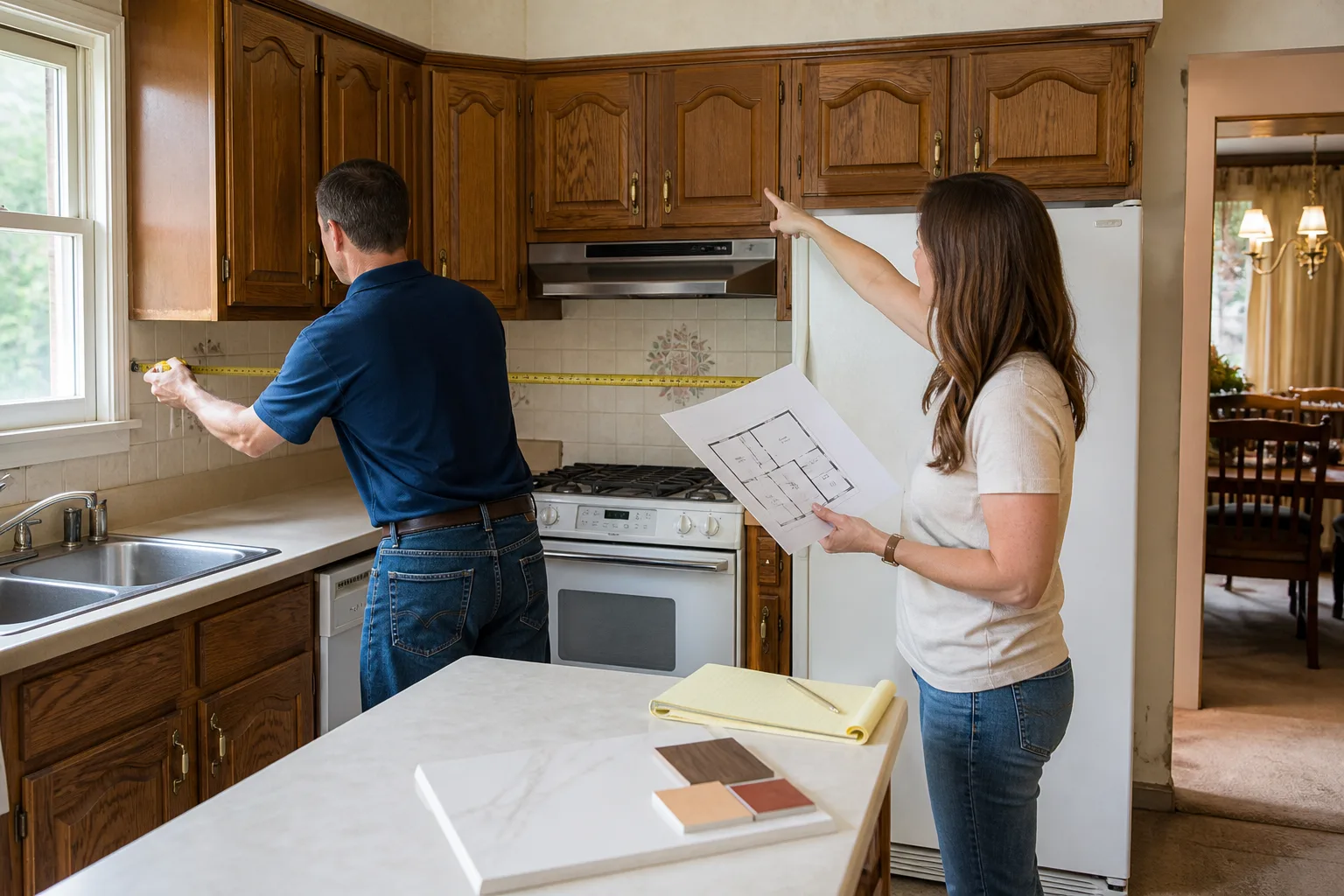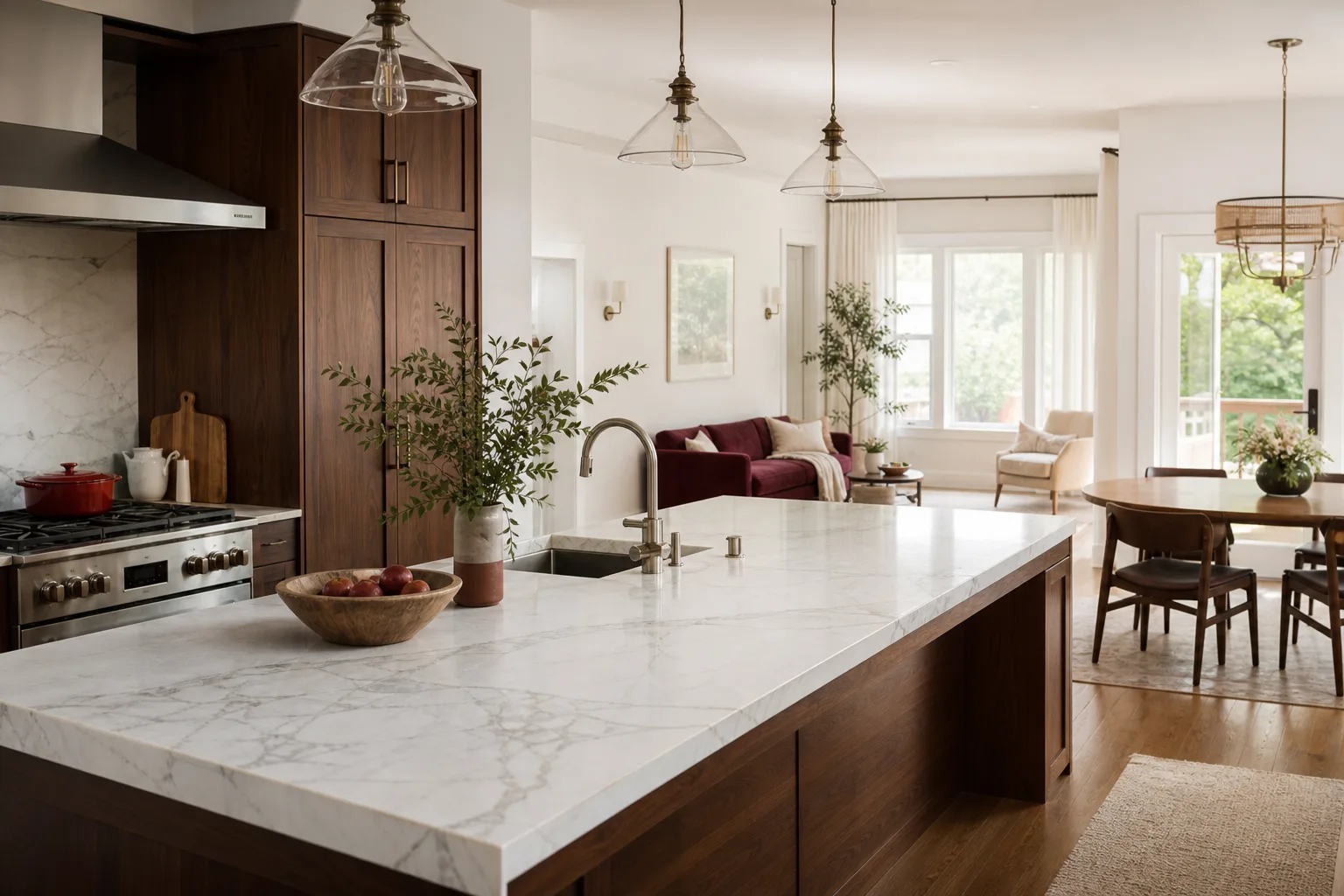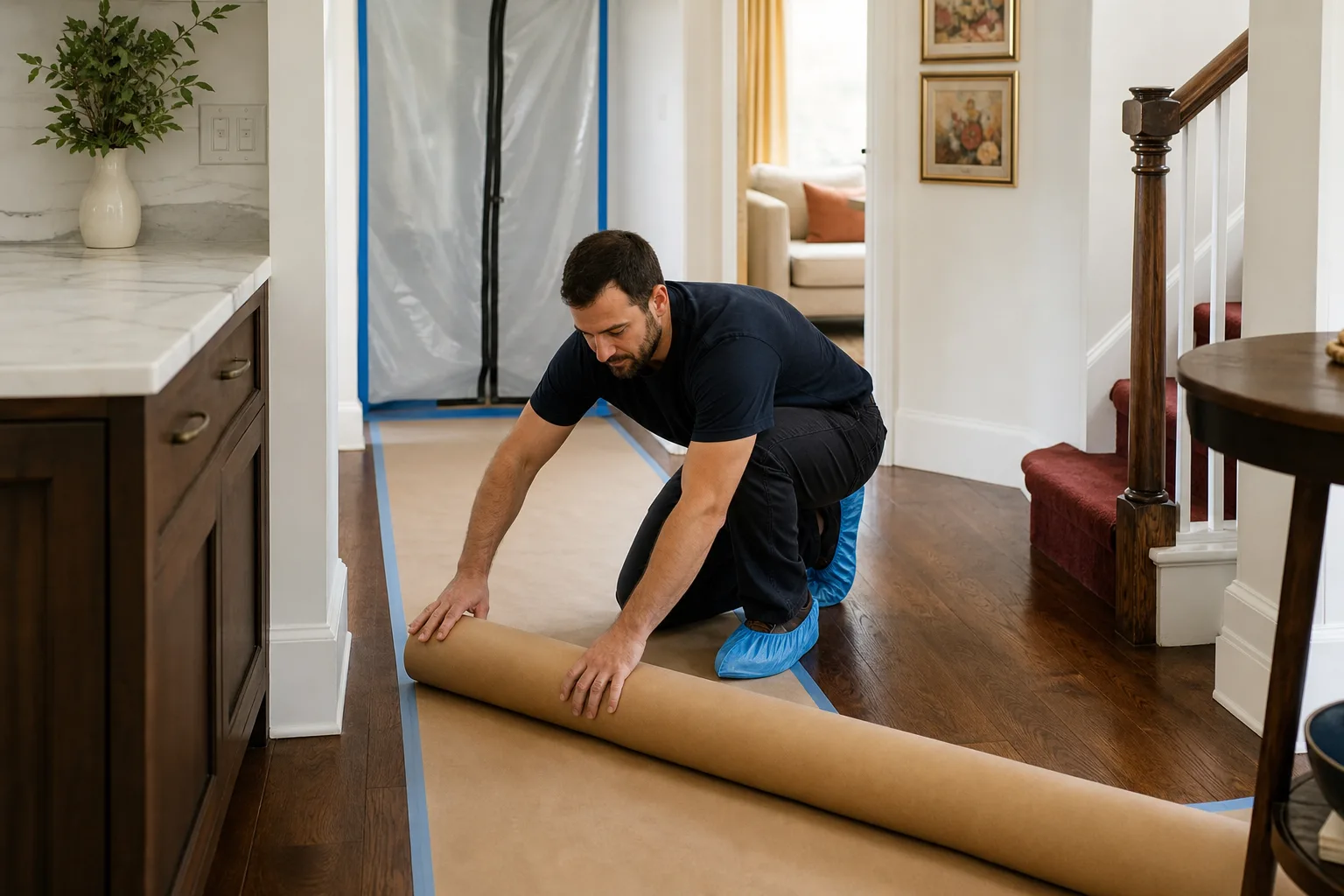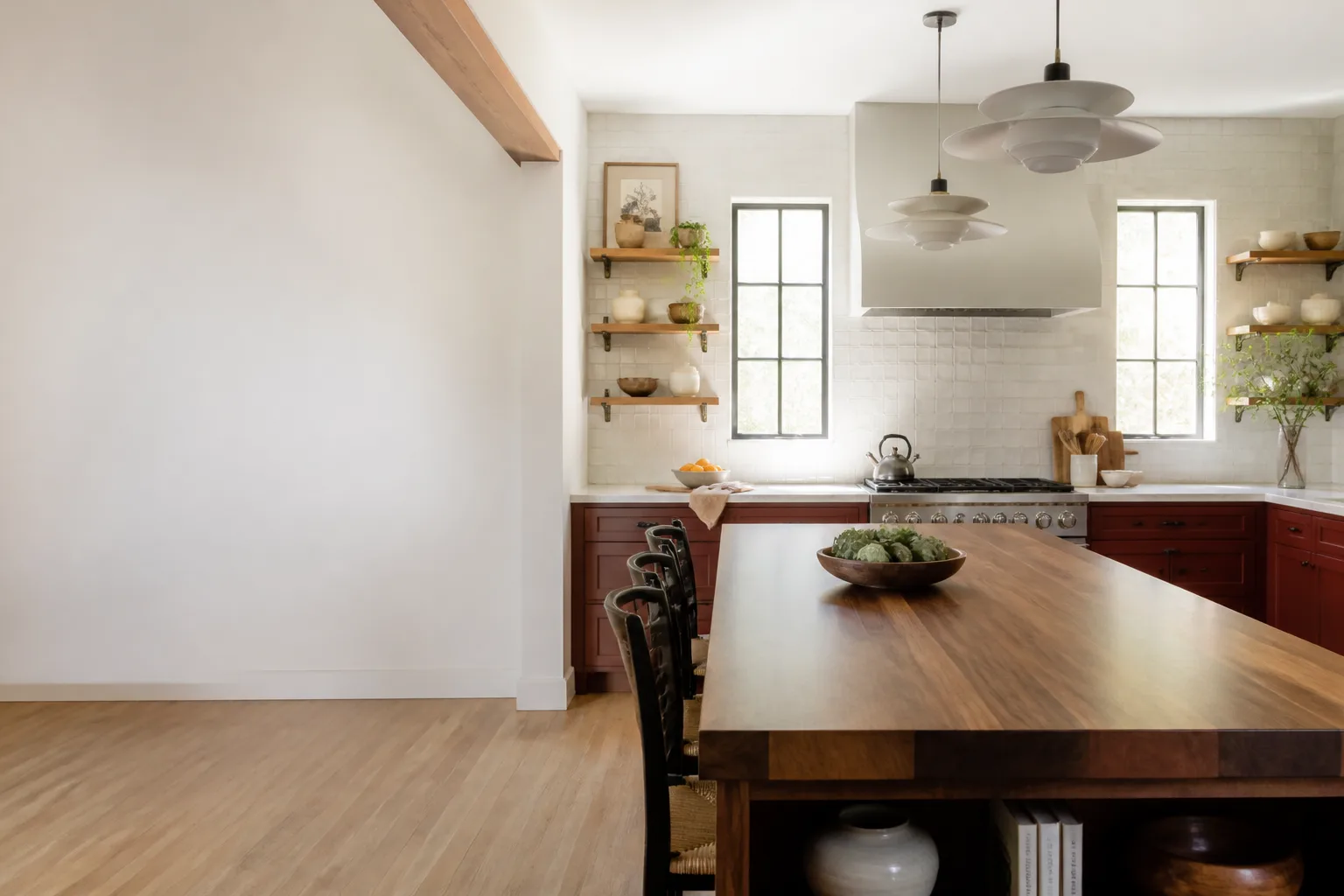


Free written scope consultation - allowances, timeline, and change-order rules on paper before a single trade is scheduled
Styles & brands we work with
- Kitchen remodeling
- Bathroom remodeling
- Home additions & ADU
- Roofing
- Windows & doors
- Driveway & pavers
- Fence
See the difference
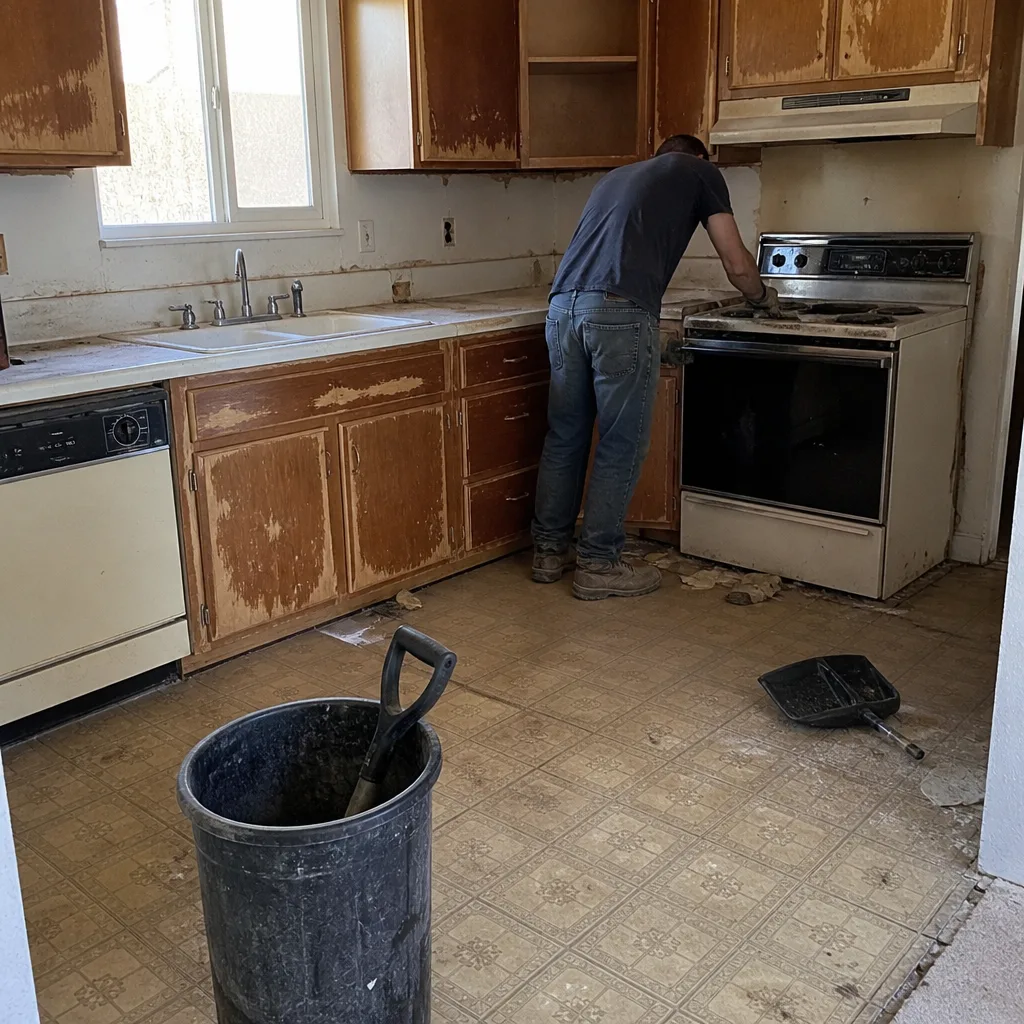 Before
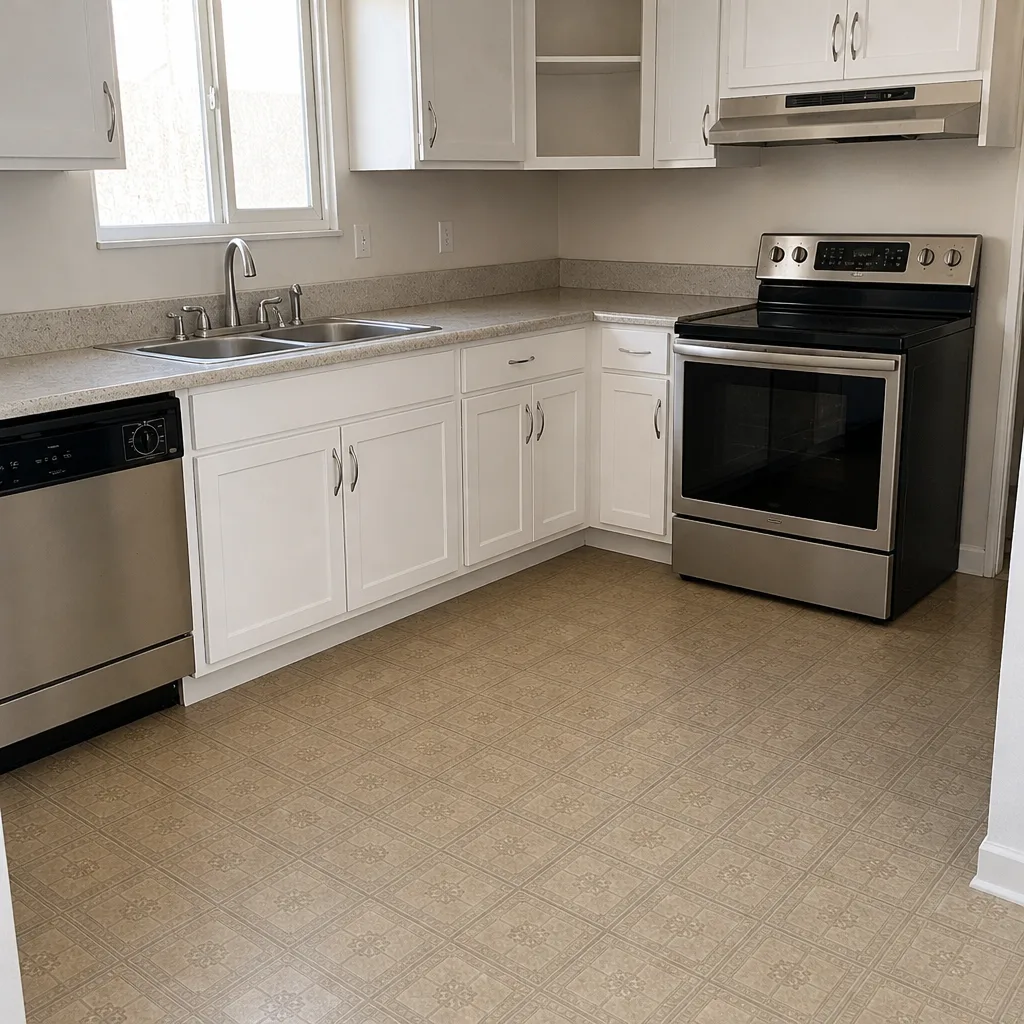 After
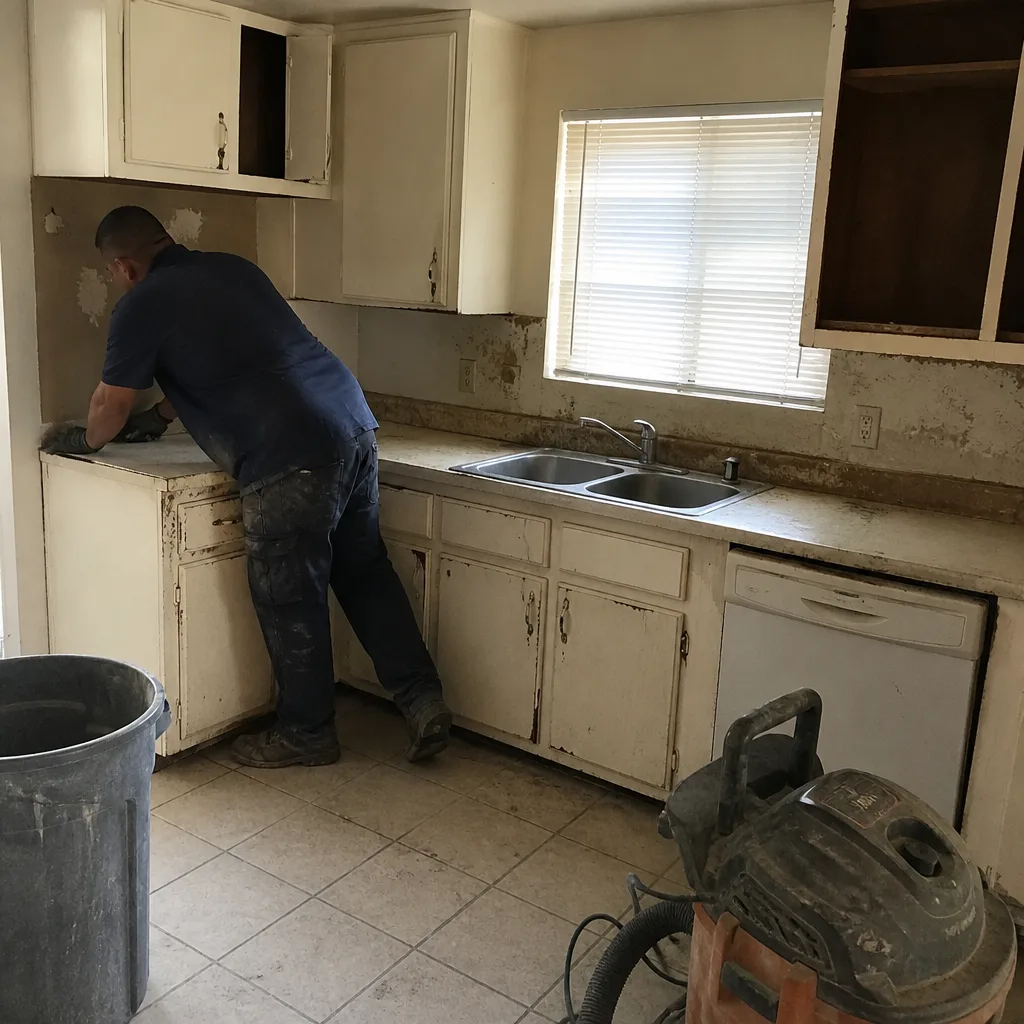 Before
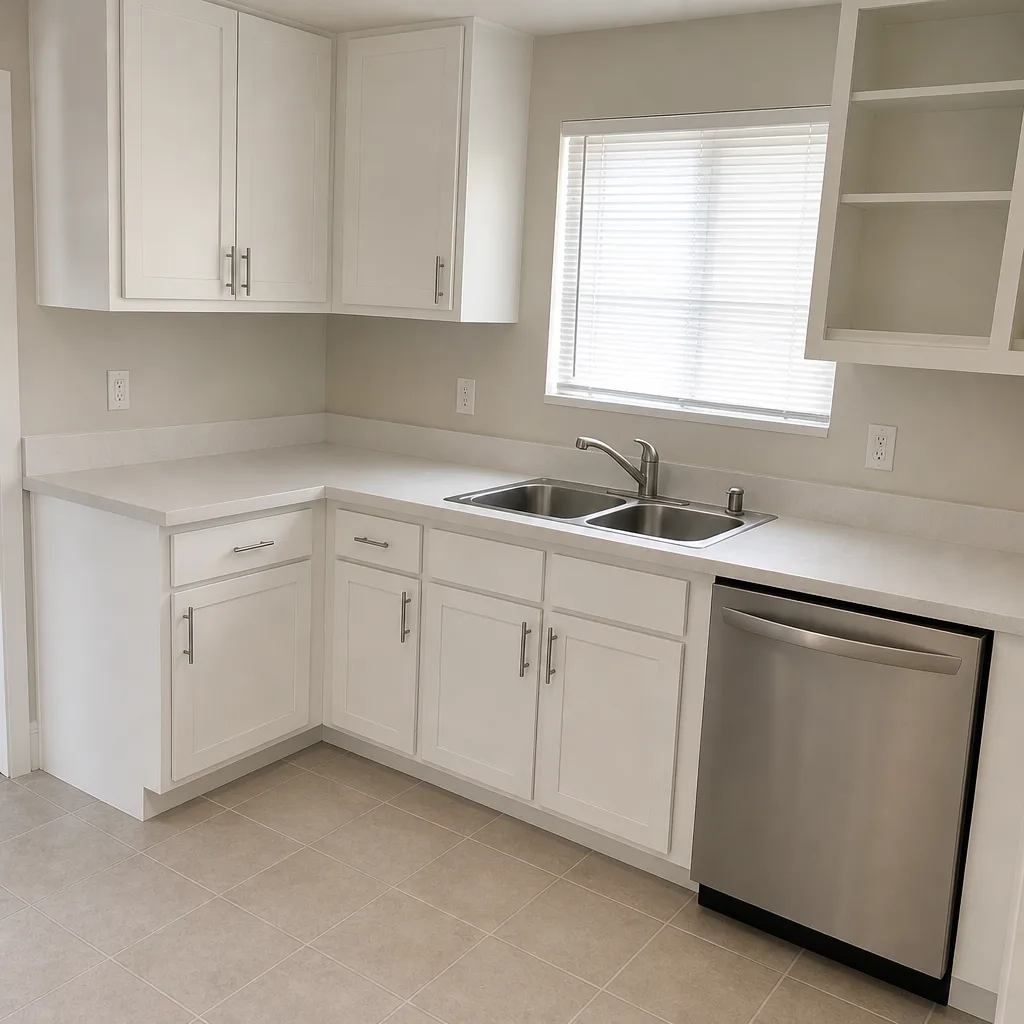 After
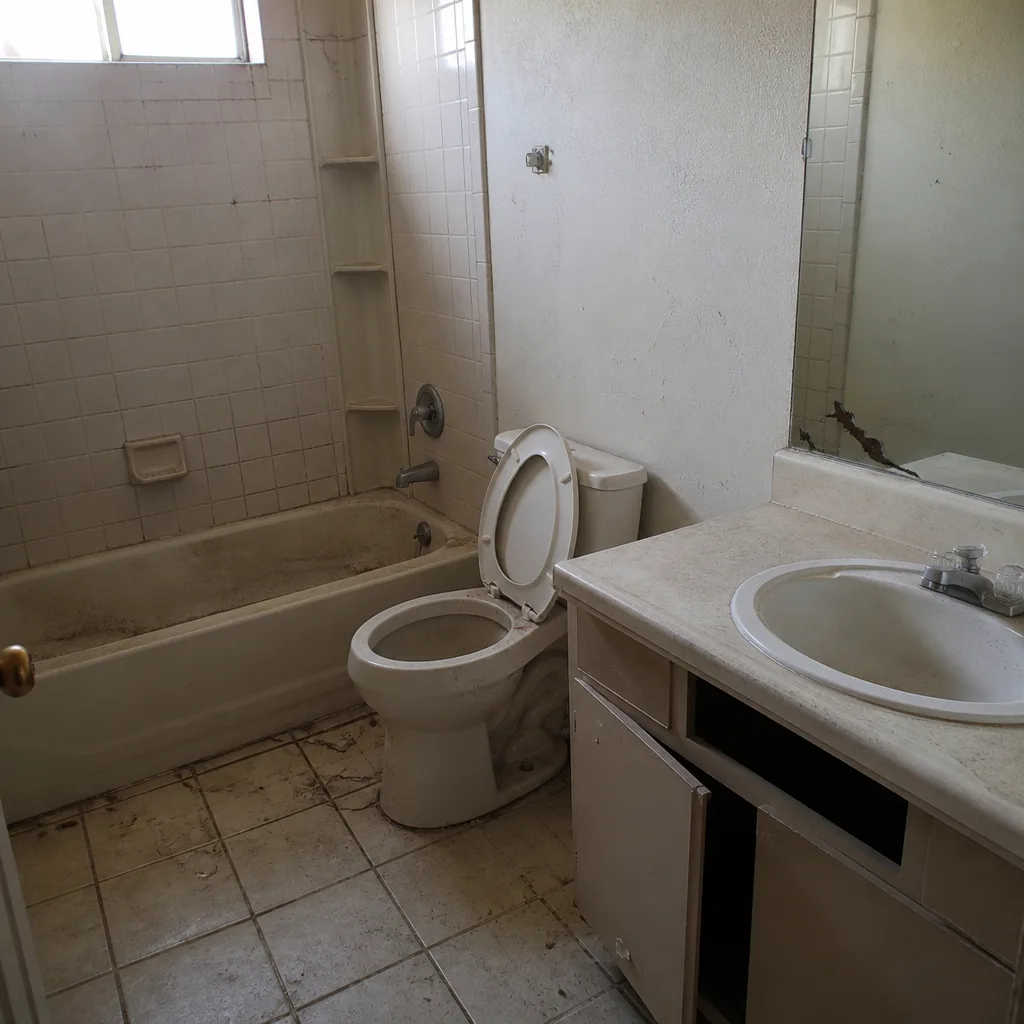 Before
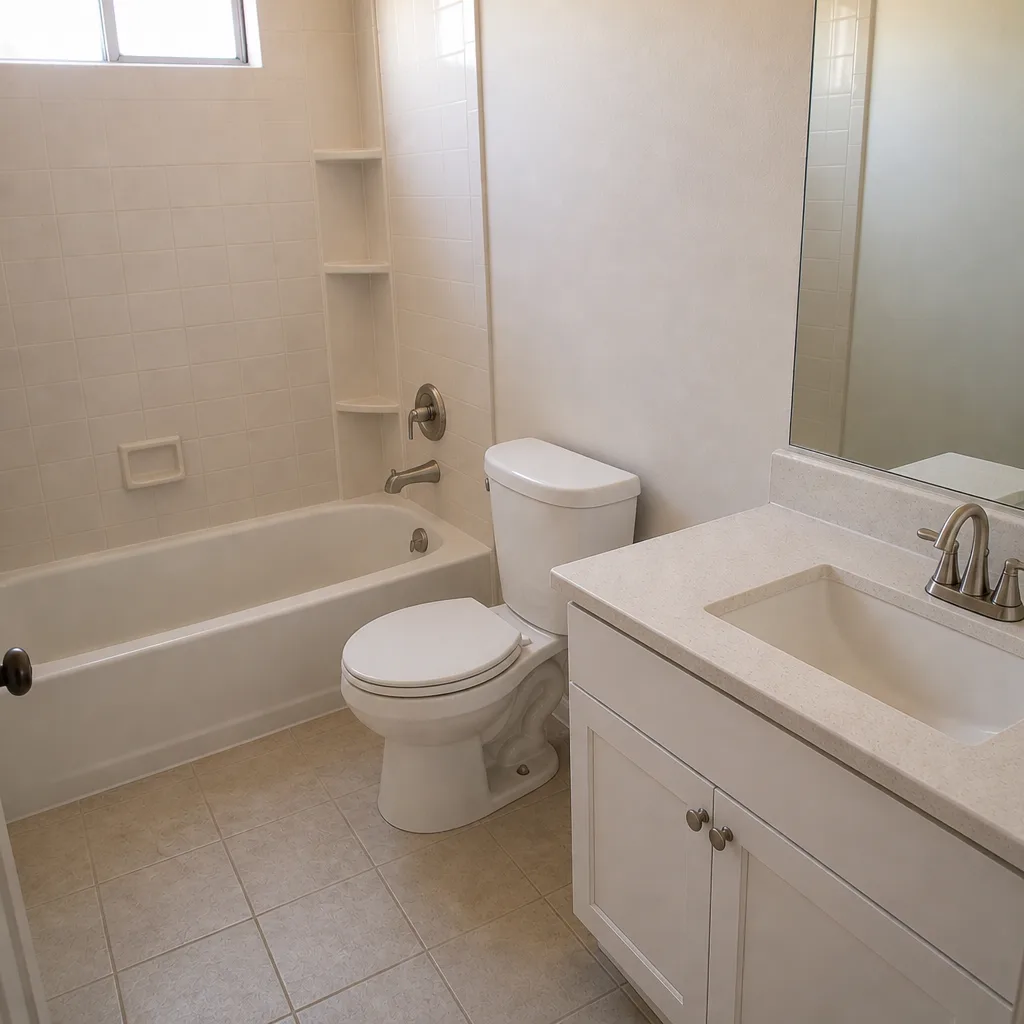 After
Tile vs Vinyl Plank Kitchen Flooring in Whitney, NV: Pick the Material Your Slab Can Actually Hold
Choose porcelain tile if your Whitney slab is flat and stable and you want a floor that lasts 30-plus years. Choose vinyl plank (LVP) if the slab is uneven, the budget is tighter, or you want a warmer surface underfoot in winter. But here’s what the generic comparison articles skip: in Whitney, the slab under your kitchen usually decides the winner before the product does. Most of these homes sit on concrete poured 50 or more years ago over caliche-hard desert soil, and that slab’s flatness number matters more than any spec sheet. Call Penhallow Remodeling Whitney at (833) 721-7402 for a free substrate assessment and a written price before you commit to either material.
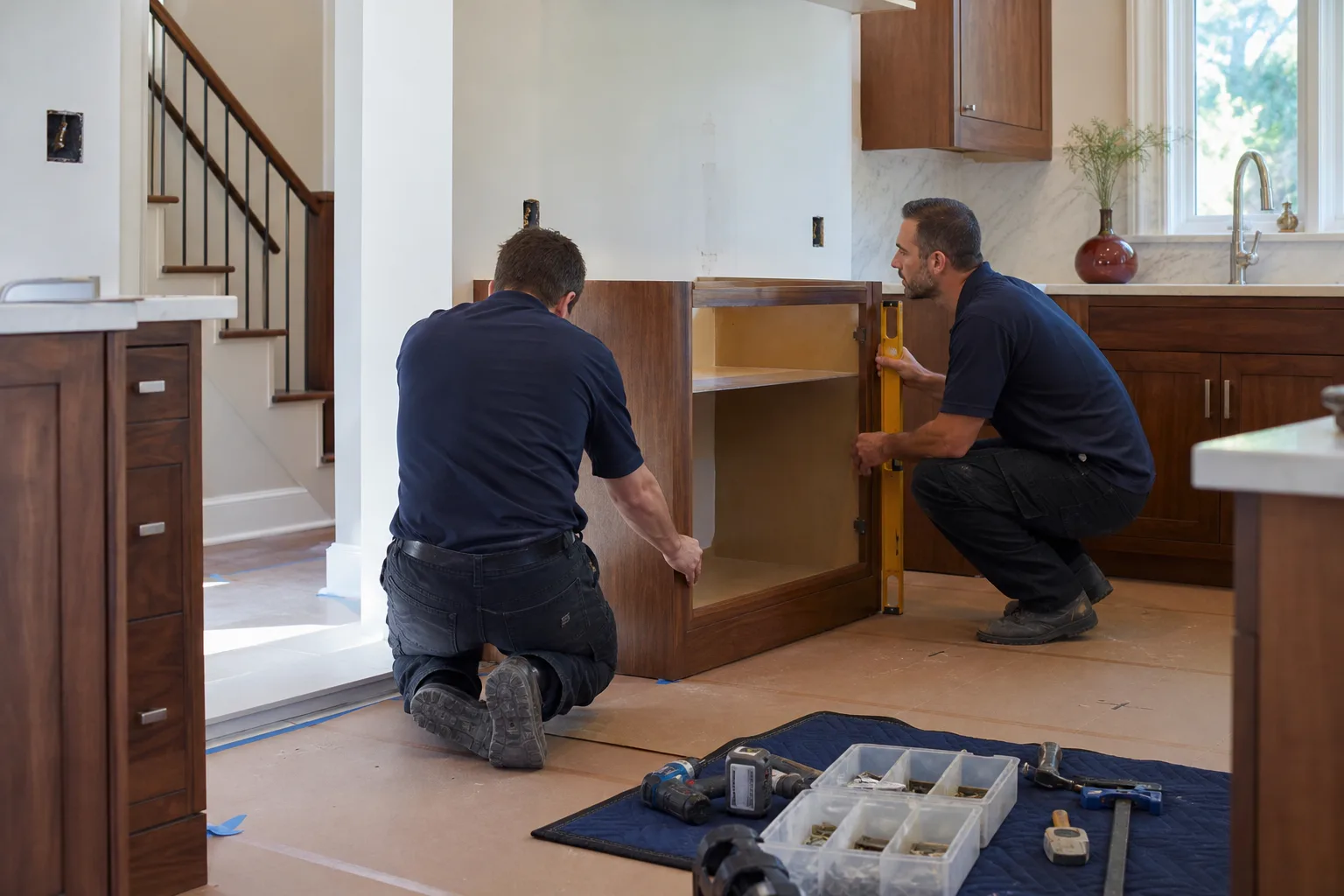
Why Your Whitney Slab Comes Before the Product Decision
Caliche is the calcium-carbonate layer that forms under Mojave desert soil, and it doesn’t compress evenly. When a slab poured decades ago settles over it, you get high spots and low spots that never announce themselves until flooring goes down. The industry tolerance for tile is 3/16 inch over 10 feet. For floating LVP, most manufacturers call for 3/16 inch over 6 feet, which is actually stricter over a shorter span. Get those numbers wrong and rigid porcelain telegraphs the unevenness straight through: cracked grout lines show up within 12 to 18 months, and no product warranty covers installation error.
Older Whitney tract homes along the Boulder Highway corridor often carry another layer: a vinyl sheet floor bonded to the slab during a 1970s remodel. Removing it correctly is mandatory prep for either material, and if the home predates 1978, the backing needs asbestos testing before anyone touches it. That single step changes the cost math for both tile and LVP, and it’s the line item verbal estimates tend to leave out.
What to Check Before You Choose (and What Changes the Number)
Here’s the comparison framework we walk homeowners through before a single box of flooring comes off the truck. None of it is about brand names yet. It’s about what’s under your feet.
- Slab flatness: We measure with a 10-foot straightedge. If it’s out of tolerance, the fix is grinding high spots or pouring leveling compound before install, and that’s a real line item for either material.
- Existing flooring layers: Vinyl sheet, old adhesive, or a previous tile job all have to come up. A hot Whitney garage conversion sometimes hides a second subfloor that never got acclimated properly.
- Moisture and heat: Slabs in this climate transmit heat differently through tile than through LVP. Tile stays cooler underfoot through those long stretches above 100°F, but poorly bonded adhesive on a dirty slab will fail either way. LVP needs acclimation time in the room where it’s going down, not a hot garage, or it buckles at the seams.
- Deflection tolerance: LVP’s floating-click system handles minor flex better than tile, but only up to the deflection limit its manufacturer states. Beyond that, planks pop apart.
- Clark County permit routing: Whitney is unincorporated, so any structural or subfloor work gets permitted through Clark County, not a city office. Older parcels here sometimes surface undocumented additions during demo, and that gets resolved before flooring goes down.
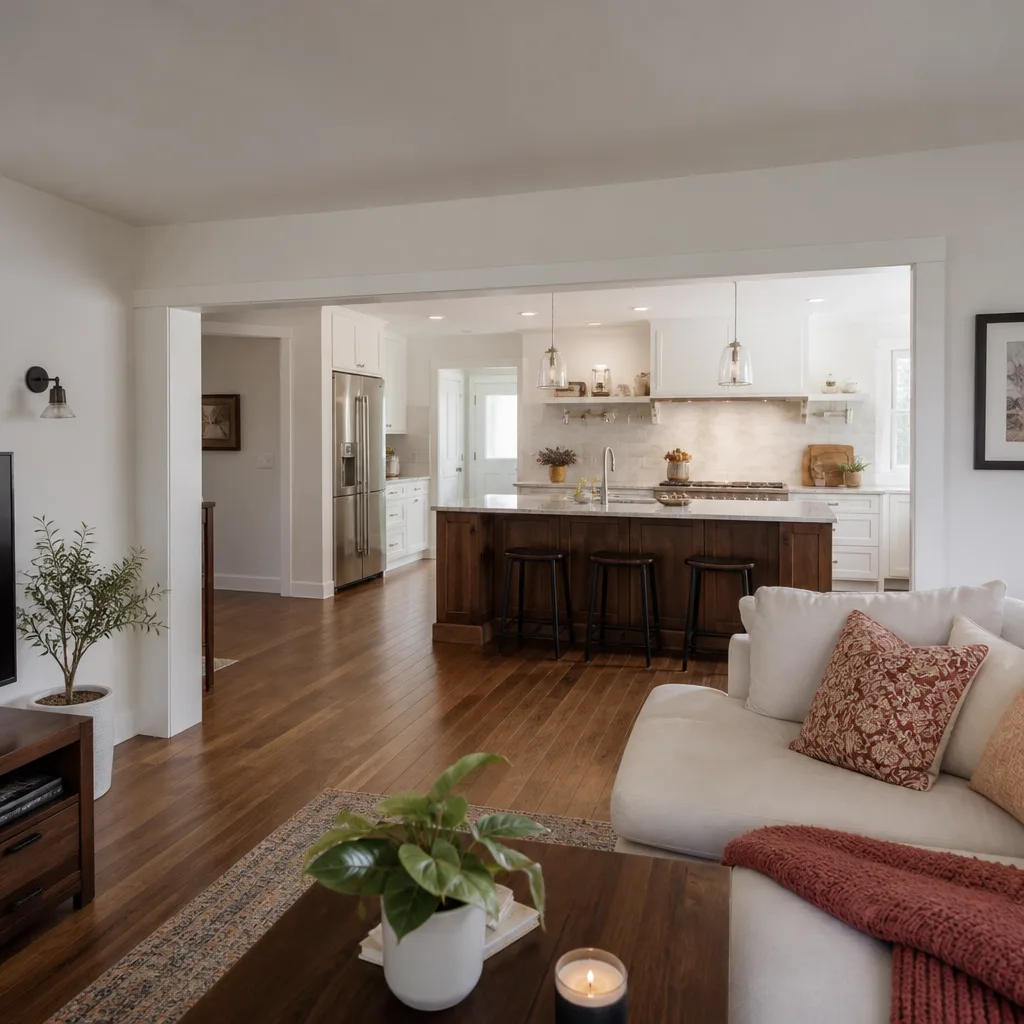
Tile vs Vinyl Plank: A Straight Side-by-Side
| Factor | Porcelain Tile | Vinyl Plank (LVP) |
|---|---|---|
| Slab tolerance | 3/16″ over 10 ft | 3/16″ over 6 ft (stricter) |
| Underfoot in summer | Cooler | Warmer, but can feel soft under heavy appliances |
| Failure mode on bad prep | Cracked grout in 12-18 months | Buckled or separated seams |
| Acclimation needed | Minimal, but thinset cure matters | Yes, in-room, per manufacturer spec |
| Typical installed cost | Higher | Lower |
| Lifespan | 30+ years with proper prep | 15-25 years |
Neither column wins on paper. The winner is whichever material your slab can support without a warranty-voiding shortcut, and that’s a measurement question, not an opinion.
What Flooring Work Costs in Whitney Kitchens
Penhallow Remodeling Whitney puts a substrate assessment line item in the written price before any work starts, so the number you’re quoted already accounts for slab grinding, leveling compound, or old-flooring removal. It doesn’t turn into a surprise after demo day. Here’s how flooring fits into the wider kitchen budget, using our actual Whitney ranges:
| Project | Price Range |
|---|---|
| Full kitchen remodel | $14,000-$45,000 |
| Small kitchen remodel | $9,000-$20,000 |
| Cabinet installation | $4,000-$13,000 |
| Countertop installation | $2,000-$6,500 |
| Backsplash installation | $800-$2,500 |
| Kitchen island installation | $3,000-$10,000 |
A full Kitchen Remodeling project at the top of that range includes the flooring, cabinetry, and countertop work together, which is the smartest time to deal with a slab problem. If you’re only replacing the floor, the prep line item stands on its own, but the price you’re quoted covers it. Materials come from recognized trade brands like Quikrete and Sakrete for leveling and patching compounds, so the stuff under the floor carries its own warranty alongside ours.
How the 365-Day Done Right Promise Backs Installation Work
If grout cracks or planks buckle because of how the floor was set, not because of a product defect, Penhallow comes back and fixes it at no charge within 365 days. That’s the Kitchen Remodeling in Whitney standard on every job, and it matters most when you’re choosing between two materials on an imperfect slab. Our technicians have up to 22 years of experience, arrive background-checked and in uniform, and every project carries a written guarantee before work starts. A live person answers the phone 24/7, so you’re never routed to a voicemail maze when something needs a second look.
FAQs
Vinyl plank is usually the safer pick on an uneven Whitney slab because its floating-click system tolerates minor flex better than rigid porcelain. Neither material forgives a slab that’s out of tolerance, so the flatness measurement comes first, then the material decision follows from it.
Flooring typically runs as part of a kitchen project in the $14,000-$45,000 range, with LVP sitting lower on that scale and porcelain tile higher once substrate prep is factored in. The prep line item is what generally distinguishes a real quote from a ballpark, so call (833) 721-7402 for an exact written price.
Yes, if your Whitney home was built before 1978. Vinyl sheet backing from that era commonly contains asbestos, and Clark County requires proper handling before removal. Skipping the test risks both the crew and your permit, so we confirm it before any demo begins.
A small kitchen remodel in Whitney typically runs $9,000-$20,000, with flooring, counters, and cabinet work scoped to the space. Call (833) 721-7402 for a written estimate, and estimates are free.
If you’d rather have it looked at, Penhallow Remodeling Whitney offers a no-pressure assessment in Whitney. We’ll measure your slab, test what’s under the old floor, and hand you a written price before any work starts. Call (833) 721-7402. You’ll reach a real person, day or night.
Written by the team at Penhallow Remodeling Whitney, serving Whitney, NV.