Last updated November 18, 2026





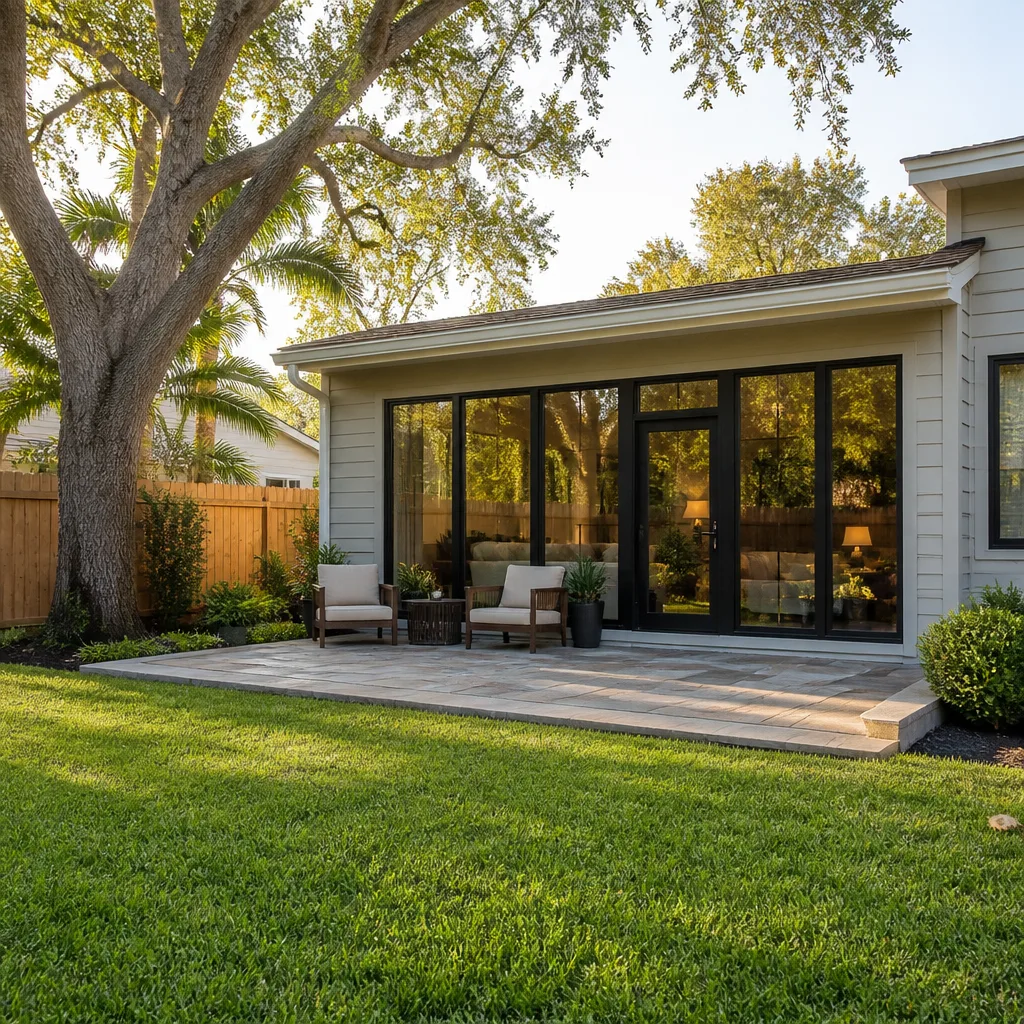
Free written scope consultation - allowances, timeline, and change-order rules on paper before a single trade is scheduled
The Complete Guide to Construction in Whitney
Whitney sits in an unincorporated pocket of Clark County, which means your project answers to county code enforcement, not a city building department. That single fact reshapes your permit timeline, your inspection sequence, and who you call when something stalls. Most guides written for Las Vegas treat Whitney as though it were the same jurisdiction. It isn’t. In this guide we’ll walk through what actually changes: the caliche layer under your slab and what it does to foundation prep and flatwork costs, which Whitney projects need a permit and which don’t under Clark County code, how to read a written scope so your price doesn’t balloon after demo day, and realistic timelines for the remodels we see most often here.
Quick Answer
Construction in Whitney, NV is governed by unincorporated Clark County rather than a city building department, so permits route through Clark County Building & Fire and inspections are scheduled on the county’s queue, not Las Vegas’s. The two factors that most affect cost and schedule on a Whitney project are Whitney’s caliche soil (a cemented layer that needs special excavation and drainage planning) and the county’s inspection wait, which commonly runs one to three weeks between phases. Budget for both before you sign anything.
Styles & brands we work with
- Kitchen remodeling
- Bathroom remodeling
- Home additions & ADU
- Roofing
- Windows & doors
- Driveway & pavers
- Fence
Table of Contents
- How Unincorporated Clark County Changes Your Project
- Whitney’s Caliche Soil and What It Costs You
- What Needs a Permit in Whitney and What Doesn’t
- Reading a Written Scope of Work (and Why Verbal Scopes Cost More)
- Realistic Timelines for the Most Common Whitney Remodels
- How to Verify a Contractor in Whitney
- Common Mistakes to Avoid
- Frequently Asked Questions
How Unincorporated Clark County Changes Your Project
When you pull a permit for a kitchen remodel or a room addition in Whitney, you’re filing with Clark County Building & Fire, not a city office. That sounds like a paperwork detail. It isn’t. The county runs its own plan-review queue and its own inspection calendar, and those calendars don’t move at the same speed as a municipality’s. We’ve had projects in Whitney sit in plan review longer than the actual framing took, not because anything was wrong but because the queue was full.
Three practical consequences you should know before you hire anyone:
- Plan review timing is a county variable. A residential remodel that needs a full plan check can sit two to six weeks in review before the first inspection is ever scheduled. Cosmetic work that doesn’t require plan check moves faster.
- Inspection sequence is set by the county, not your contractor. A rough-in inspection can’t be scheduled until the prior phase has passed, and the gap between phases is often one to three weeks. Your schedule has to leave room for that.
- Code enforcement is county code enforcement. If a neighbor complains about an unpermitted structure, it’s Clark County Code Enforcement that shows up, not a city inspector. That’s a real risk in Whitney because accessory structures are common and often built without permits.
If you’re working with a general contractor in Whitney, ask specifically how they handle Clark County permitting. A contractor who mostly works inside Las Vegas city limits may not have the county relationships or the patience for county timelines. It’s a fair question to ask before you sign.
Whitney’s Caliche Soil and What It Costs You
Caliche is a naturally cemented soil layer, essentially calcium carbonate that has bound the dirt into something closer to soft rock. It’s everywhere under Whitney, and it changes the cost of any project that touches the ground. A contractor from out of the area who quotes you a footing or a concrete slab without accounting for caliche is quoting a job they haven’t priced yet.
Where caliche shows up in real Whitney projects:
- Foundation prep. Excavating through a caliche layer takes heavier equipment and more time than ordinary soil. On an addition or a slab-on-grade pour, expect an allowance in the quote for “over-excavation” and rock removal. If a bid has no such line, ask about it in writing.
- Drainage rough-in. Trenching for a French drain or a sewer line through caliche is slow work. A trench that would take a day in loose soil can take two or three.
- Concrete flatwork. Patios, driveways, and walkways poured over caliche need a properly compacted base and, in some cases, a thicker slab section to bridge the irregular surface. Skipping that step is how you get a patio that cracks in its second summer.
What does that add? In our experience across Whitney, caliche-related excavation and base prep adds roughly 10 to 25 percent to the ground-work portion of a project, more if a large rock shelf is hit. On a $40,000 room addition, that can be $2,000 to $6,000 just in site work. Ask any contractor you interview to describe, in writing, how they handle caliche. If the answer is vague, that’s a sign the number you’re looking at doesn’t include it.
What Needs a Permit in Whitney and What Doesn’t
This is where homeowners get tripped up, because “remodeling” covers a huge range. Under Clark County code, the dividing line is whether the work is structural, changes the building’s footprint, or touches systems the county regulates. Cosmetic work generally doesn’t require a permit. Structural work almost always does.
Here’s how we sort the three categories in practice:
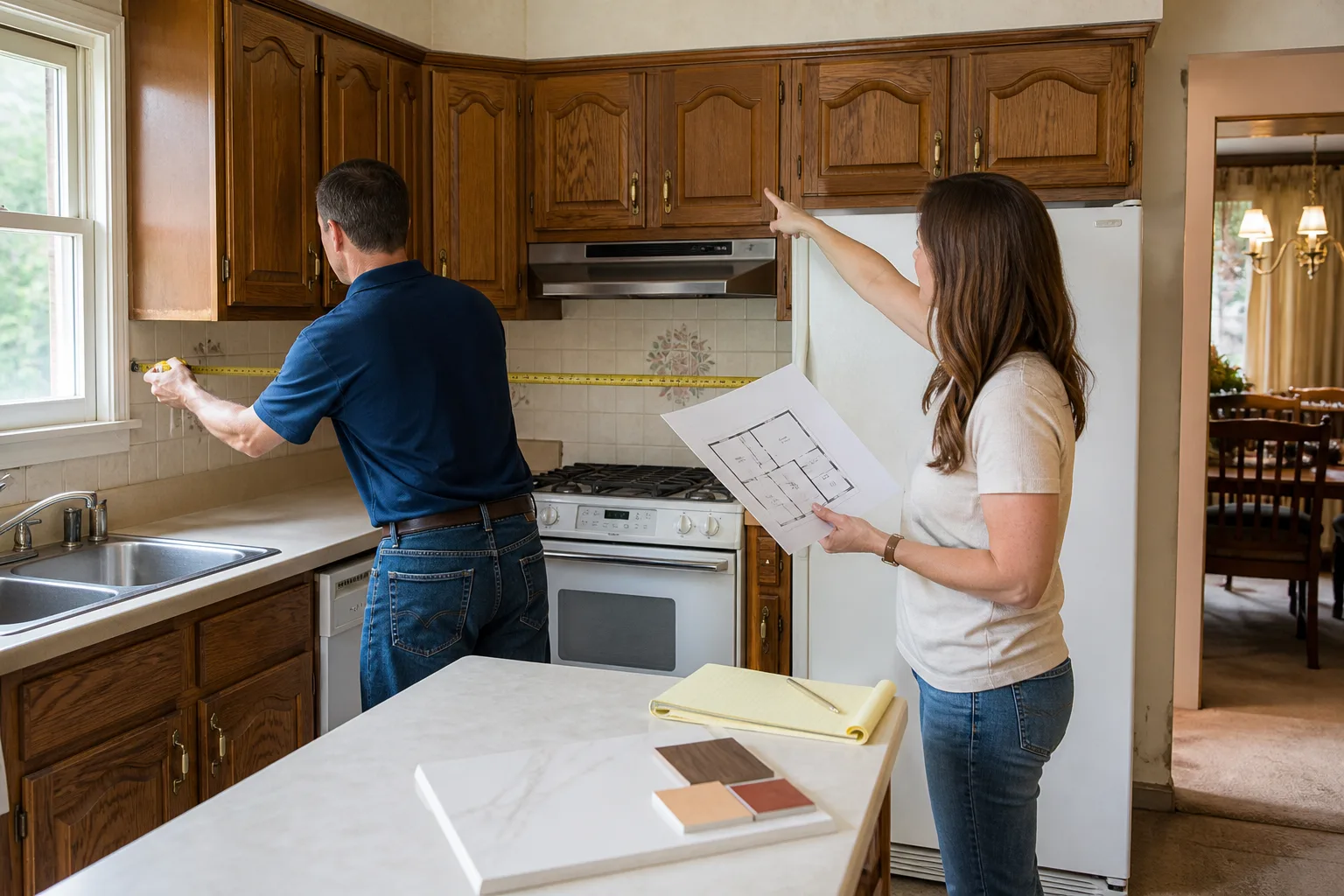
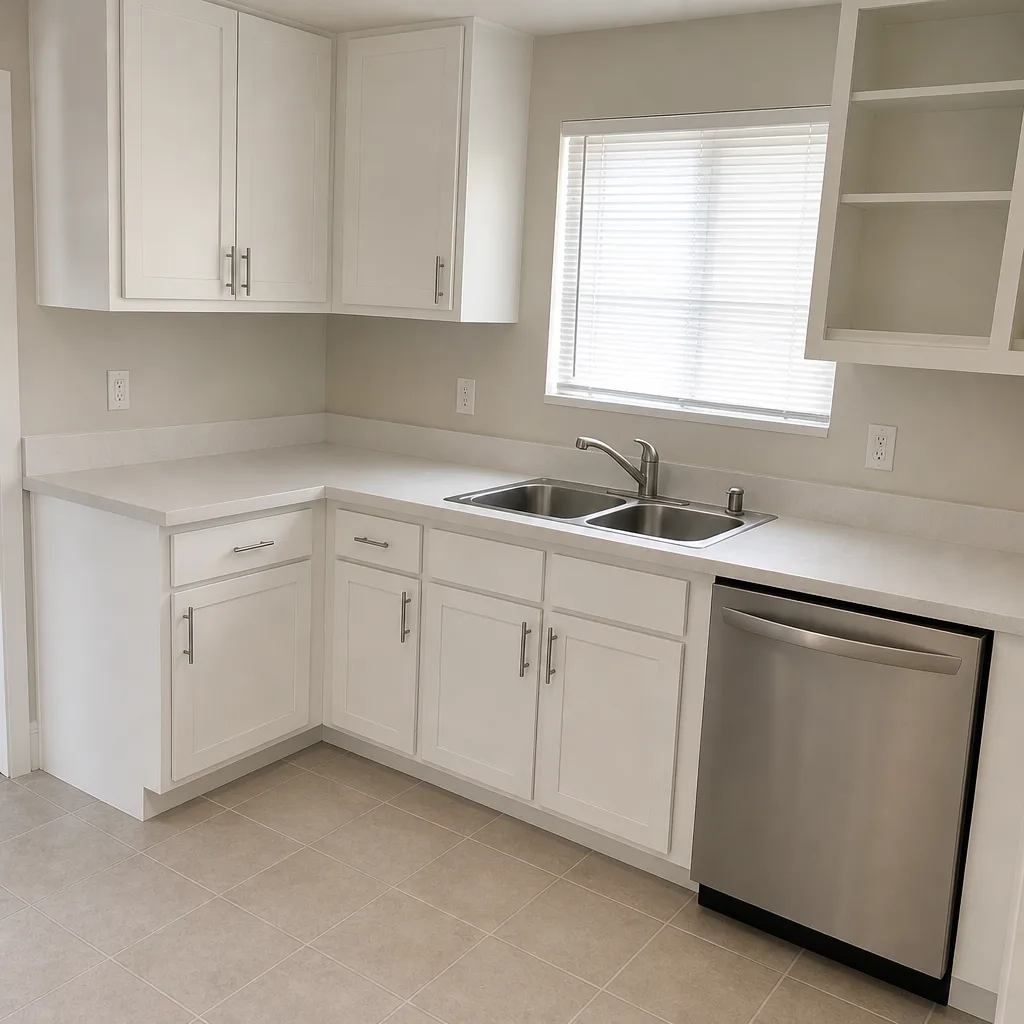
- Cosmetic remodeling (usually no permit). Cabinet refacing, countertop replacement, tile, paint, flooring, and fixture swaps within the existing plumbing locations. A kitchen remodeling in Whitney that keeps the sink and range where they are often fits here.
- Structural work (permit required). Removing a wall (even a “non-load-bearing” one, because the county wants to confirm), adding a window or door in an exterior wall, altering a load path, or converting a garage. Bathroom moves that relocate plumbing drains typically trigger permit review too, which is why a bathroom remodeling in Whitney that shifts the layout needs a plan check the cosmetic version skips.
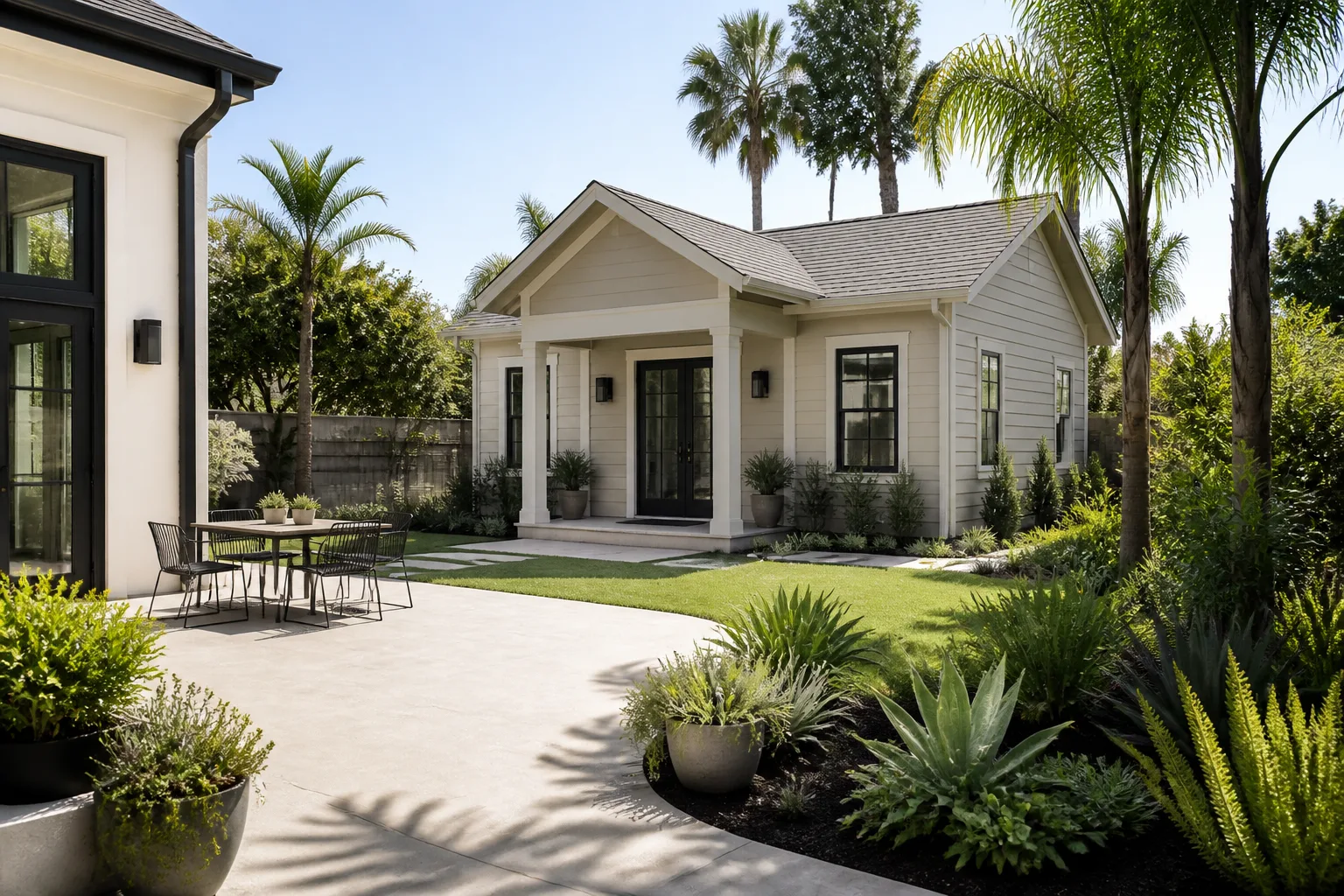
- Accessory structures (permit required). Detached garages, casitas, room additions, covered patios with a roof, and any structure with foundations. Sheds below the county’s square-footage threshold and freestanding structures without footings may be exempt, but the threshold is worth confirming in writing before you build.
The rule we give every Whitney homeowner: if you’d be uncomfortable showing the finished work to a county inspector, assume it needs a permit. And remember the county code enforcement point from earlier – an unpermitted structure discovered later can be an expensive fix.
Reading a Written Scope of Work (and Why Verbal Scopes Cost More)
Almost every cost overrun we’ve been called in to rescue in Whitney traces back to the same thing: a verbal scope. A contractor says “we’ll do the kitchen for around $30,000,” demo happens, and suddenly the number is $48,000 because the $30,000 never included cabinet removal, electrical, or a countertop upgrade. A written scope is the single best defense against that pattern.
What a written scope of work should contain:
- Line items, not a lump sum. Each phase or task gets its own line with its own number. “Kitchen remodel: $40,000” tells you nothing. “Cabinet removal and disposal: $1,200” tells you something.
- Named materials with model numbers. “Quartz countertop” is not a scope. “Cambria quartz in [color] on perimeter and island” is. The difference protects you when a contractor substitutes a cheaper material later; we install Cambria because the brand carries its own lifetime warranty alongside ours, and the material stays the same from the sample to the install.
- Explicit allowances for unknowns. Demo reveal can change things: hidden water damage, a rogue electrical line, caliche that runs deeper than expected. A good scope lists an allowance and names when it’s expected to apply.
- What’s excluded. A scope that doesn’t say “excludes appliance purchase” is a scope that can creep. Write it down.
- The price and the guarantee, in writing. We hold to a simple standard: the number on day one is the number on the invoice, and if the work fails within 365 days we come back and fix it at no charge.
Ask for the scope before you sign, not after. Any contractor who resists putting it in writing is telling you something about how the job will go.
Realistic Timelines for the Most Common Whitney Remodels
County inspection wait times are the biggest variable that out-of-town contractors underestimate. Here are the working ranges we’ve seen for the three projects Whitney homeowners ask about most. Treat these as planning numbers, not promises.
Kitchen Remodel
A cosmetic kitchen (cabinet refacing, counters, tile, fixtures in the existing locations) typically runs two to four weeks on site. A full kitchen with new cabinets, relocated plumbing, and permit-required electrical runs six to ten weeks on site, plus two to four weeks for plan review and inspection scheduling. Cabinet lead times from KraftMaid and Wellborn add two to six weeks up front depending on the line and finish. Realistic start-to-finish for a full kitchen in Whitney: three to four months.
Bathroom Remodel
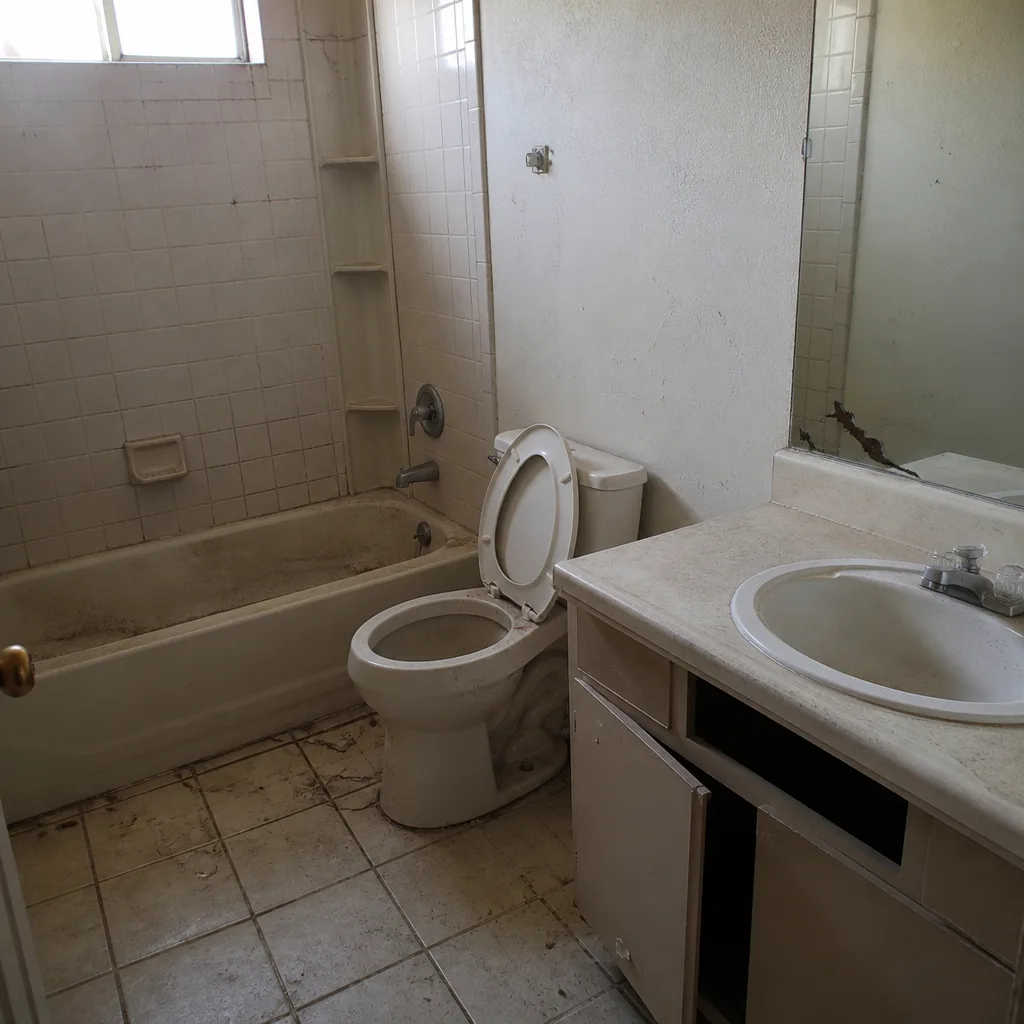
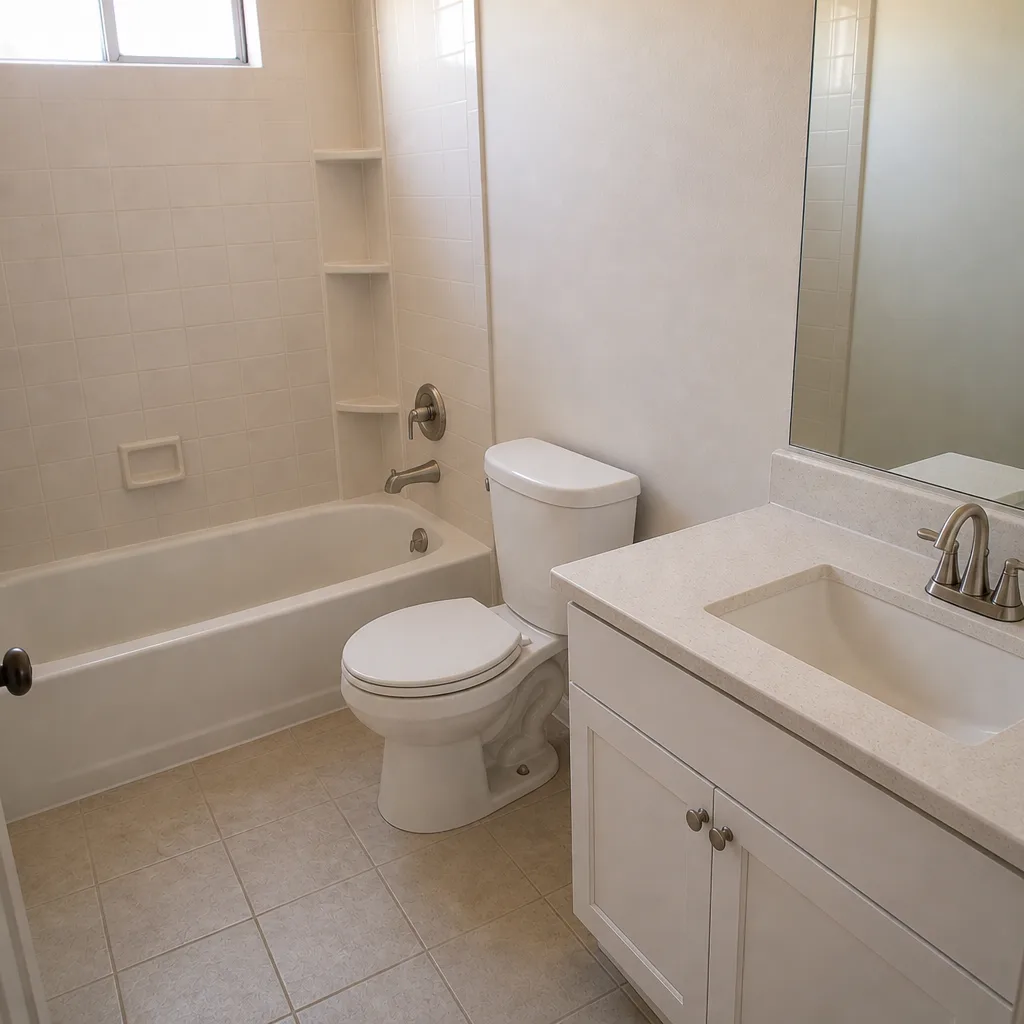
A cosmetic bath (tile, fixtures within the same drain locations, vanities, Kohler fixture swaps) runs two to three weeks on site. A layout change that moves the drain adds permit review and a longer plumbing phase, so budget six to eight weeks on site. Realistic start-to-finish for a Whitney bath: four to eight weeks from permit to punch list.
Room Addition
Additions are the slowest because every phase waits on the county. Foundation and framing, electrical rough-in, insulation, drywall, and finish work each pass through their own inspection. In our experience in Whitney, an addition runs four to six months on site plus plan review time, with total elapsed time often reaching six to nine months. Caliche excavation can add one to three weeks at the front. If you’re planning an addition, treat it as a half-year project and be skeptical of any contractor who tells you otherwise.
For a broader planning view across project types, our Penhallow Remodeling Whitney home page maps the full range of work we take on.
How to Verify a Contractor in Whitney
Every contractor working in Whitney should be able to hand you their Clark County license, a current certificate of insurance, and a written scope in the same morning. There’s no reason to hire anyone who stalls on any of the three. Here’s the verification sequence we recommend:
- Pull the license. Nevada requires a contractor license, and the number should verify with the state. Ask for it in writing before you sign.
- Ask for the insurance certificate. It should name the carrier, the policy, and the expiration date. “We’re insured” isn’t the same as a certificate.
- Get the scope and the price in writing. Line-items, named products, explicit exclusions. This is the single most useful document in the whole process.
- Confirm who’s coming to the house. At Penhallow Remodeling, every technician is background-checked and arrives in uniform. You should know who’s walking into your home before the door opens.
- Ask what happens if something fails. A written guarantee is a real one. “We stand behind our work” is a sentence; a written promise with a defined period and a defined remedy is a policy.
The written price, the fixed arrival window, the clean job site, and the written guarantee on every project – that’s The Kingswell Way, and it’s a fair benchmark to hold any contractor in Whitney to, ours included.
See the difference
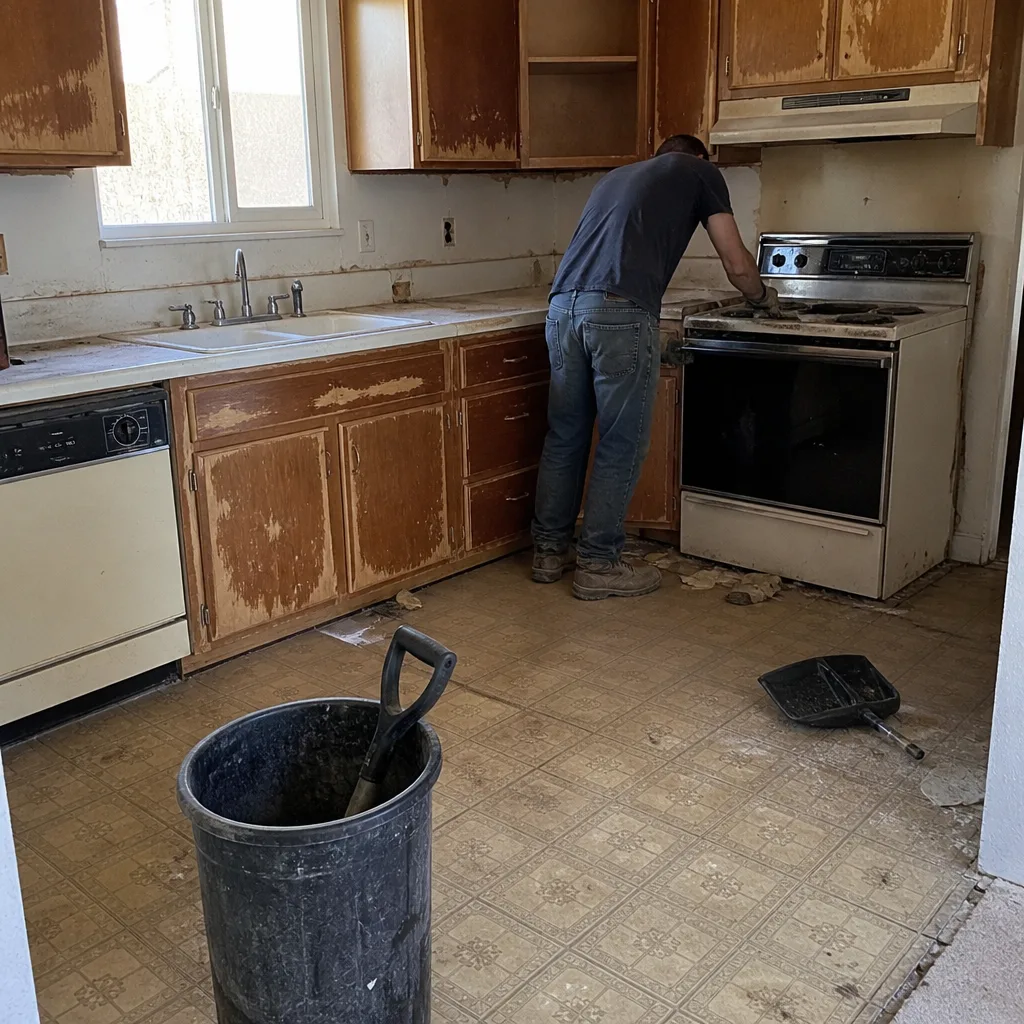 Before
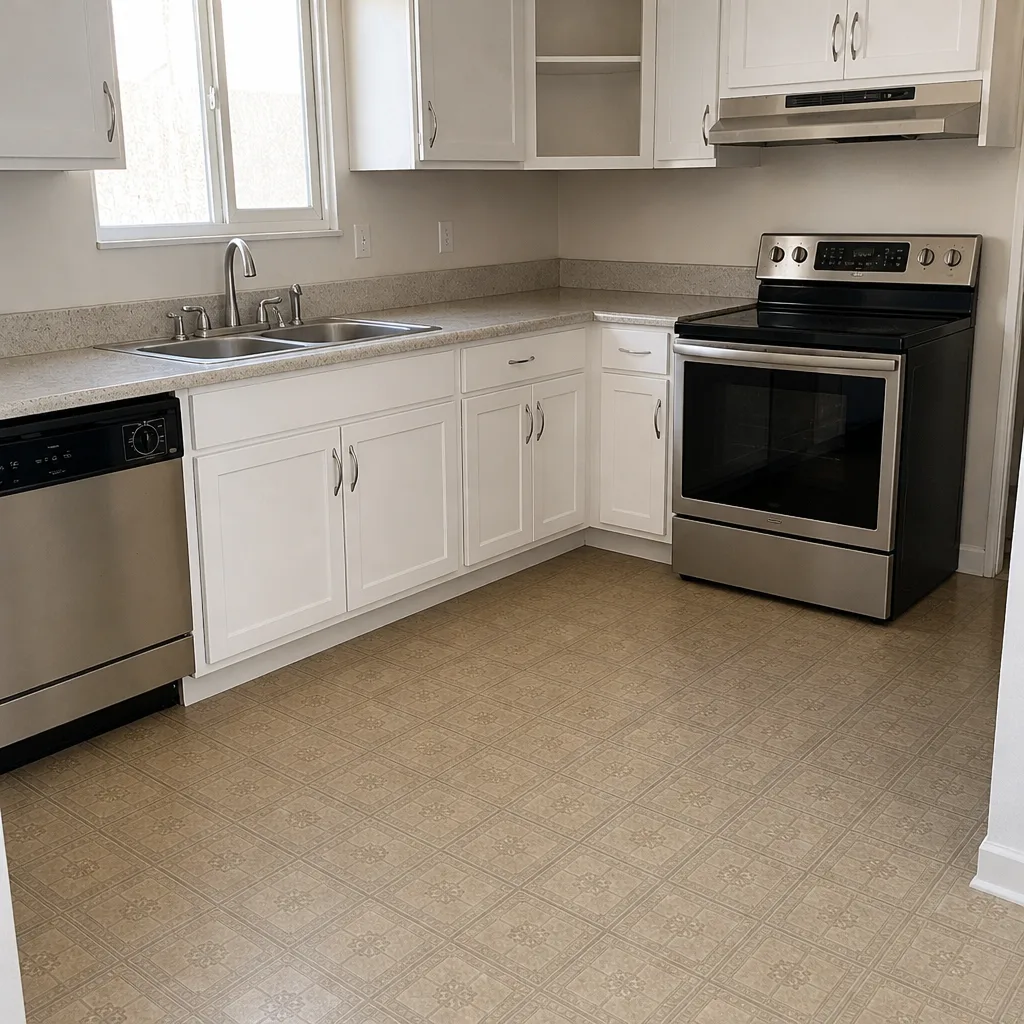 After
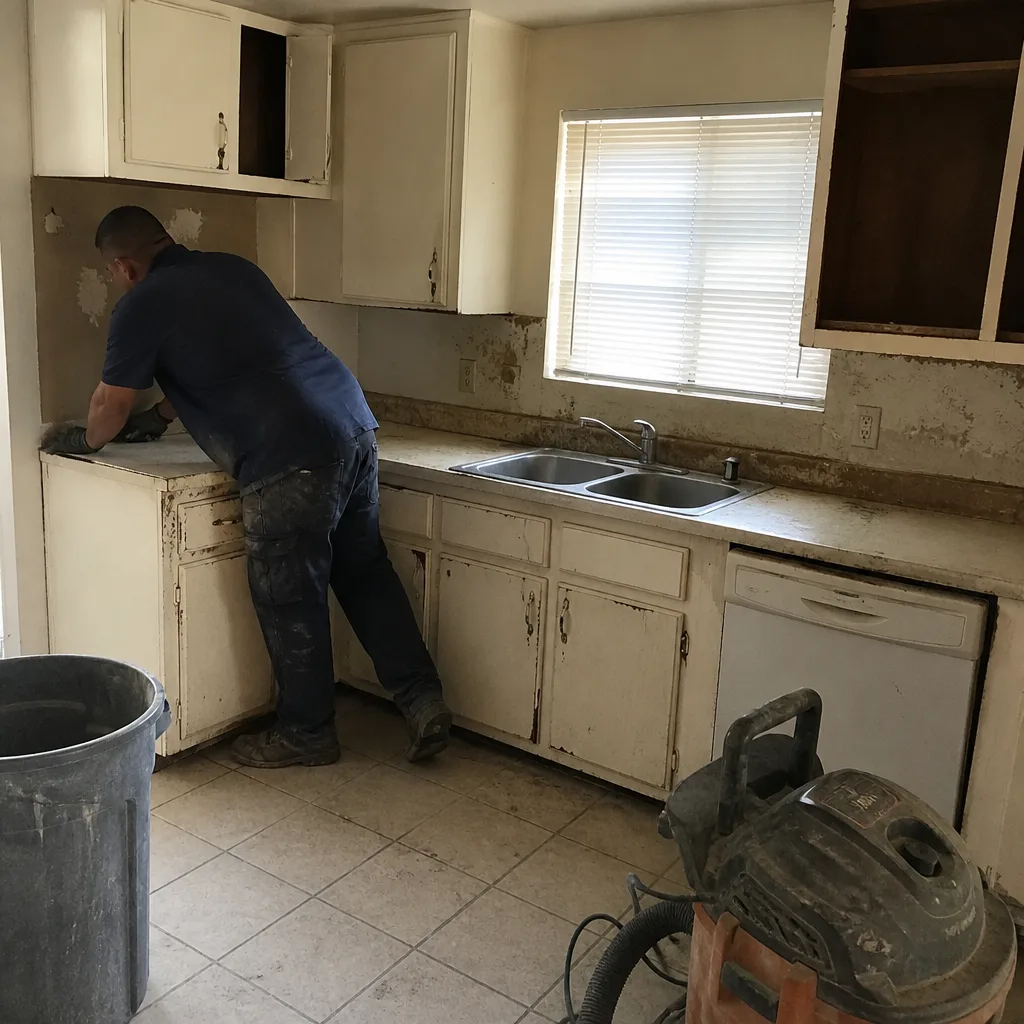 Before
 After
 Before
 After
Common Mistakes to Avoid
- Hiring a Las Vegas contractor who doesn’t know Clark County permitting. Their estimate may look lower because it doesn’t reflect county inspection scheduling or plan review time. Ask directly about their county permit experience.
- Taking a bid with no caliche allowance. If the quote has no line for over-excavation or rock removal, that number becomes a change order the moment demo reveals what’s under the slab. Whitney soil is not optional.
- Accepting a verbal scope. A verbal number with no line items and no named materials is the most common cause of overrun in this market. Get it in writing, every time.
- Building an accessory structure without a permit. Sheds, casitas, and covered patios without foundations often seem exempt. Confirm that with the county in writing before you build, because code enforcement doesn’t accept “I thought it was okay.”
- Planning for the demo, not the inspections. Building a schedule that only counts working days, without room for county inspection turnaround, guarantees a late finish. Add one to three weeks between permit-required phases.
- Choosing the contractor who shows up fastest with the lowest number. A low bid that leaves out caliche prep, permit fees, or cabinet removal is a bid that will grow. A higher-priced bid that names every line is the cheaper one in the end.
- Assuming a bathroom layout change is cosmetic. If you’re moving the drain or supply, it isn’t. That’s a permit, a plan check, and a longer schedule.
When to Call a Professional
Call a professional whenever the work touches structure, the building’s footprint, or the water and electrical systems. That means load-bearing walls, additions, garage conversions, bathroom layout changes, and anything requiring a Clark County permit. Caliche excavation is another one to hand to a pro rather than a homeowner with a rented jackhammer, because the wrong approach to a rock shelf can undermine a foundation pour you’ll pay for again later. The same goes for any project where the scoping has already gotten complicated – if you’ve had one bid come in wildly below the rest, that’s the moment to get a second written scope and compare line items rather than totals.
Penhallow Remodeling Whitney offers free estimates in Whitney – call (833) 721-7402 to schedule a walk-through and get a written price before any work starts.
Frequently Asked Questions
Clark County issues the permit. Whitney is unincorporated, so there’s no city building department – permits route through Clark County Building & Fire, and inspections are scheduled on the county’s calendar. Build the county’s plan review and inspection turnaround into your timeline from day one. Call us at (833) 721-7402 for a free estimate that reflects actual county timelines.
A kitchen remodel in Whitney typically runs $18,000 to $55,000 depending on layout, cabinet line, and countertop material. A cosmetic kitchen with cabinet refacing, counters, and fixtures in existing locations lands on the low end; a full kitchen with new cabinets, relocated plumbing, and permit-required electrical runs higher. Caliche excavation and county permitting both add to the ground-work portion. Call (833) 721-7402 for a written line-item price – estimates are free.
It shouldn’t. The number on day one should be the number on the invoice. A written scope with explicit allowances for demolition reveals (hidden water damage, unexpected caliche, a rogue wire) is what protects you from surprises. At Penhallow, the written price is the standard on every project, and we hold ourselves to it. Call (833) 721-7402 to schedule your free estimate.
A cosmetic bathroom runs two to three weeks on site; a layout change that moves the drain adds county plan review and a longer plumbing phase, so budget four to eight weeks on site. Total elapsed time from permit to punch list typically runs four to eight weeks. The county inspection sequence is the biggest variable, and it’s why we never quote a cosmetic timeline for a project that needs a permit. Call (833) 721-7402 for an exact schedule for your Whitney bathroom.
Caliche is a cemented layer of calcium carbonate in the soil that’s widespread under Whitney. It’s harder to excavate than ordinary soil, so it adds cost and time to foundation prep, drainage trenching, and concrete flatwork – typically 10 to 25 percent on the ground-work portion of a project. Any contractor who quotes a Whitney project without a caliche allowance is quoting a job they haven’t priced. Call (833) 721-7402 to get a free estimate that accounts for it.
Yes. On any project that requires one, we handle the Clark County permit application, plan review coordination, and inspection scheduling from start to finish. You don’t need to file anything yourself or sit on the county queue. Call (833) 721-7402 to talk through what your Whitney project needs.
The Bottom Line
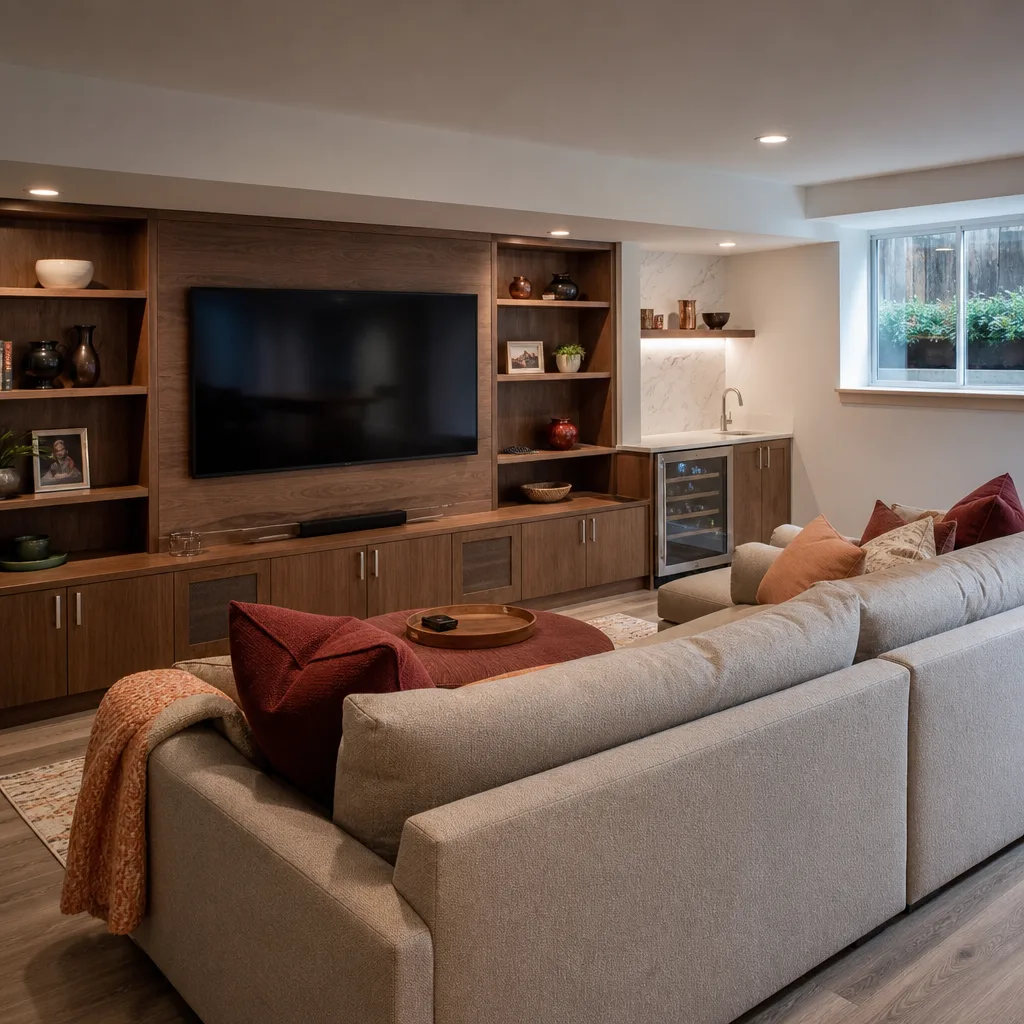
Construction in Whitney answers to Clark County, not Las Vegas, and the difference shows up in your plan review time, your inspection schedule, and how fast code enforcement arrives if something isn’t permitted. Whitney’s caliche soil changes your budget at the ground-work stage, so ask about it explicitly. Cosmetic work usually moves faster than you’d guess; structural work and additions take longer than you’d like because of county inspection backlog, and anyone who tells you differently is either inexperienced or cutting corners. Read the scope, demand named materials, and insist on the written price and the written guarantee before you sign. That’s the whole guide.
Ready to start a project in Whitney? Call Penhallow Remodeling Whitney at (833) 721-7402 to schedule your free estimate. Every job gets a written price before work starts, a real arrival window, and our 365-Day Done Right Promise – if it’s not done right, we make it right, backed in writing. A live person answers the phone around the clock.
Written by the team at Penhallow Remodeling Whitney.