Last updated November 18, 2026








Free written scope consultation - allowances, timeline, and change-order rules on paper before a single trade is scheduled
Construction Emergency Preparedness Guide for Whitney Homes
A burst supply line under a bathroom vanity releases roughly eight gallons per minute. If you don’t know where your main shutoff is and can operate it in under sixty seconds, that’s not a plumbing emergency – it’s a flooring, drywall, and cabinet emergency. Most Whitney homeowners we talk to have never tested their shutoffs, never located the gas main, and couldn’t find last year’s warranty paperwork in a fire. This guide is the reference you print, tape inside a kitchen cabinet, and hope you never need. It covers the four emergencies that actually happen in Whitney homes, what to do in the first ten minutes, and what to have in writing before anything breaks.
Quick Answer
Construction emergencies in Whitney cluster into four predictable events: monsoon water intrusion, HVAC failure at peak summer heat, gas line concerns from aging fittings, and post-remodel failures inside the warranty window. The single highest-value action you can take is locating, testing, and labeling your water, gas, and electrical main shutoffs – before you need them. The second is having your contractor’s emergency number, your written warranty, your insurance policy number, and your permit records in one place you can grab in the dark.
Styles & brands we work with
- Kitchen remodeling
- Bathroom remodeling
- Home additions & ADU
- Roofing
- Windows & doors
- Driveway & pavers
- Fence
Table of Contents
- The Three Shutoffs Every Whitney Homeowner Must Know
- Monsoon-Season Water Intrusion: First Ten Minutes
- HVAC Failure at Peak Heat: When a House Becomes Unsafe
- Gas Line Concerns in Clark County-Era Homes
- Post-Remodel Failures in the Warranty Window
- What to Have in Writing Before an Emergency
- Building Your One-Page Response Plan
The Three Shutoffs Every Whitney Homeowner Must Know
Every home has three shutoffs that matter in an emergency, and in most Whitney tract homes – especially the mid-1990s through 2000s builds common off Whitney Ranch and Russell Road – they’re in predictable places. Find yours this weekend. Test them. Label them with a strip of painter’s tape and a Sharpie. It takes twenty minutes and prevents the single most expensive class of home damage.
1. Main water shutoff
Look on the exterior wall facing the street, usually near the front hose bib, inside a small green or tan plastic box at ground level. Older Whitney homes sometimes have the main at the meter box near the sidewalk instead. Turn it clockwise until it stops. Some Clark County homes use a ball valve (quarter-turn lever); others use a gate valve (multi-turn wheel) that can seize if it hasn’t moved in years. If yours won’t budge, that’s a real finding – call a plumber and have it replaced before a pipe fails at 2 a.m.
2. Gas main
The gas meter typically sits against an exterior side wall, and the shutoff is the lever on the supply side of the meter. A quarter-turn perpendicular to the pipe stops flow. Do not operate this valve casually – a licensed gas fitter should turn it back on and re-light pilots. But every adult in the household should know where it is and how to close it if they smell gas.
3. Electrical main
The main breaker is the large double-pole switch at the top of the panel, usually in the garage on a Whitney home. If the panel is full and unlabeled, have an electrician label it – this is not a DIY project, panels carry live current even with the main off at the meter.
Safety note: water under pressure, natural gas, and electrical panels can all injure or kill. Locate and label; do not repair these systems yourself. Call a licensed professional.
Monsoon-Season Water Intrusion: First Ten Minutes
Whitney sits on the eastern edge of the Las Vegas Valley, and monsoon season (roughly July through September) delivers short, intense rain events rather than long soaks. That specific pattern matters: the ground here is caliche-hardened and doesn’t absorb fast, so a 20-minute downpour produces sheet flow against foundations, under stucco, and at door thresholds. The water shows up fast and leaves fast – and where it enters tells you where the real problem is.
In our experience across Whitney remodels, water intrusion almost always traces to one of four spots:
- Sliding door thresholds – missing or failed sweep seals let water wick under the track
- Stucco-to-foundation joints – hairline cracks open up over summer heat cycles and channel water behind the wall
- Window flashings on south and east elevations – the sides that face the prevailing monsoon storms
- Patio slab drainage – slabs poured level or sloping toward the house push water into the wall base
What to do in the first ten minutes
- Move furniture and rugs off wet flooring. Wet carpet over a wood subfloor becomes a mold problem in 48 hours in Whitney’s heat.
- Photograph and video everything before you touch it – wide shot, then close-up, then a shot with a tape measure for scale. Insurance adjusters want all three.
- Place towels and a fan; do not caulk over wet stucco or thresholds. Trapping water behind a fresh bead of sealant makes it worse.
- Check the ceiling below any second-floor bathroom for staining – intrusion from a monsoon often shows up as a ceiling shadow before the floor feels wet.
- Call a contractor for assessment. Temporary measures (sandbags, plastic sheeting weighted at the wall base) buy you hours, not weeks.
Document damage the same day. Most homeowner policies have a duty-to-mitigate clause, and a written record with timestamps protects your claim.
HVAC Failure at Peak Heat: When a House Becomes Unsafe
Las Vegas Valley summer heat regularly tops 105°F, and Whitney is no exception. A failed air conditioner at 3 p.m. on a 110°F day is not an inconvenience – it’s a health event within hours for infants, elderly residents, and anyone with a heart or respiratory condition. The indoor temperature of a Whitney home climbs roughly 5 to 8 degrees per hour once the AC quits, depending on insulation and shade.
Check these before you call anyone
- The breaker – a tripped AC breaker at the panel is the single most common cause of “no AC” and takes 30 seconds to check
- The air filter – a clogged filter restricts airflow and can cause the coil to freeze
- The thermostat batteries and mode setting – the number of “emergency” calls that turn out to be a thermostat in the wrong mode is genuinely high
- The outdoor condenser – is the fan spinning? Is there ice on the line set? Ice means low refrigerant or restricted airflow, and both need a technician
The thresholds that matter
Below 90°F indoors, most healthy adults can manage with fans, cool showers, and hydration. Above 95°F indoors sustained for more than a few hours, elderly or infant household members should be relocated. Above 100°F indoors, treat it as an evacuation event regardless of age.
If you must leave, extended-stay hotel chains with kitchenettes are the practical option – they’re typically pet-friendly and set up for a several-night stay rather than a single overnight. Call ahead and confirm pet policy and weekly rates before you drive there. Bring medications, phone chargers, and the document folder described later in this guide.
Gas Line Concerns in Clark County-Era Homes
Whitney’s housing stock leans heavily on 1990s and 2000s construction, and the gas infrastructure from that era is generally sound but reaches the age where fittings, flexible connectors, and shutoff valves can develop slow leaks. Utility gas is odorized with mercaptan specifically so you can smell a leak before it reaches dangerous concentrations. If you smell it, treat it as urgent.
If you smell gas
- Do not flip any light switch, use a phone inside, or start a car in the attached garage. A spark is the ignition source.
- Leave the house and get everyone out to the sidewalk or further.
- Call 911 and the gas utility from outside. Do not re-enter.
- Do not attempt to find the leak yourself with a lighter, soap test, or otherwise. A licensed gas fitter uses a calibrated detector and pressure test – that’s the only reliable method.
After a remodel, gas appliance connections – range, dryer, water heater, or outdoor grill – should always be leak-tested before the appliance is used. If your contractor leaves without testing those connections, that’s a red flag worth calling out in writing. A qualified contractor documents the leak test on the final walkthrough so you have a record.
Post-Remodel Failures in the Warranty Window
Most post-remodel problems we see aren’t emergencies – they’re warranty callbacks, and the difference is worth knowing. A slow drip under a new sink is a callback. A supply line that has let go and is flooding the new cabinet is an emergency. A grout line that has cracked is a callback. A shower pan that’s leaking into the room below is an emergency.
Emergency vs. callback
- Emergency: active water flow you can’t stop, gas smell, electrical burning smell, structural movement, or any condition making the home unsafe to occupy. Call the contractor’s emergency line immediately.
- Callback: anything non-urgent, cosmetic, or performance-related that isn’t currently causing damage. Document and schedule within business hours.
How to document it properly
- Stop the damage first – shut the water, kill the breaker, ventilate for gas. Then document.
- Photograph with a ruler or coin for scale. Send the contractor a written message (email or text) describing what happened, where, and when – a printed timeline is stronger than a phone call recounting.
- Reference the original contract and warranty. A written guarantee should spell out what’s covered, for how long, and what the contractor owes you if the work fails.
- Give the contractor a defined response window. A written guarantee that promises to “make it right” is only as good as the response timeline behind it.
A contractor working to The Kingswell Way makes the price and the guarantee explicit before work starts: written price, defined arrival window, and a 365-Day Done Right Promise to return and fix anything that fails inside the first year. If you’re mid-project or planning one, that written commitment is the thing to confirm before demo day.
What to Have in Writing Before an Emergency
The difference between a contained repair and a displacement event often comes down to what was in a folder. Build that folder now.
- Contractor’s emergency contact – the number that reaches a person, not a voicemail box. Write it on the inside of the folder cover.
- Written warranty document – the actual paper with the coverage period, what’s covered, and how to file a claim. Not the sales brochure.
- Insurance policy number and claims phone – both the general line and the after-hours claims line.
- Permit records – the permit number and final inspection sign-off for any work done to the home. When you sell or when damage occurs, those records prove the work was done to code and protect your claim. Contractors who pull permits for you are doing you a real favor.
- Photos of shutoffs – one photo per shutoff, taken with your phone, saved to a cloud album you can pull up from anywhere.
- Product brand paperwork – the warranty booklets for cabinet lines (KraftMaid and Wellborn both carry their own), countertops (Cambria, Silestone and Caesarstone all have material warranties separate from your contractor’s), and fixtures (Kohler and Moen). If something fails, you may have two overlapping paths to resolution.
Keep the folder in a weatherproof bin in a closet near the front door, not in the attic. If you have to leave in a hurry, you can grab it.
Building Your One-Page Response Plan
Every Whitney household should have a single page, printed and posted, that any adult can follow in the dark. Here’s what goes on it.
Section 1: Shutoffs
- Water main location and type (ball or gate valve)
- Gas main location – and the instruction to evacuate and call from outside if you smell gas
- Electrical main panel location
- A photo of each, printed small
Section 2: Who to call
- Gas utility emergency line
- Electric utility outage line
- Insurance claims line
- Your contractor’s emergency line
Section 3: What to grab
- Document folder location
- Medications and pet supplies
- Phone chargers
Section 4: Family plan
- Meeting spot outside the home
- Who handles the kids, who handles the pets, who handles the shutoffs
- Nearest extended-stay hotel with contact info
Review it once a year. Update the contractor number if you change contractors. Test the shutoffs you can safely test – water especially. A plan you’ve never touched is a plan that fails.
Common Mistakes to Avoid
- Never testing your shutoffs. A gate valve that hasn’t moved in a decade can seize the day you actually need it. Turn the water main quarterly under running taps to keep it free.
- Caulking over a wet wall. Sealing stucco or a threshold while it’s still holding water traps moisture and grows mold inside the wall assembly. Dry first, diagnose second, repair third.
- Filing a claim before photographing. Insurance adjusters want the pre-cleanup evidence. A folder of photos taken before the shop-vac is worth more than a beautifully restored floor with no paper trail.
- Calling the contractor’s office line at 2 a.m. for a flood. Confirm in advance which number reaches a live person after hours – a written emergency line beats a voicemail box every time.
- Assuming a callback is the same as an emergency call. Most post-remodel issues in Whitney are callbacks, and treating a cracked grout line as an emergency slows the response to real ones.
- Storing permits in the attic. In Whitney heat, paper in an unconditioned attic bakes and bleaches within a few years. Keep records in a conditioned space.
- Skipping the leak test after a gas appliance install. If your contractor installs a range or dryer and doesn’t document a leak test, ask for one in writing before you use the appliance.
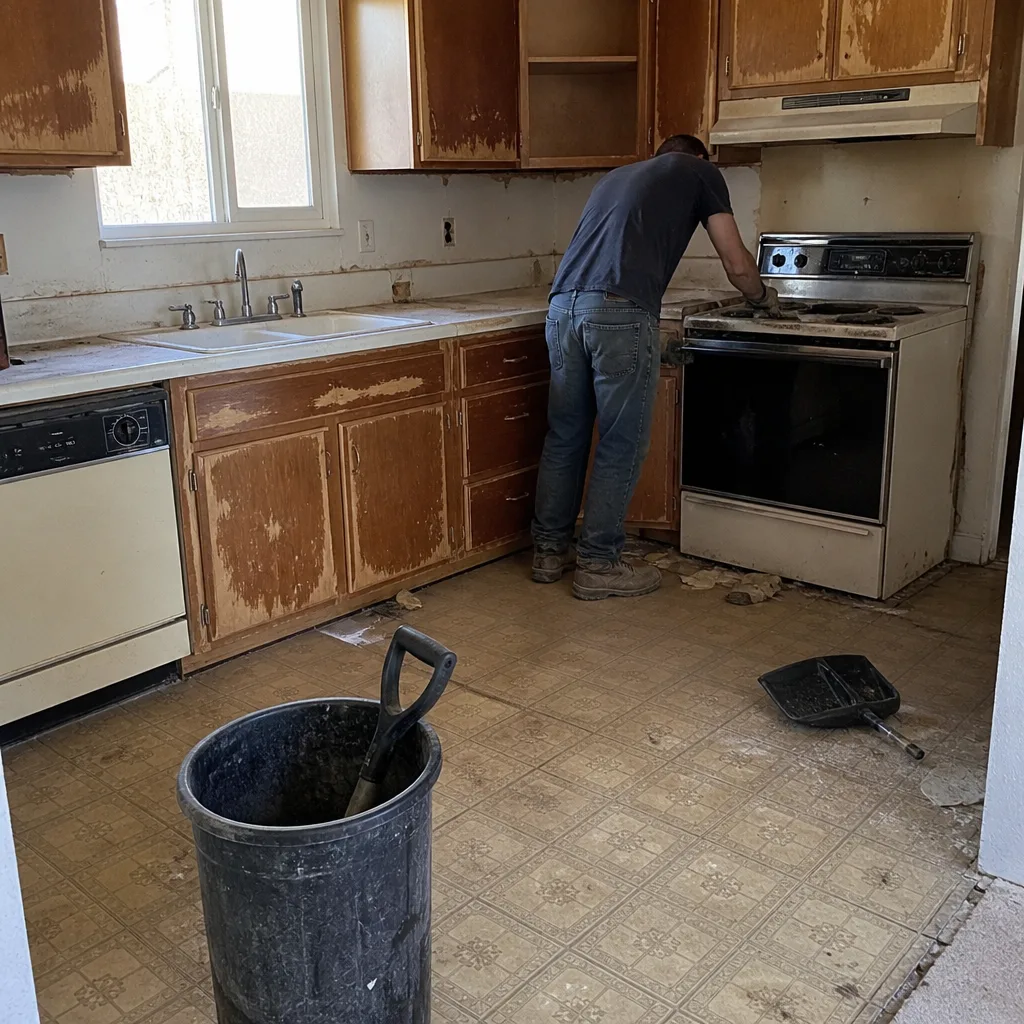
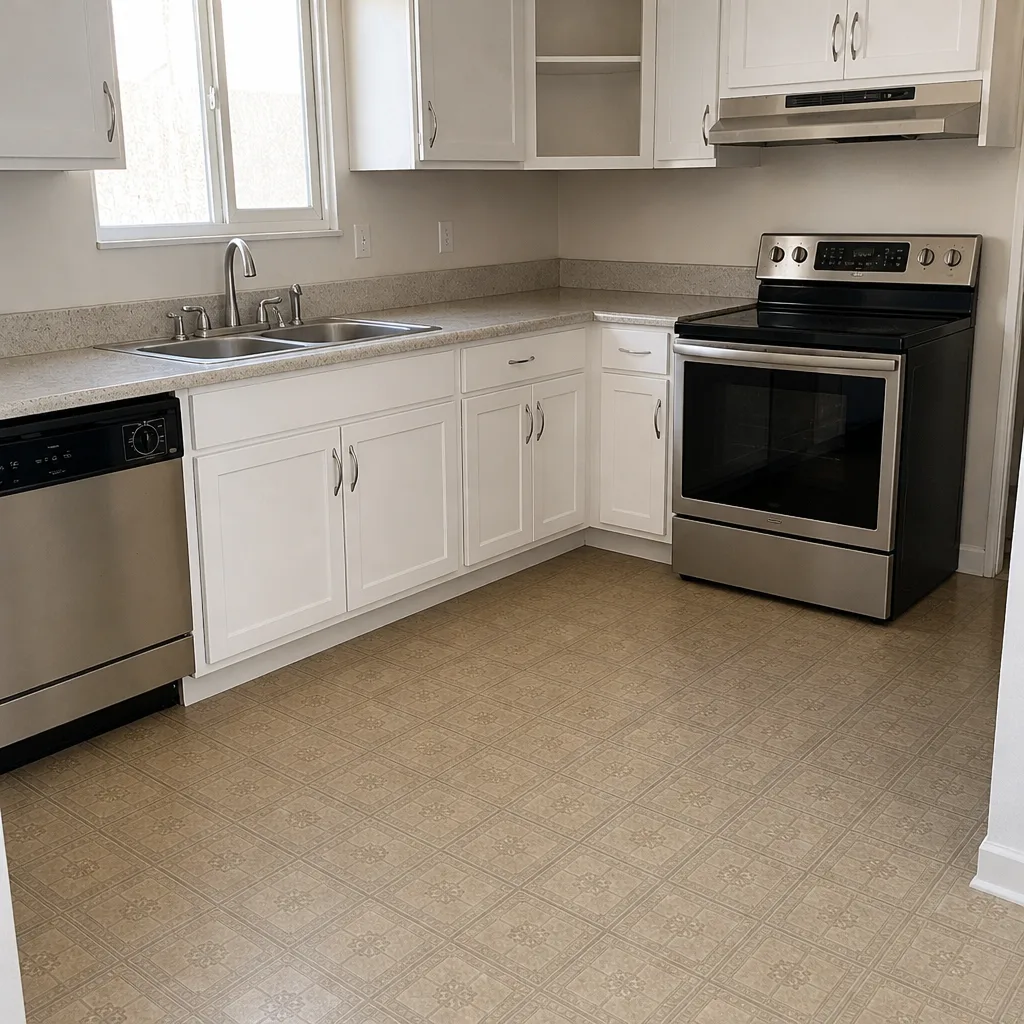
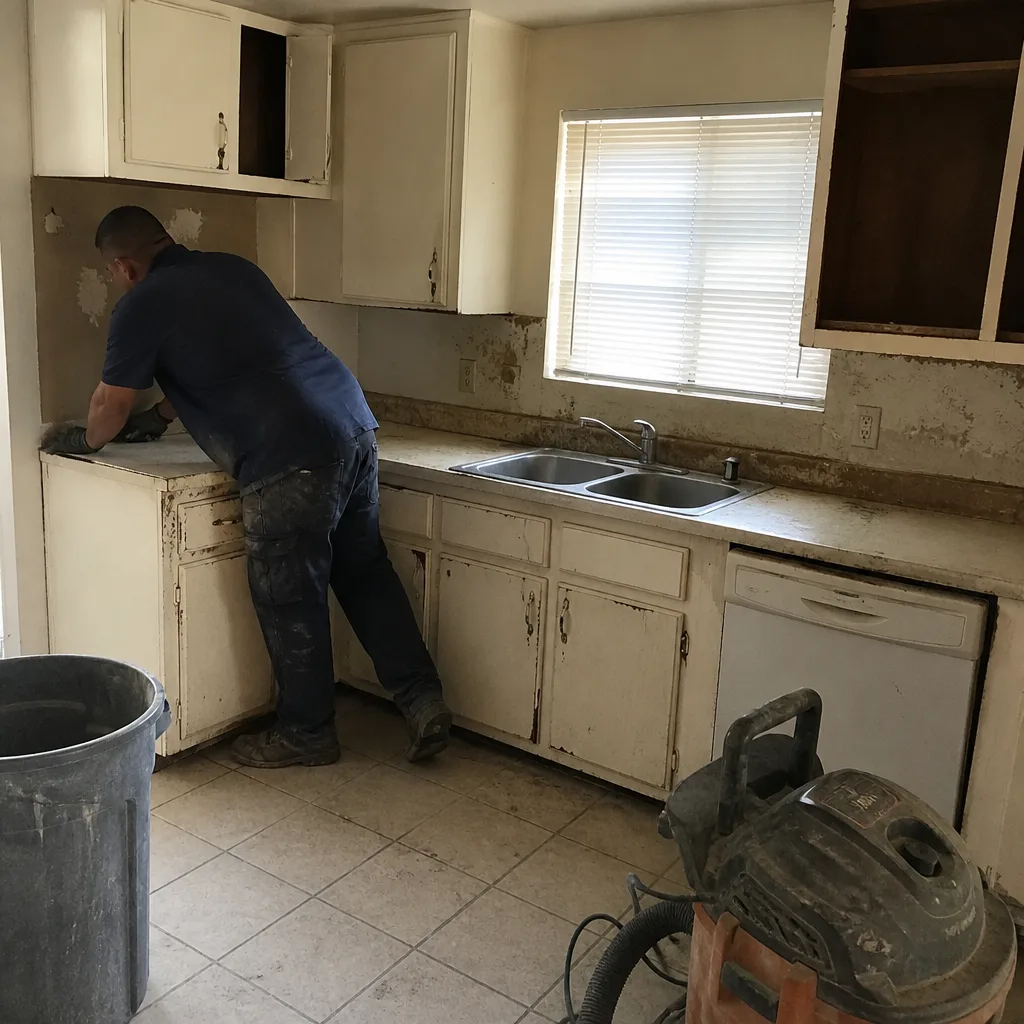
See the difference
 Before
 After
 Before
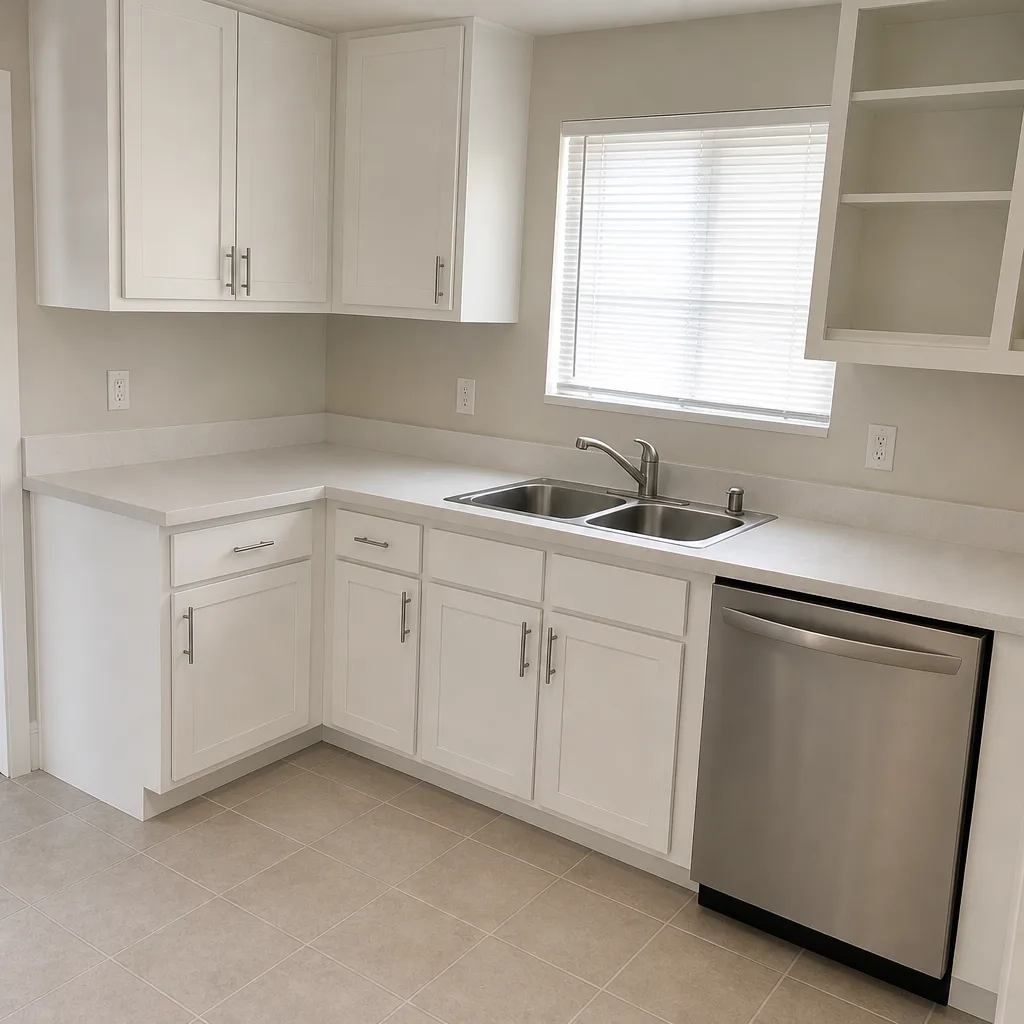 After
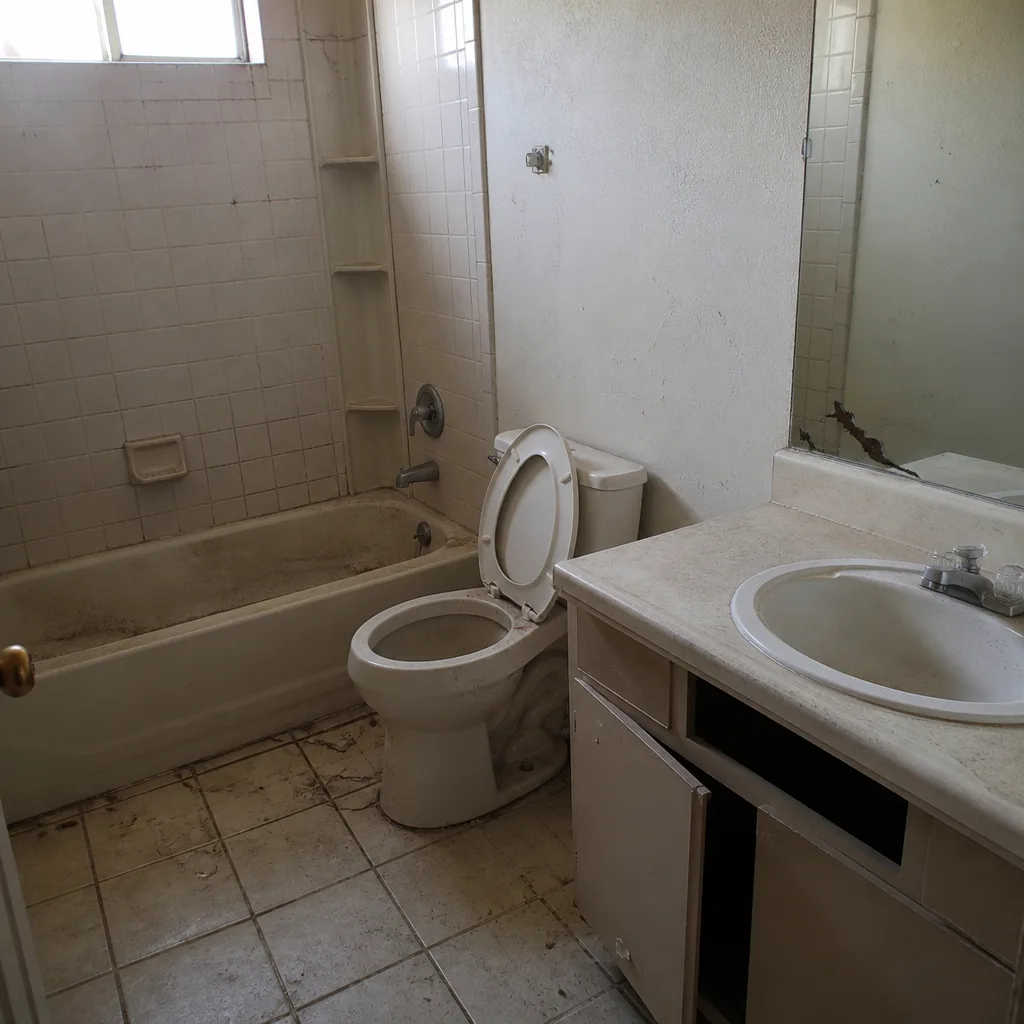 Before
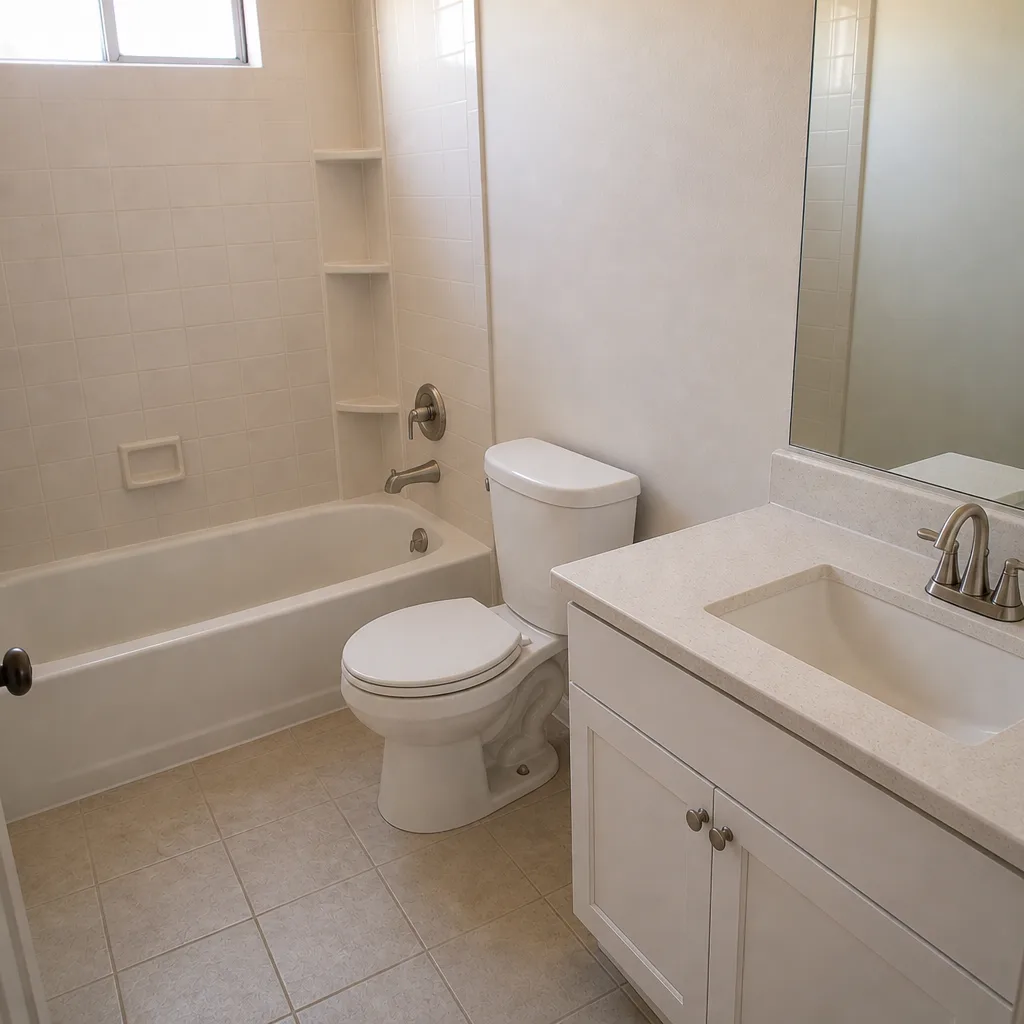 After
When to Call a Professional
Call a professional immediately when water is flowing you can’t stop, when you smell gas, when you smell burning at the panel, or when the indoor temperature is climbing past 95°F and anyone in the home is vulnerable. Call within business hours for non-urgent post-remodel issues – a drip under a new sink, a hairline crack in tile, a door that won’t close right. For anything structural, gas, or electrical, don’t diagnose it yourself; call a licensed trade. If your emergency involves damage to a recent remodel, Penhallow Remodeling Whitney offers free estimates in Whitney, with a written price before any work starts and the 365-Day Done Right Promise behind every repair. Call (833) 721-7402 to schedule a free estimate – a live person answers, day or night. You can also browse our Penhallow Remodeling Whitney home page to see the full scope of what we handle.
Frequently Asked Questions

In most Whitney tract homes it’s on the front street-facing exterior wall, usually inside a small green or tan plastic box near the hose bib. Older homes sometimes have it at the meter box near the sidewalk. Turn it clockwise to close, and test it quarterly so it doesn’t seize. If you can’t turn it, call a plumber – a stuck shutoff is a real problem, not a small one.
Photograph the damage before you clean up, then move furniture and rugs off wet flooring, and set up fans to dry. Don’t caulk over wet stucco or thresholds. Call a general contractor for assessment – temporary measures buy hours, not weeks. For a free estimate on repairs, call (833) 721-7402.
Below 90°F indoors, most healthy adults can manage with fans and hydration. Above 95°F sustained for a few hours, elderly and infant household members should relocate. Above 100°F indoors, treat it as an evacuation event. The indoor temperature of a Whitney home climbs roughly 5-8°F per hour with a failed AC in peak summer.
If there’s active water flow you can’t stop, a gas smell, an electrical burning smell, or structural movement, it’s an emergency – call your contractor’s emergency line. Everything cosmetic or non-damaging is a callback. Document both the same way: photos with scale, a written message with date and time, and a reference to the original warranty. A written guarantee should tell you exactly what the contractor owes you when work fails.
Often yes. Structural repairs, drywall replacement over a certain size, electrical work, and plumbing line replacements typically require a permit, even after storm damage. A licensed contractor pulls the permit for you and gets the final inspection signed off – that sign-off is the record that proves the work was done to code. Keep it with your home documents.
A meaningful written guarantee spells out coverage period, what’s covered, and what happens if work fails – including a defined response. At Penhallow Remodeling Whitney, every project carries the 365-Day Done Right Promise, and if a repair fails inside the first year, we come back and fix it at no charge. Call (833) 721-7402 for a free estimate and to review the guarantee in writing before any work starts.
The Bottom Line
Construction emergencies in Whitney aren’t dramatic – they’re predictable. Water intrusion in monsoon season, HVAC failure at peak heat, gas concerns from aging fittings, and post-remodel failures inside a warranty window. The homeowner who has located and tested their three shutoffs, built a one-page response plan, and keeps their warranty, insurance, and permit records in one grab-and-go folder is the homeowner who turns a displacement event into a contained repair. If you’re planning a remodel, ask for the price, the guarantee, and the emergency contact in writing before work starts. That’s the difference between a project and a protection plan.
Written by the team at Penhallow Remodeling Whitney.