
Last updated November 18, 2026








Free written scope consultation - allowances, timeline, and change-order rules on paper before a single trade is scheduled
Construction Warning Signs: A Whitney Homeowner’s Reference Guide
A hairline crack in stucco that you can cover with your thumbnail is a $200 caulk job. That same crack, unaddressed through one monsoon season, can be the entry point for moisture that costs $4,000 to remediate. The warning sign didn’t change. The response window closed. That’s the gap this guide is built to close for Whitney homeowners. What follows is a reference you can actually use: how to read the physical signs inside and outside your house that say a remodeling problem is developing, what each one usually costs to fix at the early stage, and what it costs once it’s been ignored. We’ll cover stucco, interior red flags after a remodel, roof and attic signals specific to Whitney’s UV and thermal load, plumbing warning signs that surface months later, and how to document what you’re seeing so any contractor you call has to answer with specifics.
Quick Answer
The most common construction warning signs Whitney homeowners should watch for are hairline-to-pattern stucco cracking, nail pops and door-frame racking after a remodel, grout cracking at tile joints, granule loss and ridge cap lift on the roof, decking discoloration visible from the attic, and slow drains or cabinet-base softness months after plumbing work. Each sign has a cheap early-fix window and a much more expensive late-fix window. Catching them in the first 90 days after you notice them is what keeps a $200 – $600 repair from becoming a $4,000 – $12,000 remediation.
Styles & brands we work with
- Kitchen remodeling
- Bathroom remodeling
- Home additions & ADU
- Roofing
- Windows & doors
- Driveway & pavers
- Fence
Table of Contents
- Exterior Stucco Cracking: Cosmetic vs. Structural
- Interior Red Flags After a Remodel
- Roof and Attic Signs Specific to Whitney
- Plumbing Rough-In Warning Signs Months Later
- How to Document a Warning Sign Before You Call
- What Early Repair vs. Late Repair Actually Costs
- Common Mistakes to Avoid
- When to Call a Professional
Exterior Stucco Cracking: Cosmetic vs. Structural
Stucco is the default exterior for most of the Whitney housing stock built in the last 25 years, and it cracks. That’s not a defect, it’s a property of the material. The question is which cracks matter. Here’s how to read them without a moisture meter.
Hairline cracks are the ones you can cover with a thumbnail. They’re usually 1/32 of an inch or narrower, they run in random directions, and they’re caused by normal thermal expansion and the initial cure. In Whitney, the swing from a 40°F winter morning to a 65°F afternoon is enough to move stucco a few thousandths of an inch, and over a few seasons that shows up as hairlines. These are cosmetic. A proper elastomeric caulk and a color-match touch-up runs $150 – $400 for a typical single-story elevation.
Pattern cracking is the one to study. If the cracks form a map-like or spiderweb pattern across a broad section of wall, or if they run in a stair-step diagonal from the corner of a window or door, the substrate underneath (the layer the stucco is bonded to) is moving. Two specific patterns to know:
- Stair-step diagonal from a window or door corner. This often points to a missing or undersized control joint at that opening, and it lets water into the wall cavity at exactly the spot where the flashing is thinnest.
- Map cracking covering a 4-foot-by-4-foot area or larger. Usually a sign the stucco was applied too thin, or over a substrate that wasn’t properly cured. Water gets behind the coat and the bond breaks down from the inside.
Efflorescence is a chalky white bloom on the surface. It’s salt pushed out by moisture moving through the stucco from behind. If you see it once after a rain, treat it as a monitor item. If it comes back in the same place every season, moisture is entering somewhere and needs to be traced before it reaches the framing.
For bigger repairs that involve re-stuccoing a section of wall or correcting substrate, this becomes a general contractor in Whitney conversation rather than a handyman job, because the fix depends on what’s behind the wall.
Interior Red Flags After a Remodel
The first six months after a kitchen or bathroom remodel are when the quality of the substrate work shows itself. Substrate, if you haven’t had it explained: it’s the layer under the finished surface. Under tile, it’s typically a cement board or a bonded waterproof membrane. Under drywall, it’s the framing. Good substrate work is invisible. Bad substrate work is not, and it announces itself on a schedule.
Nail pops
Small circular bumps in the drywall, usually with a hairline crack radiating out. Some nail pops are normal settling within the first year, especially with new framing. But if you see more than three or four in one room within six months of a remodel, the drywall was likely fastened with nails instead of screws, or the framing wasn’t fully dried when it was hung. A repair is small (a patch and repaint, $75 – $200 per pop if you hire it out), but the pattern tells you something about the rest of the room.
Door-frame racking
A door that used to close cleanly and now catches at the top or the strike side. Look up at the corner of the door frame where it meets the wall. If there’s a crack opening there, the header over the door is moving. This can be ordinary seasonal wood movement, or it can point to a load issue. If the racking shows up in two or more doorways in the same house, get it looked at.
Grout cracking at tile joints
Cracking grout in a shower is not a grout problem. It’s a substrate or movement problem showing through the grout. If the crack runs along a single line (often the change of plane between floor and wall), it usually means the tile was set without a proper flexible sealant at the corner joint. If the cracks form an X or a set of spreading lines across the field of tile, the tile is debonding from the substrate underneath.
Shower tile that’s debonding is worth addressing fast. Water behind tile reaches the framing within a few months, and remediation of a shower with compromised substrate typically runs $3,500 – $8,000 because the tear-out is followed by new substrate, waterproofing, and tile. Regrouting alone is $300 – $700 and buys time if caught early.
Roof and Attic Signs Specific to Whitney
Whitney’s summer roof surface temperatures routinely push 160°F to 180°F, and the daily thermal swing is harder on a roof than the peak heat itself. Roofing materials that perform for 20 years in a milder climate can show wear at 12 in Whitney. Three signs matter most here.
Granule loss patterns
Granules on an asphalt shingle are the UV shield. New shingles from any of the major manufacturers (CertainTeed, Owens Corning, IKO and Atlas all make lines installed widely in this market) shed a few granules in the first year. That’s normal. What’s not normal is finding significant granule accumulation in the gutters after year three, or seeing bare patches on south- and west-facing slopes while the north slope still looks new. Uneven granule loss concentrated on the sun-facing planes is the earliest sign the shingles are nearing end of life. Plan the replacement before the next monsoon season rather than after.
Ridge cap lift
Look up at the peak of the roof. The ridge cap shingles should lay flat and overlap cleanly. If you can see daylight under the edges, or if the caps are curling up at the corners, the adhesive strip has failed. In Whitney this happens faster than in cooler markets because the sealant strip gets cycled through hundreds of hot days. A ridge cap lift is a $400 – $900 repair on a typical home, and it’s the difference between a shingle blowing off in a wind event and staying put.
Decking discoloration from the attic
This is the one most homeowners never check. Go into the attic with a flashlight on a sunny day and look at the underside of the roof deck. It should be a uniform wood color. Gray or black staining on the underside, especially concentrated over a room, means moisture is getting past the roof covering or condensing against the deck. Look for rust on the nail tips too. Discoloration without visible roof damage on the outside often points to a ventilation problem rather than a flashing leak, and the fix (improved intake and exhaust ventilation) is usually $1,200 – $2,800 versus $8,000 – $15,000 for premature deck replacement.
Plumbing Rough-In Warning Signs Months Later
Plumbing rough-in is what happens behind the wall before the fixtures go in. When it’s done well, you never think about it. When it’s done poorly, the signs show up months after the final walkthrough, usually in a pattern.
Slow drains in new tile showers
A new shower drain that starts slow within six to twelve months usually has one of two causes. The first is a drain slope issue in the rough-in: the pipe wasn’t pitched correctly, so water pools in the trap arm and drains slowly. The second is construction debris (grout, thin-set, tile spacers) that went down the drain during the install and is partially blocking the trap. A plumber can often tell the difference with a camera in 20 minutes. The camera inspection runs $150 – $350. If it’s the trap, it’s $200 – $500 to clear. If it’s pitch, the floor has to come up, which puts you back into the $3,500 – $8,000 shower rebuild territory.
Water staining at baseboard level
A faint brown or dark line along the bottom of baseboards, particularly on the wall shared with a bathroom or kitchen, is a classic sign of a slow supply-line drip or a failed shower pan. Check the wood: if it’s soft when you press a fingernail into it, moisture has been there for weeks at least. Early detection keeps this to a $400 – $1,200 fix (locate, open the wall, repair, patch and paint). Detection after the framing has begun to rot runs $4,000 – $12,000 because you’re replacing framing, not just drywall.
Cabinet base softness near supply lines
Open the cabinet under the sink and press a thumb into the bottom panel near where the supply lines come through. If the panel yields or feels spongy, water has been getting in slowly from a compression fitting or a shutoff valve. This is a $200 – $500 fix per cabinet base if you catch it while the base is still structurally sound and can be dried and sealed. If the base has swelled and started delaminating, the cabinet has to be replaced, and replacing a base cabinet in a fitted kitchen runs $600 – $1,800 depending on the cabinet line.
When these signs surface inside a recently remodeled bathroom and the fix touches waterproofing or fixtures, this belongs with a crew that does bathroom remodeling in Whitney and can carry both the waterproofing and the finish through to close, rather than a plumber who patches and leaves the wall open.
How to Document a Warning Sign Before You Call
A contractor can give you a much more useful answer, and a written price you can hold them to, when you arrive with real documentation instead of a vague description. Here’s the process we recommend to every homeowner who calls us with a concern.
- Photograph with a scale reference. Place a coin, a tape measure end, or a ruler next to the crack or stain, then take a photo from 12 inches away and a second photo from 4 feet away. The close shot shows size, the wide shot shows location on the wall.
- Measure and record. Write down the crack length, whether it’s a single line or branching, and take a pencil line trace of the outer extent if you can. If the line moves over a week, that’s a critical detail.
- Date everything. Photograph on day one, day seven, and day thirty. A crack that’s stable over a month is a different repair from one that’s growing 1/16 of an inch a week.
- Note weather and season. “Cracked after the first monsoon rain in July” tells a contractor more than “cracked recently.” Whitney’s monsoon window from roughly July into September drives most of the water intrusion we address.
- Photograph adjacent areas. The wall inside and outside the same spot, the floor below the crack, the ceiling above it. Water travels, and the source is rarely at the visible stain.
- Write down what was recently done. If the warning sign follows a remodel within two years, note the dates and the specific work. That changes the conversation with any contractor you call, and it can also inform whether coverage or a callback applies.
With that packet in hand, you’re in a position to ask for a written finding, not just a verbal guess. And you can hold the contractor to it: the number on the written price at day one should match the number on the invoice when the work is done, unless you’ve specifically approved a change order in writing. That’s the standard we work to under our kitchen remodeling in Whitney and bathroom work, and it applies to a diagnostic visit the same as a full remodel.
What Early Repair vs. Late Repair Actually Costs
The thesis of this whole guide is that warning signs don’t change, only the window to respond does. Here’s the cost picture by category. These are ranges we see for typical single-family homes in Whitney, and they’re written to be useful, not to be a quote.
- Stucco hairline crack, caulk and touch-up: $150 – $400 early. Stucco pattern crack with moisture intrusion: $3,500 – $6,000 late, including trace, remove compromised coat, correct flashing, re-stucco.
- Shower grout recaulk with proper sealant joint: $300 – $700 early. Shower tear-out and rebuild on failed substrate: $3,500 – $8,000 late.
- Slow drain, camera inspection and clear: $150 – $500 early. Drain slope correction, floor and shower rebuild: $3,500 – $8,000 late.
- Baseboard water stain, locate and repair: $400 – $1,200 early. Framing rot and wall rebuild: $4,000 – $12,000 late.
- Ridge cap re-seal or re-cap: $400 – $900 early. Roof replacement after wind and water damage: $9,000 – $22,000 late, depending on roof size and pitch.
- Attic ventilation correction: $1,200 – $2,800 early. Deck replacement on premature failure: $8,000 – $15,000 late.
- Nail pop patch and repaint: $75 – $200 per pop. Whole-room drywall re-work if fastening is failing broadly: $1,200 – $3,000 late.
Every one of those columns is roughly 10 to 20 times apart. The point of catching warning signs early isn’t to save a little. It’s to avoid a different repair category altogether.
Common Mistakes to Avoid
- Painting over a stain or crack instead of diagnosing it. Paint hides the sign, not the water. The discoloration you cover today will be a soft spot in six months. If you cover it, at least photograph it first with a scale reference so a contractor can still assess it.
- Assuming a crack is “settling” because a neighbor has one too. Stucco cracking is common in every Whitney neighborhood because the climate is hard on stucco, not because every crack is cosmetic. Same-looking cracks can point to very different causes on adjacent houses.
- Waiting for the next monsoon to test it. If a warning sign is going to turn into a repair, the cheapest time to fix it is before the rainy season, not after. Contractors in Whitney get booked out fast when the weather turns, and a two-week wait in May is a six-week wait in August.
- Accepting a verbal ballpark and no written number. If a contractor can’t put the price in writing before work starts, you have no basis to hold them to anything. A written price is the floor, not a bonus.
- Letting a slow drain “clear itself.” Sometimes a trap clears. But if the drain has been slow for three weeks or more, it’s not debris, it’s pitch. Get it scoped and know.
- Skipping the attic check entirely. The attic is where the earliest and cheapest-to-fix moisture signs live. Ten minutes with a flashlight in May saves thousands in September.
- Not writing down the date the sign appeared. “At some point this winter” is much less useful than “new crack visible on February 12.” The date tells the contractor what weather event or work may have triggered it.
When to Call a Professional
Some of what’s in this guide you can monitor yourself. Some of it needs trained eyes within the week. Call a professional promptly if you see: any diagonal crack walking from a window or door corner, any pattern cracking larger than a dinner plate, ridging or lift in the ridge cap, dark staining on the underside of roof decking, water staining at baseboards that’s still spreading after a day, a slow drain that’s persisted for three weeks or more, or a shower floor that flexes underfoot. In our experience, those signs are not ones to sit on. Whitney summers are hard on every system in the house, and each of those lists can move from a small repair to a structural conversation faster than most homeowners expect.
Penhallow Remodeling Whitney offers free estimates in Whitney. Call (833) 721-7402 and we’ll walk the property with you, photograph and measure what we see, and give you a written price before you decide anything. No pressure, no change-order surprises, no voicemail maze. Backed by the 365-Day Done Right Promise on every project: if it’s not done right, we make it right, in writing.
See the difference
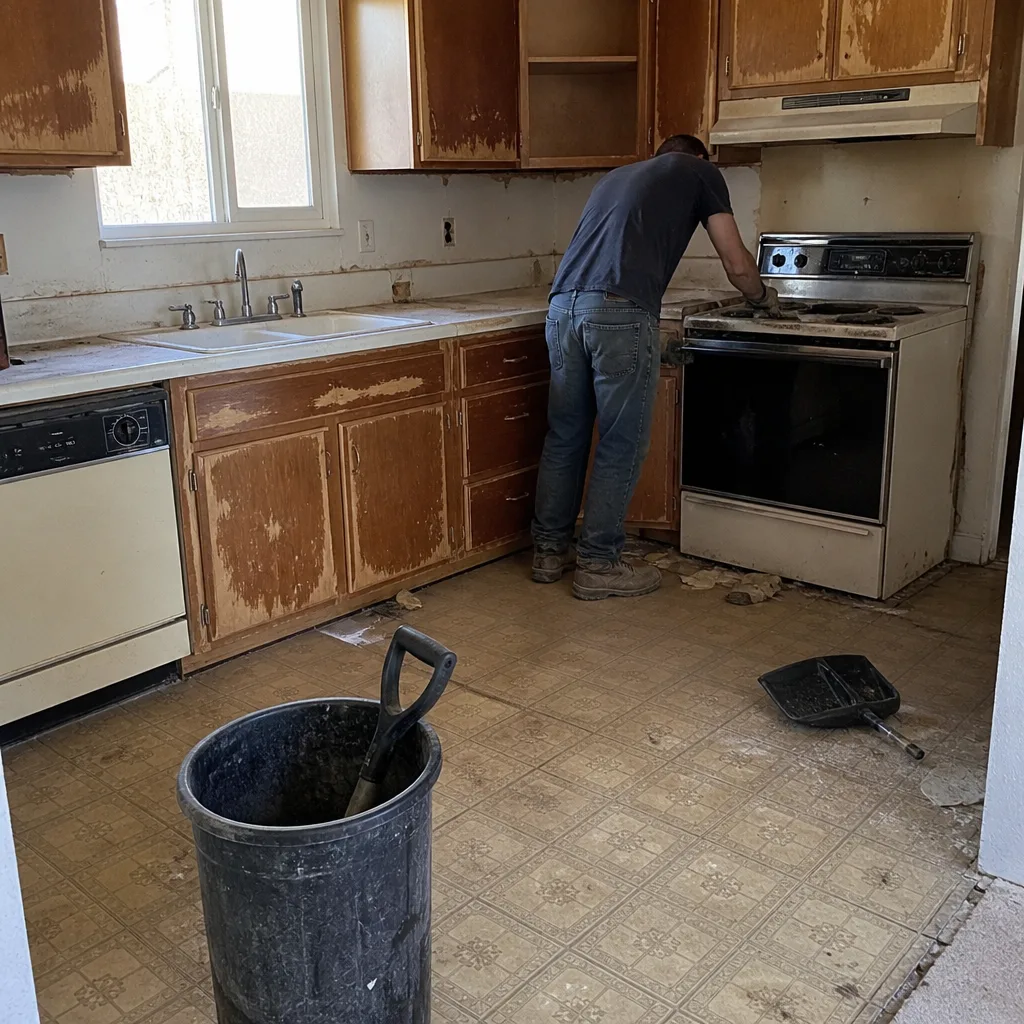 Before
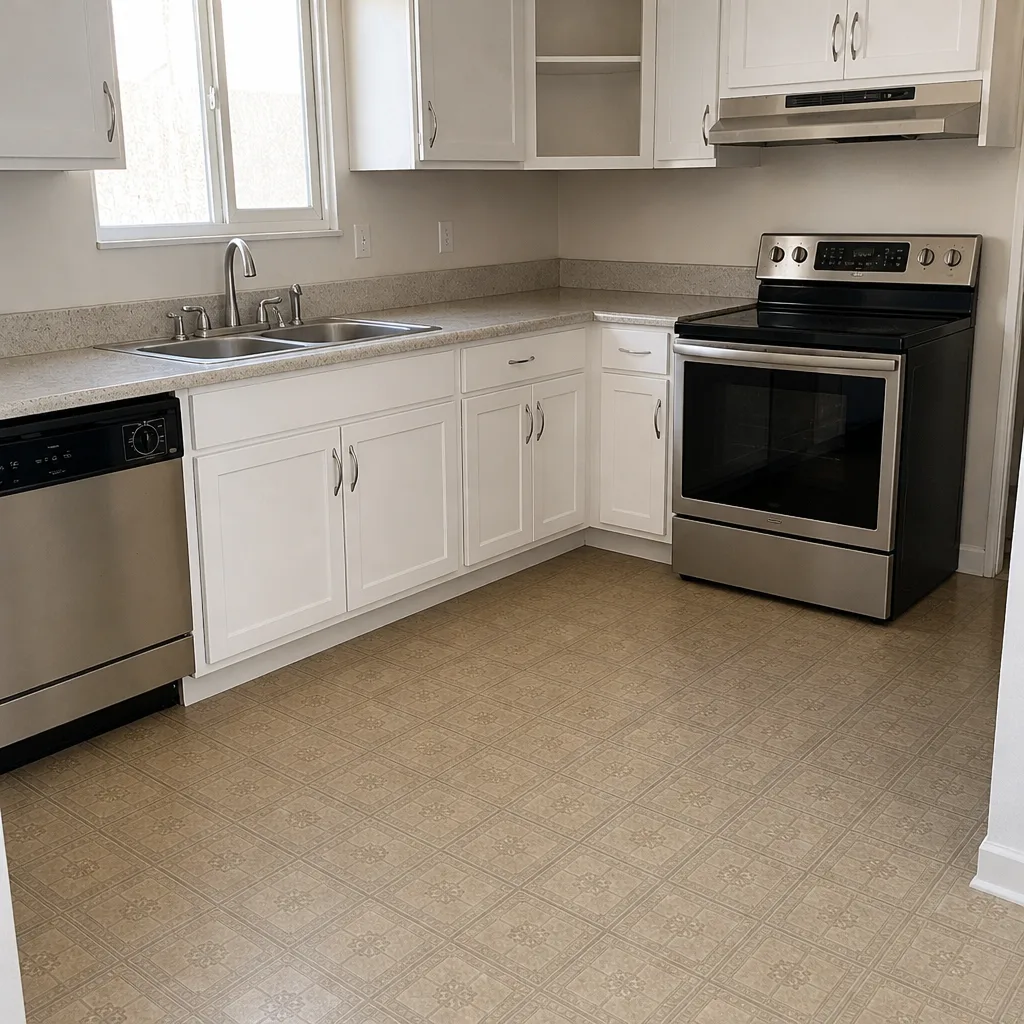 After
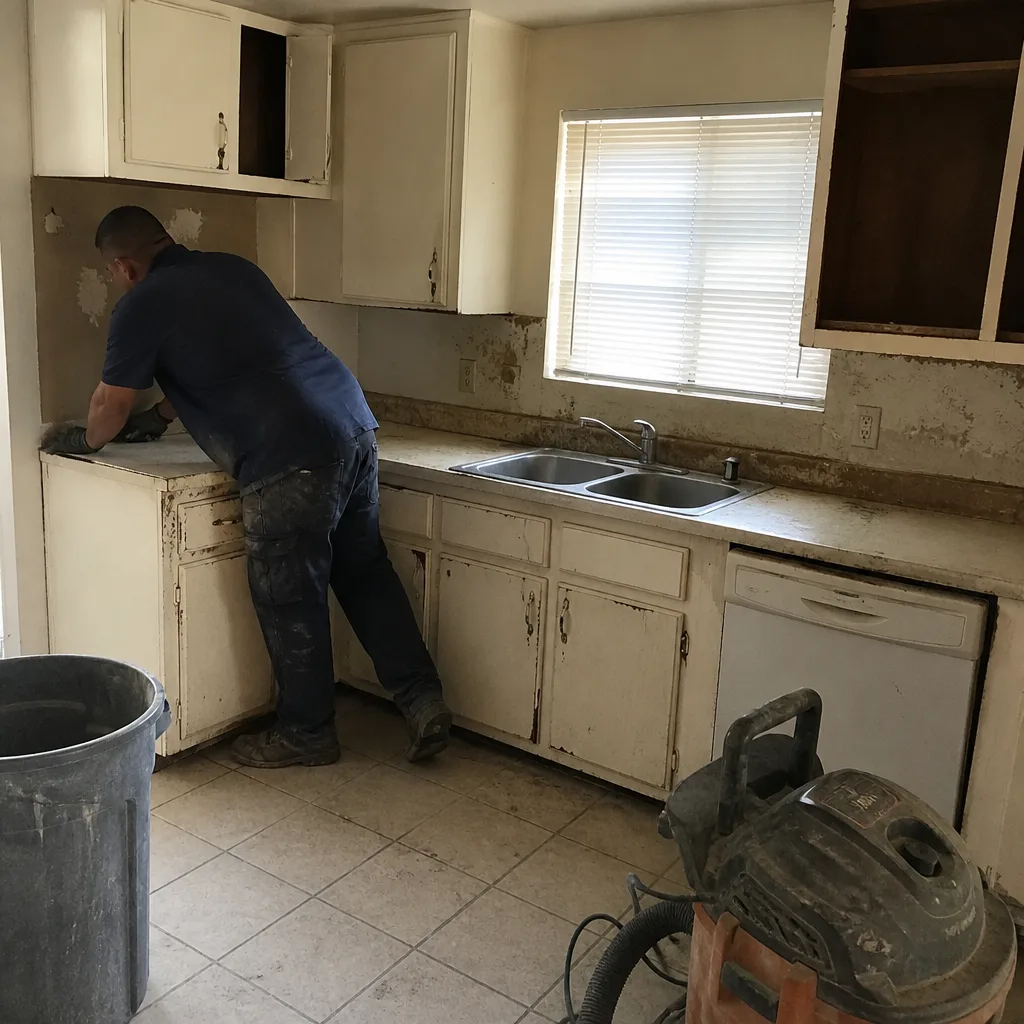 Before
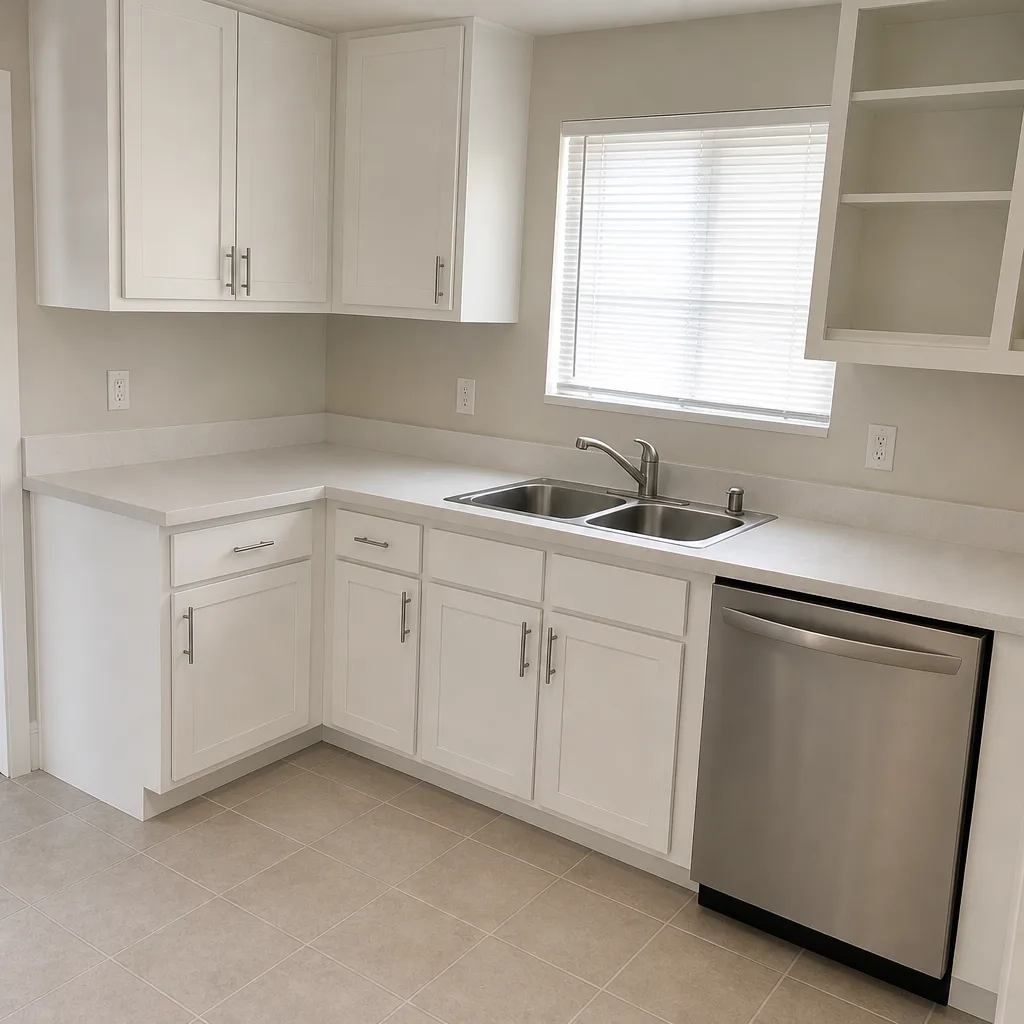 After
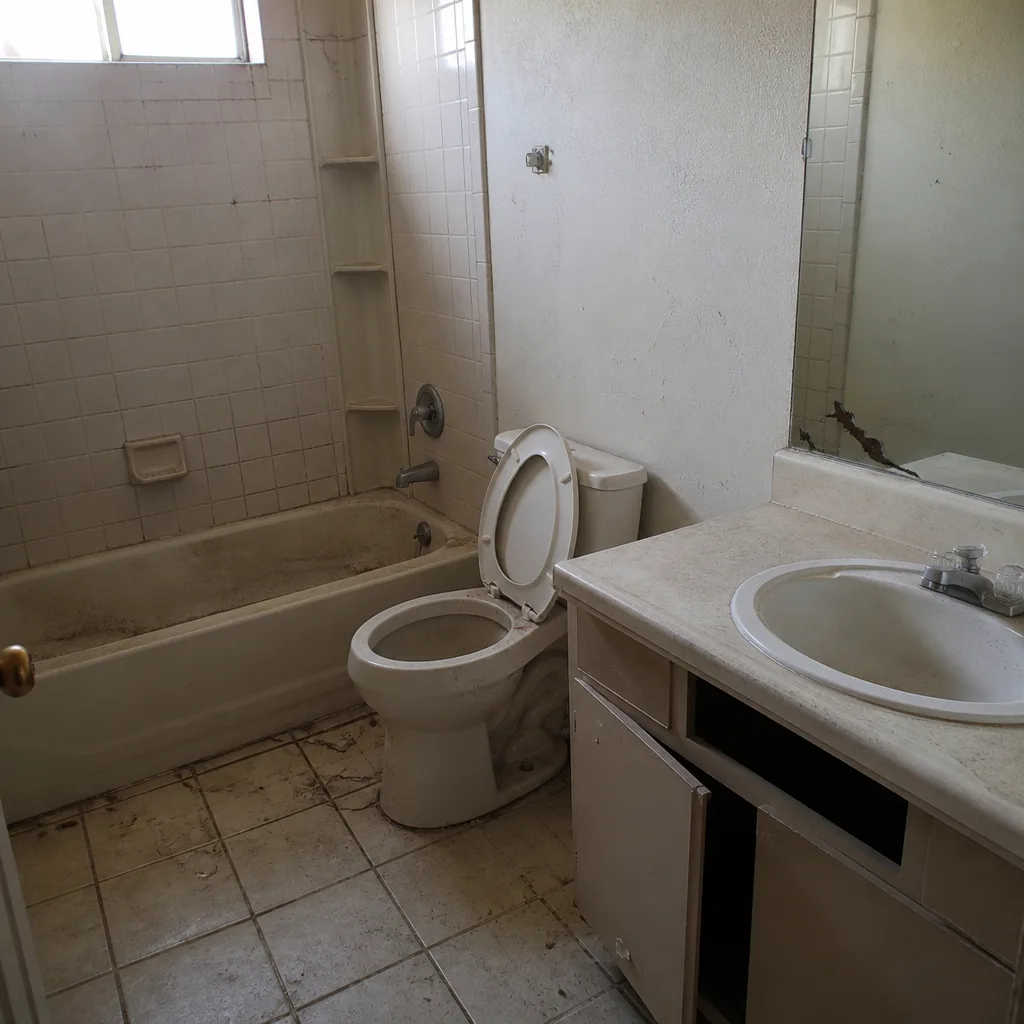 Before
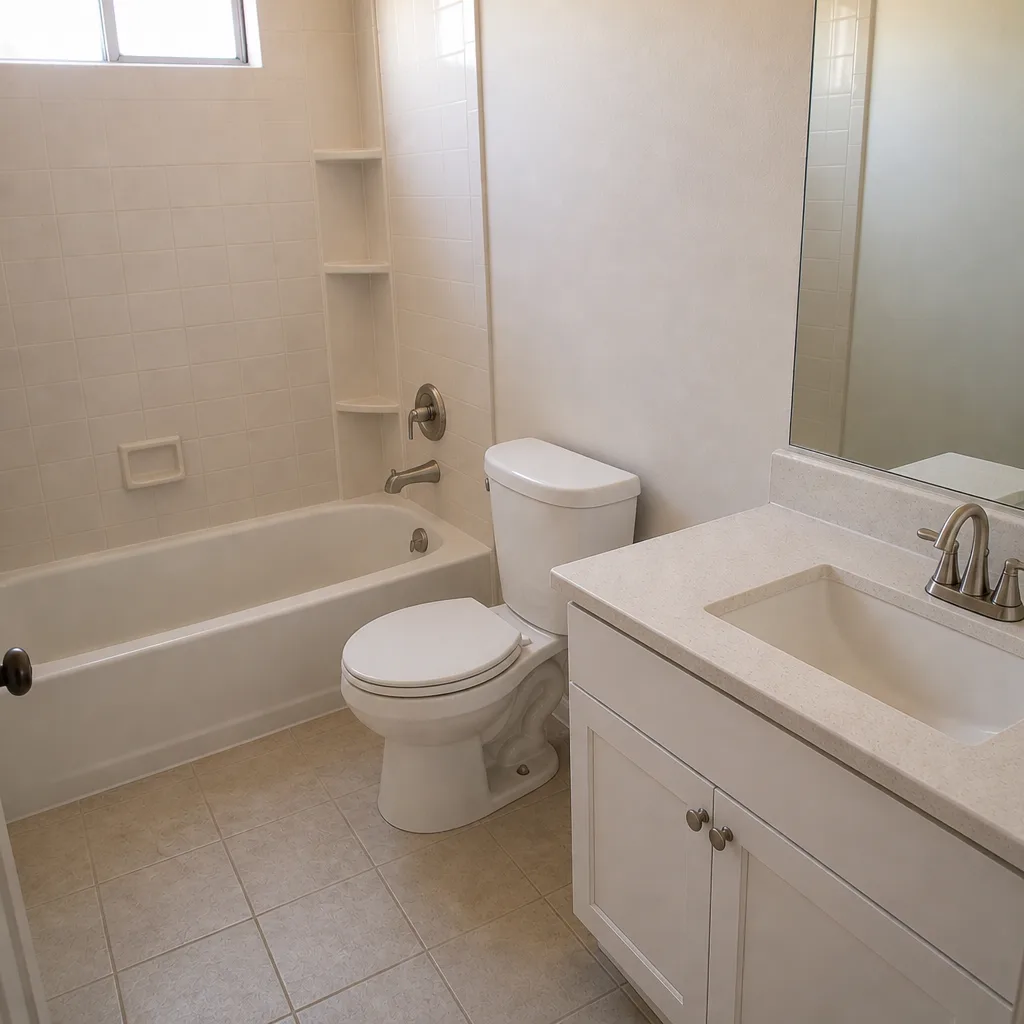 After
Frequently Asked Questions

Cosmetic cracks are thin enough to cover with your thumbnail and run in random directions; structural cracks are wider, form map patterns, or run in a diagonal stair-step from a window or door corner. If the crack is wider than 1/16 of an inch, forms a pattern, or traces diagonally from a corner, have it examined by a professional. Call (833) 721-7402 for a free assessment in Whitney.
A few nail pops in the first year are ordinary settling. More than three or four in a single room within six months usually points to nails instead of screws or framing that wasn’t fully dry when hung. Either way, a professional walk-through will tell you whether the rest of the room is sound. Call (833) 721-7402 and we’ll look.
Most plumbing rough-in problems surface between three and twelve months after a remodel completes. Slow drains in a new shower, faint staining at baseboard level, or soft cabinet bases near supply lines are the three most common. If you’re seeing any of those, get a camera scope and a written finding before the water damage spreads. Call (833) 721-7402 for a free estimate.
Roof surface temperatures in Whitney routinely reach 160°F to 180°F, and the daily thermal swing is harder on shingles than constant heat. Granule loss and ridge cap lift show up years earlier than they would in a milder climate. If your shingles are losing granules on the south and west slopes while the north slope still looks new, plan the replacement before the next monsoon. Call (833) 721-7402 and we’ll give you a written price to review.
Photograph the sign with a ruler or coin for scale, note the date it first appeared, take follow-up photos at one week and one month, and write down what work was recently done on the house. With that packet, any contractor can give you a written finding and written price instead of a verbal guess. Call (833) 721-7402 to schedule a free estimate.
Ask for a written price before any work begins, and ask whether the price is fixed or subject to change. A written number is what you can hold the contractor to. At Penhallow Remodeling Whitney, every homeowner gets a written price before work starts and a written guarantee included with every job, backed by our 365-Day Done Right Promise. If a repair fails inside the guarantee period, we come back and fix it at no charge. Call (833) 721-7402 for a free estimate.
The Bottom Line
The warning signs of a developing construction problem don’t change. Only the window to respond does. Hairline stucco cracks, nail pops, grout lines, granule patterns, ridge caps, small attic stains, and slow drains are all cheap to fix in the first 30 days and expensive to fix in the first year. For Whitney homeowners, the highest-value habit in the house is a ten-minute attic check and a dated photo of anything that looks new. Take that packet to any contractor you call, ask for a written price and a written guarantee, and hold them to it. Give us a call at (833) 721-7402 and we’ll walk the property with you and put the findings in writing.
If you’re planning a bigger project and want to understand the process end to end, start with our Penhallow Remodeling Whitney home page, and if you’re comparing bids for upcoming work, read our guide on what a general contractor in Whitney actually does before you sign anything.
Written by the team at Penhallow Remodeling Whitney.