
Last updated November 18, 2026








Free written scope consultation - allowances, timeline, and change-order rules on paper before a single trade is scheduled
Home Remodeling Troubleshooting: Common Problems and How to Fix Them
Here’s a number that surprises most homeowners: the majority of problems that surface during a remodel are not caused by defective work. They fall into a small set of predictable categories. A crack in fresh drywall mud along a tape line is normal and gets fixed in five minutes. A crack that follows the stud line and widens over two weeks is a different animal entirely. Telling those apart before you pick up the phone is the difference between a free warranty fix and a paid revisit. This guide gives you a way to classify what you’re looking at, document it properly, and know who owns the problem before you call anyone. If you’re remodeling in Whitney, the climate and housing stock here create a few specific patterns worth knowing.
Quick Answer
Most home remodeling problems fall into three categories: cosmetic (paint, caulk, trim), functional (door swing, outlet placement, cabinet alignment), and structural (settlement cracks, water intrusion). Cosmetic and functional issues are almost always covered by your contractor’s workmanship warranty and get resolved on a return visit. Structural problems need professional evaluation before anyone touches them. The right first step is always the same: document the problem with scaled photos and a written timeline, then report it in writing rather than by text message or phone call.
Styles & brands we work with
- Kitchen remodeling
- Bathroom remodeling
- Home additions & ADU
- Roofing
- Windows & doors
- Driveway & pavers
- Fence
Table of Contents
- The Three Problem Types: Cosmetic, Functional, and Structural
- How to Document a Problem Before You Make the Call
- What a 365-Day Workmanship Guarantee Actually Covers
- Manufacturer Warranty vs. Workmanship Warranty: Know the Difference
- When to Bring in an Independent Inspector
- How to Report a Problem in Writing (With a Script)
- What a Reasonable Response Timeline Looks Like
- Whitney-Specific Problems We See Most Often
The Three Problem Types: Cosmetic, Functional, and Structural
Before you call anyone, figure out which of these three buckets your problem belongs in. It changes the resolution path entirely.
Cosmetic problems
Paint imperfections, caulk gaps at a backsplash, a door that doesn’t sit flush with trim, a cabinet pull that’s slightly off-level. These are the most common callbacks and the least serious. On a kitchen remodel, a hairline crack in the caulking where the countertop meets the backsplash is usually the caulk itself, not the counter. It flexes differently than the cabinet below it. This is a five-minute fix that belongs on your contractor’s punch list, and any written workmanship guarantee should cover it.
Functional problems
A door that swings and clips the floor, an outlet that ended up behind a cabinet, a drawer that rubs the frame, a shower valve that runs backward. These are installation errors, not material failures. They’re covered by workmanship guarantees and get fixed by the original crew. A functional problem is annoying but not urgent. The one exception is anything electrical or plumbing: an outlet that doesn’t work at all or a drain that backs up needs to be called in the same day.
Structural problems
A crack that runs along a stud line, water staining on drywall after a rain, a floor that bounces or dips, a beam that appears to sag. These need professional evaluation before anyone touches them. In Whitney, the combination of clay-heavy soil and dry summer conditions means foundation movement is real, and a crack that widens over two weeks tells you something is actively moving. Don’t patch a structural crack. Diagnose it first.
How to Document a Problem Before You Make the Call
The single biggest reason a repair takes three visits instead of one is a vague report. “The tile looks weird” gets a confused callback. A photo with a ruler next to it and a note about when it appeared gets a crew sent out with the right materials. Here’s the process that works.
- Photograph with a scale reference. Lay a tape measure or a coin next to the problem and shoot straight on, not at an angle. Take one wide shot showing the whole wall or floor, then a close shot with the scale.
- Write down when it first appeared. “I noticed it Tuesday morning” is more useful than “recently.” Note whether it was after a particular event: a rainstorm, a temperature drop, a heavy item being placed above it.
- Note what’s changing. Photograph again in 72 hours with the same scale and angle. If a crack has widened, the second photo proves it. If it hasn’t, you’ve saved yourself a panic.
- Check adjacent areas. A water stain on the ceiling often originates in a bathroom one floor above, three feet to the left. Look around the problem, not just at it.
- Write a one-paragraph description. Location, appearance, date first noticed, what’s changed. This becomes the body of your written report.
For a larger picture of what a well-run remodel looks like from the start, our general contractor in Whitney page covers how we sequence a project and build the punch list in. Good documentation starts before you have a problem.
What a 365-Day Workmanship Guarantee Actually Covers
A 365-Day Done Right Promise is a real commitment, and it’s worth being precise about what it does and doesn’t cover. Here’s how we structure it, and it’s a useful yardstick for evaluating any contractor’s warranty.
- Covered: installation failures. A cabinet that separates from the wall, a tile that debonds, a trim piece that pulls away from the drywall, a door hinge that fails because it was set in the wrong place.
- Covered: material defects on our supplied materials. A caulk that cracks within the year, a paint that peels because it was applied over a wet surface.
- Not covered: manufacturer defects on fixtures and appliances. A Kohler faucet that drips from the cartridge, a cabinet door from KraftMaid that warps, a Delta showerhead that fails. These are covered by the manufacturer, and we help you file the claim, but the warranty is theirs.
- Not covered: owner maintenance items. Caulk that fails because the shower wasn’t wiped down, a countertop that’s chipped from a dropped pan, a grout line that needs re-sealing at the two-year mark.
- Not covered: damage from something else. Water intrusion from a roof leak, a wall cracked by an unrelated foundation shift. We’ll tell you what we found and who should handle it.
The test of a workmanship guarantee is what happens when something fails inside the year. Ours includes a free return visit. If the repair fails, we come back, no service call, no re-inspection fee. That’s the number on the guarantee, and it doesn’t change at the door.
Manufacturer Warranty vs. Workmanship Warranty: Know the Difference
When something goes wrong with a fixture or cabinet, the first question is always: is this a materials problem or an installation problem? The answer determines who pays.
Manufacturer warranties cover the product. Cambria quartz countertops carry a lifetime warranty against defects. Kohler and American Standard fixtures carry their own terms. KraftMaid cabinetry carries its own. These warranties exist regardless of who installed the product.
Workmanship warranties cover the installation. A well-installed cabinet shouldn’t loosen in five years. A well-set tile shouldn’t bond-fail in six months. That’s workmanship, and it’s what a 365-Day Done Right Promise covers.
Where they overlap is where homeowners get stuck. A faucet that drips from the cartridge might be a product defect (manufacturer) or a valve seat that was installed slightly off (workmanship). The way to resolve it is to have the contractor inspect first. If it’s their install, they fix it. If it’s the product, they help you file the manufacturer claim. Most manufacturers like Moen and Toto will ship a replacement part, and your contractor installs it. The free return visit should still apply for the inspection.
When to Bring in an Independent Inspector
Independent inspection is a real tool, but it’s overused and often premature. Call one when these specific conditions are true:
- The contractor has gone completely unresponsive. Not slow. Unresponsive, for two weeks or more, with no plan to return. A licensed inspector’s report gives you documentation for a complaint with your state contractor board.
- Work failed inside the warranty period and the contractor refuses to return. This shouldn’t happen with a written guarantee, but if it does, the report establishes that the failure is real, not cosmetic.
- There’s a structural concern of any kind. A crack following a stud line, a bouncy floor, a sagging beam. Structural problems always justify a third party. In Whitney, where expansive clay soil is common, a structural engineer’s assessment is often worth the few hundred dollars before you start any repair.
What an inspector doesn’t do: resolve cosmetic disputes. If your contractor is willing to return and fix a paint issue, calling an independent inspector first just costs you money and delays the fix. The inspector is for evaluation and enforcement, not for mediating a punch list.
How to Report a Problem in Writing (With a Script)
Homeowners reach us through every channel: phone, text, email, and the “contact us” form. The fastest resolutions come from written reports with the right detail. Here’s a template that works.
- Open with the project and the date. “This is about the bathroom remodel at 42 Elm Court completed on March 3. I’m reporting a problem I first noticed on April 12.”
- State the location precisely. “The back wall of the shower, about 18 inches up from the pan, on the inside corner where the tile meets the shower niche.”
- Describe what you see and what changed. “The grout is cracking in a line about four inches long, and it’s widened since the first photo. It appeared after a week of heavy rain.”
- Attach the photos. Two: one wide, one close with a scale.
- Ask for a specific next step. “Please let me know when you can come look at this, and whether the visit is covered under the workmanship warranty.”
- Set a reasonable expectation. “I’d like to hear back within three business days.”
Send it by email, not text. Text gets buried. Email gives you a timestamped record, and it forces both sides to be clear. If you don’t hear back within the window, resend the same email with “Second request” in the subject line. For a longer view of how a bathroom should be sequenced so fewer problems show up in the first place, see our bathroom remodeling in Whitney page.
What a Reasonable Response Timeline Looks Like
The panic-to-patch pipeline is a real thing. Some homeowners call three times a day; others wait six months hoping a problem fixes itself. Neither gets the result they want. Here’s a timeline that matches what most contractors can actually deliver.
- Within 24 hours: You get a live voice on the phone or an email response acknowledging the report. No voicemail maze. At the company level, we answer calls 24/7 by a real person, and every technician is background-checked and arrives in uniform, so you know who’s coming.
- Within 3 business days: The contractor schedules an inspection visit. For anything urgent (active water intrusion, an outlet that’s dead, a door that won’t close), this is within one business day.
- Within 7-10 business days: The inspection has happened and a written plan for the fix is in your hands. That plan includes the schedule, whether it’s covered by the warranty, and what it costs if it’s not.
- Escalate to a written second request at day 10 if the plan hasn’t arrived. Escalate to the state contractor licensing board or an independent inspector at day 20 if the contractor has gone entirely silent. A written guarantee is enforceable in a way a verbal promise isn’t.
Written guarantees fail not because the contractor refuses to honor them, but because the request gets lost in a text thread. Written reports, written responses, and a written plan solve that. The point of the 365-Day Done Right Promise is to move a problem out of the “who’s calling whom” fog and into a documented resolution.
Whitney-Specific Problems We See Most Often
Whitney, Nevada, is not a mild climate. The dry heat, the clay-heavy soil, the summer temperature swings from 110°F days to cooler nights, and the monsoon-season rain patterns all create predictable problems in remodels. A few we’ve seen repeatedly.
- Foundation-related drywall cracks. Clay soil swells when it’s wet and shrinks when it’s dry. In late summer, that movement shows up as diagonal cracks at the corner of door frames. Most are cosmetic. The ones that run along a stud line are the ones to inspect.
- Caulk failure at exterior-facing interior walls. The temperature differential between a sun-baked west wall and a cool interior pushes caulk past its rating within one season. We spec a high-flexibility exterior-grade caulk on those walls, not the interior-grade.
- Tile debonding related to slab movement. Bathroom and kitchen tile on a slab that shifts will debond if the tile mortar doesn’t have a crack isolation membrane under it. If your new tile cracks along a straight line, that’s a substrate problem, not a tile problem.
- Cabinet door swelling near a shower. Cabinets too close to a shower without proper ventilation will swell within two years. In Whitney, where the air is already dry but a shower produces a lot of humidity in a small space, we spec a proper exhaust fan on every bathroom project.
These aren’t exotic problems. They show up because Whitney’s soil and climate stress the materials more than a milder climate does. The good news is that a well-built project anticipates all four. A poorly built one doesn’t, and that’s what a warranty catches. If you’re planning a kitchen, our kitchen remodeling in Whitney page covers how we handle substrate and ventilation up front.
Common Mistakes to Avoid
- Calling the contractor before you photograph. A problem described over the phone gets resolved from the contractor’s mental image, not the reality. Photograph first. Always.
- Patching a structural crack yourself. In Whitney, where clay expansion creates real movement, a patched crack just hides the problem. A stud-line crack that widens over two weeks needs inspection, not spackle.
- Texting instead of emailing. Texts get lost in group threads, get buried when the crew changes phones, and carry no record. Use email and ask for a written response.
- Assuming the manufacturer warranty covers installation. If your faucet drips because it was installed crooked, the manufacturer will send a replacement part and your workmanship warranty covers the labor. Call the wrong one and you wait two weeks for nothing.
- Paying for an inspection before calling the contractor. Inspections are useful for enforcement, not for diagnosis of a problem the builder can fix free.
- Waiting out a warranty window. If something fails at month 10 and you report it at month 14, the timing matters. Report it inside the 365-day window.
- Keeping a contractor who won’t respond. If you’ve sent two written reports and haven’t heard back in 20 days, escalate. A written guarantee gives you that right.
See the difference
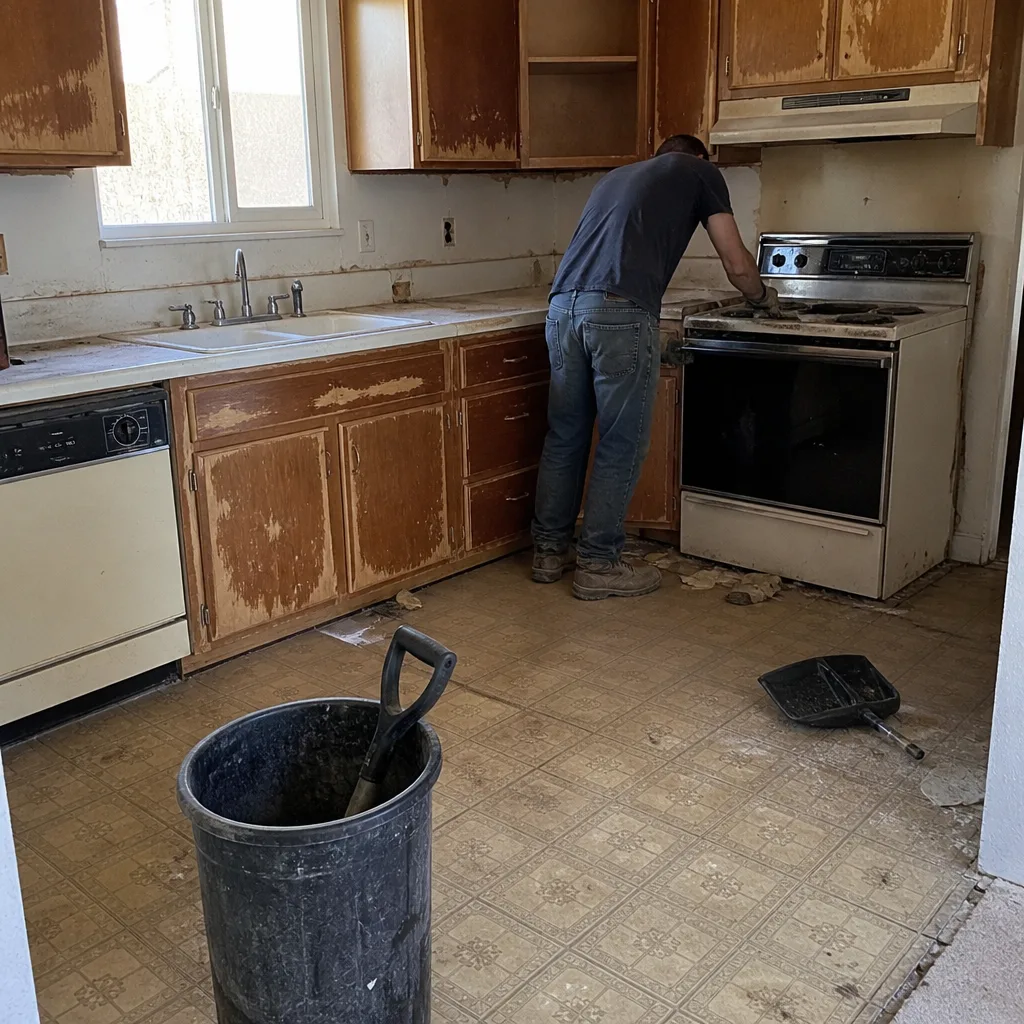 Before
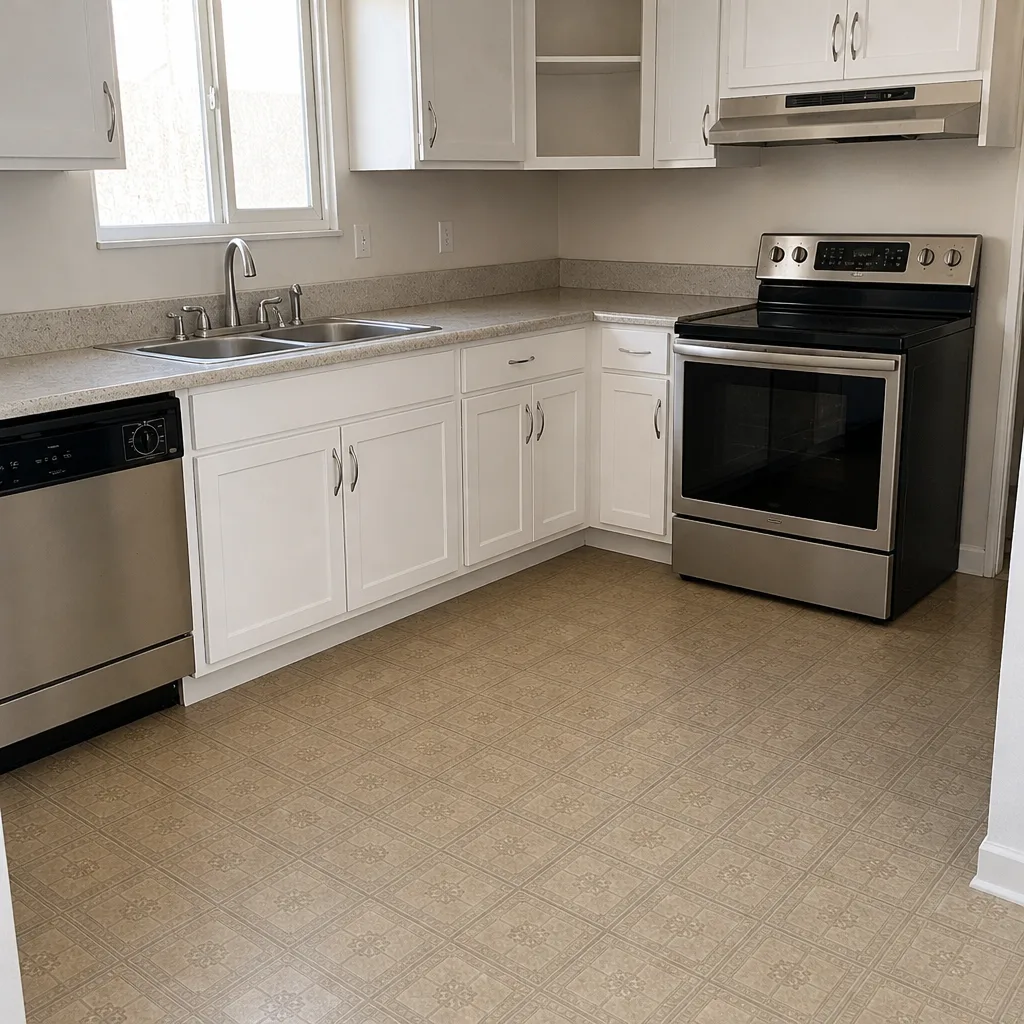 After
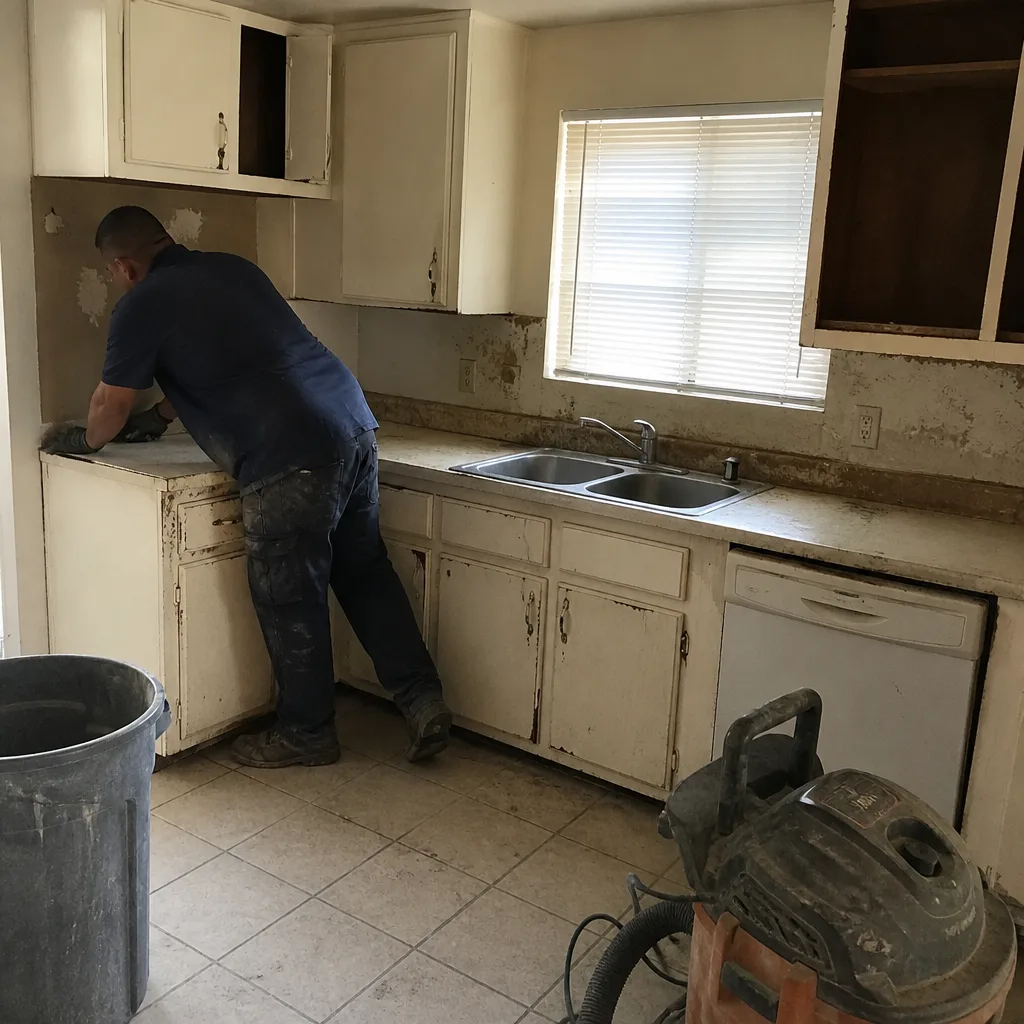 Before
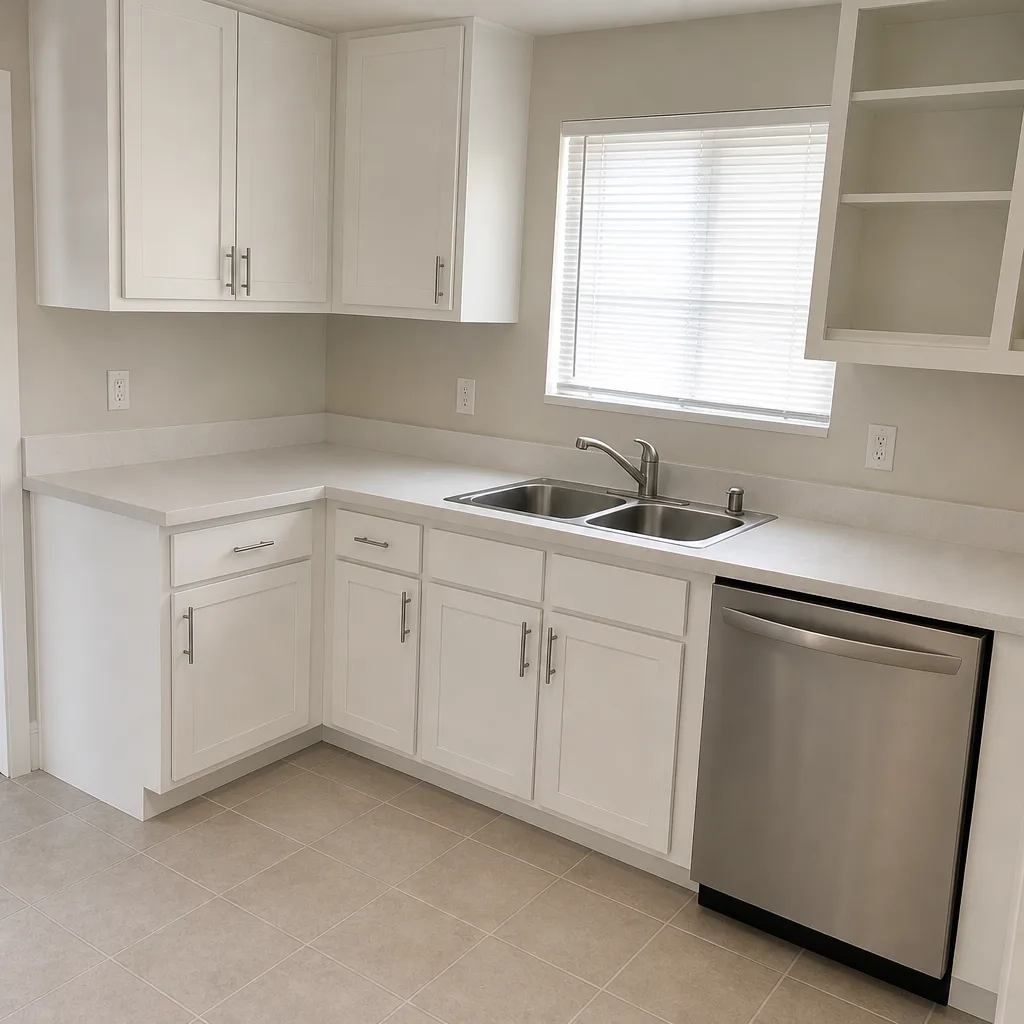 After
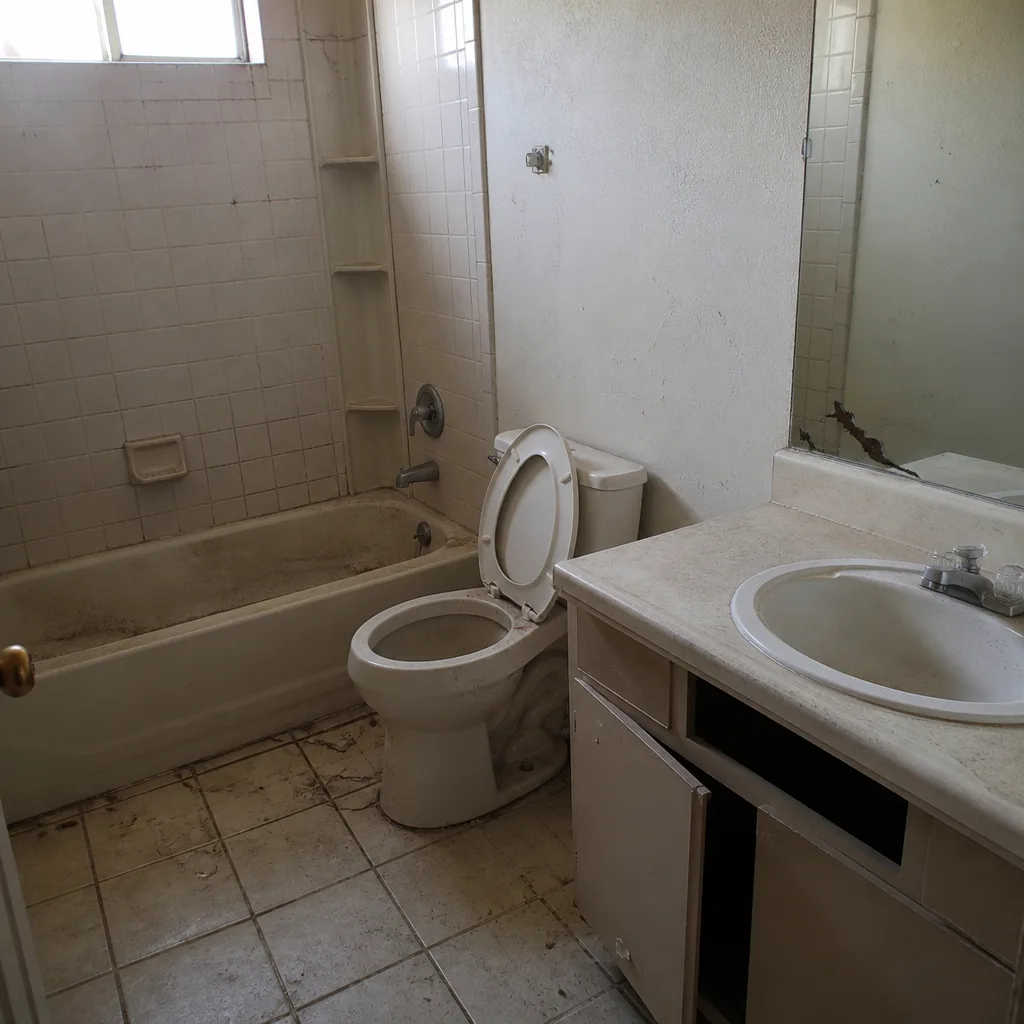 Before
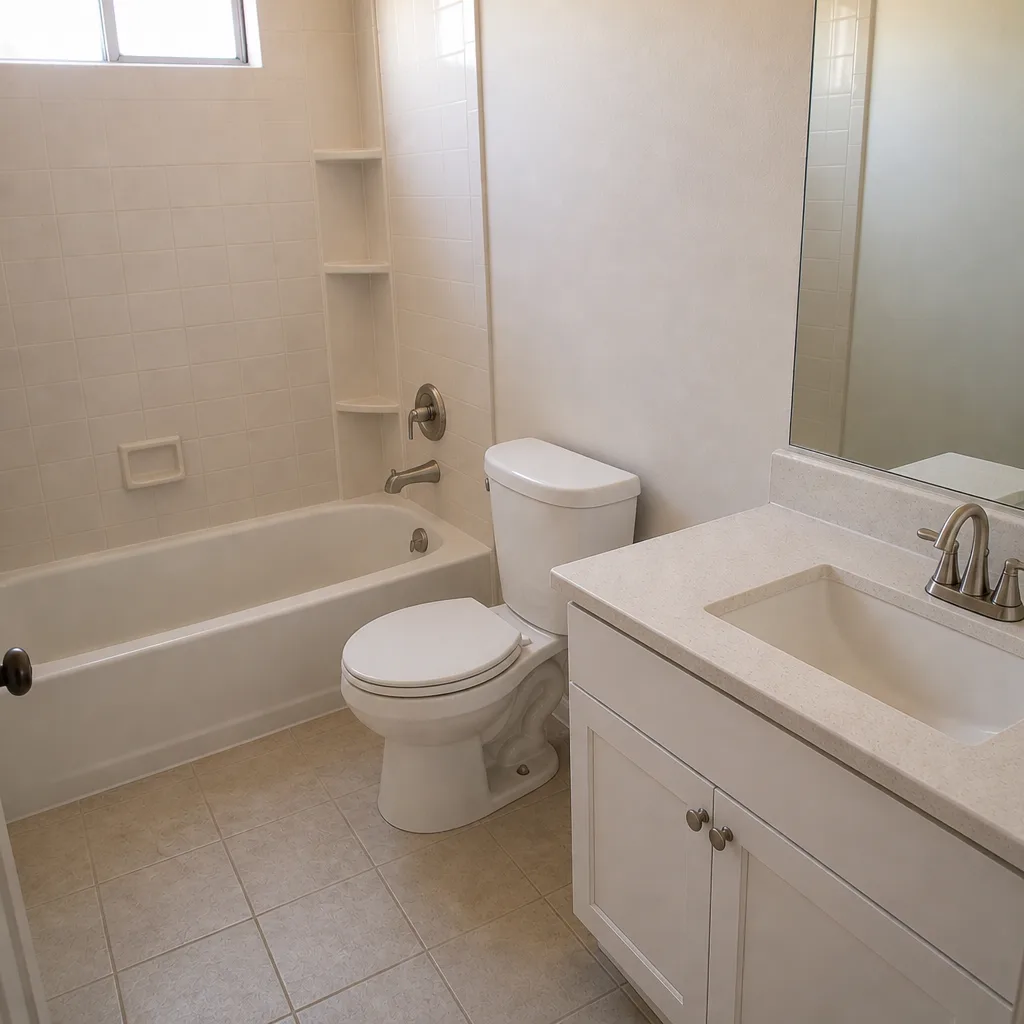 After
When to Call a Professional
A problem from a recent remodel should go to the contractor who did the work first. That’s what a workmanship guarantee is for. But some problems need a professional now, not on a scheduled return: active water intrusion, a dead outlet or one that trips the breaker, a shower valve that leaks behind the wall, any crack that widens visibly over two weeks, or a floor that dips or bounces. In those cases, don’t wait for a callback. Call us. Penhallow Remodeling Whitney offers free estimates in Whitney. Call (833) 721-7402 and a live person will answer, day or night.
If you’re planning a remodel in Whitney and want to know how the project should be built to avoid these problems, our home base page at Penhallow Remodeling Whitney home covers how we work, and the Whitney general contractor overview explains the Kingswell Guarantee and what a written price looks like before work starts.
Frequently Asked Questions

If the problem is covered by a workmanship guarantee, it costs you nothing: the contractor returns and fixes it at no charge, and the evaluation visit is included. Out-of-warranty calls in Whitney typically run $150-$400 for a diagnostic visit plus the actual repair cost, which ranges from $50 for caulk to $800 or more for a tile repair. Get a written price before any work starts, and if a contractor won’t put the number in writing, walk away. Call (833) 721-7402 for a free estimate on a Whitney issue.
A warranty repair is a fix covered by a written workmanship guarantee. It costs nothing. A service call is a visit for a problem that isn’t covered, such as a fixture that’s out of its manufacturer warranty or damage from something else, and it’s billed. The distinction matters because most homeowners assume a return visit is always free. If your contractor’s guarantee is written, both categories are defined in the paperwork. Ours covers the free visit as part of the 365-Day Done Right Promise.
A cosmetic crack follows a tape line or a drywall joint and stays the same width for two weeks. A structural crack follows a stud line, widens over two weeks, or appears with water staining nearby. Take a photo with a scale reference on day one and again on day fourteen. In Whitney, where clay soil movement is common, the widening crack is worth a structural engineer’s evaluation before you patch. It’s a few hundred dollars, and it tells you whether the problem is real.
Yes, if the guarantee is written to cover cosmetic problems. Most workmanship guarantees include caulk, paint, and trim within the first year. Read your guarantee before signing; the good ones name cosmetic issues explicitly. If yours doesn’t, ask for the exclusion list in writing before work starts. We give every Whitney homeowner a written guarantee on every project, and cosmetic caulk failures within the 365-day window are covered. Call (833) 721-7402 for the terms on your specific project.
Send a written second request by email with a timestamp. If 20 business days pass with no response, escalate: file a complaint with the Nevada State Contractors Board and pay for an independent inspection if the problem is structural. A written guarantee gives you the paper trail you need. The contractor’s license number is on your contract, and the board can act on a documented violation. Don’t rely on text messages as your record.
It depends on what the fix involves. A cosmetic patch doesn’t need a permit. A change to the layout, electrical, or plumbing does. In Whitney, the local building department reviews the scope of the repair, and most cosmetic fixes fall under “maintenance.” If a fix will involve any electrical or plumbing relocation, check with the building department or ask your contractor whether the repair requires a permit. The written estimate should state whether permitting is included. Call (833) 721-7402 if you’re unsure whether your Whitney repair is a permit item.
The Bottom Line
The difference between a homeowner who gets a problem fixed fast and one who spends six weeks frustrated is almost never the contractor. It’s the homeowner’s ability to classify the problem (cosmetic, functional, structural), document it properly, and report it in writing. A written guarantee protects you only if you have the record to invoke it. The right tools are a phone camera, a scale reference, and an email address. The wrong tools are panic, a text thread, and a call to an inspector on day one. Most remodel problems turn out to be cosmetic and get resolved in one visit, if the report is clear. If you’re in Whitney and you’re not sure whether the problem is a warranty item or a real structural concern, call (833) 721-7402. Estimates are free, and a live person will pick up.
Written by the team at Penhallow Remodeling Whitney.