
Last updated November 18, 2026







Free written scope consultation - allowances, timeline, and change-order rules on paper before a single trade is scheduled
Home Remodeling Warning Signs Every Homeowner Should Know
A contractor who shows up three hours late is easy to fire. A contractor who hands you a “preliminary estimate subject to conditions found on-site” is much harder to hold accountable, and that single phrase, buried on page two of a contract, has cost Whitney homeowners thousands. The warning signs that actually cost money don’t sound like warnings. They sound reasonable. They sound professional. They sound like someone protecting themselves from surprises. This guide walks through the contract language, pricing structures, and deposit requests that quietly give a contractor the power to change your number after demo day, and the questions that reveal whether a guarantee is real or just a friendly promise.
Quick Answer
The most expensive home remodeling warning signs are linguistic, not behavioral. Watch for phrases like “estimate subject to conditions found on-site,” “materials billed as incurred,” and “additional work to be quoted separately,” because each one lets the price move after work starts. Only a fixed written price, with materials and labor itemized, protects you from a final bill that runs 30% to 40% above the quote.
Styles & brands we work with
- Kitchen remodeling
- Bathroom remodeling
- Home additions & ADU
- Roofing
- Windows & doors
- Driveway & pavers
- Fence
Table of Contents
- Contract Language Red Flags That Let the Price Move
- Estimate vs. Quote vs. Fixed Written Price: What’s the Difference?
- Why “We’ll Figure Out Materials as We Go” Inflates Your Bill
- How Large a Deposit Is Normal in Nevada?
- The Questions That Reveal Whether a Guarantee Is Real
- Warning Signs in the Crew and Subcontractor Arrangement
- Timeline Language That Hides a Delayed Job
- The Change Order Trap and How to Close It
Contract Language Red Flags That Let the Price Move
Read your contract looking for the words that create an escape hatch. A contractor who plans to honor a number doesn’t need one. A contractor who plans to renegotiate after demo day builds several in.
These phrases appear in Whitney remodeling contracts more often than homeowners realize, and each one shifts risk from the contractor to you:
- “Subject to conditions found on-site.” Sometimes legitimate, always dangerous. It means the price is provisional until the contractor decides what they found.
- “Materials billed as incurred.” You’re paying cost-plus with no ceiling. A $4,200 cabinet allowance can become $7,800 with zero conversation.
- “Additional work to be quoted separately.” Fine if the scope is genuinely unknown. A problem when it’s used to carve half the job out of the original number.
- “Estimate valid for 7 days.” A short validity window on a reno quote almost always signals the number will move.
- “Owner to supply fixtures.” Sometimes your choice, sometimes a way to remove $6,000 of product from the price and still charge the same labor.
In the older Whitney ranch homes built through the 1970s and 1980s, “conditions found on-site” can mean real things: out-of-square framing, copper supply lines that have been patched twice, or a bathroom floor that was tiled directly to particleboard. A straight contractor prices those contingencies into a written scope. A contractor using escape-hatch language prices nothing and leaves the door open. When you compare bids, compare the contingencies, not just the bottom line. Our general contractor in Whitney page walks through how a fixed written scope gets built room by room.
Estimate vs. Quote vs. Fixed Written Price: What’s the Difference?
An estimate is a guess. A quote is a commitment with conditions. A fixed written price is a contract number that doesn’t move unless you change the scope in writing. Only the third one actually protects you.
Here’s the breakdown homeowners should keep in their back pocket:
- Estimate: “Kitchen remodels typically run $18,000 to $55,000 for a job like yours.” Useful for planning, non-binding. You cannot hold a contractor to it, and you shouldn’t expect to.
- Written quote: A line-item number with a defined scope, but usually carrying qualifiers like “assuming no structural issues” or “materials at current pricing.” Better than an estimate, still movable.
- Fixed written price: A line-item number tied to a written scope, with a stated change-order process, a stated materials list, and no conditions that let the contractor renegotiate after demo. This is what protects you.
The gap between a written quote and a fixed written price can run $8,000 to $20,000 on a mid-size Whitney kitchen remodel by the time a final invoice arrives. That’s not because contractors are dishonest. It’s because the language in the quote was written to preserve their right to reprice. A fixed written price removes that right. Before any work starts, you should be holding a document that names the cabinet line, the countertop material, the fixtures, the labor scope, and the change-order process. We install Cambria and Silestone quartz because those materials carry their own warranties alongside ours, and the fixed written price names them before day one.
Why “We’ll Figure Out Materials as We Go” Inflates Your Bill
“We’ll nail down materials once we’re in the space” is one of the most expensive sentences in any remodeling conversation. It sounds flexible and collaborative. In practice, it means every material decision happens under time pressure, with a crew waiting, and at whatever price the contractor negotiates that morning.
Here’s what actually happens on a Whitney project when materials are left open:
- Tile is picked in a hurry at a showroom that has the tile in stock today, at a 15% to 25% premium over a planned order.
- Cabinetry defaults to whatever the supplier can drop in three weeks instead of the KraftMaid or Wellborn line you actually wanted.
- Fixtures get swapped in the field, and Kohler becomes a house brand with a 90-day finish warranty.
- The change order count climbs because every “we chose a different tile” becomes a billing event.
This is why a fixed written price always names the materials. Cabinetry, countertops, fixtures, tile, siding, and trim all get specified before the contract is signed. When a Whitney homeowner can’t decide between, say, Silestone and Caesarstone, that decision gets made during a scheduled design selection, not during week four of demo. If a contractor tells you materials are “TBD,” the number on the contract is not a real number.
How Large a Deposit Is Normal in Nevada?
A deposit of 10% to 15% at contract signing is normal for a Whitney remodeling job. Anything above 30% before a single tool is picked up is a warning sign, and a request for 50% or more upfront is a financial red flag that rarely leads anywhere good.
Deposits exist because contractors buy materials and schedule crews, and a modest deposit protects both sides. The percentage matters less than the milestone tied to it. A healthy deposit structure on a Whitney remodel typically looks like this:
- 10% to 15% at signing to lock the schedule and order long-lead materials.
- 25% to 30% at the start of demo, when real labor and material costs begin.
- Milestone draws at framing, cabinet install, and finish, tied to work actually completed.
- A final 5% to 10% held until punch list is signed off. This is the single most important payment protection you have.
Nevada’s climate is harsh on materials, and cabinets and quartz countertops do get ordered early. That justifies a modest upfront deposit, not a 50% cash call. A contractor demanding half the project price before demo is usually financing their previous job with your deposit, and the schedule slips the moment cash gets thin. A written price with milestone payments is the structure that keeps the project moving and the money where it belongs. For a closer look at what fixed written pricing looks like on a room-specific basis, our kitchen remodeling in Whitney page itemizes the milestones.
The Questions That Reveal Whether a Guarantee Is Real
Nearly every contractor says “we stand behind our work.” Very few have a written guarantee that specifies what “stand behind” means, how long it lasts, and what happens if the work fails. The difference between a verbal promise and a written guarantee is roughly $3,000 to $6,000 in callbacks a homeowner either pays for or doesn’t.
Ask these five questions before you sign. The answers tell you everything:
- “Can I see the guarantee in writing, before I sign?” A real guarantee is a document. A verbal guarantee is a memory.
- “How long does the guarantee last?” Six months doesn’t cover a shower pan that fails in year two. One year is standard for the whole job.
- “If a repair fails, does the return visit cost me anything?” The answer should be no, and it should be stated in writing.
- “Does the guarantee cover labor, materials, or both?” Product warranties from Cambria or Kohler cover product. The installer’s guarantee covers installation. They’re separate, and both matter.
- “If you stop answering your phone after the job, what’s my recourse?” A contractor with a live phone line and a written document is a totally different answer from a contractor who only works by text and email.
We put the 365-Day Done Right Promise in writing on every Whitney project because a guarantee you can’t hold is not a guarantee. If a repair fails inside the guarantee window, we return at no charge, no service call, no re-inspection fee. If a contractor can’t hand you a document that says the same thing in their own words, that’s your answer.
Warning Signs in the Crew and Subcontractor Arrangement
The polite-sounding line is “we use a network of trusted subcontractors.” The warning-sign version is when you can’t determine who will actually be in your home, whether they’ve been vetted, or what happens if their work fails after they’ve moved on to the next job.
Remodeling is a subcontracting trade by design. Plumbers pull permits for plumbing, electricians for electrical, and that’s normal and healthy. What isn’t normal is not knowing who’s walking into your home each morning. Every technician who steps into a Whitney home should be background-checked, arrive in uniform, and be introduced by name to the homeowner at the start of the day. That’s basics, not a premium feature.
Two specific questions worth asking:
- “Who are the subcontractors, and are they background-checked?” If the answer is vague, the crew composition is probably not controlled.
- “If a subcontractor’s work fails inside the guarantee window, do I call them or you?” The answer must be “us.” A guarantee that sends you chasing a plumber is not a guarantee.
In our experience on Whitney projects, job-site behavior tracks closely with contract clarity. The same firm that puts a specific crew arrangement into the written scope is the firm that shows up in the arrival window it gave you. That’s the whole point of writing it down before you sign.
Timeline Language That Hides a Delayed Job
“Approximately four to six weeks, weather permitting” sounds warm and reasonable. It also lets a 12-week job quietly stretch to 16 weeks with no recourse, because the word “approximately” was never defined and there was never a real arrival window or completion date written into the contract.
A written timeline should specify:
- A start date and a completion date, not a range that starts whenever materials arrive.
- A defined arrival window for each crew (e.g., 7 a.m. to 9 a.m.), not “morning sometime.”
- A material lead-time schedule, since cabinetry and countertops routinely run six to ten weeks. A contractor who didn’t plan for that in the price didn’t plan for it in the timeline either.
- A named process for delays, including what happens when a permit inspection slips past its window.
Whitney sits inside Clark County, and permit review on structural work occasionally adds two to three weeks compared with what a homeowner was quoted at the sales meeting. A contractor who has pulled permits in Whitney before knows that and prices the schedule accordingly. A contractor who says “we’ll pull permits when we get to it” hasn’t planned the job. Plain and simple.
The Change Order Trap and How to Close It
Every remodeling project has legitimate change orders. The trap isn’t the change order itself, it’s the contractor whose business model depends on them, where the initial bid was low and the project only becomes profitable once four or five change orders are signed.
You can spot the pattern in the contract before work starts:
- The materials allowance is unrealistically low. A $3,000 cabinet allowance on a 10×12 kitchen isn’t a budget, it’s a guarantee of a change order. Realistic Whitney cabinet allowances for a mid-grade KraftMaid or Wellborn line run $8,000 to $18,000 depending on layout.
- The change-order rate isn’t specified. Legitimate change orders should be priced at the same labor rate as the base contract. If there’s no stated rate, expect a premium.
- Change orders can be signed verbally. Every change order should be a written document, priced and signed before the work happens. Verbal “we’ll adjust it at the end” is the trap that triples a final invoice.
- The scope document is thin. Vague scope creates change orders. A written scope that names every fixture, every material, and the labor arrangement leaves nothing to discover mid-demo.
The best protection against the change-order trap is an honest written scope on day one. A more detailed scope costs a contractor more time to write, which is exactly why contractors who avoid it are telling you something. Our bathroom remodeling in Whitney service takes scope-writing as the first step of every project, and the change-order process is in writing before demo.
Common Mistakes to Avoid
- Comparing quotes on the bottom line only. A $48,000 quote with three escape-hatch clauses is more expensive than a $52,000 quote with a fixed written price. The low number is fiction until you read the scope.
- Signing a contract with an unfilled materials allowance. An allowance is a placeholder, and placeholders get filled at whatever the contractor’s supplier has in stock this week.
- Paying a large deposit before seeing a written guarantee. Deposit first, guarantee later is the order that leaves you with no leverage.
- Accepting verbal change orders. “We’ll adjust it at the end” is the exact sentence behind most Whitney homeowners’ 30% to 40% invoice surprises.
- Skipping the permit check. Plumbing and electrical work without a Clark County permit is a homeowner problem at resale, and a warning sign about what else the contractor skips.
- Not asking what the guarantee actually covers. Labor and product are two separate guarantees. If the contractor can only describe one, you only have one.
- Hiring the contractor who answers texts only. A live phone line at 2 p.m. on a Tuesday is a small thing until it isn’t. Try it before you sign.
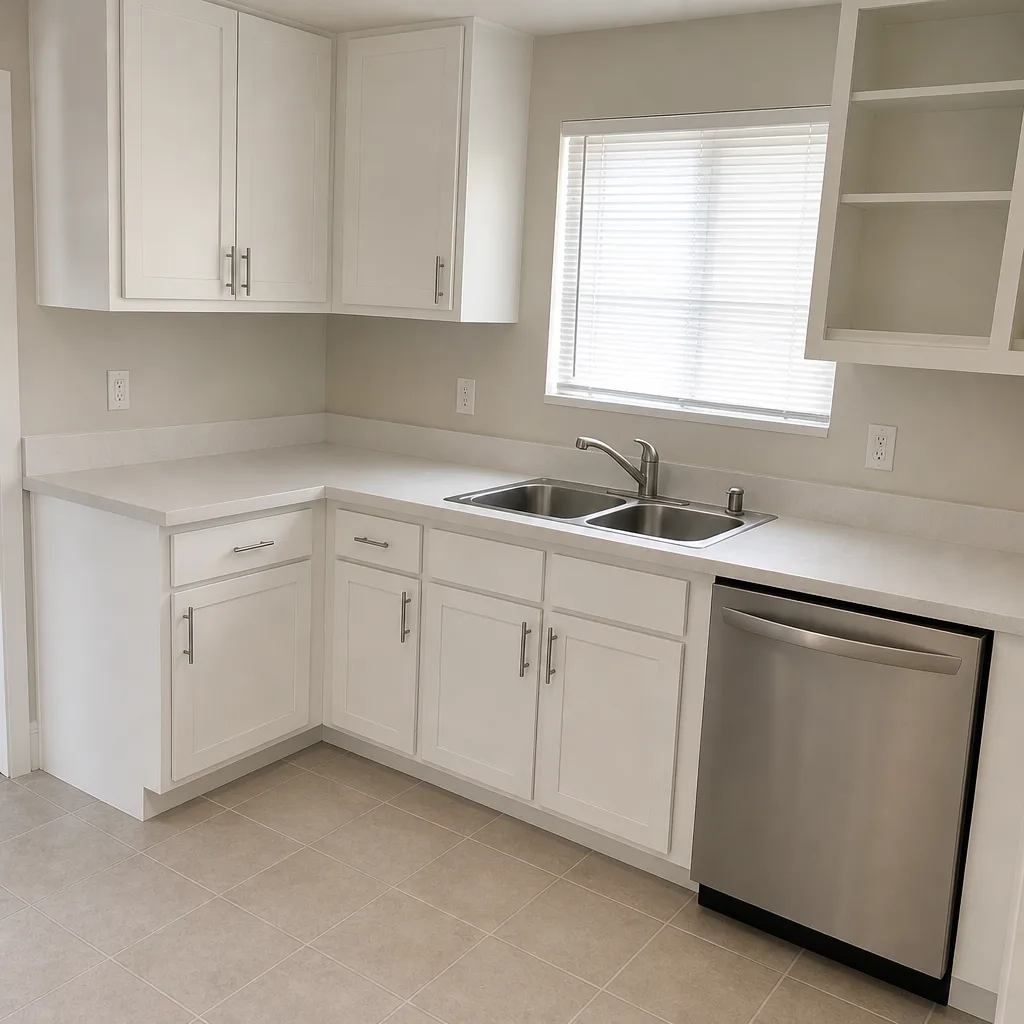
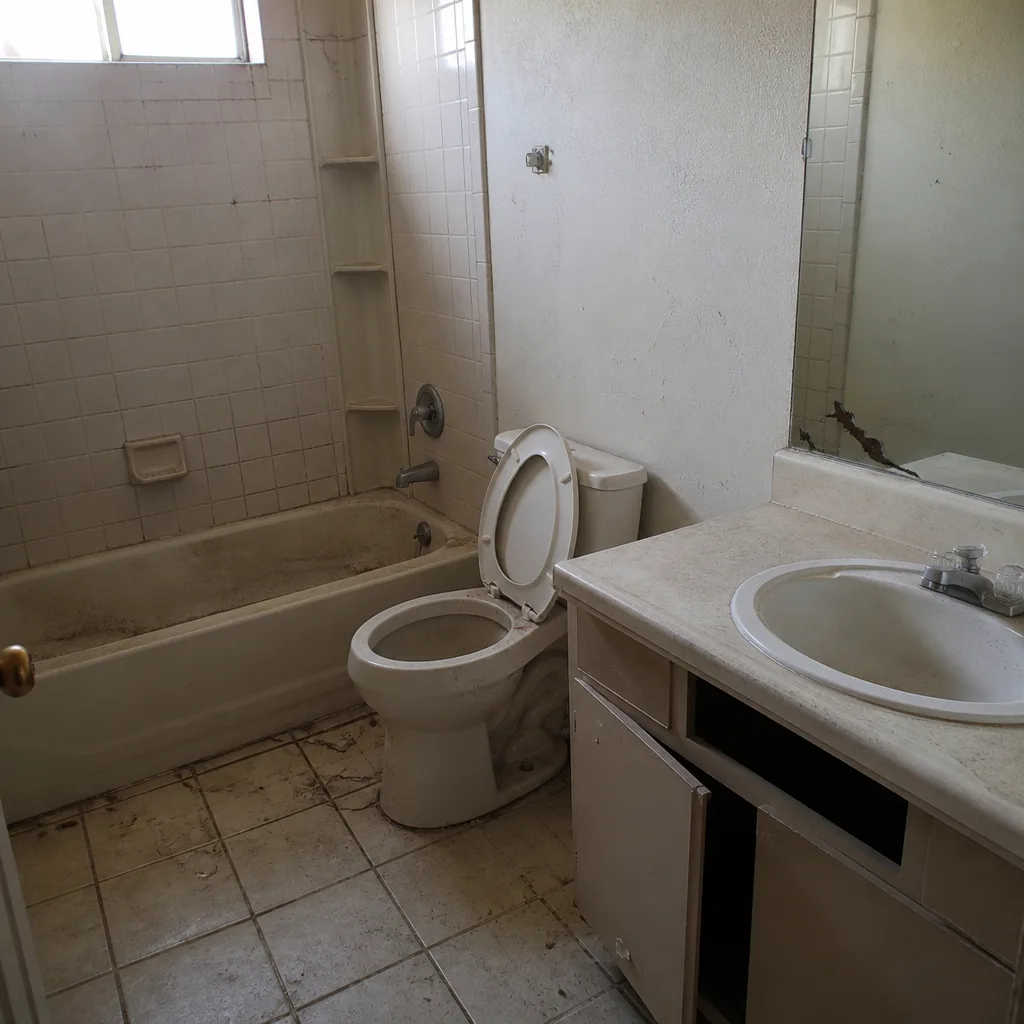
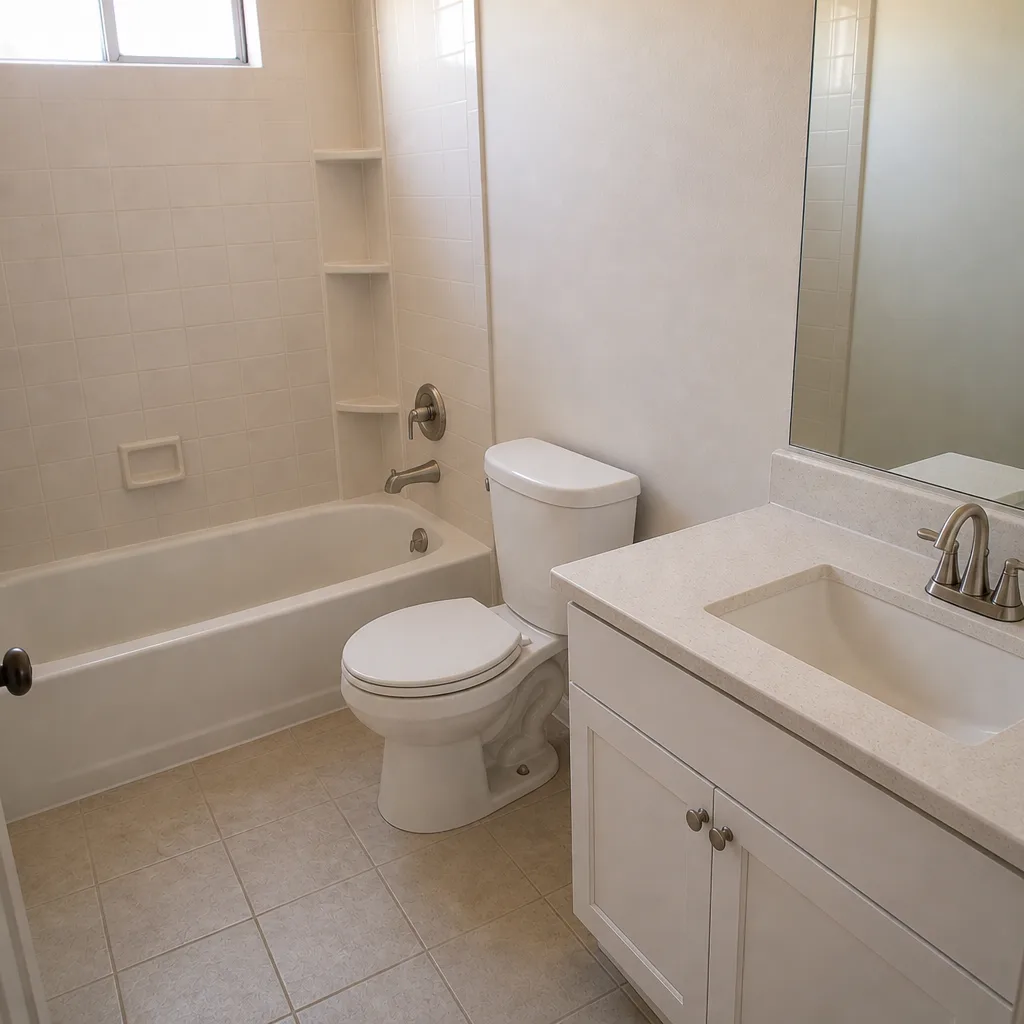
See the difference
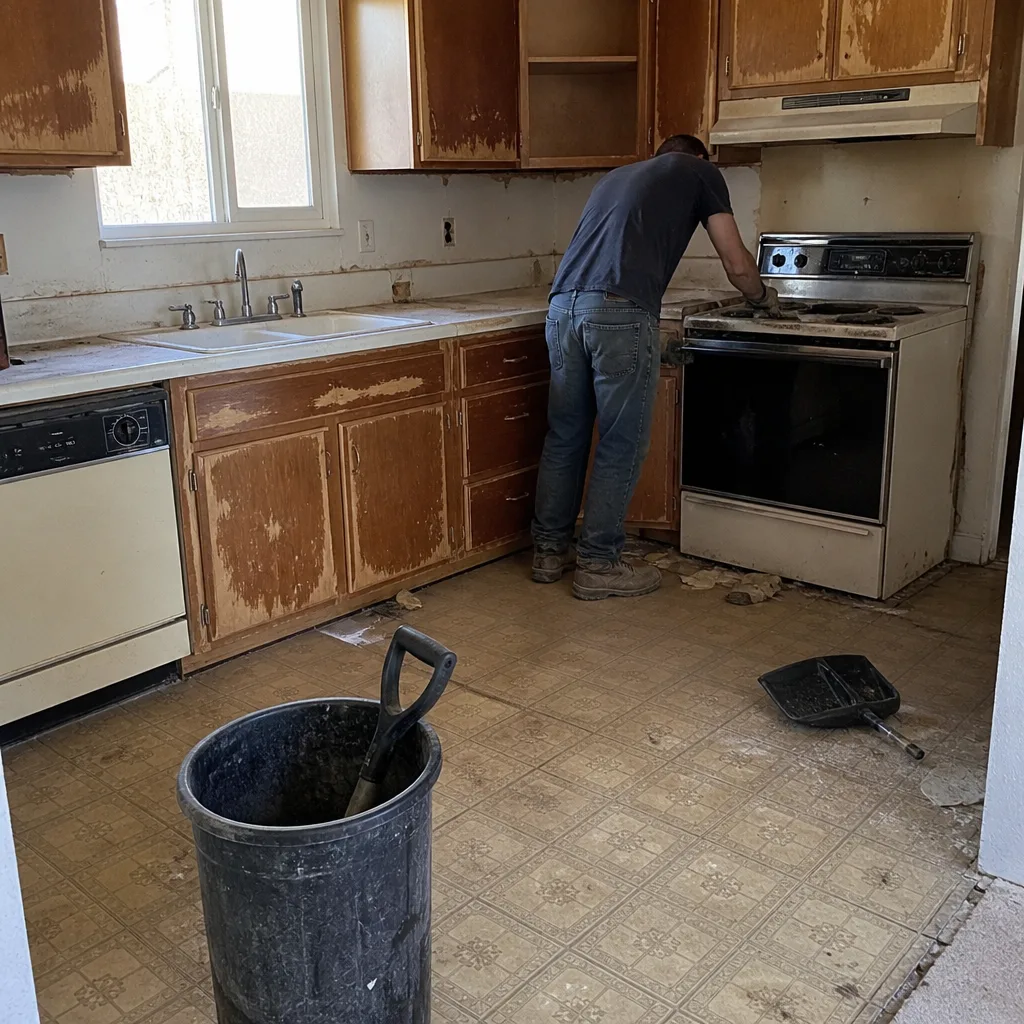 Before
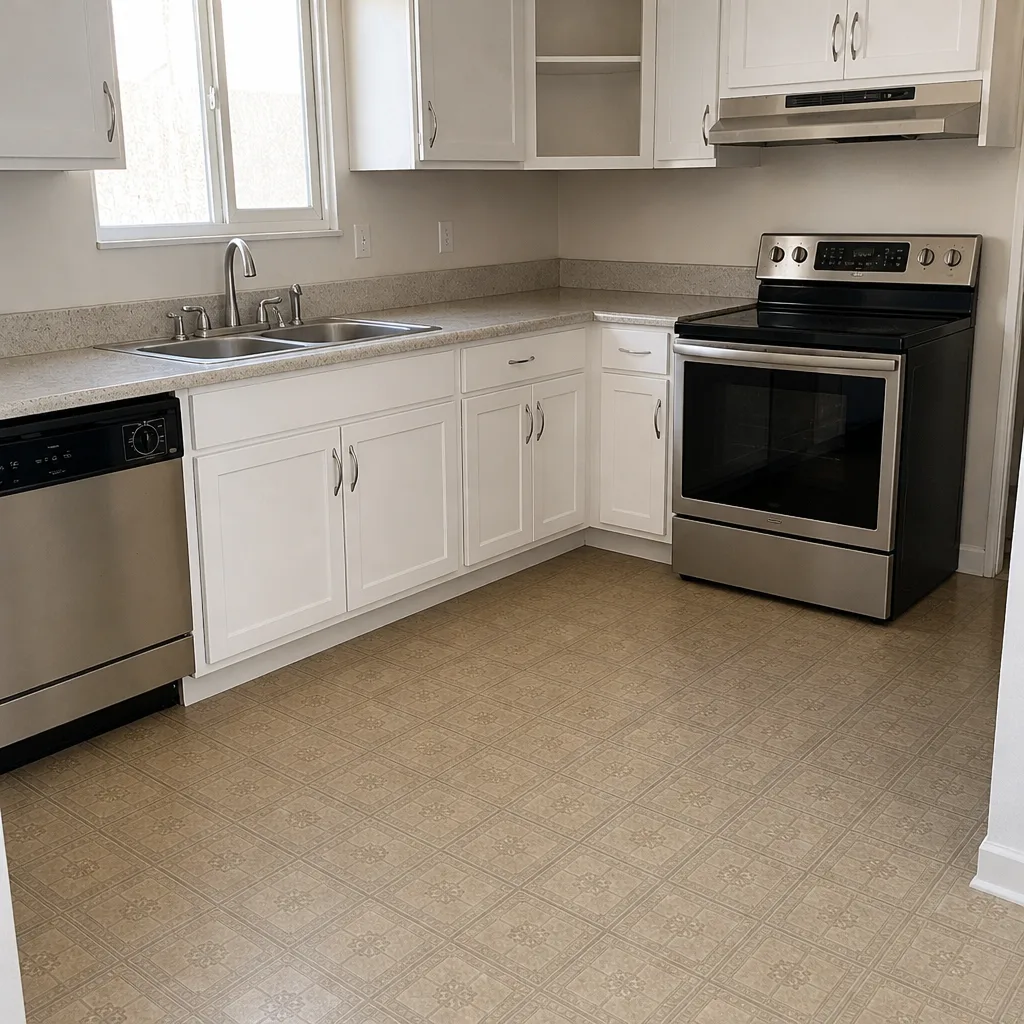 After
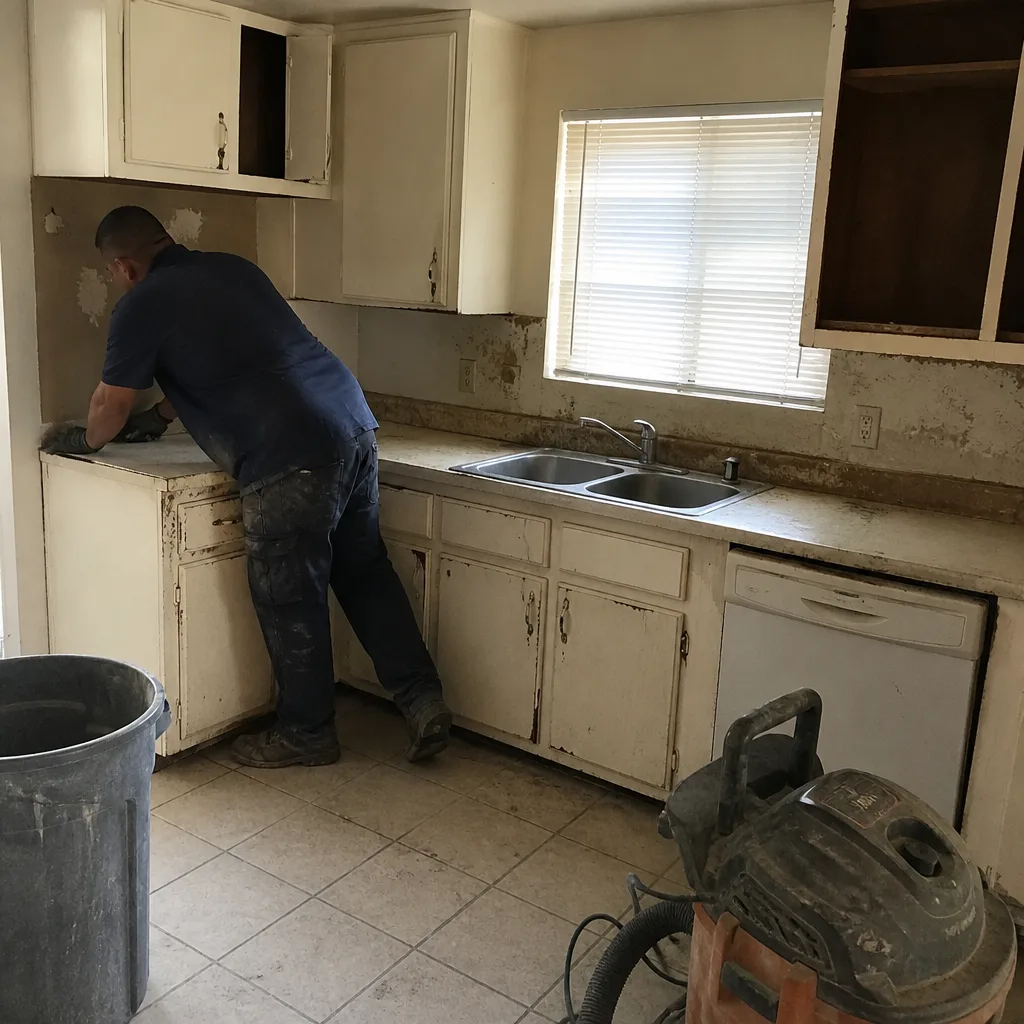 Before
 After
 Before
 After
When to Call a Professional
Some remodeling decisions can be handled by a careful homeowner. Move a cabinet, paint a wall, swap a light fixture, sure. But the moment a project touches structural framing, plumbing supply or drain lines, electrical circuits, gas lines, or waterproofing behind tile, the risk shifts from cosmetic to consequential. A failed shower pan means ripping out tile and cement board substrate (the moisture-resistant layer behind your tile) and starting over. An electrical panel change in an older Whitney home without a permit can cost six figures at resale when the buyer’s inspector finds it. Structural work and permits are not the place to save $4,000. If you’re not sure whether your project needs a permit or a licensed contractor, that’s the exact moment to call one. Penhallow Remodeling Whitney offers free estimates in Whitney, and every estimate is written before any work starts. Call (833) 721-7402 to schedule a walkthrough and see what a fixed written price actually looks like for your project.
Frequently Asked Questions
The biggest warning sign is “estimate subject to conditions found on-site” or any variant of it, because it lets the contractor reprice after demo. That single phrase turns a $45,000 kitchen into a $58,000 kitchen with no change to the scope. Insist on a fixed written price with a defined change-order process, and walk away from contracts that reserve the right to reprice.
A deposit of 10% to 15% at signing is normal for a Whitney remodeling project, with milestone payments tied to work completed and a final 5% to 10% held until punch list. Anything above 30% before work starts is a warning sign. Call (833) 721-7402 for a written estimate with milestone payments spelled out before you sign.
A written estimate is a planning number the contractor isn’t legally bound to honor. A fixed written price is a contract number tied to a written scope, with a materials list, labor scope, and change-order process. Only a fixed written price protects you from a rising invoice. If a contractor can’t explain the difference, hire someone who can.
Yes for anything touching plumbing, electrical, or structural work; a cosmetic-only refresh with no mechanical change typically doesn’t require one. Clark County permits are pulled by the contractor, and the permit and inspection record live with the property. If a contractor tells you a permit isn’t necessary for supply-line plumbing, that’s a warning sign, not a shortcut. Call (833) 721-7402 to talk through what your specific project needs.
Yes, “materials billed as incurred” is cost-plus pricing with no ceiling, and it’s one of the most reliable ways a final bill climbs 20% to 40% above the quote. A fixed written price names the cabinet line (KraftMaid, Wellborn), the countertop material (Cambria, Silestone), and the fixture brands (Kohler, Moen) before the contract is signed. Ask for the material list in writing.
Ask to see the guarantee in writing before you sign, confirm how long it lasts, and confirm whether the return visit for a failed repair is free. A real guarantee is a document with a duration, a coverage scope, and a return visit process. A verbal “we stand behind our work” is a promise, not a guarantee. Every Penhallow Remodeling Whitney project includes a written guarantee with a 365-Day Done Right Promise.
The Bottom Line
The warning signs that cost Whitney homeowners the most money don’t look like warnings. They look like professional caution: a preliminary estimate, a materials allowance, a subcontractor network, an approximate timeline. Each one is a small transfer of risk from the contractor to you, and together they add up to a final bill that runs 30% to 40% higher than the day-one number. The protection is straightforward: a fixed written price, a written scope naming every material, milestone payments with a final holdback, and a written guarantee with a stated duration and a free return visit if a repair fails. Those four documents are what separate a real contractor from a good talker. If you want to see what that looks like on paper for your Whitney project, call (833) 721-7402 to schedule your free estimate. Every job begins with a written price and a written guarantee, before a single cabinet is pulled or tile is set. For a broader view of what we do, visit our Penhallow Remodeling Whitney home page.
Written by the team at Penhallow Remodeling Whitney.