Last updated November 18, 2026




Free written scope consultation - allowances, timeline, and change-order rules on paper before a single trade is scheduled
The Complete General Contractor Guide for Whitney Homeowners
Most guides to hiring a general contractor assume you’re shopping in a market with hundreds of competitors. Whitney isn’t that market. This unincorporated community of roughly 40,000 people sits on the southeast edge of the Las Vegas Valley, and the pool of licensed general contractors who actually want to work here is shorter than what you’d find ten minutes up the road. That changes the game. Fewer bids means weaker leverage, longer waits, and a much higher cost to a bad hiring decision. This guide walks through the whole process for Whitney homeowners: vetting the license, reading a scope of work, structuring payments, and timing your project around Clark County permits.
Quick Answer
To hire a general contractor in Whitney, NV, verify the contractor holds an active Nevada license with the correct classifications, get a written scope of work and written price before signing, pay no more than 30% upfront, and build 4 to 8 weeks of Clark County permit time into your schedule. Whitney’s small contractor pool and its distance from Las Vegas trade suppliers make written scope and written pricing more important here, not less.
Styles & brands we work with
- Kitchen remodeling
- Bathroom remodeling
- Home additions & ADU
- Roofing
- Windows & doors
- Driveway & pavers
- Fence
Table of Contents
- Why Hiring a Contractor in Whitney Is Different
- The Nevada License Classifications a GC Must Hold
- How to Read a Written Scope of Work
- What a Realistic Payment Schedule Looks Like
- Building Your Timeline Around Clark County Permits
- What the Desert Does to Your Remodel
- The Vetting Steps, in Order
- Managing the Project Once Work Starts
Why Hiring a Contractor in Whitney Is Different
Whitney sits just off the 515 between Henderson and the airport, which means most established Las Vegas general contractors already have a full slate closer to home. When a company has to cross the valley to reach you, two things happen. First, scheduling gets harder: your project may get sandwiched between jobs in Henderson and Paradise, and a two-hour supply run to a Whitney address looks different than a two-block walk. Second, markup tends to creep up to absorb the drive time, sometimes quietly, sometimes not so quietly.
None of that means you can’t get good work here. It means you should use the geography in your favor. A contractor who already works this side of the valley – Whitney, Henderson, the neighborhoods around Lake Mead Boulevard and Hollywood Boulevard – will price the drive time correctly and show up on time. Ask directly: “How many projects are you running east of the 515 right now?” The answer tells you more than any review site.
You’ll also feel the supply side. Whitney is farther from the tile, cabinet, and lumber yards that cluster along the I-15 corridor, so materials arrive on a truck schedule, not on demand. A GC who plans those deliveries in advance keeps your project moving. One who doesn’t will blame it on the traffic. For a broader look at how we approach projects in town, see our Penhallow Remodeling Whitney home.
The Nevada License Classifications a GC Must Hold
Nevada regulates contractors through the Nevada State Contractors Board (NSCB), and the classifications matter. A general contractor can’t legally touch structural, electrical, or plumbing scope without the right license class or a properly licensed subcontractor doing that work. If a company hands you a bid for a Whitney whole-home remodel and waves off the license question, walk away.
Here’s the short version of what you’re checking:
- Class A: General engineering – rarely relevant for a residential remodel unless there’s grading or site work.
- Class B: General building – the classification that covers whole-home remodels, structural changes, and multi-trade residential work. This is the one most Whitney homeowners want to see.
- Class C: Specialty trades broken into subclasses – C-3 carpentry, C-10 electrical, C-36 plumbing, and so on. A GC without a Class B should be subcontracting to properly licensed Class C holders, and you should see their license information in writing.
Verify the license at the NSCB website or by phone before you sign anything. The lookup is free and takes five minutes. Confirm three things: active status, the correct classification, and a current monetary limit that covers your project value. A license with a $50,000 limit cannot legally sign a $90,000 contract. That’s not a technicality; it’s a limit on your protection.
Also ask for a certificate of insurance showing general liability and workers’ comp. A real GC will have both and will send them the same day. For larger scope work, our general contractor services in Whitney page spells out how we structure the trades.
How to Read a Written Scope of Work
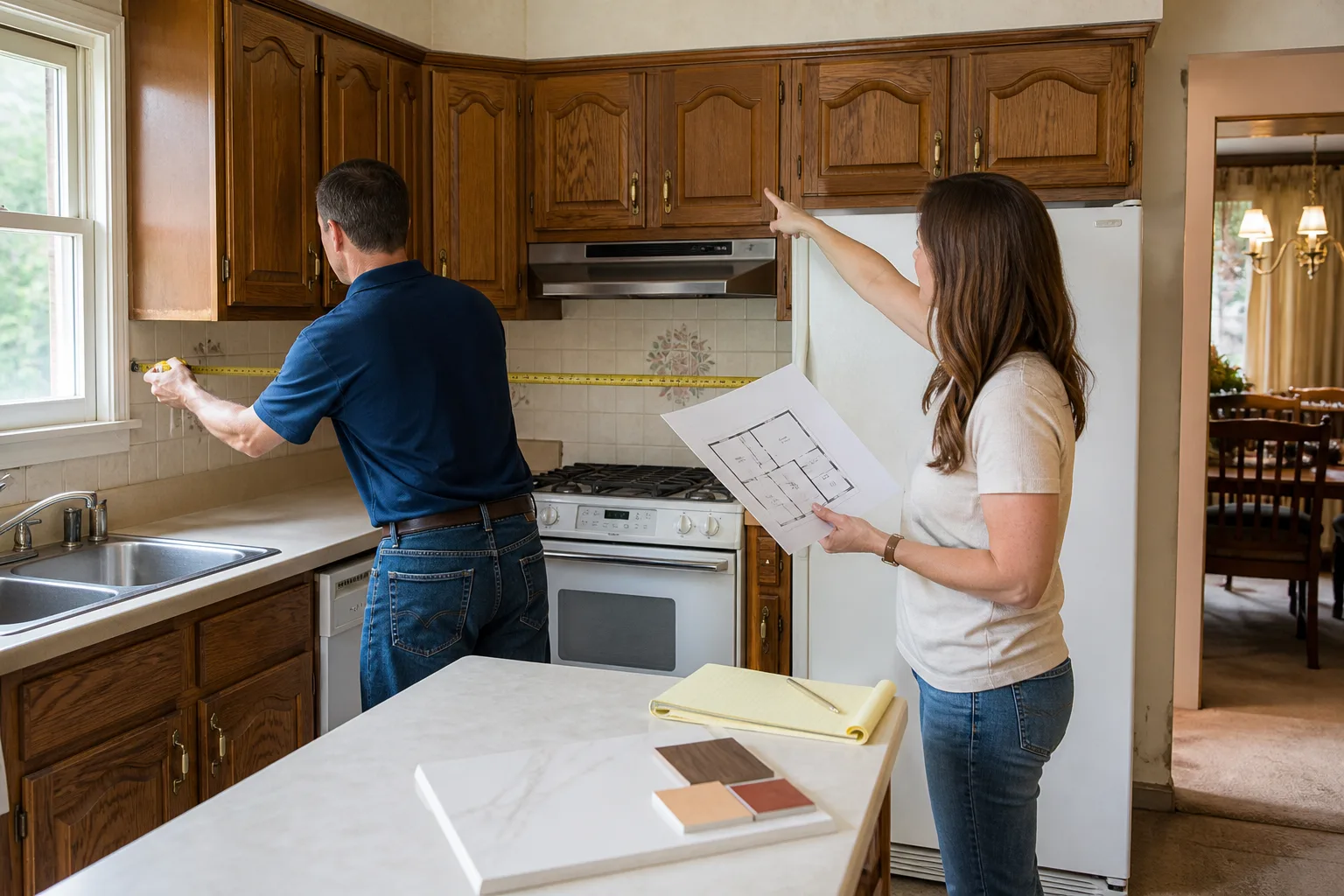
A written scope of work is the document that protects you after demo day. A verbal estimate protects the contractor. Most contractor disputes in Whitney and across the valley don’t start with a bad job – they start with two different memories of what the job included. Reading the scope carefully before you sign prevents the argument entirely.
Here’s what a real scope includes, item by item:
- Every task, in order. Demo, framing, rough-in, insulation, drywall, finish. If a task isn’t listed, it isn’t included, and it will be billed as a change order.
- Materials with brand and grade. “Tile” is not a spec. “12×24 porcelain floor tile, grout included, brand and line X” is a spec. When you see a brand like Grohe or a James Hardie siding product named, that’s a good sign the contractor is specifying, not estimating.
- What’s excluded. A good scope lists what it does NOT cover: moving a gas line, repairing water damage found behind the wall, replacing subfloor. Exclusions are usually where budgets go sideways.
- Allowances and their limits. If the scope says “$3,000 lighting allowance,” ask what happens when your selections run $4,500. Written answer, not verbal.
- Permits and inspections. Who pulls the permit? Who pays for it? Who meets the inspector? Written into the scope, not left to chance.
- Cleanup and disposal. Dumpster fees, haul-away, final cleaning. Confirm it’s included.
- Guarantee terms. The length, what it covers, and how to make a claim. This should be in writing before the first tool comes out.
If your GC can’t produce a scope with those seven items, the bid isn’t ready. It’s a sketch.
What a Realistic Payment Schedule Looks Like
A legitimate payment schedule is tied to milestones, not to a calendar and not to a contractor’s cash-flow needs. For a mid-size Whitney remodel in the $40,000-$90,000 range, the structure usually looks something like this:
- Deposit: 10% to 30% at signing, used to order materials and pull permits.
- Rough-in complete and inspected: 25% to 30% once framing, electrical, and plumbing pass inspection.
- Drywall and prep complete: 20% to 25%.
- Finish work complete: 20% to 25% after cabinets, countertops, and fixtures.
- Final walkthrough and punch list: 5% to 10%, held until you’re satisfied.
Any GC asking for more than 30% upfront in Whitney is a red flag. Nevada law caps residential deposits, and more importantly, a large upfront payment shifts all the risk to you. If the contractor needs cash to buy materials they can’t afford to front, that’s a signal about their business, not yours to solve. A written price with milestone-tied payments – and a written guarantee that survives the final check – is the standard you should hold to. Our kitchen remodeling in Whitney page shows how that structure looks on a typical job.
Building Your Timeline Around Clark County Permits
Clark County Building & Fire Prevention handles permits for unincorporated Whitney, and the timeline is real. Standard residential permits often run 2 to 6 weeks for review, depending on how busy the department is and how complete the submittals are. Structural work, moving walls, and any electrical or plumbing changes trigger additional review cycles. None of this is a scam; it’s just the work.
Factor that into your calendar:
- Weeks 1-2: Design and scope finalized, licensed contractor selected, contract signed.
- Weeks 2-4: Permit application submittal, plan review. Ballpark 2-6 weeks of waiting.
- Weeks 4-8: Material ordering, delivery scheduling, demo (some GCs will demo before permit if scope allows; most won’t).
- Weeks 8-14: Rough-in, inspections, drywall, finish work.
- Weeks 14-16+: Final inspection, punch list, walkthrough.
A mid-size Whitney kitchen or bathroom remodel typically takes 6 to 12 weeks from permit approval to final walkthrough. The full project calendar from first call to final inspection often runs 3 to 5 months. Any contractor who quotes “3 weeks, no permit needed” for structural or electrical work is telling you something important about how they operate. Our bathroom remodeling in Whitney page covers how we structure permit time on a typical bath.
What the Desert Does to Your Remodel
Whitney sits in the Mojave, and the climate shapes the work. Summer temps regularly push past 110°F, and that heat does two things to your project. First, drywall mud, paint, and tile adhesive cure differently in low humidity and extreme heat; a professional adjusts mixing and cure times or the finish fails in the first year. Second, the sun-driven thermal expansion on exterior walls and rooflines affects siding, windows, and stucco more than in milder climates.
Spring and fall bring wind, and wind carries dust into every open wall cavity. A GC working in Whitney during a wind event should be sealing cavities, covering materials, and staging deliveries to short windows. If you’re replacing roofing or siding, this is where brand specification matters: GAF and CertainTeed both publish products rated for high-heat, high-UV exposure, and specifying the right one beats discovering the wrong one failed three summers later.
In our experience, the Whitney remodels that hold up longest are the ones where the GC planned for the desert, not around it. That means cure schedules built for the heat, material selection chosen for UV exposure, and a crew that knows when to close the house up and when to open it.
The Vetting Steps, in Order
Run these steps in sequence. Skipping ahead is how homeowners end up with a verbal estimate and no recourse.
- License check. NSCB lookup, active status, correct classification, sufficient monetary limit.
- Insurance verification. General liability and workers’ comp certificates, sent directly from the carrier or agent, not forwarded by the contractor.
- Local reference calls. Ask for two or three projects completed in the last 18 months within 10 miles of your address. Whitney and Henderson count. A 2019 job in Summerlin doesn’t.
- Written scope review. Confirm every task, material, exclusion, and allowance is in writing.
- Written price. Not a range, not a verbal ballpark. A number you can hold the contractor to.
- Guarantee terms. Read the guarantee. Know the length, the coverage, and how to make a claim. Get it in writing with the contract.
- Payment schedule review. Milestone-tied, 30% or less upfront, 5-10% held at completion.
- Arrival window and communication standard. Ask what happens if a crew is late, who answers the phone, and how you’ll be updated. Vague answers here predict a vague project.
Every step should produce a document you can hold or a phone number you can call. If a contractor can’t clear the first two steps, nothing else matters.
Managing the Project Once Work Starts
A written contract doesn’t end your role; it clarifies it. Here’s what to do while the crew is working:
- Keep a project folder. Contract, scope, schedule, change orders, invoices, and inspection results. If a dispute ever arises, the folder is your case.
- Require written change orders. Any change in scope or price, no matter how small, gets a signed and dated change order before the work proceeds. Verbal “no problem, we’ll figure it out” is how budgets break.
- Walk the job weekly. Look at what’s behind the wall before drywall closes. Ask questions while the framing is exposed, not after.
- Attend inspections if you can. It’s your right and it’s a fast education in what actually passed.
- Document with photos. Before, after, and every stage in between. Useful for insurance, useful for resale, useful if something fails later.
- Hold the final payment. The last 5-10% is your leverage on the punch list. Don’t release it until every item is closed.
Communication goes both ways. A GC who answers your calls during the project and a homeowner who reads the schedule – those two together prevent almost every problem.
Common Mistakes to Avoid
- Taking the lowest bid without reading the scope. The lowest bid often excludes the most. The difference between $38,000 and $52,000 on a Whitney kitchen is usually what got left out, not what got discounted.
- Hiring a Las Vegas GC who doesn’t work this side of the valley. Their schedule, their supplier runs, and their trip charges all reflect the distance. Whitney projects served by Whitney-aware contractors move faster.
- Paying more than 30% upfront. Large deposits are the single most common red flag. Nevada law caps residential deposits for good reason.
- Skipping the license check. An unlicensed contractor can’t pull permits, can’t be bonded, and leaves you without recourse when something fails. Five minutes on the NSCB site is the cheapest insurance you’ll ever buy.
- Relying on a verbal estimate. A verbal number changes at the door. A written price in the contract is a fixed number you can hold the contractor to.
- Forgetting the guarantee in writing. A warranty you can’t find in writing is a warranty you can’t use. Read it, ask what happens if a repair fails, and get the answer in the contract.
- Underestimating Clark County permit time. A 4-6 week plan review can push your whole schedule. Cutting it close and promising your family a finish date that the county hasn’t approved is a self-inflicted wound.
- Not factoring the desert into material choice. Cabinet finishes, siding, and exterior paint that work in coastal climates fail faster in Whitney’s heat and UV. Spec for it.
See the difference
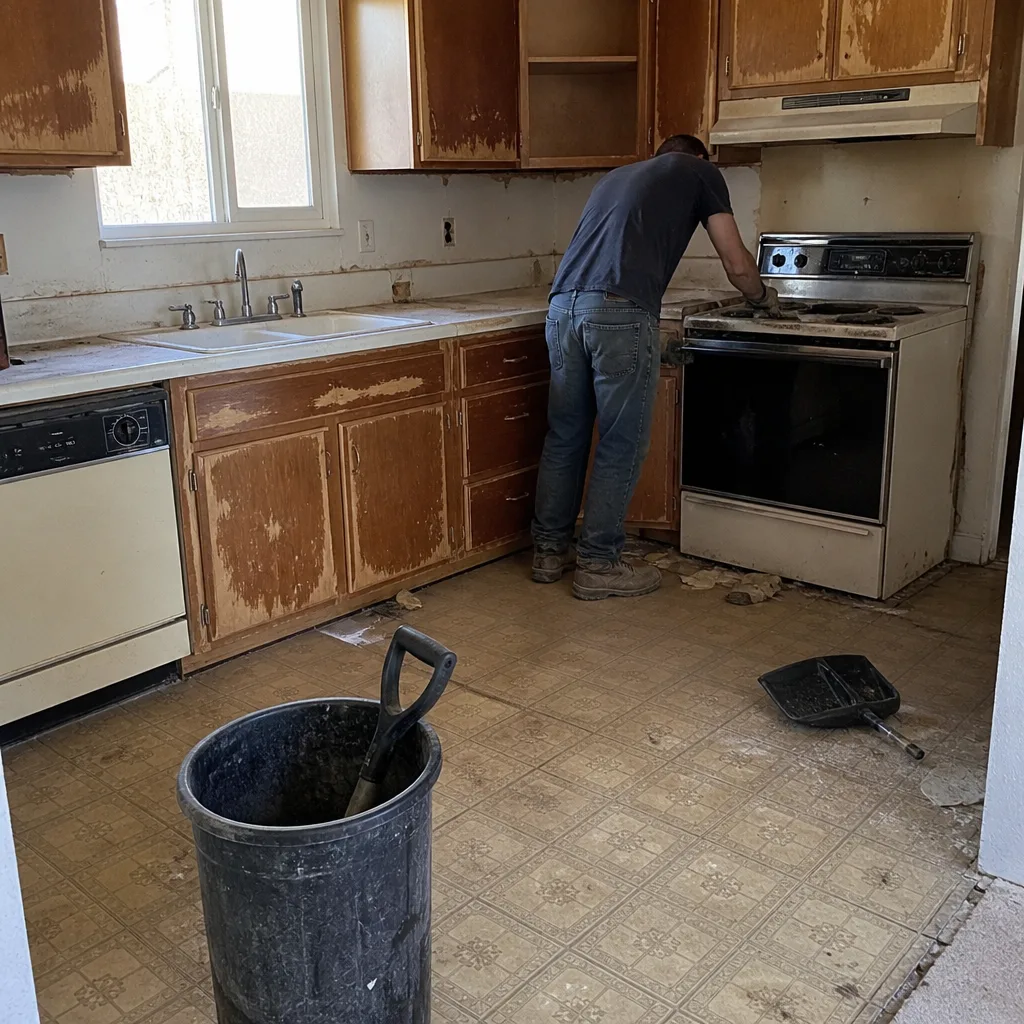 Before
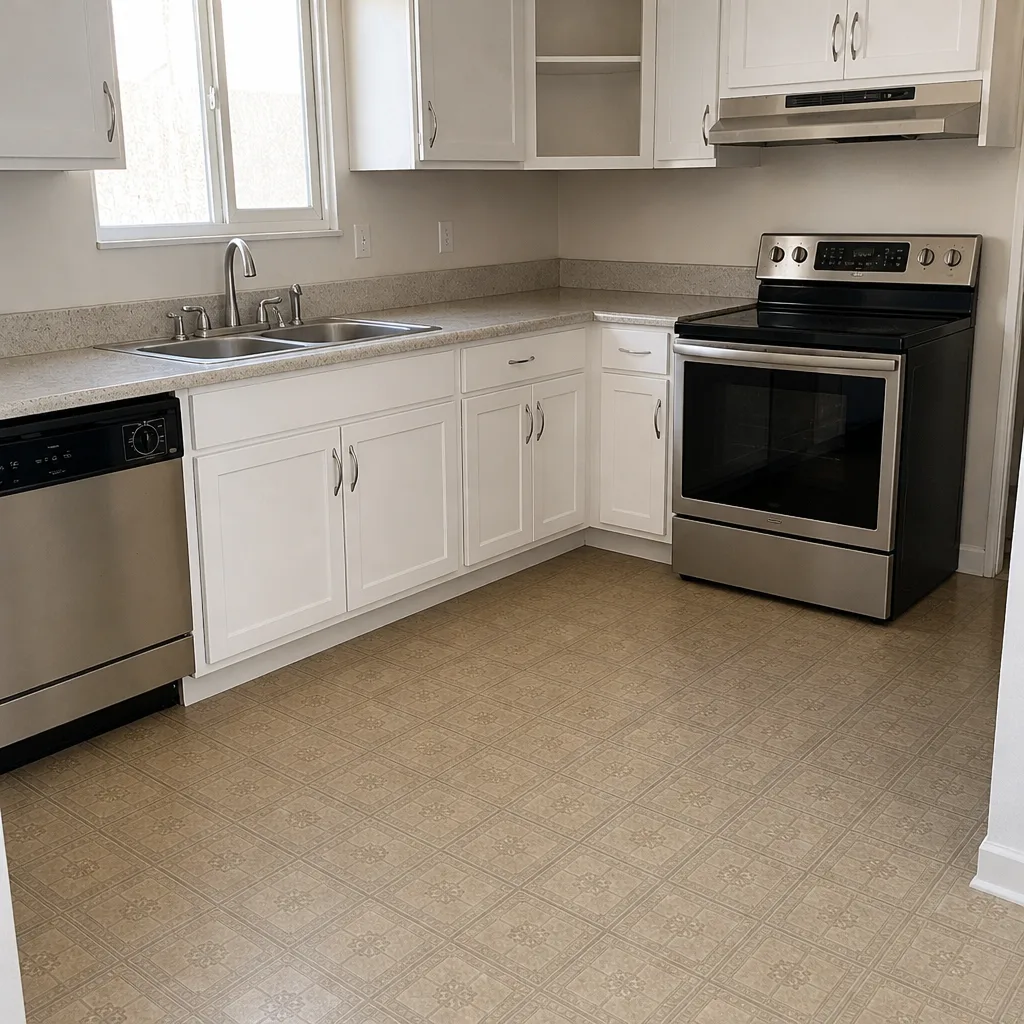 After
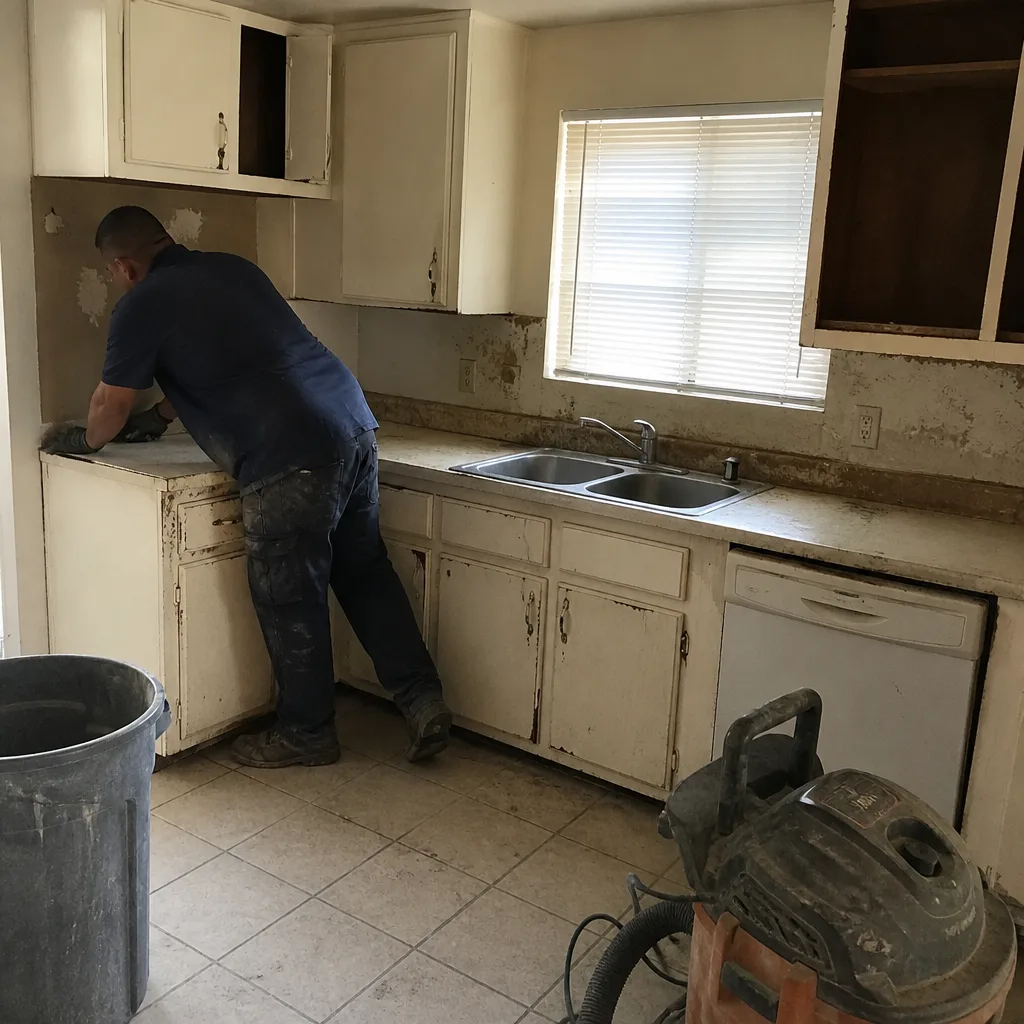 Before
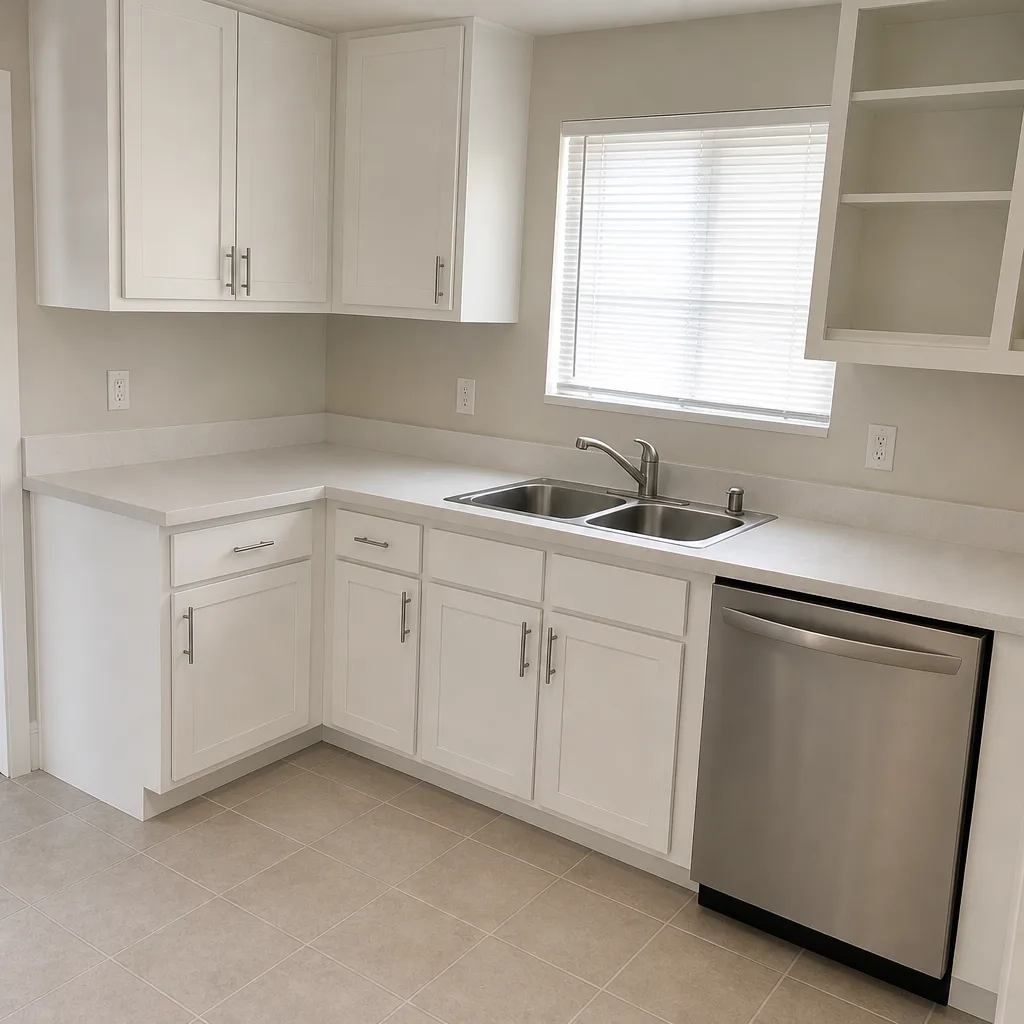 After
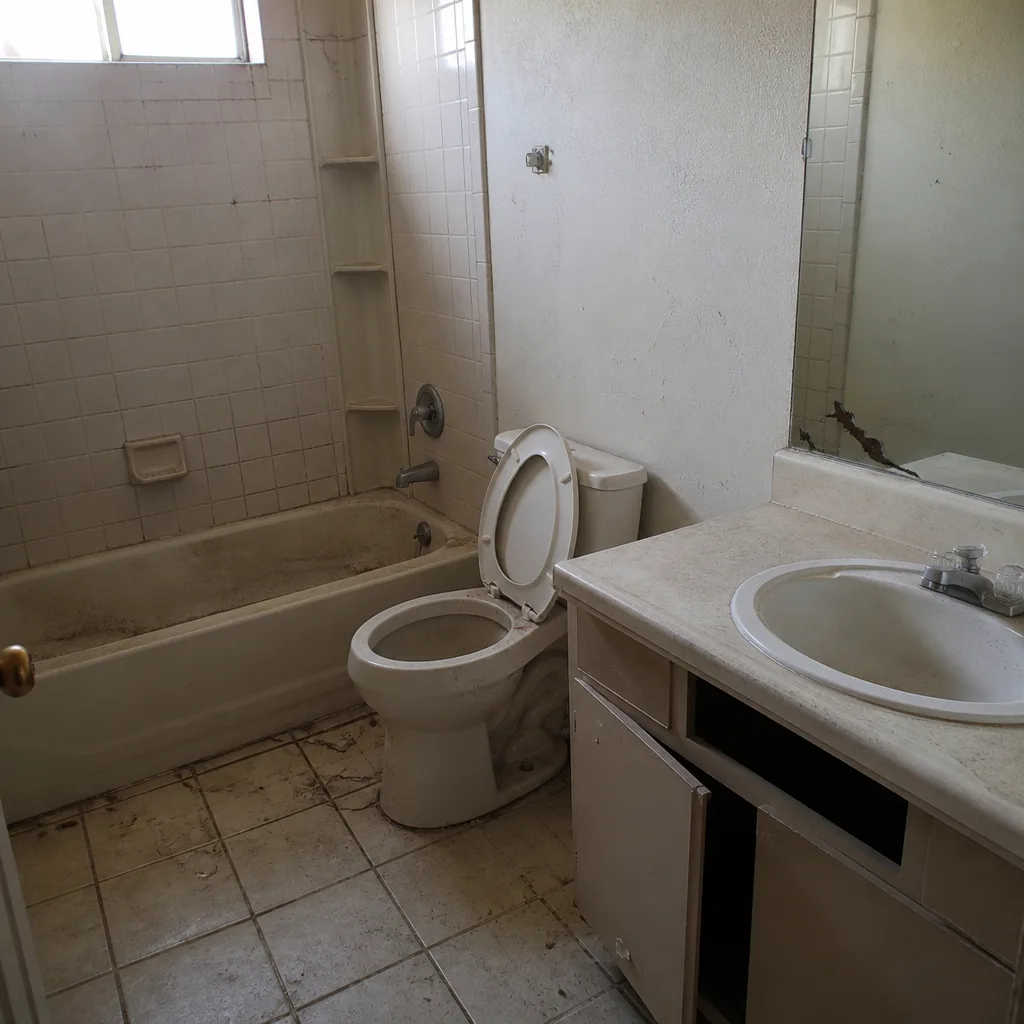 Before
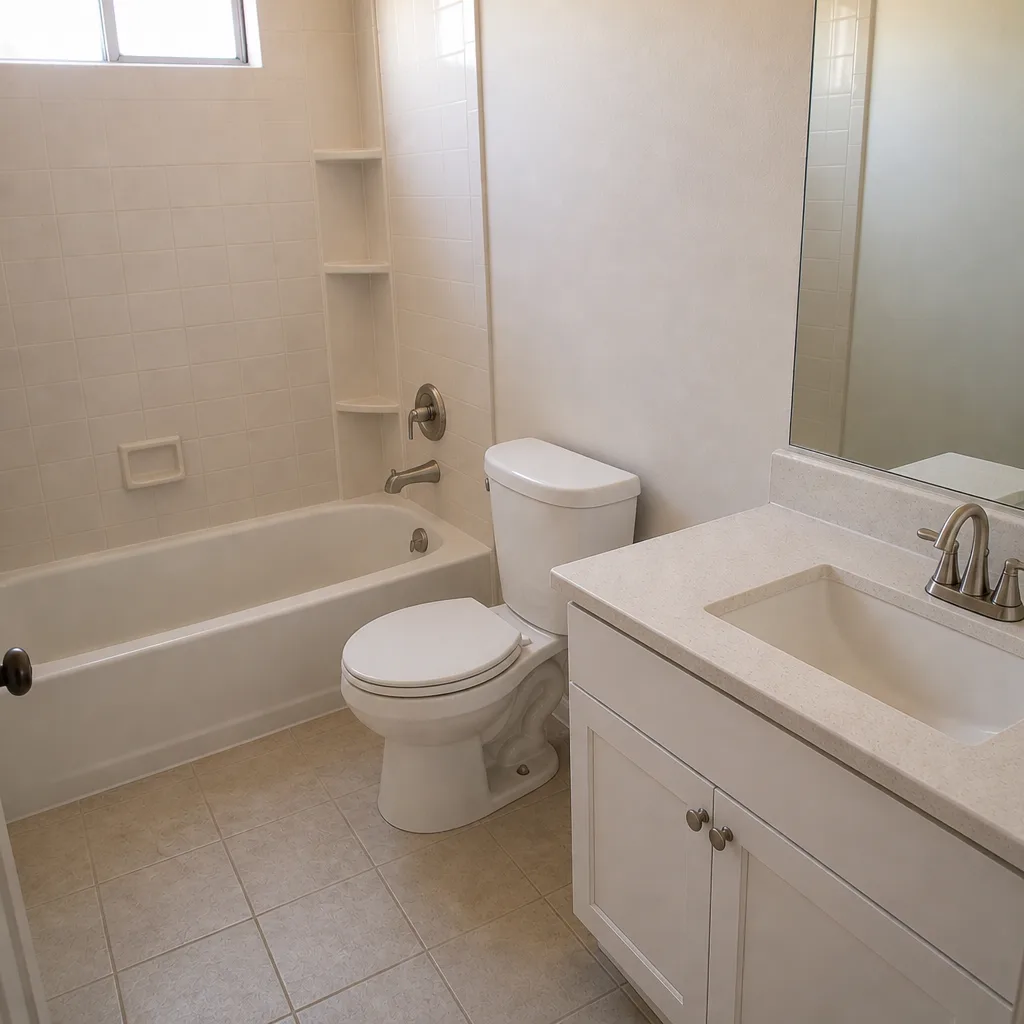 After
When to Call a Professional
Some projects are weekend work. Others aren’t, and pretending otherwise usually costs more than hiring out. Call a licensed general contractor in Whitney when the work involves moving or removing walls, changing electrical or plumbing rough-in, replacing a roof or siding, altering a load-bearing element, or remodeling a kitchen or bath where cabinets, countertops, tile, and fixtures all need coordination. Call when the scope will require permits – anything structural, electrical, or plumbing triggers Clark County review, and unlicensed work on those trades voids insurance and complicates resale. Call when the estimate you’ve already received is verbal and you want a written number before you go further. Penhallow Remodeling Whitney offers free estimates across Whitney – call (833) 721-7402 to schedule one.
Frequently Asked Questions

General contractor fees in Whitney typically run 15% to 25% of total project cost on top of materials and labor, or the contractor prices the whole job at a fixed written number that includes their margin. A mid-size Whitney kitchen remodel usually falls in the $45,000-$85,000 range; a full bathroom remodel, $18,000-$40,000; a whole-home remodel, $120,000-$300,000 or more. The exact number depends on layout changes, material grade, and structural scope. Call (833) 721-7402 for a written price, not a range.
Yes, for anything structural, electrical, plumbing, or mechanical. Clark County Building & Fire Prevention permits are required for wall moves, new circuits, plumbing relocations, and roofing in unincorporated Whitney. Cosmetic work like paint, flooring, or replacing a fixture without moving plumbing usually doesn’t require a permit. Plan 2-6 weeks for standard plan review. Ask your contractor to pull the permit in their name – that’s a sign they’re licensed and carrying the insurance to do the work.
It shouldn’t if the scope is written properly. The two legitimate reasons a price changes are (1) hidden conditions found after demo – water damage, rot, or old wiring behind the wall – and (2) a change you request in writing. Everything else should be in the original written scope and price. Any contractor whose price moves just because demo started is telling you what they’re about to do. Call (833) 721-7402 for a fixed written price before work begins.
A typical Whitney bathroom remodel runs 3-5 weeks of active construction once the permit is approved; a kitchen, 5-8 weeks; a whole-home remodel, 3-6 months. Add Clark County permit review time of 2-6 weeks to get the full calendar from signed contract to final inspection. The biggest variable that surprises homeowners is permit review, not construction speed.
Document everything first: contract, scope, payment records, photos, and any written communication. Then contact the Nevada State Contractors Board, which handles residential complaints against licensed contractors and can mediate or pursue disciplinary action. If the contractor was unlicensed, your recourse shifts to civil court and the loss may not be recoverable. This is why license verification before signing – not after – matters so much. Call (833) 721-7402 for a second opinion if you’re stuck mid-project.
A general contractor in Whitney manages the whole project, holds the license and insurance for the scope of work, pulls permits, coordinates the trades, and carries the written guarantee. A subcontractor is a licensed specialty trade (electrical, plumbing, tile) doing the specific work under the GC’s coordination. Hire the GC, hire the guarantee. The GC brings the subs – not the other way around. Call (833) 721-7402 to talk through the scope on your specific project.
The Bottom Line
Hiring a general contractor in Whitney is a shorter search than in Las Vegas, which makes every vetting step matter more, not less. Verify the license before anything else. Insist on a written scope and written price, not a verbal estimate. Keep your upfront payment at 30% or below and hold 5-10% for the final walkthrough. Plan Clark County permits into your calendar from day one, and pick a contractor who works this side of the valley rather than one who’s charging you for the drive. Do those five things and the project you get is the project you agreed to. Skip them and you’ll be the story your neighbor tells.
Penhallow Remodeling Whitney offers free estimates across Whitney, NV. Written price before work starts. Written guarantee on every project. Call (833) 721-7402 to schedule yours.
Written by the team at Penhallow Remodeling Whitney.