Last updated November 18, 2026








Free written scope consultation - allowances, timeline, and change-order rules on paper before a single trade is scheduled
DIY vs Professional General Contractor: What’s Safe to Do Yourself
Nevada allows homeowners to act as their own general contractor on their primary residence. That’s real, and it’s written into state law. Most DIYers never read the second half of that sentence – the part where acting as your own GC transfers the liability for everything that goes wrong onto you, including a water damage claim your insurer may decline. We’ve seen this play out in Whitney more than once: a homeowner pulls their own permit for a bathroom, skips the licensed plumbing rough-in, and finds out at resale that the shower pan was never inspected. This guide walks the line between what the law permits you to do yourself and what voids your coverage or fails inspection without a licensed contractor on record.
Quick Answer
In Nevada you can legally do most cosmetic work yourself – painting, trim, tile in a dry area, flooring, cabinet swaps – without a license or a permit. Anything that touches electrical, plumbing, HVAC, structural framing, or the exterior envelope needs a licensed contractor on record, and if you perform that work yourself as an owner-builder, you become personally liable for it and may lose insurance coverage for related claims.
Styles & brands we work with
- Kitchen remodeling
- Bathroom remodeling
- Home additions & ADU
- Roofing
- Windows & doors
- Driveway & pavers
- Fence
Table of Contents
- What Nevada’s owner-builder law actually permits
- What you still can’t do without a licensed sub
- How inspections work differently for DIY work
- Where DIY costs more than hiring a pro
- Insurance policy language to read before you start
- The four-column hire/DIY decision matrix
- Whitney-specific code and climate factors
- Common mistakes to avoid
What Nevada’s Owner-Builder Law Actually Permits
Nevada Revised Statutes Chapter 624 allows a homeowner to act as their own contractor on a property they own and occupy as their primary residence. The statute is specific: you must own the property, you must intend to live in it, and you can build or improve it without holding a contractor’s license. That’s the permission. It applies to one project at a time, it doesn’t extend to a rental, and it evaporates the moment you sell the property within a year of the work being completed without disclosing it.
What the law doesn’t say is that you can perform regulated trade work yourself. It says you can act as your own general contractor, which in Nevada means you can hire licensed subs, schedule the inspections, and manage the schedule. It does not mean you become an electrician. The distinction trips up a lot of Whitney homeowners who assume that because they can pull a permit as the owner-builder, they can do the electrical rough-in too. They can’t – not legally, and not insurably.
Here’s what the owner-builder designation actually gets you:
- You can pull permits in your own name for work on your primary residence
- You can hire licensed trades directly and manage them yourself
- You can perform cosmetic and non-regulated labor yourself
- You can save the general contractor’s markup and management fee – typically 15% to 25% of the total project cost
That last point is the real incentive, and it’s also the real trap. The GC markup you avoid is the fee for coordination, scheduling, and accepting liability when a sub does something wrong. If you skip the GC, you accept the liability yourself. Our team at Penhallow Remodeling Whitney’s general contractor page fields questions about this every week, and the honest answer is that owner-building makes sense for a narrow band of projects – usually a single-room, single-trade job where you genuinely know the trade.
What You Still Can’t Do Without a Licensed Sub in Nevada
Even as an owner-builder, three trades in Nevada require a licensed contractor when the work is permit-regulated. Electrical, plumbing, and HVAC. The state licenses those separately from general contracting, and the inspection process recognizes only a licensed trade signing off on the rough-in and the final.
We’ve watched homeowners in Whitney get this wrong in the most expensive way: they run their own plumbing for a bathroom addition, the rough-in inspects, and then the final inspection fails because the inspector wants a licensed plumber’s signature on the drain test. The rework means cutting back into the wall you just finished.
Beyond those three trades, structural work is the other hard boundary. Any modification to a load-bearing wall, any new beam, any header replacement, any change to the foundation – that needs an engineer’s stamp and a licensed contractor on the permit. Removing a wall in a Whitney ranch home built in the 1980s or 1990s almost always means discovering a post or a knee wall in the middle of the span you assumed was open.
If the scope requires any of the work listed below, plan on a licensed sub even if you’re acting as your own general contractor:
- Panel upgrades, new circuits, or wiring of any kind
- Water heater replacement, gas line work, or any drain or supply modification
- HVAC replacement, ductwork, or refrigerant work
- Load-bearing wall removal or beam installation
- Any work to the gas-fired appliances in the home – oven, range, fireplace, furnace
- Window and exterior door replacement in most jurisdictions, because of egress and energy code
If your Whitney project runs into any of these, the general contractor conversation becomes a matter of scope rather than preference. A realistic bathroom remodeling scope in Whitney that touches plumbing, electrical, and waterproofing is exactly the kind of project where a GC earns their markup.
How Inspections Work Differently for DIY Work
Here’s something most homeowners don’t learn until they’re standing in a sealed wall: owner-builder work is inspected to the same code as contractor work, but with none of the built-in QA. A licensed contractor self-inspects their rough-in before calling for the official inspection, because a re-inspection is a delay and a cost. An owner-builder usually calls the inspector cold, and the failure rate reflects it. In our experience running projects across Clark County, first-inspection failure on owner-builder rough-ins runs several times higher than on licensed contractor work – most often on electrical box fill, shower pan preslope, and drain slope.
The inspection sequence for any permitted remodel in Nevada looks like this:
- Permit pulled with the correct scope and trade designations
- Optional pre-construction meeting with the inspector
- Rough-in inspection – framing, electrical, plumbing, mechanical, all before drywall
- Insulation and energy code inspection
- Drywall and lath inspection
- Final inspection once tile, fixtures, and finishes are complete
If you fail a rough-in as an owner-builder, you correct, re-call, and pay a re-inspection fee. That’s the visible cost. The invisible one is scheduling: an inspector who is already skeptical of a homeowner-pulled permit takes a closer look at the next phase. A contractor who’s been through the process a hundred times gets a different level of trust, and the project moves faster because of it.
One Whitney-specific wrinkle: the local codes on moisture barriers and shower construction run stricter than the state minimum here. Your kitchen remodeling work in Whitney is unlikely to hit those code edges, but a bathroom will.
Where DIY Costs More Than Hiring a Pro
The math people skip is rework. We’ve priced out a lot of half-finished homeowner projects over the years, and the pattern is consistent: DIY costs you more once you count the tool rental, the materials you buy twice, and the pro you eventually hire to undo the first attempt. Here’s what the markup looks like on the most common Whitney projects.
Tile work. A homeowner with no tile saw rents one for $75 a day, buys thinset, spacers, and the tile twice because the first run didn’t lay flat. By the time a pro is called in for the redo, the demo alone runs $400 to $900. A pro installs it once and the substrate is correct underneath.
Bathroom waterproofing. This is the biggest gap between DIY and professional cost, and the one we see fail most. A shower pan that looks right and leaks slowly will produce rot and remediation that runs $6,000 to $15,000. A correctly built Schluter Kerdi system or a proper cement board substrate (the moisture-resistant layer behind your tile) costs a fraction of that and is invisible once it’s done, which is why DIYers skip it. Licensed installers use Schluter systems because the product carries its own manufacturer warranty alongside the installer’s labor guarantee.
Electrical and plumbing. The typical DIY rework on a bathroom electrical circuit runs $800 to $2,000 once the wall is opened up to correct box fill, missing GFCI protection, or a circuit that wasn’t dedicated. Plumbing reworks average higher.
Cabinet installation. A homeowner spends a weekend leveling base cabinets and ends up with a 1/4-inch rack that shows up at the countertop template. Cambria and Silestone countertop fabricators will flag an out-of-level cabinet run, and the fix becomes cabinet rework before the counter can be templated.
Where DIY actually wins on cost: painting, trim carpentry, interior doors, cabinet hardware, light fixture swaps (like-for-like, no new wiring), and flooring over a stable substrate. Those are the jobs where the tooling is minimal, the substrate is already correct, and the failure mode is cosmetic.
Insurance Policy Language to Read Before You Start
This is the section most DIY guides skip, and it’s the one that matters most after a claim. Read your homeowner’s policy language before starting anything that touches moisture, structure, or electrical. The three things to look for:
- “Ordinance or law” coverage. If your DIY work is later found non-compliant and code requires tearing it out during a claim repair, this coverage (or lack of it) decides whether the insurer pays for the tearout.
- “Workmanship” exclusions. Most policies exclude faulty workmanship as a cause of loss. If your DIY shower leaks and rots the wall, the insurer typically covers the resulting water damage but not the tearout and rebuild of the faulty work.
- “Owner-builder” disclosure. Some carriers require you to disclose owner-builder work at renewal. Failing to disclose can be cited as material misrepresentation and used to deny a later claim.
Call your carrier before you start. Ask two questions in plain language: “If I do this work myself and it fails, what does my policy cover?” and “Does doing this myself change my premium or my coverage?” Get the answer in writing – email is fine. If the answer is vague, treat it as a no-coverage answer and hire the work out.
One more layer: our written guarantee, the 365-Day Done Right Promise, is what backs the work on a Penhallow project. You don’t get a written promise from your own hands, and you can’t collect against a policy for the value of your labor. When we install a Toto or Grohe fixture, the manufacturer warranty and our labor guarantee stack. When you install the same fixture yourself, you have the manufacturer warranty and nothing else.
The Four-Column Hire/DIY Decision Matrix
Use this matrix to answer the question for your specific project. Score where you land in each column, and if any column lands on “hire,” you’re hiring.
Column 1: Scope size
- DIY: single room, single finish, no layout change
- Hire: multi-room, any layout change, any wall moved, any addition
Column 2: Permit requirement
- DIY: no permit required (paint, trim, surface tile, flooring, cabinet hardware)
- Hire: permit required and you have not pulled a permit for a project before
Column 3: Insurance exposure
- DIY: work is finished-facing and not moisture or fire exposed
- Hire: work touches moisture, electrical, gas, or structure
Column 4: Skill ceiling
- DIY: you’ve done this exact task before, on your own house or a friend’s
- Hire: you’ve watched it done on video, or read about it this week
If you score DIY on all four, do the work. If you score hire on even one, get a written price from a licensed pro before picking up a tool. The matrix gives a clean answer for the vast majority of projects we see in Whitney – which is to say, roughly 70% of homeowner renovation tasks we’re asked about land on hire somewhere in the matrix, usually in the permit or insurance column.
Whitney-Specific Code and Climate Factors
Whitney sits on the east edge of the Las Vegas Valley, and the local code and climate both shape what’s safe to do yourself here. The desert climate seems forgiving, but it produces its own failure modes. Shower and tub surrounds on exterior walls in Whitney face 40-degree temperature swings between winter night and afternoon, and a DIY tile job with the wrong thinset or a thin moisture barrier will fail along those exterior walls within a couple of seasons. We see more failed shower pans on the north-facing bathrooms than anywhere else.
Local jurisdictional requirements worth knowing before you start any permitted project in Whitney:
- Permits are pulled through Clark County, not the city; the county handles unincorporated Whitney
- Any new gas appliance – water heater, range, dryer – requires a permit and a licensed installer
- Pool safety barriers and any exterior electrical within the pool zone are code-regulated and not homeowner-installable
- Front-yard landscape changes over a certain area may trigger a water district review; check before you dig
Construction debris here also handles differently than other markets. C&D (construction and demolition) waste for a full tile demo runs $300 to $700 for the dumpster and hauling, which is a line item DIYers routinely forget. A licensed outfit like a ProWall-certified contractor builds it into their bid. From our team in Whitney, that same insight comes up in almost every estimate conversation: the visible work is the cheap part, the demo and hauling is where budgets blow up.
Common Mistakes to Avoid
- Skipping the permit because “it’s small.” Any regulated work without a permit becomes an unpermitted improvement at resale, which can kill a buyer’s financing. We’ve seen Whitney homes sit on the market for months because of an unpermitted bathroom addition.
- Doing your own electrical rough-in behind drywall. The wall gets closed, the inspection never happens, and the wiring is unknown to anyone until it fails. Reopening a finished wall to correct a DIY circuit runs $1,200 to $2,500 in our experience.
- Buying tile before the substrate is planned. A DIYer who buys beautiful tile and then discovers the substrate needs replacing has bought the wrong thinset, the wrong backer, and probably the wrong grout. Plan the layers before the surface.
- Not reading the warranty on fixtures you install yourself. Toto and Grohe warranties generally survive homeowner installation for the product itself, but the labor warranty is gone. Any installation defect is your cost.
- Ignoring the disclosure requirement when you sell. Nevada requires an owner-builder disclosure in the seller’s disclosure. Skipping it can void a sale and, in the worst case, expose you to a buyer’s claim.
- Assuming the contractor’s bid is negotiable after demo. A written price protects you here; a verbal estimate doesn’t. This is why every Penhallow project starts with a written number before work begins – not an estimate range, a written price.
- Renting tools you’ll use once. A tile saw rental, floor sander rental, and drywall lift rental together run $400 to $800 for a typical Whitney project. The cost of a pro often nets lower once you’re honest about rental math.
See the difference
 Before
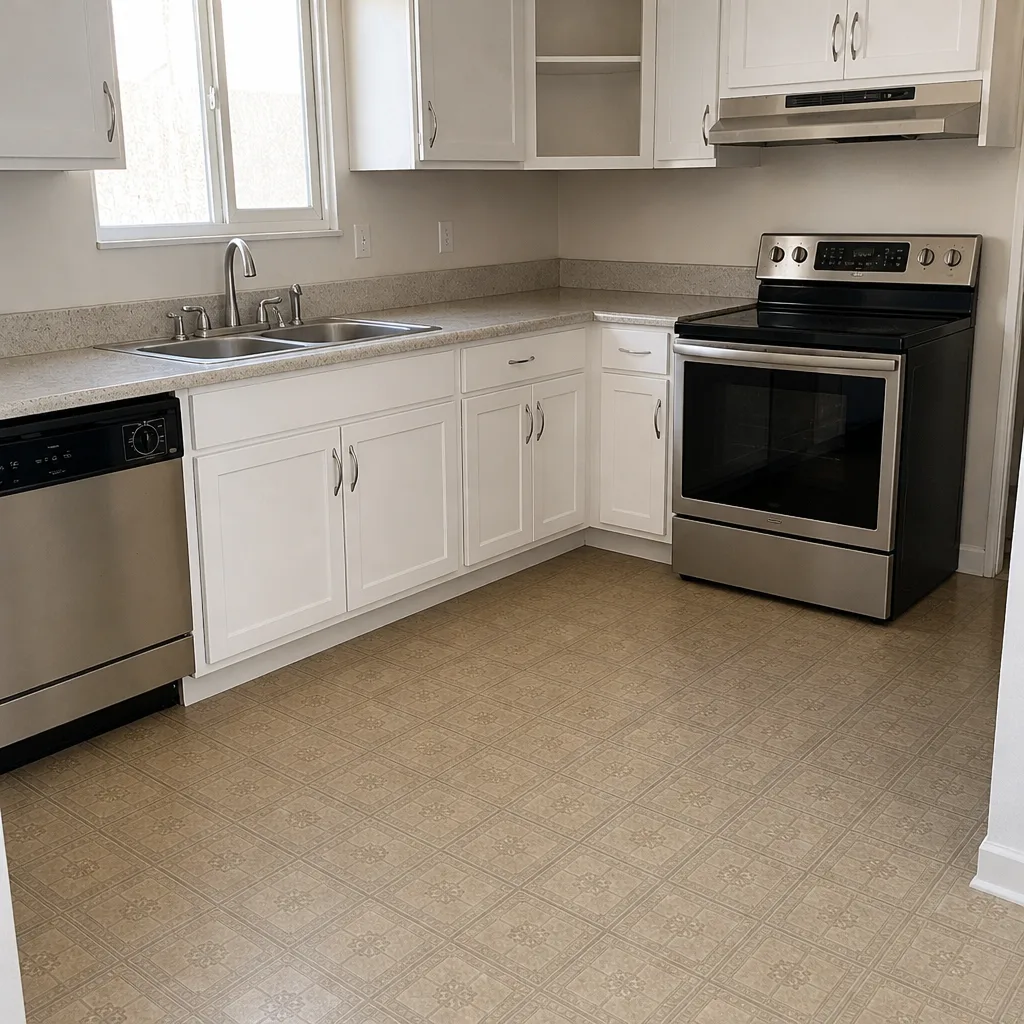 After
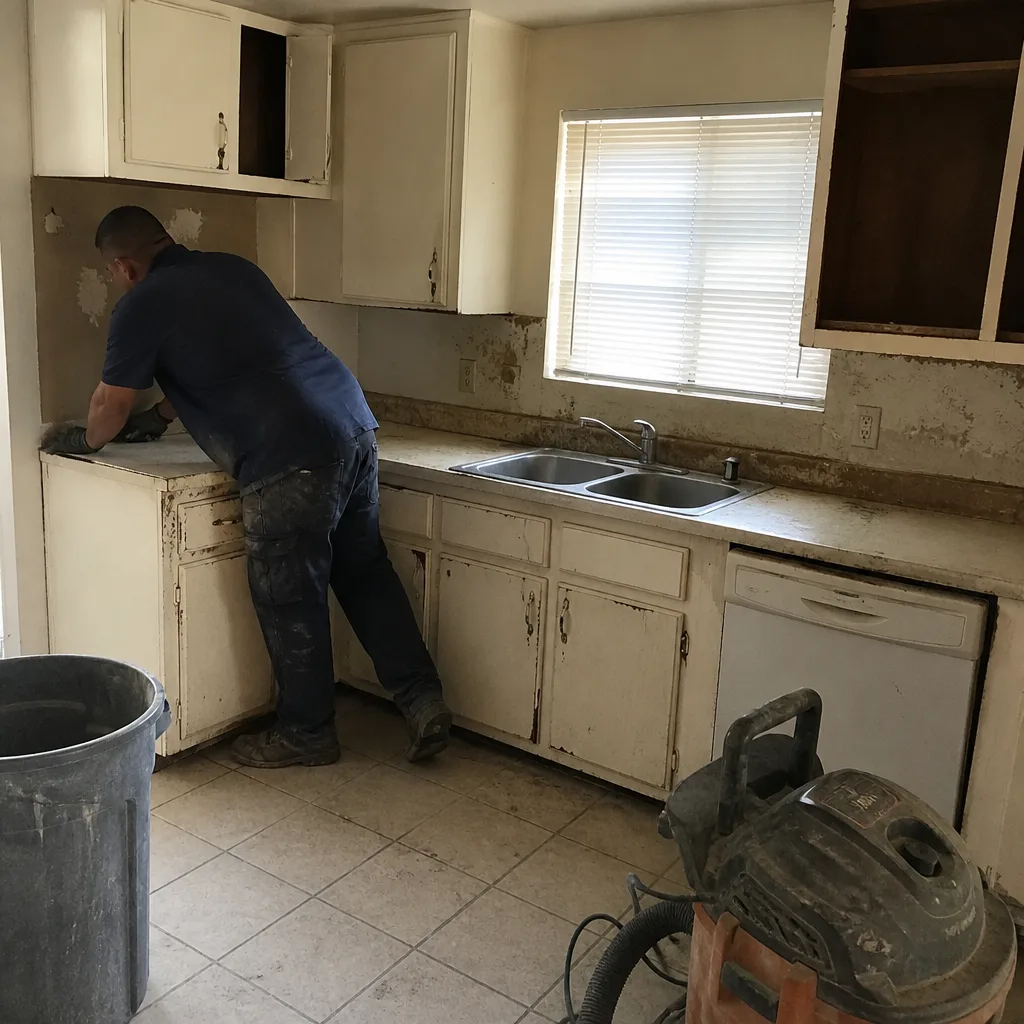 Before
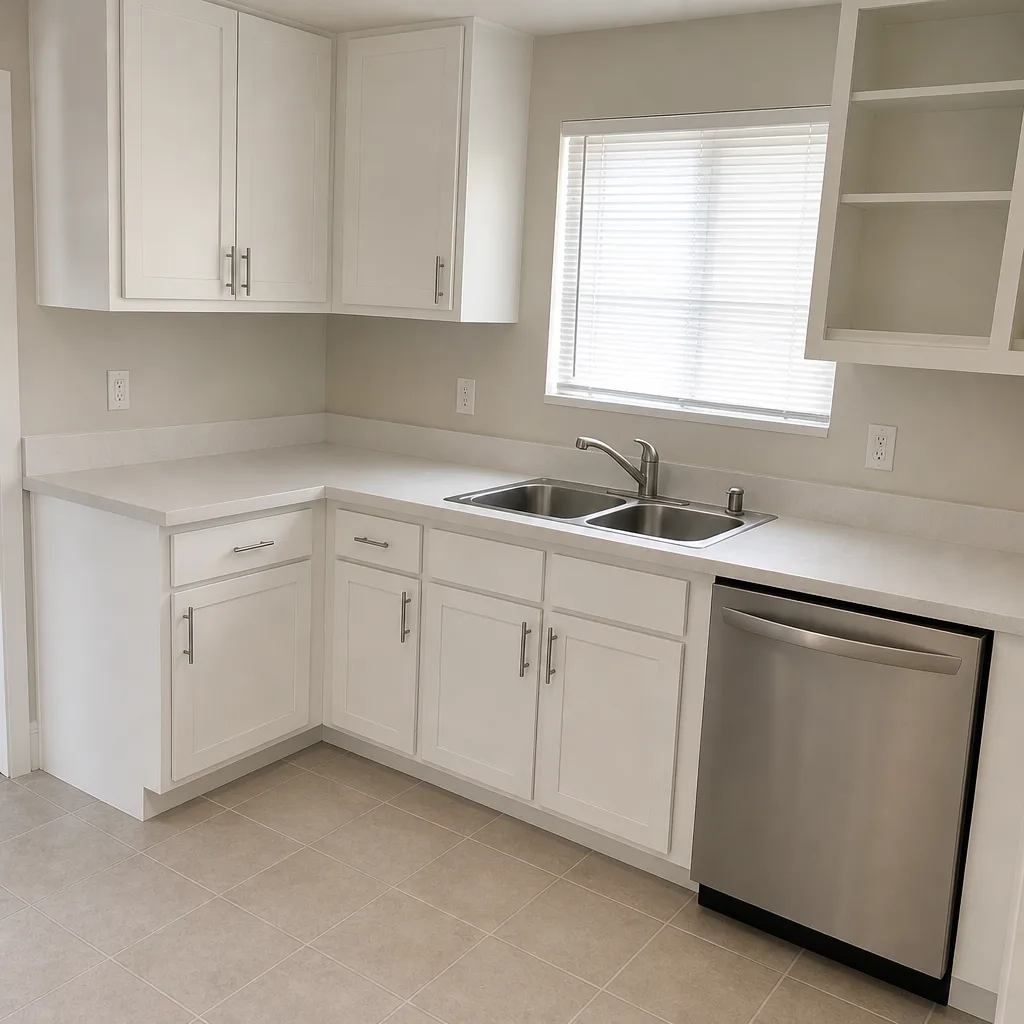 After
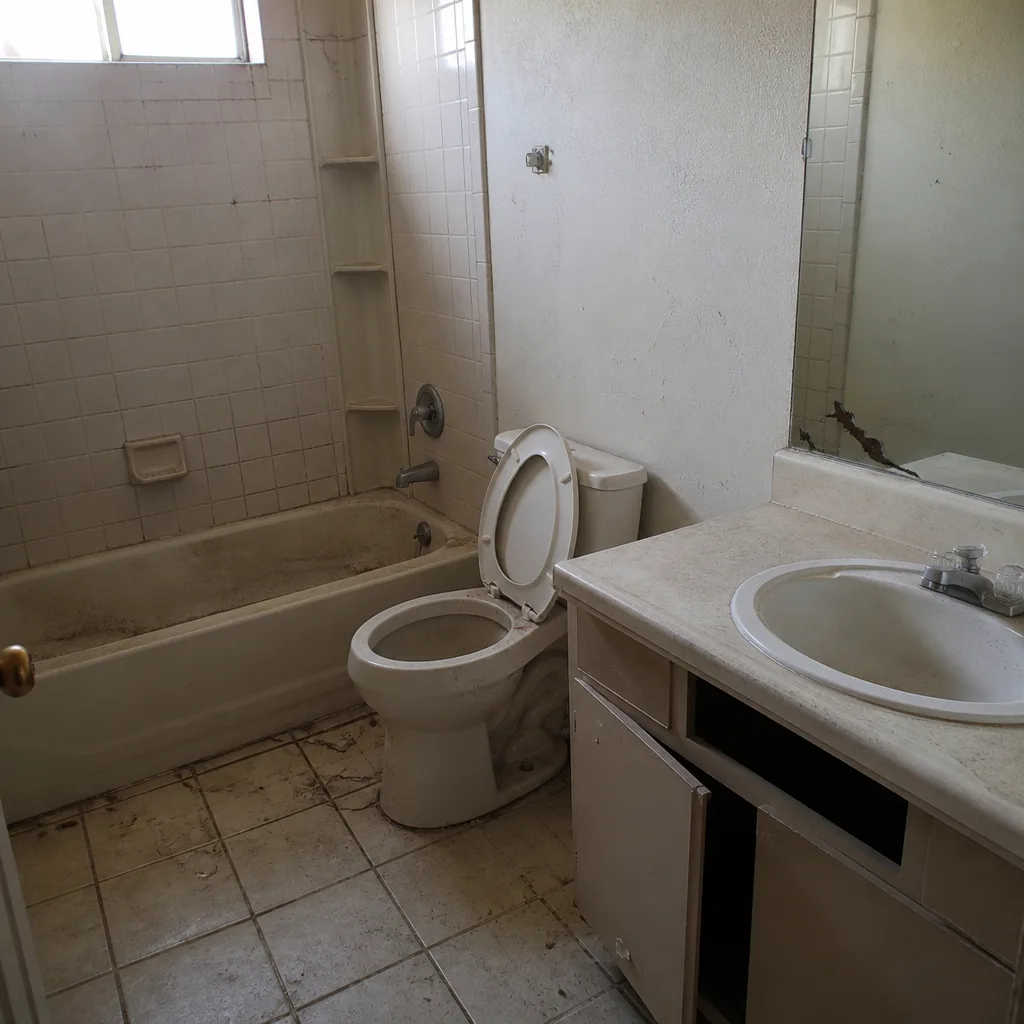 Before
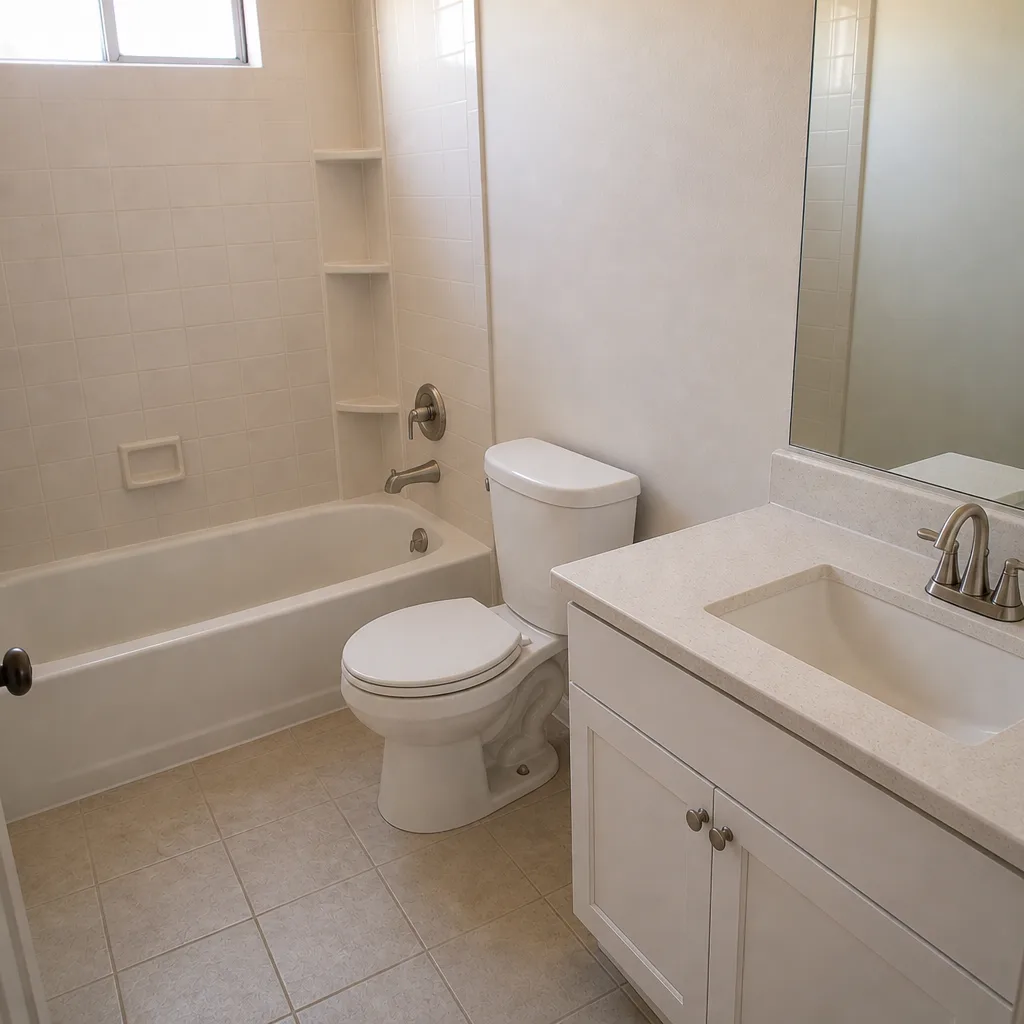 After
When to Call a Professional

Call a professional when the work touches electrical, plumbing, gas, HVAC, structure, or the exterior envelope. Call when the project requires a permit and you haven’t pulled one before. Call when the work is moisture-exposed – shower, tub, laundry room, exterior wall – because the failure mode is invisible rot. Call when your insurance carrier’s answer to “what does my policy cover?” was vague. And call when the scope hits any hire column on the decision matrix above, because the money you think you’re saving is usually just deferred.
Penhallow Remodeling Whitney offers free estimates in Whitney – call (833) 721-7402. Every estimate is a written price before any work starts, backed by the Kingswell Guarantee and the 365-Day Done Right Promise. Our technicians have up to 22 years of experience and are background-checked and uniformed, so you know exactly who is walking into your home.
Frequently Asked Questions
No. Nevada requires a licensed electrician for any permit-regulated electrical work, even in your primary residence as an owner-builder. The owner-builder designation lets you act as your own general contractor, not as your own electrician. Performing your own electrical work can void your insurance coverage on a related claim and will fail final inspection without a licensed trade signing off.
Owner-builder means you own the property, live in it as your primary residence, and are managing the project yourself in place of hiring a general contractor. In Whitney and the unincorporated parts of Clark County, the county pulls your permits as an owner-builder and schedules your inspections. You can hire licensed subs directly and do your own cosmetic labor, but electrical, plumbing, and HVAC still require licensed trades.
Usually only the resulting damage, not the faulty work itself. Most policies exclude faulty workmanship as a cause of loss, so if a DIY shower pan leaks and rots the wall, the insurer covers the water damage but not the tearout and rebuild of the shower. Read your “ordinance or law” and “workmanship” exclusions before starting, and call your carrier in writing.
Higher than contractor work – several times higher in our experience running Clark County projects. The most common failures are electrical box fill, shower pan preslope, and drain slope, because owner-builders call the inspector cold without the self-inspection a licensed contractor does first. A re-inspection fee and a delay are the visible cost; a more skeptical inspector on the next phase is the invisible one.
Only if the project is cosmetic – paint, tile over an existing substrate, vanity and fixture replacements that don’t touch plumbing or wiring. Any bathroom remodel that involves moving plumbing, adding a circuit, or building a new shower pan hits at least three hire columns: permit, insurance, and skill ceiling. That’s the point where a licensed general contractor is the cheaper decision, not the more expensive one.
Typically 15% to 25% of the project total, which is the GC’s markup for coordination, scheduling, and liability. On a $40,000 bathroom remodel that’s $6,000 to $10,000 saved. The catch is you accept the liability and the rework risk, and if you pay for one redo – typically $4,000 to $8,000 on a bathroom – the savings are largely gone. Call (833) 721-7402 for a written comparison if you’re weighing the two paths.
The Bottom Line

Nevada’s owner-builder law is real, and it lets Whitney homeowners act as their own general contractor on their primary residence. What it doesn’t let you do is skip the licensed trades – electrical, plumbing, HVAC, and structural all require a licensed contractor on the permit, whether you’re the GC or not. The decision matrix comes down to four columns: scope, permit, insurance exposure, and skill ceiling. If you score hire on any one, you’re hiring. Do the cosmetic work yourself – the painting, the trim, the hardware – and hire a licensed general contractor for anything that touches moisture, power, gas, or structure. For a written price before work starts, backed by the 365-Day Done Right Promise, call Penhallow Remodeling Whitney for kitchen remodeling in Whitney or bathroom remodeling in Whitney at (833) 721-7402 – a live person answers, and the estimate is free. The 365-Day Done Right Promise means if work fails inside the guarantee period, we come back and fix it at no charge; the free return visit on a failed repair means no service call and no re-inspection fee.
Written by the team at Penhallow Remodeling Whitney.