Last updated November 18, 2026




Free written scope consultation - allowances, timeline, and change-order rules on paper before a single trade is scheduled
DIY vs Professional Home Remodeling: What’s Safe to Do Yourself
Painting a room yourself saves around $400. A bad paint job costs $400 to fix, plus your weekend. Doing your own tile work saves maybe $800. A bad tile job over a shower pan can cost $4,000 in hidden water damage within two years. The math on DIY isn’t uniform, and most guides skip the math entirely. They tell you to “know your limits” and leave it there. We’d rather sort tasks by what a mistake actually costs you, because that’s the number that matters. In this guide, you’ll see which remodeling tasks in Whitney carry cheap, reversible mistakes, which ones carry expensive, hidden ones, and where Nevada licensing rules make DIY a permit and insurance problem rather than a money-saver.
Styles & brands we work with
- Kitchen remodeling
- Bathroom remodeling
- Home additions & ADU
- Roofing
- Windows & doors
- Driveway & pavers
- Fence
Quick Answer
The safest DIY remodeling tasks are painting, swapping fixtures, installing a toilet, hanging drywall, and light demolition. The tasks to leave to professionals are anything behind the wall or under the floor: electrical panel work, plumbing rough-in, shower waterproofing, tile setting over a wet area, and structural changes. The dividing line isn’t skill level. It’s the cost of a mistake you can’t see until months later.
Table of Contents
- The Two-Column Framework: Recoverable vs. Hidden Mistakes
- What Requires a Licensed Professional in Whitney, NV
- Tasks Where a DIY Mistake Is Cheap and Reversible
- Tasks Where a DIY Mistake Is Expensive and Hidden
- Should You Do Your Own Demo to Save Money?
- What a Motivated Homeowner Can Learn in a Weekend
- How a Written Scope Protects Partial DIYers
- Common Mistakes to Avoid
- When to Call a Professional
- Frequently Asked Questions
The Two-Column Framework: Recoverable vs. Hidden Mistakes
Most DIY advice asks “how hard is it?” That’s the wrong question. Difficulty tells you how long a task takes. It doesn’t tell you what happens when you get it wrong. So we sort tasks a different way: is the mistake cheap and visible, or expensive and hidden?
A recoverable mistake shows itself immediately and costs a modest amount to undo. Paint that looks patchy dries in two hours and you can see it. A cabinet door hung crooked is obviously crooked. These are the tasks where DIY makes real financial sense.
A hidden mistake fails quietly. A shower pan that wasn’t sloped correctly doesn’t leak the day you finish it. It leaks into the subfloor over a year or two. By the time you notice the soft spot or the buckled trim, the repair has moved from drywall to framing. Those are the tasks where the DIY savings get eaten twice over.
Here’s the distinction, laid out plainly:
-
Recoverable (DIY-friendly):
- Interior painting and trim touch-ups
- Replacing light fixtures, faucets, and showerheads
- Swapping a toilet with an existing flange
- Patching drywall and hanging fresh drywall
- Removing old cabinets and flooring
-
Hidden (hire out):
- Shower waterproofing and tile over a wet area
- Plumbing rough-in and relocating drain lines
- Electrical panel work and new circuit runs
- Moving or removing walls
- Leveling floors before new flooring goes down
When we quote remodels in Whitney, the shower is the single most common spot we see a homeowner’s earlier DIY attempt fail. Southern Nevada’s hard water and dry heat are rough on a poorly sealed shower, and the failure shows up months after the contractor left.
What Requires a Licensed Professional in Whitney, NV
Nevada takes licensing and permitting seriously, and that has real consequences for a homeowner who decides to do the technical work alone. Wired electrical and plumbing work behind a wall requires a permit and licensed work in Whitney. That’s not a suggestion, it’s code, and it changes what your homeowner’s insurance will cover.
Two categories in a typical remodel trigger this:
- Electrical panel work and new circuits. Adding a circuit for that new wall oven or moving a receptacle for a fridge? Any work at the panel, or pulling new wire through a wall, needs a licensed electrician and an inspection. If you do it yourself and something later burns, an insurer can deny the claim because the work wasn’t permitted.
- Plumbing rough-in. Relocating a drain, adding a supply line for a new sink, or moving a shower valve falls here. The rough-in is buried behind tile and drywall, so a small leak isn’t discovered until it has done real damage. In Whitney, we’ve seen this turn a $900 plumbing job into a $6,000 repair once the leak reached the floor framing.
Beyond electrical and plumbing, structural changes fall under the same rule. If you’re taking out a wall, you need a professional to confirm whether it’s load-bearing, and in many cases you need a permit and an inspection to close it out. A wall that shouldn’t have come down is the most expensive mistake on this list, full stop.
For a full breakdown of what a licensed contractor covers across a project, our general contractor in Whitney page walks through the scope. If the project is a kitchen, our kitchen remodeling in Whitney page covers where the licensed work falls.
Tasks Where a DIY Mistake Is Cheap and Reversible
These are the tasks where a mistake is annoying but not expensive. The material cost is low, the fix is fast, and you can see the problem with your own eyes before it becomes a bigger issue.
- Interior painting. A gallon of good paint runs $40 to $70. If you cut a corner badly or get roller marks, one more coat fixes it. Worst case, you sand a spot and repaint. The money saved on a whole room is around $300 to $500 versus hiring it out.
- Swapping faucets and fixtures. Replacing a bathroom faucet with a Moen or Delta model is a genuine weekend job. If the connection drips, you know within the hour. The caveat: if the shutoff valves are seized or corroded, stop and call a plumber. Forcing old valves is how a $200 job becomes a $900 one with water everywhere.
- Replacing a toilet. Same idea. Setting a new toilet on an existing flange is doable. A Kohler or similar quality fixture makes the job easier because the fit is consistent. If the flange itself is cracked or the floor is soft underneath, that’s when you stop.
- Hanging and patching drywall. A slightly off joist or a visible seam is recoverable. You sand, mud, and go again. The only part to learn properly is mudding thin coats rather than one thick one.
- Demo and hauling. Pulling old cabinets and tearing out old flooring is a great way to save on labor cost, with one condition we cover below.
The through-line on all of these: what you install is visible, and if it’s wrong you can see it without opening anything up. That’s what makes the mistake cheap.
Tasks Where a DIY Mistake Is Expensive and Hidden
This is the column where DIY gets risky. Not because these tasks are impossible to learn, but because they fail out of sight and take months to surface. The repair at that point is no longer the original job.
- Shower waterproofing and tile over a wet area. The pan, the slope to drain, the waterproofing membrane behind the tile: get any of these wrong and water gets into the wall cavity. In Whitney, where the air is dry, a wet spot can seem to disappear during the day and still be rotting the framing. A failed shower pan over a year or two can cost $3,000 to $5,000 to correct once the substrate and subfloor are involved. A professionally set shower looks the same on day one and is still sound on day 3,000.
- Tile in general. Good tile setting comes from repetition. Getting the thin-set consistency right, back-buttering, keeping joints consistent, and controlling lippage on large-format tile takes years of doing it, not a weekend video. A floor that looks passable at first can develop hollow spots and shifting grout within a season.
- Floor leveling. A floor that isn’t flat before the new flooring goes down telegraphs through. You won’t see the problem until the planks start rocking.
- Cabinet installation. Hanging uppers out of level shows up immediately, but mis-set base cabinets can throw the countertop, the backsplash, and appliance fit out of alignment. That’s a chain reaction, not a single fix. When we install KraftMaid or Wellborn cabinetry, the leveling and shimming is a real part of the schedule, not an afterthought.
Notice that most of these involve either water or load. Water you can’t see and load you can’t feel are exactly where DIY stops being a savings and becomes a liability. For a sense of what a full professional bathroom scope looks like, our bathroom remodeling in Whitney page lays it out.
Should You Do Your Own Demo to Save Money?
Usually yes, but it depends on how far you take it. Demo labor is a real line item, and pulling old cabinets, tearing out old flooring, and hauling away debris can shave a meaningful amount off a remodel budget. Homeowners who do their own demo often save $500 to $1,500 depending on the room size and how much is being removed.
The risk is in over-demoing. A homeowner who removes a wall, cuts into a plumbing line, or pulls electrical without killing the breaker creates a problem for whoever comes after. Now the contractor is looking at a job where the scope has changed and the liability has shifted. Some contractors won’t take that handoff, or they’ll add a line item to cover the unforeseen repair work.
Here’s the way to do demo without causing that problem:
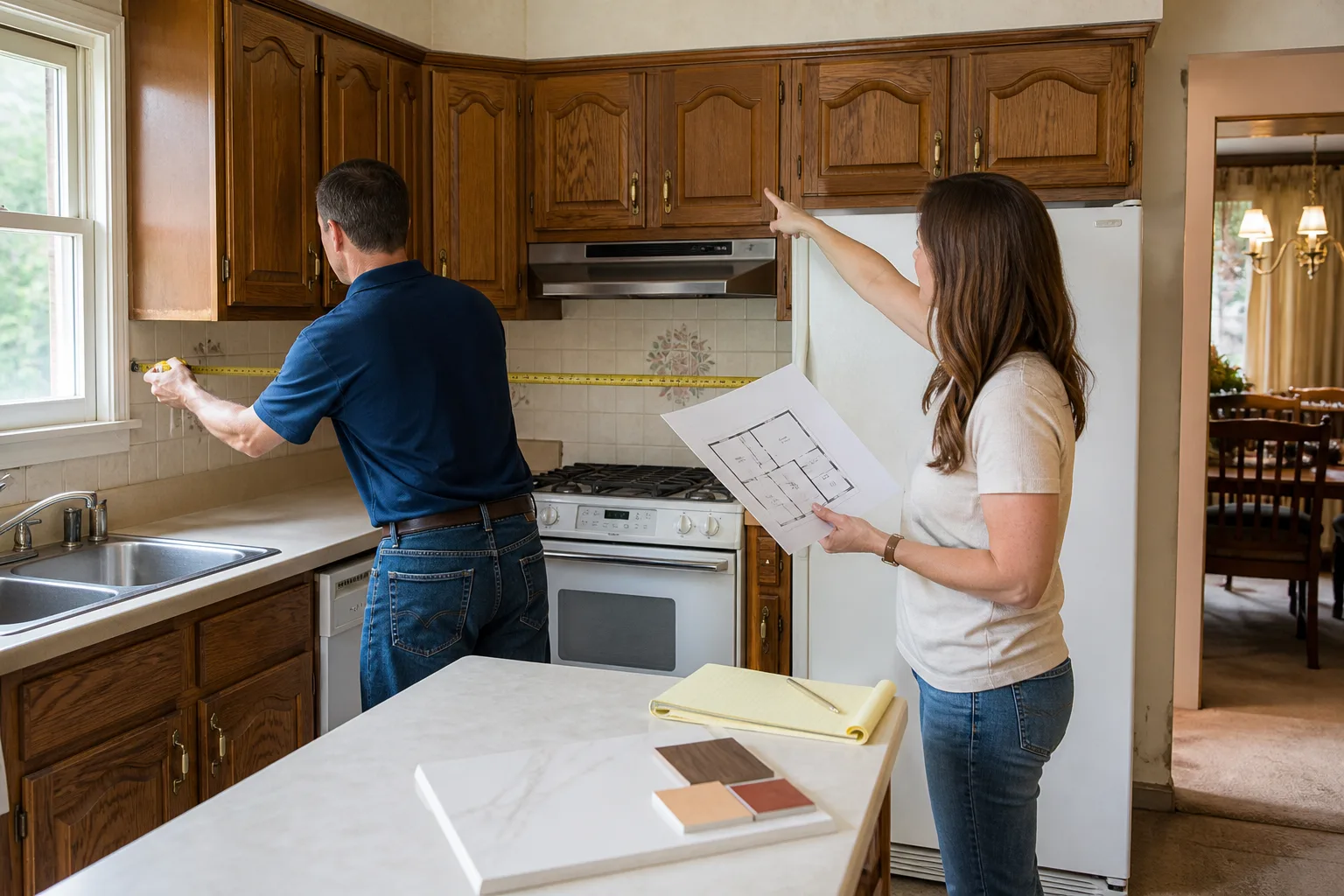
- Confirm the scope of demo in writing first. Ask exactly what you’re removing and where you stop. “Pull the cabinets, leave the drywall and plumbing rough-in intact” is a clear instruction.
- Kill the power and water before you touch anything. This is not optional. Find the breaker and the shutoff, tag them, and confirm the power is dead at the outlet before pulling wire or cutting into a wall.
- Don’t remove structural walls or load-bearing elements. If there’s a question, stop and let a professional confirm before anything comes down.
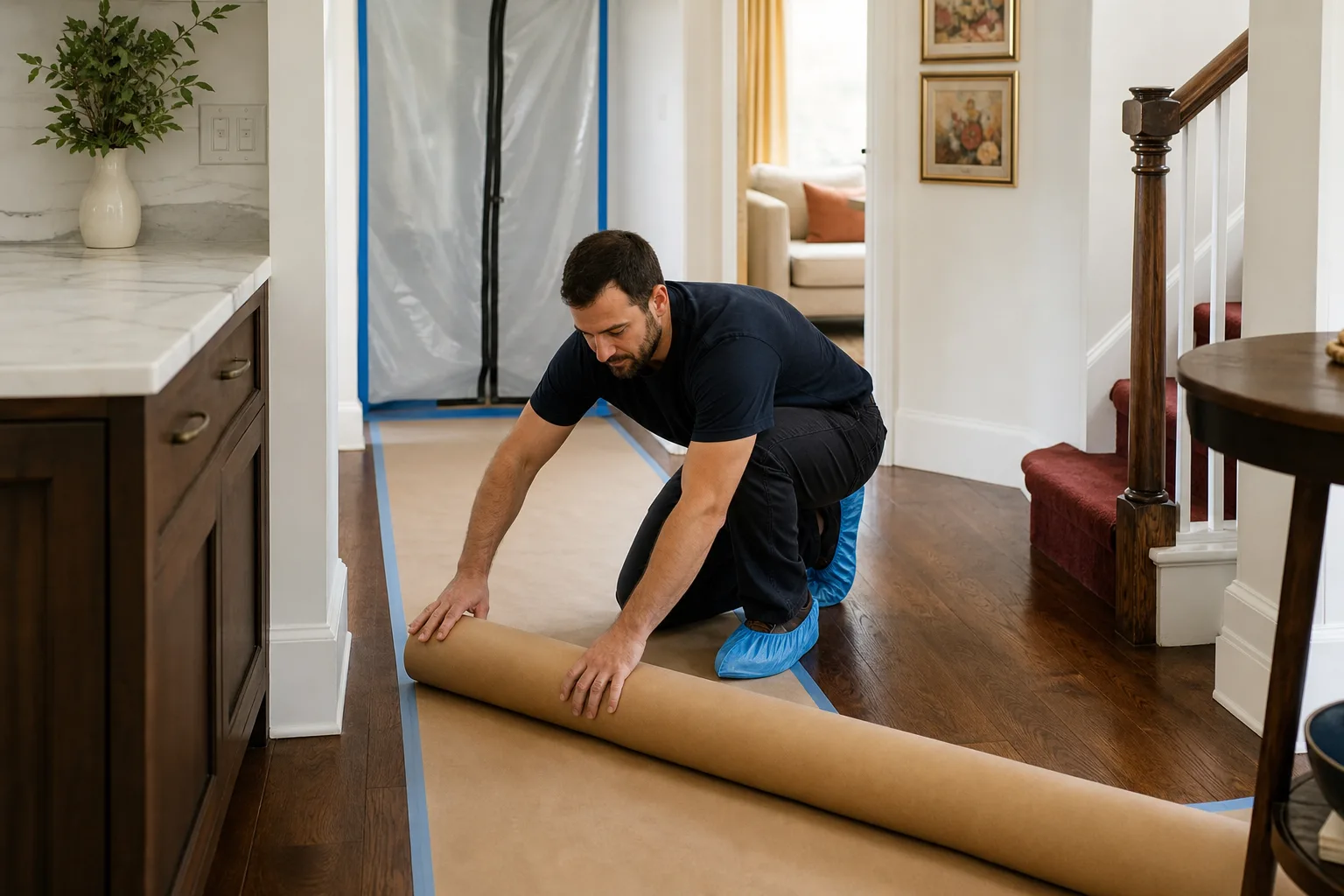
- Leave the handoff clean. A clean demo site that’s ready for the contractor to start is what everyone wants. Debris piled in a corner or a half-cut pipe is not.
The honest version: doing your own demo is one of the best value-per-hour DIY tasks you can take on, as long as you don’t cross into the work that has to be permitted and inspected.
What a Motivated Homeowner Can Learn in a Weekend
Some things genuinely yield to a weekend of careful practice. Others don’t, and no amount of video watching closes the gap, because the skill is in the hands, not the head.
What you can learn well in a weekend:
- Painting with clean edges and proper coverage
- Replacing a faucet or showerhead
- Setting a toilet on an existing flange
- Patching drywall and applying a smooth finish
- Hanging drywall on a project that isn’t a wet area
- Installing a light fixture or a smart switch (with the breaker off and no new wiring needed)
What requires years of repetition to do correctly:
- Setting tile flat and consistent, especially large-format
- Waterproofing a shower correctly from the substrate up
- Bending and running conduit or wiring a subpanel
- Sweating or pressing copper and running drain lines with proper fall
- Hanging cabinets so they’re plumb, level, and square to the room
- Framing or removing a wall safely
The pattern is clear. If the skill shows in the finish and a mistake is visible, a weekend can get you most of the way. If the skill lives behind the finish, repetition is the only teacher. Our technicians have up to 22 years of experience across these trades, and there’s a reason a 22-year tiler still checks the slope of a pan before laying the membrane.
How a Written Scope Protects Partial DIYers Who Do Part of the Job
Plenty of homeowners in Whitney want to do part of the project and hire out the rest. That’s a smart approach. It only works, though, if the handoff points are written down before anyone picks up a tool.
A written scope does three things for a partial DIYer:
- It marks the exact handoff. The scope says “homeowner provides demo and cabinet assembly; contractor provides rough-in, waterproofing, tile, and installation.” There’s no argument later about who was supposed to do what, because it’s on paper.
- It protects the price. Without a written scope, a contractor who arrives to a half-finished job can reasonably charge for what wasn’t done or what they have to correct. With one, the written price stays the written price.
- It lets you sequence the work correctly. You can’t tile before the waterproofing, and you can’t install the vanity before the plumbing rough-in is signed off. A written scope sequences the steps so you don’t do your half out of order.
This is where a written price up front matters. At Penhallow, every homeowner gets a written price before any work starts, so the number on day one is the number on the invoice. If you’re doing part of the job yourself, that written scope is also where your half and our half get defined. One free second visit if a repair fails is part of the same promise, and the 365-Day Done Right Promise covers the work in writing. If it fails inside the year, we come back and make it right.
For anyone weighing a full professional scope against a partial one, our Penhallow Remodeling Whitney home page gives the overview of how a project is structured.
Common Mistakes to Avoid
- Doing electrical or plumbing rough-in yourself to save a few hundred dollars. The savings look real until you need to sell the house or file an insurance claim and the unpermitted work is discovered. The permit and inspection requirement exists for a reason.
- Tiling a shower without properly waterproofing the substrate. This is the most expensive DIY mistake in a bathroom, and it fails silently over a year or more. Let a professional handle the pan and membrane.
- Over-demoing after the contractor has quoted the job. Pulling a wall or cutting a pipe that wasn’t in the written scope changes the job and can add a line item for the correction.
- Forcing seized shutoff valves or old plumbing to save time. A corroded valve can snap and leave you with water everywhere. Know when to stop and call a plumber.
- Buying the materials before the scope is written. Cabinet dimensions, tile layout, and fixture specs are all connected. Ordering before the written scope is settled is how you end up with a cabinet line that doesn’t fit the plan.
- Treating “I watched a video” as the same as “I’ve done this.” A lot of DIY headaches come from overconfidence on hidden-skill tasks. Be honest with yourself about the difference.
- Doing the demo without confirming the power and water are off. This is where injuries happen. Confirm the breaker and the shutoff every time, no shortcuts.
When to Call a Professional
Call a professional when the task involves anything behind the wall or under the floor, when it touches the electrical panel or plumbing rough-in, when a wall might be load-bearing, or when water will be involved in a way you can’t see. Call when you’re not sure whether a wall is structural. Call when the shower pan is in play. And call when the scope is bigger than a weekend.
There’s no penalty for getting a written quote even if you plan to do part of the job yourself. In our experience, a straight conversation about what’s safe to DIY and what isn’t is the most useful hour you can spend before a remodel. Penhallow Remodeling Whitney offers free estimates in Whitney. Call (833) 721-7402 to schedule yours, and a live person answers any time.
Frequently Asked Questions
Yes, in most cases, if you keep it within the written scope and leave the plumbing and electrical rough-in untouched. Homeowners typically save $500 to $1,500 on demo labor depending on the room. Have the contractor mark exactly what to remove before you start. Call (833) 721-7402 to talk through a partial-DIY scope on your Whitney project.
Electrical panel work, new circuit runs, plumbing rough-in, and any structural change require licensed work and permits in Whitney, NV. Doing that work yourself creates permit and insurance problems down the line. If you’re unsure whether your task falls into that category, a quick call settles it.
You can, if it’s a dry floor and you’re willing to practice. A bathroom floor over a slab has a visible failure if the joints are off. The shower pan is different: leave that to a professional. Homeowners who tile their own floor but hire out the shower get the best of both approaches without the hidden water risk.
Painting a room saves about $400, swapping fixtures saves $150 to $400 per fixture, and demo can save $500 to $1,500. A bad job on any of the hidden tasks can cost more than the savings. The realistic number depends on which column your tasks fall into. Call (833) 721-7402 for a written price on the part you want to hand off.
Not if the handoff points are in a written scope. At Penhallow, the price is written before any work starts, and a partial-DIY scope defines exactly which part is yours and which is ours. If the scope is clear, the written number stays the written number. Estimates are free.
Yes. Permitted work is pulled and inspected on the professional side of the scope. That’s part of what protects the homeowner from the permit and insurance issues that come with unpermitted work. Call (833) 721-7402 to schedule a free estimate.
The Bottom Line
The DIY question isn’t “am I skilled enough?” It’s “if I get this wrong, will I know before it costs me?” Tasks where the mistake is visible and cheap (painting, fixtures, drywall, demo) reward doing them yourself. Tasks where the mistake is hidden and expensive (shower waterproofing, tile over a wet area, plumbing rough-in, electrical panel work, structural changes) don’t, because the savings disappear when the repair shows up a year later. In Whitney, the Nevada permit and licensing rules make the hidden tasks a legal matter too, not just a financial one. Match the task to the cost of the mistake, keep the handoff in writing, and call in a professional for anything that fails out of sight.
Penhallow Remodeling Whitney gives you a written price before any work starts, a defined arrival window, background-checked, uniformed technicians, and the 365-Day Done Right Promise on every project, backed in writing. Materials come from recognized trade brands you already know, including Moen and Delta fixtures and quality cabinetry. A live person answers the phone 24/7, and a free second visit covers any repair that fails. Call (833) 721-7402 to schedule your free estimate and settle your DIY questions before the first cabinet comes down.
Written by the team at Penhallow Remodeling Whitney.
See the difference
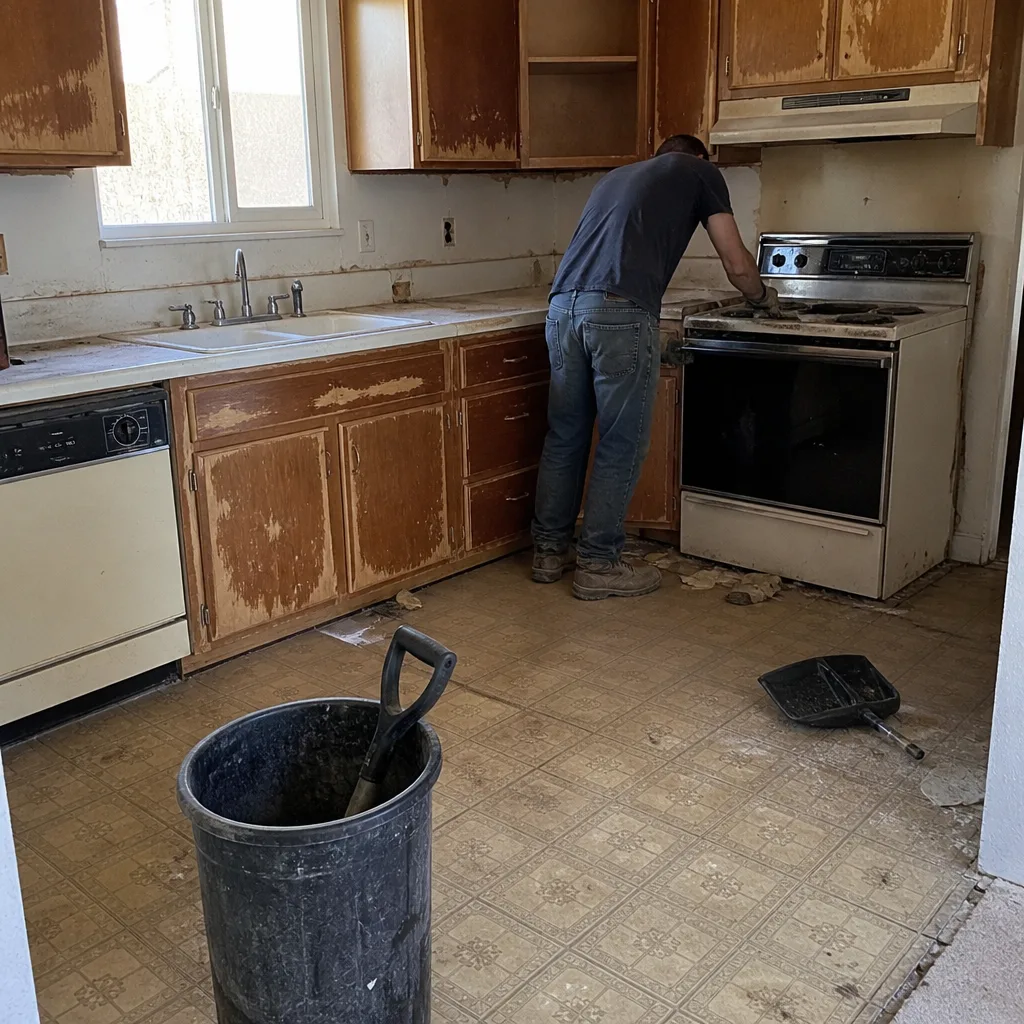 Before
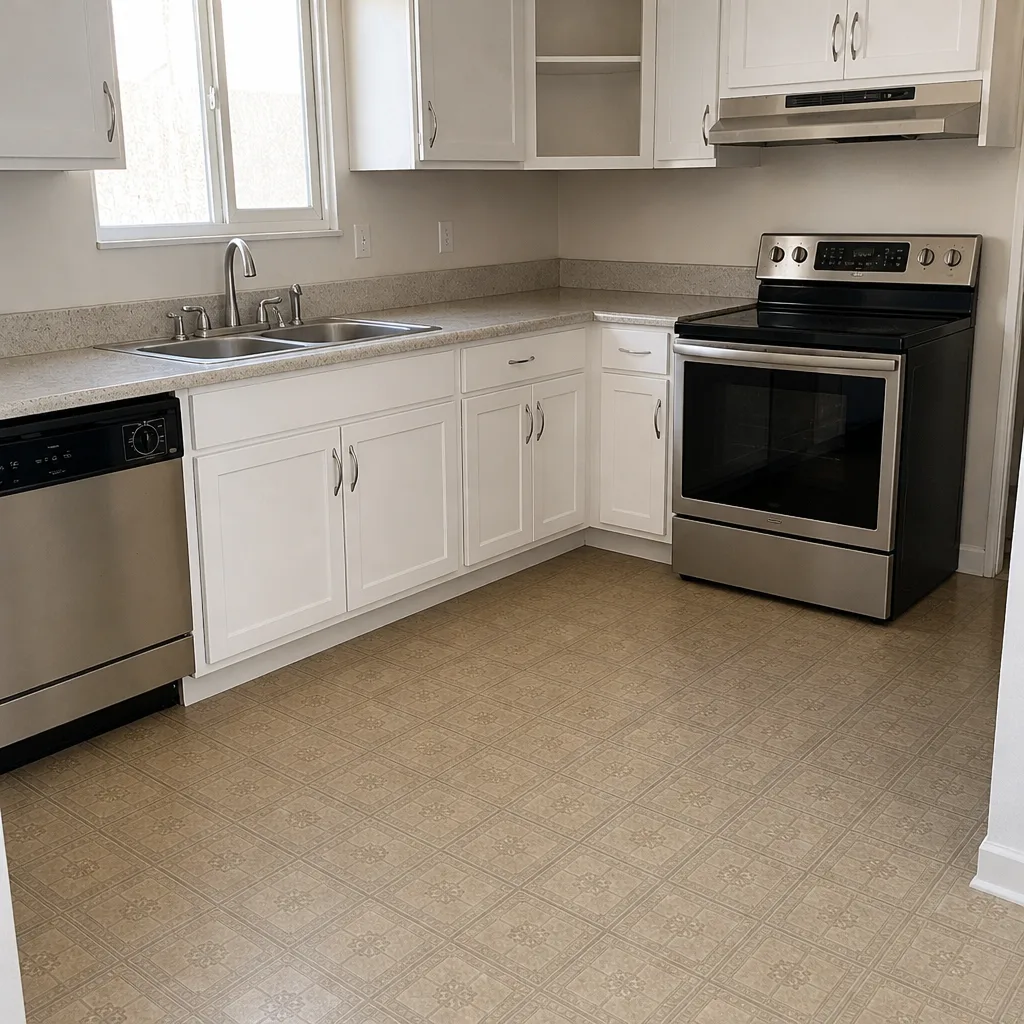 After
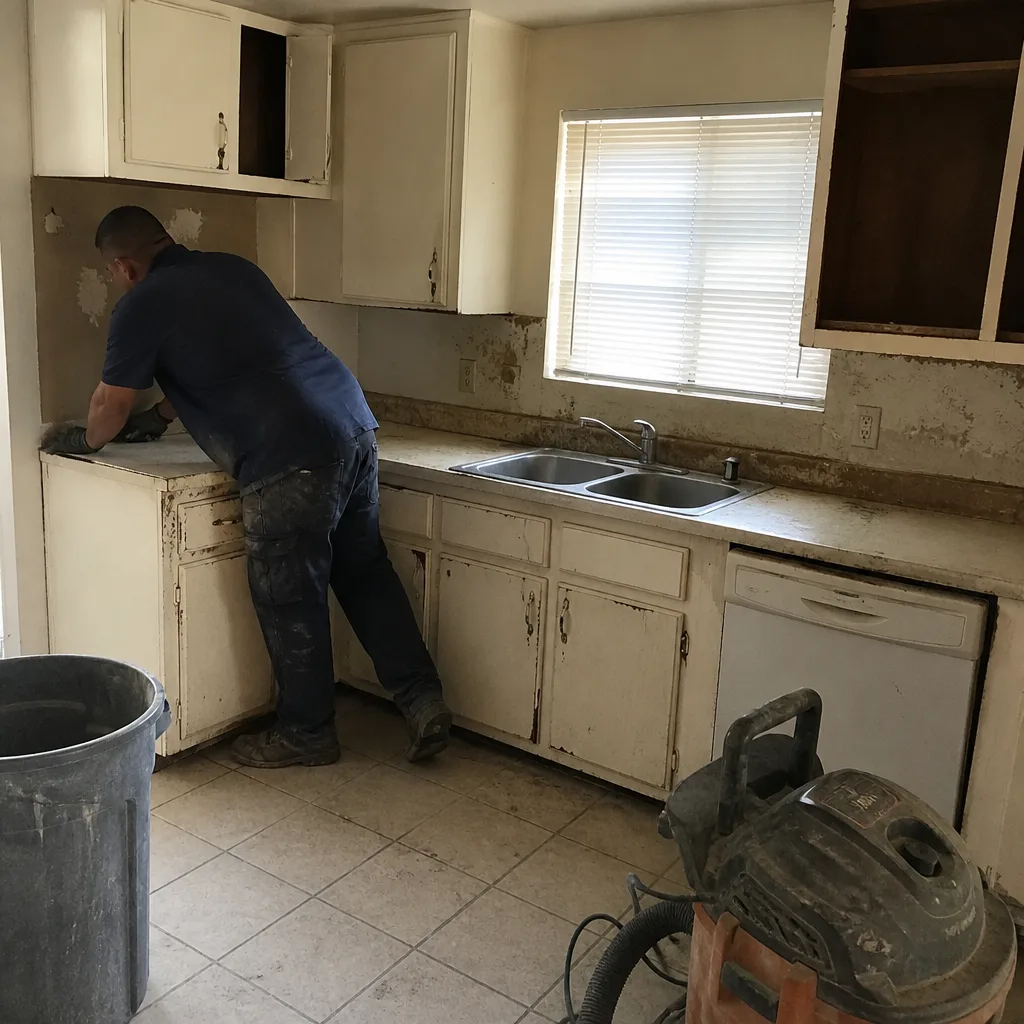 Before
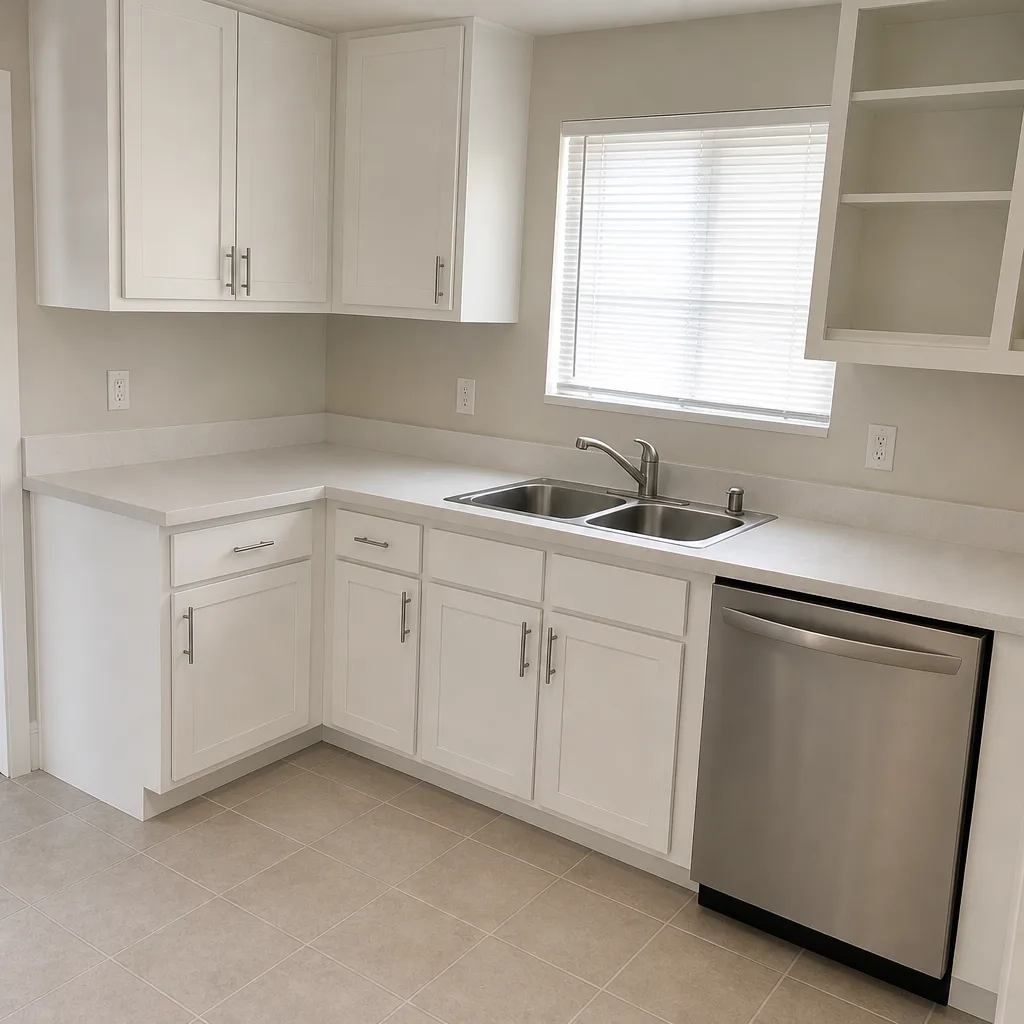 After
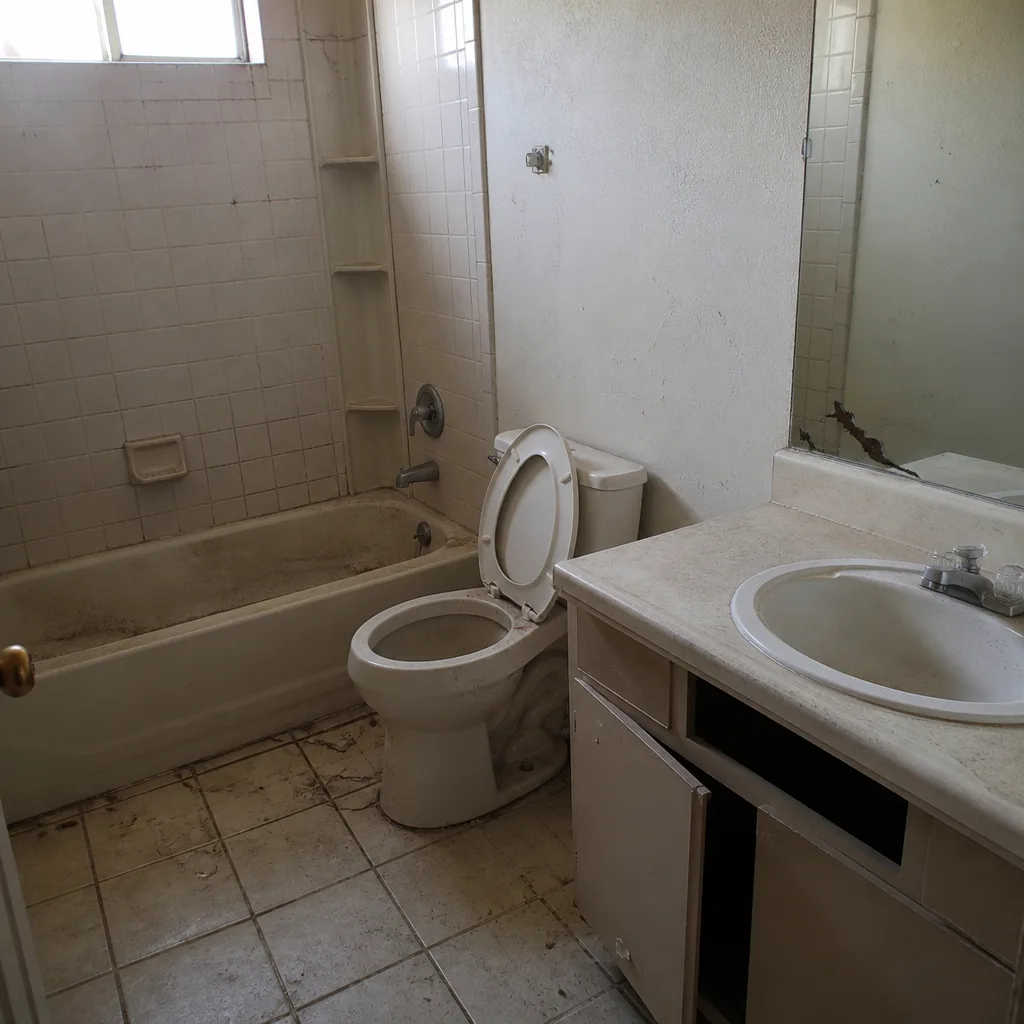 Before
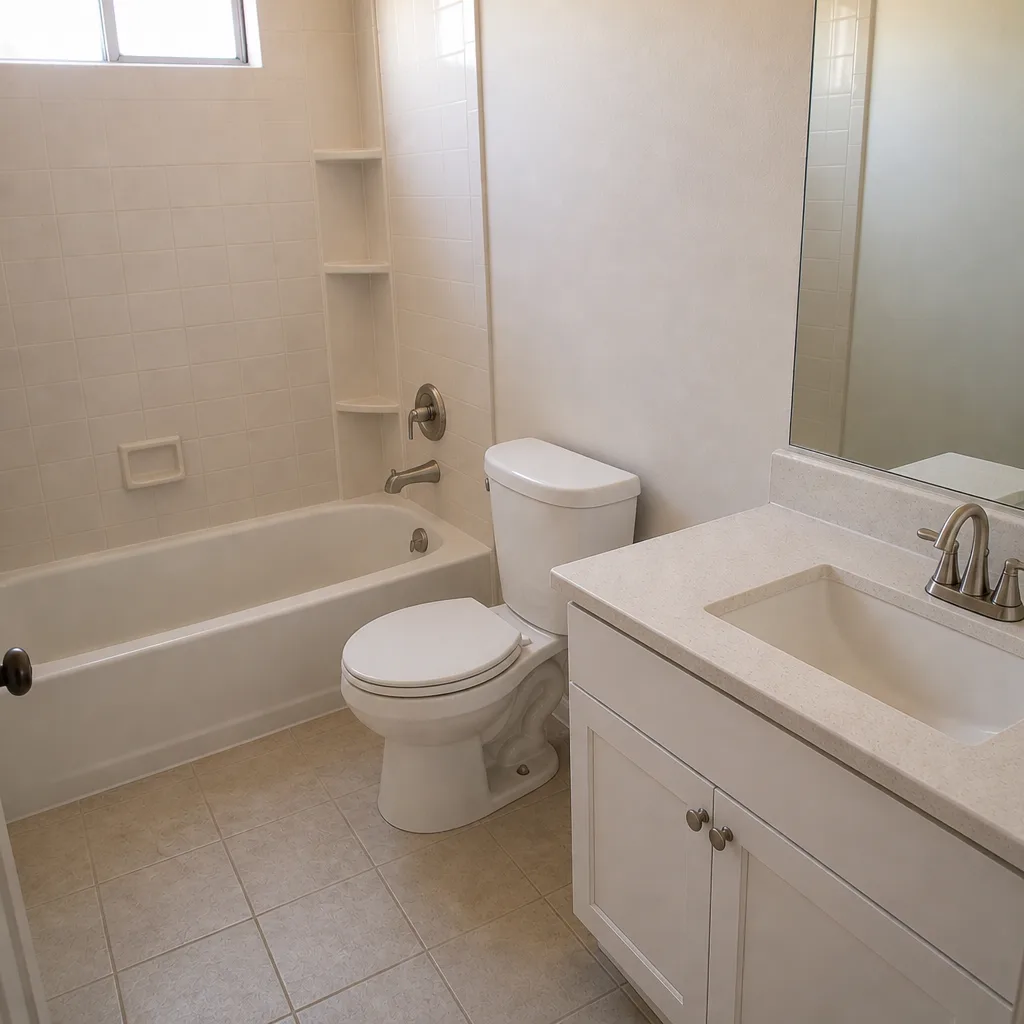 After