
Last updated November 18, 2026








Free written scope consultation - allowances, timeline, and change-order rules on paper before a single trade is scheduled
General Contractor Maintenance Checklist for Whitney Homeowners
Whitney averages fewer than four inches of rain a year, which sounds like low maintenance until you realize that the same UV intensity and temperature swing that keeps it dry is steadily cracking caulk joints, checking exterior paint, and cycling your roof substrate between 45°F nights and 110°F afternoons. Damage like that doesn’t announce itself. It shows up suddenly and expensively, usually the week after a monsoon cell parks over the valley. What follows is a checklist built for this climate specifically, the checks that actually prevent five-figure contractor calls, and a simple way to document each visit so you have a paper trail when a warranty question comes up.
Quick Answer
A Whitney home maintenance checklist should prioritize high-desert failure points: UV-degraded caulk at windows and doors, hairline stucco cracks that open before monsoon season, roof flashing lifted by thermal cycling, HVAC checks timed to an early and long cooling load, and concrete flatwork checked for caliche heave and joint separation. Three items most Whitney homeowners defer, weatherstripping, attic ventilation, and exterior penetration sealing, cost three to five times more once they turn into failures. Document every visit with a written scope and a signed completion sheet.
Styles & brands we work with
- Kitchen remodeling
- Bathroom remodeling
- Home additions & ADU
- Roofing
- Windows & doors
- Driveway & pavers
- Fence
Table of Contents
- Why a Whitney Home Ages Differently
- The Whitney Maintenance Calendar
- UV Caulk Failure at Windows and Doors
- Stucco Cracks and Roof Flashing Lift
- HVAC Checks for a Longer Cooling Season
- Concrete Flatwork, Pavers, and Caliche Heave
- How to Document a Contractor Maintenance Visit
- The Three Items Whitney Homeowners Defer Most
Why a Whitney Home Ages Differently
Desert air is dry, but it is also relentless. Whitney sits in a stretch of the valley where summer afternoons push past 110°F and winter nights drop into the 40s, and that daily swing works on building materials the way a bend-test works on a metal bar. Caulk stretches and relaxes, paint film hardens faster than it would in a humid climate, and roof sealants lose flexibility years ahead of the national averages most maintenance guides assume.
Then there’s the ground. Much of Whitney sits over caliche, the cemented calcium carbonate layer that underlies a good deal of the Las Vegas Valley. Caliche doesn’t drain the way ordinary soil does. When it gets wet, it swells unevenly; when it dries, it shrinks and cracks. That movement telegraphs straight up through driveways, walkways, and patio pavers.
The practical consequence is this: a generic seasonal checklist written for a Midwest four-season house will have you raking gutters and winterizing hose bibs while the real threats, UV caulk failure, stucco checking, and flashing lift, go unchecked. As a General Contractor in Whitney, we’ve walked enough local homes to know which problems recur and which don’t.
A checklist built for Whitney should do two things. It should tell you what to inspect each season, and it should give you a written record of what a contractor found and fixed. Both matter, because the second is what protects you when a repair fails a year down the road.
The Whitney Maintenance Calendar
Timing matters more here than in most climates, because Whitney’s cooling season starts earlier than the national average and runs harder. Here’s the rhythm we recommend, organized around what the weather actually does to a house in the valley.
Spring (February through April)
- Inspect caulk joints at every window and door for cracking or pull-away.
- Walk the exterior stucco and mark hairline cracks wider than a credit card edge.
- Check roof flashing and sealant at penetrations before the heat peak.
- Schedule the HVAC service visit before the first 100°F day, not after.
Pre-Monsoon (May through June)
- Re-seal stucco cracks and any exposed penetrations ahead of the summer rain.
- Clear the roof of debris and confirm drainage paths slope away from the foundation.
- Inspect attic ventilation and confirm soffit and ridge vents are unobstructed.
- Check exterior door sweeps and weatherstripping for daylight gaps.
Monsoon and Late Summer (July through September)
- After any significant rain, walk the perimeter and look for water staining or pooling.
- Check interior ceilings and walls for fresh water spots near flashing points.
- Confirm the HVAC condensate line is draining and not backing up.
Fall and Winter (October through January)
- Inspect concrete flatwork and pavers for joint separation and trip hazards.
- Re-check caulk after the first hard temperature drop, when fresh cracks appear.
- Inspect exterior paint for checking and touch up bare spots before UV season returns.
- Confirm attic insulation hasn’t settled or been disturbed.
UV Caulk Failure at Windows and Doors
Caulk is the first thing to fail on a Whitney home, and it fails from the outside in. Ultraviolet light breaks down the polymers in standard exterior sealant, so the bead goes from flexible to brittle, then cracks and pulls away from the frame. You usually won’t see it from inside. You’ll see the consequence next monsoon, when water tracks behind the frame and shows up as a stain on the drywall.
Here’s what to check at each window and door:
- Run a finger along the exterior bead and look for gaps where it has separated from the stucco or frame.
- Look for fine spiderweb cracking across the caulk surface, a sign the UV has aged it out.
- Check the corners, where thermal movement concentrates stress.
- Press gently; if the bead feels hard rather than slightly yielding, it’s due for replacement.
The fix is straightforward but shouldn’t be improvised. Old caulk has to be cut out, the joint cleaned and primed, and a UV-rated exterior sealant applied at the right depth and profile. Smearing fresh caulk over failed caulk buys a season at most. On homes we’ve worked on in the Whitney area, we’ve seen a single window corner allow enough water intrusion during a monsoon storm to require drywall and framing repair, a job that starts at a few hundred dollars and climbs from there.
The takeaway: catch caulk failure in spring while it’s a $150 to $400 resealing job, before it becomes a water-damage repair. And if a window is beyond resealing because the frame itself has moved or the sill is rotted, that’s a different scope, and often a good moment to talk through window and door replacement options with a general contractor rather than a handyman.
Stucco Cracks and Roof Flashing Lift
Two structural details deserve their own section because both fail quietly and both admit water fast: the stucco skin and the roof flashing.
Stucco in Whitney lives a hard life. Constant thermal cycling causes it to check, which means fine hairline cracks appear across the surface, usually at corners, around penetrations, and along the seams where different materials meet. Most hairline checking is cosmetic. The problem is the cracks that widen, and the ones around windows, doors, and utility penetrations where water has a path inward. Before monsoon season, walk the whole exterior and mark any crack you can slide a credit card edge into. Those get sealed. Interior cracks or cracks that keep reopening in the same spot often signal movement behind the stucco that needs a closer look.
Roof flashing is where thermal cycling does its most expensive work. The metal flashing that seals around vents, chimneys, and roof-to-wall transitions is fastened and sealed, and that sealant expands and contracts with every temperature swing. Over enough cycles it lifts. Once it lifts, the next hard rain finds the gap.
Check flashing like this:
- Look for sealant that has pulled away from the flashing edge or turned chalky and cracked.
- Check that the flashing still sits tight against the roof surface with no lifting at the seams.
- Inspect after any wind event, since lifted flashing catches wind and peels further.
- Look for staining or dark streaks below flashing points, an early sign of water tracking.
Flashing repairs are cheap while they’re sealant renewals and expensive once water has reached the sheathing. If you find water staining inside the attic or on a ceiling, stop and get a professional out to assess before the next storm.
HVAC Checks for a Longer Cooling Season
Whitney’s cooling load starts earlier and runs longer than national averages suggest, which means the HVAC system is working harder and aging faster than the same unit would in a milder climate. A system on a generic “service it once a year” schedule can be well into its stress season before anyone looks at it. We recommend two service visits: one in early spring before the heat peak, and a lighter check in fall.
The spring visit should cover more than a filter change. Ask for:
- Coil cleaning, since dust and debris load up faster in a dry, windy climate.
- Refrigerant charge check, because a slow leak shows up as a system that runs constantly and never quite cools.
- Condensate line clearing, a common summer failure point.
- Thermostat calibration and a look at the air handler for belt or blower issues.
The fall visit is a chance to catch anything the summer stressed. It’s also the right time to confirm attic ventilation, because a hot attic cooks the ductwork and pushes the system to work harder than it should. If the ducts run through an attic that hits 140°F in July, you’re paying for that every cooling month.
Filter changes are the one task worth doing yourself, monthly during heavy cooling season. Everything else is worth paying for, because a neglected system in Whitney doesn’t just fail, it fails during the hottest week of the year when every technician in the valley is booked out.
Concrete Flatwork, Pavers, and Caliche Heave
Concrete is supposed to be the boring part of a house. In Whitney, it’s often the first thing to show a problem, because caliche doesn’t behave like ordinary soil. The cemented layer under much of the valley holds water at the surface instead of draining it away, and when it swells and shrinks, it lifts and drops whatever sits on top of it.
What that looks like in practice:
- Driveway and walkway slabs that heave at one end and settle at the other.
- Joint separation, where the control joints open wider than a quarter inch.
- Pavers that rock underfoot or show a lip of a half inch or more between units.
- Standing water at the edge of a patio after rain, a sign the slope has changed.
Any of those can turn into a trip hazard, and a joint that’s separating is also a drainage problem waiting to happen. The fix depends on the cause. Sometimes it’s re-grading and re-sanding the joints on a paver patio; sometimes a slab needs mudjacking or partial replacement. Quality hardscape materials, Belgard and Unilock among them, hold up better against this movement than cheap pavers, but the installation matters as much as the product. Proper base prep and joint sanding are what keep a patio from rocking two winters in.
Walk your flatwork each fall and check the joints. If a slab has lifted more than an inch or a paver has shifted enough to trip someone, get it looked at before it becomes a fall injury or a drainage failure.
How to Document a Contractor Maintenance Visit
This is the part most checklists skip, and it’s the part that protects you. If a contractor seals a crack or replaces flashing, you want a record of exactly what was done, when, and by whom, so that if the same spot fails inside a warranty window you’re not arguing from memory.
Ask every maintenance contractor for the same three documents:
- A written scope before work starts. What’s being inspected, what’s being repaired, and what’s excluded. This is the number you should be able to hold them to, not a verbal ballpark that changes at the door.
- A completion sheet with photos. Before-and-after photos of each repaired area, signed and dated. Photos are what settle a warranty question fastest.
- A written guarantee on the work. What it covers, how long it lasts, and what happens if the repair fails. A written guarantee on every repair, in plain terms, is the standard we hold ourselves to, and it’s the standard you should ask for from anyone working on your home.
Keep these in a single folder, physical or digital, organized by date. When you sell the house, that folder is a maintenance history that answers buyer questions and supports the value of the home. When a repair fails, it’s the first thing you reach for.
The documentation habit is also a filter. A contractor who won’t put the scope and guarantee in writing before starting is telling you something, and it’s worth listening. Every homeowner we work with gets a written price before any work starts, and a written guarantee on every project, because the number on day one should be the number on the invoice.
The Three Items Whitney Homeowners Defer Most
In our experience working on Whitney homes, three maintenance items get deferred more than any others, and all three cost three to five times more when they finally fail than they would have as a scheduled repair.
1. Weatherstripping at exterior doors
A worn door sweep or weatherstrip lets hot air in and cooled air out all summer. Left alone, the gap also lets dust and, worse, wind-driven rain reach the door frame and threshold, which is where rot starts. A door sweep runs a few dollars; a threshold or jamb repair runs into the hundreds once water has had a few seasons to work.
2. Attic ventilation
Obstructed soffit or ridge vents turn an attic into a heat trap. In a Whitney summer, that trapped heat stresses the roof deck, cooks the HVAC ducts, and shortens shingle life. Homeowners rarely look up there, so it goes unaddressed until shingles start to fail early or the cooling bill climbs for no obvious reason.
3. Exterior penetration sealing
Every place a pipe, cable, or vent passes through the exterior wall or roof is a potential water path. The sealant around those penetrations ages out just like window caulk, and it gets forgotten because it’s out of sight. Sealing penetrations is a small, cheap task, and the failure it prevents, water reaching framing or drywall, is one of the more expensive repairs a homeowner faces.
Common Mistakes to Avoid
- Following a generic seasonal checklist. Midwest-style tasks like gutter clearing and winterizing don’t address the UV and thermal-cycling failures that actually hit Whitney homes. Build your checklist around caulk, stucco, flashing, and caliche movement.
- Caulking over failed caulk. Smearing fresh sealant over a cracked bead traps moisture and hides the problem. Cut out, clean, prime, and re-seal.
- Skipping the post-monsoon walk. The damage happens during the storm, but the evidence shows up in the days after. Walk the perimeter and check ceilings and walls while the water marks are still fresh.
- Ignoring attic ventilation. It’s out of sight, so it gets skipped. A hot attic is one of the biggest hidden drivers of energy cost and roof wear in the valley.
- Taking a verbal price for maintenance work. A handshake number is unenforceable. Get a written scope, and make sure it names what’s excluded.
- Throwing away the documentation. Photos, completion sheets, and written guarantees are what settle a warranty dispute. Keep them in one place.
- Waiting for a failure before calling anyone. Maintenance is cheapest when it’s scheduled. The calls that cost the most are the ones made after a monsoon storm has already found the weak spot.
See the difference
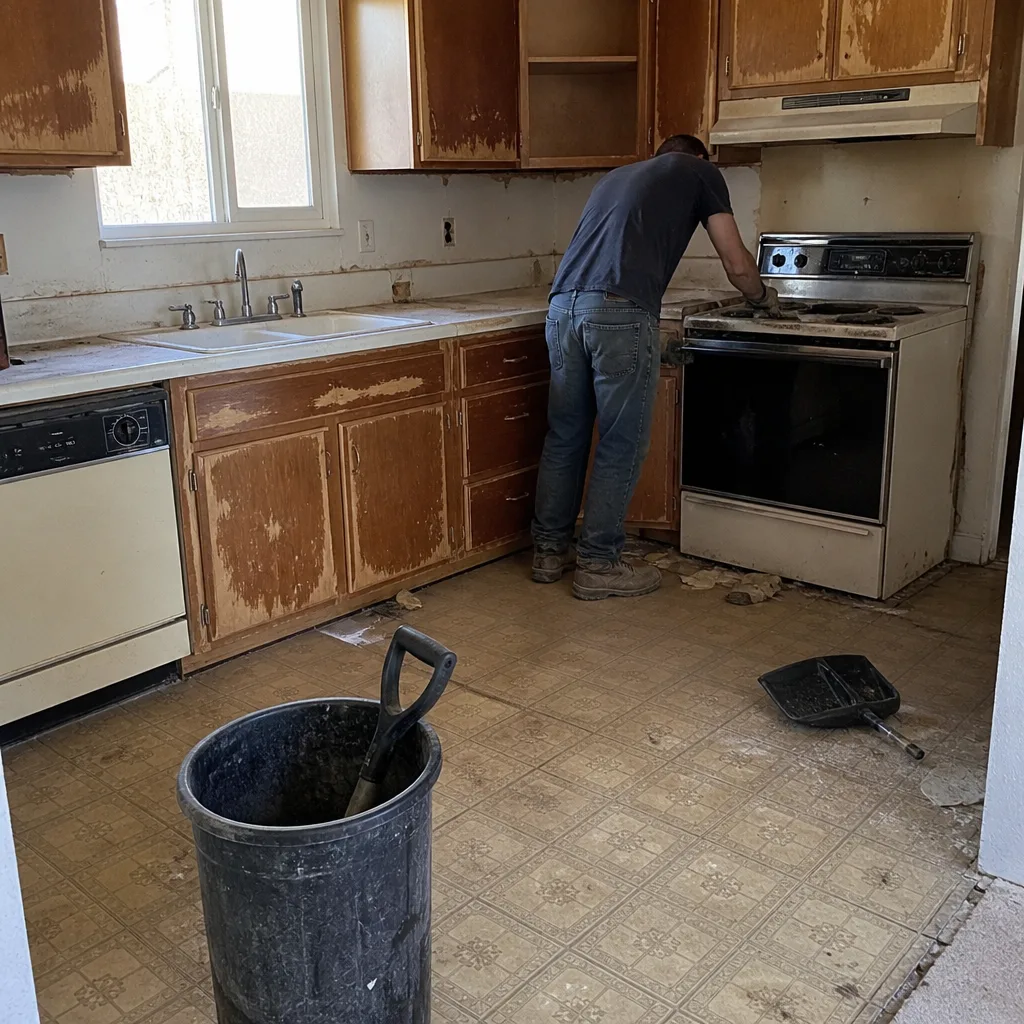 Before
 After
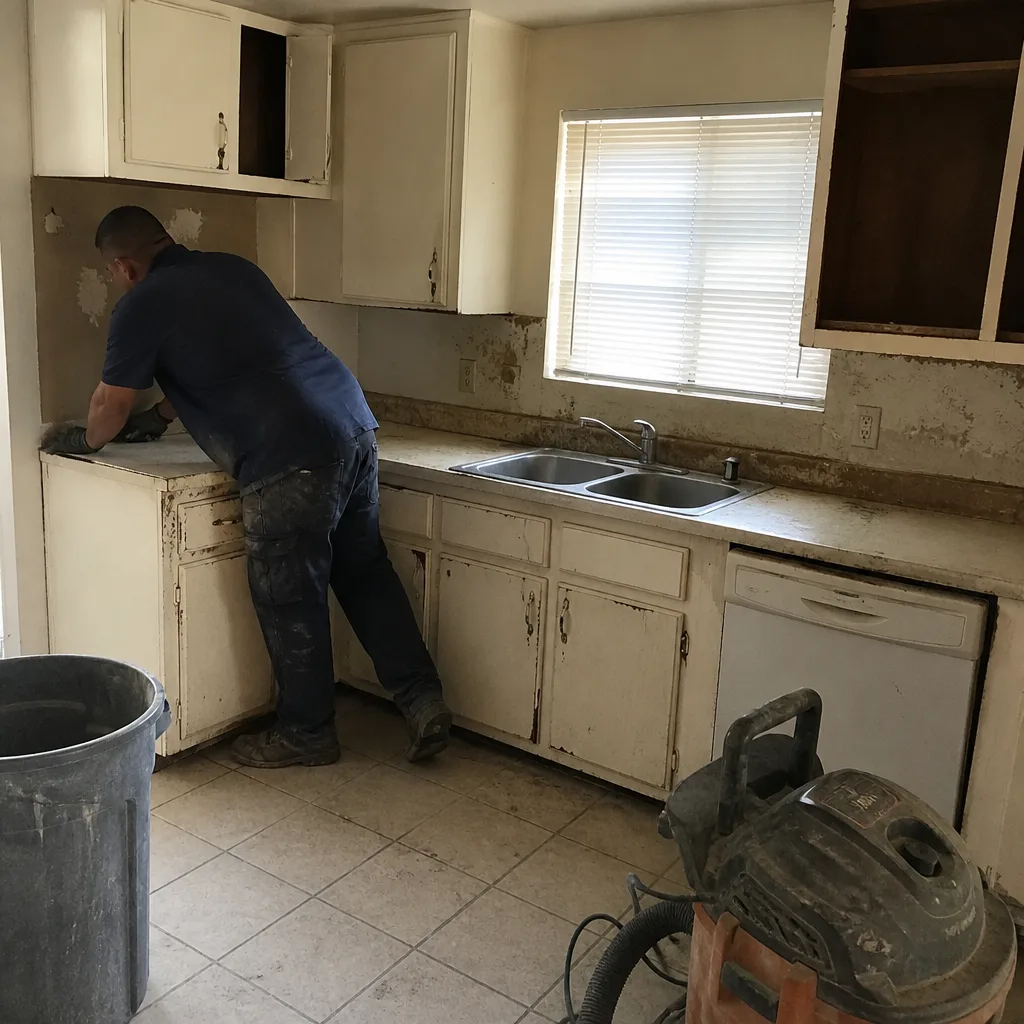 Before
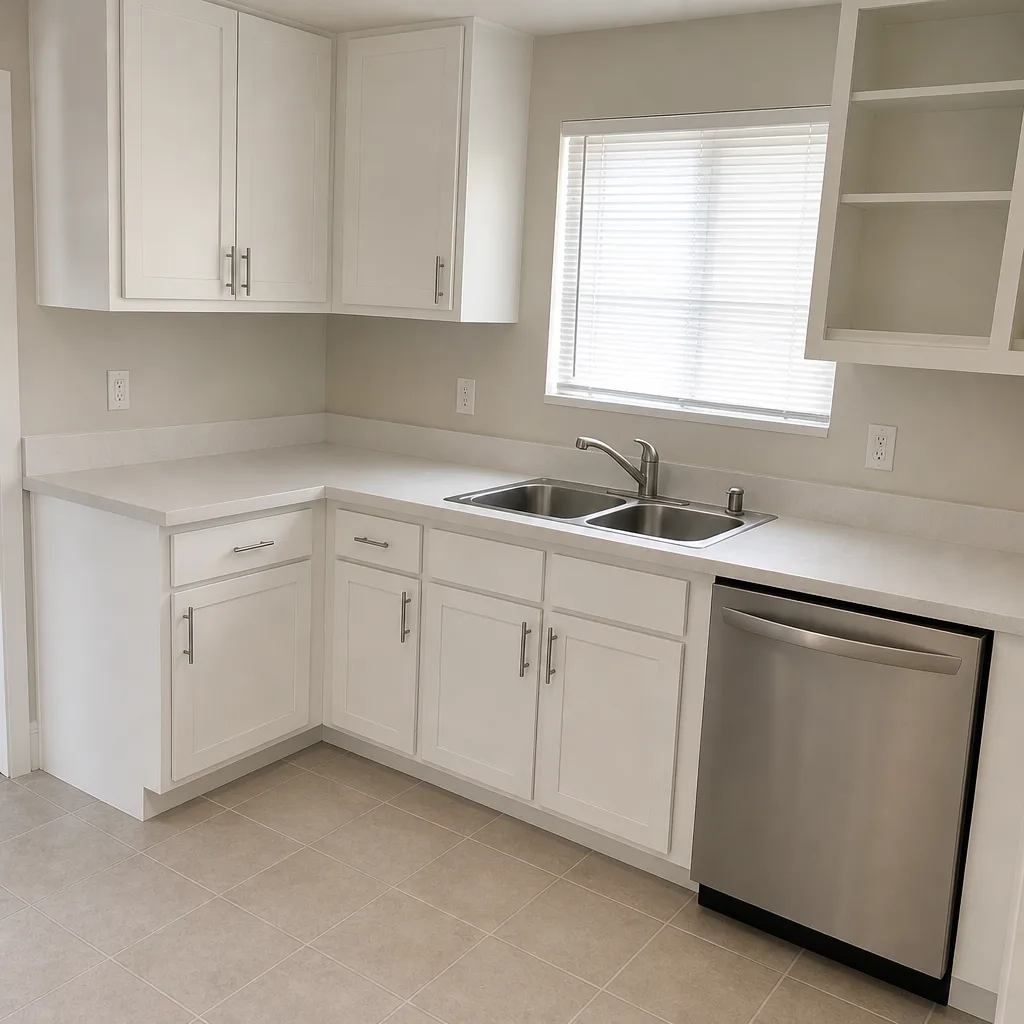 After
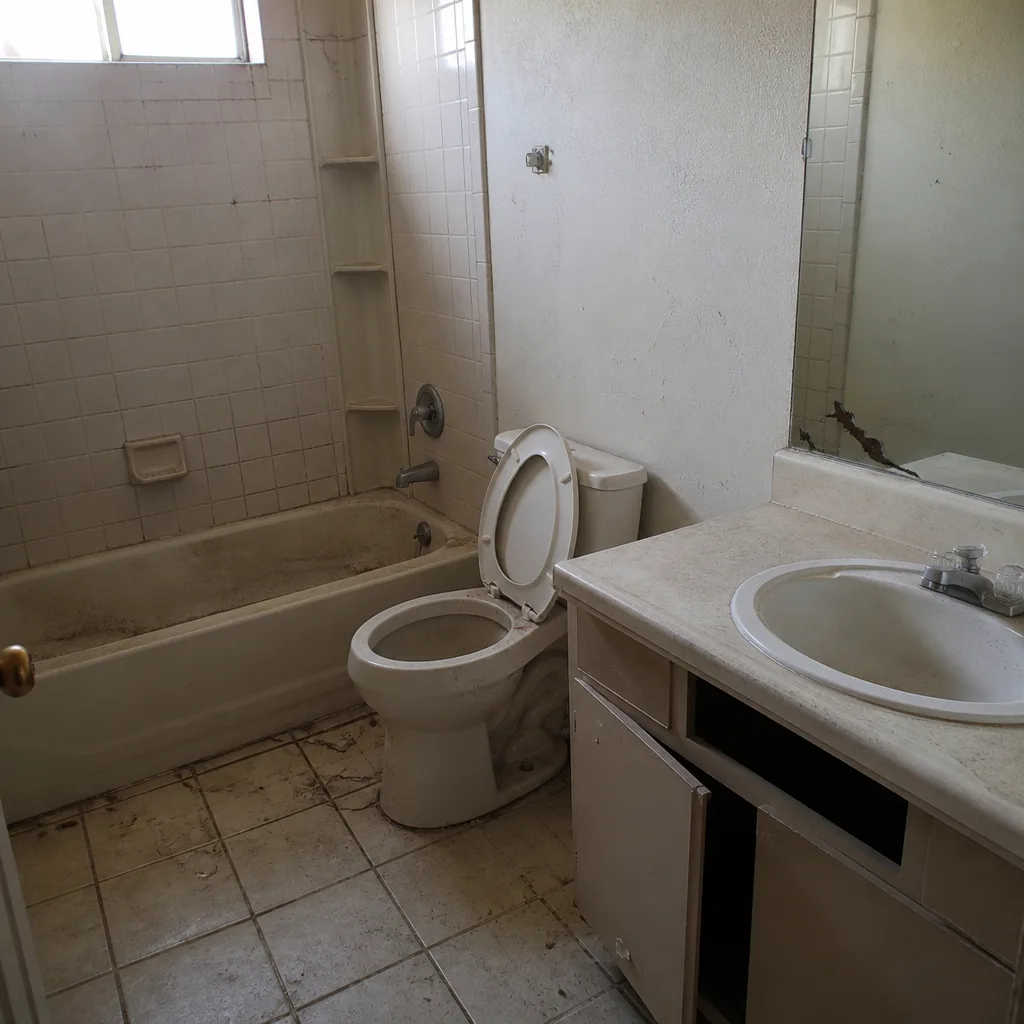 Before
 After
When to Call a Professional
Some tasks on this list are genuinely do-it-yourself: filter changes, caulk inspection, the post-rain walk. Others aren’t, and a few are outright dangerous to handle yourself. Roof flashing and any work that puts you on a roof should be left to a trained professional; falls are the leading cause of serious home-injury, and the money you might save on a sealing job is nothing next to the risk. Stucco repair, HVAC service, and any work near electrical penetrations also belong with someone trained and insured.
Call a general contractor when a repair isn’t clearly cosmetic, when the same crack keeps reopening, when water staining appears inside, or when the scope crosses more than one trade. A stucco crack, a window frame, and a flashing detail on the same wall are one job, not three, and that’s exactly the kind of work a general contractor coordinates. Penhallow Remodeling Whitney offers free estimates in Whitney: call (833) 721-7402 to schedule yours, and we’ll put the scope and price in writing before anything starts.
Frequently Asked Questions

Twice a year: once in spring before the heat peak and once in fall after monsoon season. Whitney’s UV intensity and daily temperature swing age exterior sealants faster than most climates, so an inspection twice a year catches caulk and flashing failure while it’s still a small repair. Call (833) 721-7402 for a free estimate on any work the inspection turns up.
UV-degraded caulk at windows and doors is the most common failure we see. It cracks and pulls away from the frame, and the first hard rain finds the gap. Resealing runs a few hundred dollars; water damage behind the drywall runs into the thousands. Call (833) 721-7402 for an exact quote.
Caliche is usually the cause. The cemented soil layer under much of the Las Vegas Valley swells when wet and shrinks when dry, lifting and dropping flatwork on top of it. Joint separation and paver lip are the first signs. Call us for a free estimate and we’ll assess whether the fix is re-grading, mudjacking, or partial replacement.
In early spring, before the first 100°F day, and again in fall. Whitney’s cooling season starts earlier and runs harder than national averages, so a once-a-year service visit taken in summer can arrive after the system is already stressed. A pre-season check costs a fraction of an emergency call in July.
Three to five years with a properly prepped, UV-rated exterior sealant applied to clean, primed joints. Less if the old caulk wasn’t cut out first. We put the guarantee in writing so you know exactly what’s covered and for how long if the repair fails.
Wherever the scope requires one, yes. Most caulk and flashing resealing is permit-exempt, but structural stucco repair, window replacement, and mechanical work generally require a permit, and we pull them and pass the inspections. It’s part of how we make sure the repair holds and the record is clean.
The Bottom Line
A Whitney home needs a checklist built for Whitney, one centered on UV caulk failure, stucco checking, roof flashing lift, an early heavy cooling load, and caliche movement under flatwork. Do the inspections twice a year, spring and fall. Do the filter changes yourself and leave the roof, HVAC, and stucco work to someone trained and insured. Document every contractor visit with a written scope, dated photos, and a written guarantee, and keep those records together. And don’t defer the three quiet items, weatherstripping, attic ventilation, and penetration sealing, because those are the ones that cost three to five times more once they fail.
When a repair crosses trades or the checklist turns up something more than cosmetic, a general contractor coordinates the whole scope instead of handing you a list of separate calls. If the work turns into a larger project, whether it’s a Kitchen Remodeling in Whitney or a Bathroom Remodeling in Whitney, we can walk through the options with you.
Get a Written Scope Before Anything Starts

Maintenance is easiest to manage when the price and the guarantee are on paper before a tool comes out. Penhallow Remodeling Whitney gives every homeowner a written price before any work starts, a real arrival window, background-checked and uniformed technicians on every job, and a live person answering the phone whenever you call. Under the 365-Day Done Right Promise, if the work isn’t done right, we come back and make it right, backed in writing. Call (833) 721-7402 for a free estimate, and if you want to see the full range of what we handle, start at the Penhallow Remodeling Whitney home page. Our technicians have up to 22 years of experience, and the promise is the same on every job: say the price before the work, show up in the window we gave, and leave the place cleaner than we found it.
Written by the team at Penhallow Remodeling Whitney.