
Last updated November 18, 2026








Free written scope consultation - allowances, timeline, and change-order rules on paper before a single trade is scheduled
General Contractor Troubleshooting: Common Problems and How to Fix Them
A contractor going quiet for three days feels like abandonment. Sometimes it is. Sometimes it’s a permit hold nobody told you about, or a cabinet line that pushed a delivery date without calling. Knowing the difference right now, before you send the angry text, saves you from firing the wrong person at the worst possible moment. In our experience remodeling homes around Whitney, the problems that sink a project are rarely bad carpentry. They’re expectations that never made it into writing. This guide walks you through the common breakdowns, the exact questions to ask, the paper trail to build, and when to pick up the phone and call someone official.
Quick Answer
Most problems with a general contractor come down to communication gaps, not construction failures. Start by requesting a written status update with dates for the next milestone, then document everything in a dated log. If permits, inspections or materials are the cause, you likely have a delay, not a disappearance. If it’s silence with no explanation and no written price on file, that’s when you escalate to the state contractors board and lean on any written guarantee you hold.
Styles & brands we work with
- Kitchen remodeling
- Bathroom remodeling
- Home additions & ADU
- Roofing
- Windows & doors
- Driveway & pavers
- Fence
Table of Contents
- Is your contractor ghosting you or just delayed?
- The paper trail you need before you escalate
- What change order creep looks like in real numbers
- When to call the Nevada State Contractors Board
- How a written guarantee changes your leverage
- Reading an inspection failure without panicking
- Closing out a project cleanly
Is your contractor ghosting you or just delayed?
Silence is the number one complaint we hear from homeowners who had a rough go with a previous contractor. But silence wears two very different faces. A legitimate delay has a reason attached: a permit that stalled at the county, an inspection that got bumped, a backordered slab of Cambria quartz that pushes your countertop install by two weeks. A disappearance has no reason at all. Your contractor just stops answering and the job site goes cold with tools still on the floor.
Here’s how to tell them apart in under a week:
- Check the permit status. In Whitney and the surrounding Clark County area, permits are public record. A quick call to the county building department tells you whether an inspection was scheduled or a review is holding things up.
- Look at the job site. Are materials arriving? Is the site clean and covered? A delayed crew usually protects the work in progress. A vanished crew leaves debris and half-installed fixtures.
- Ask a direct, written question. Not “where are you?” but “What’s the next scheduled milestone and what date is it locked to?” A real delay has a date. A disappearance has a shrug.
If a permit or inspection is the hold, nobody’s at fault, and the fix is patience plus a written revised schedule. If you get three days of no response with no explanation, you’ve moved into the escalation section below. In Whitney, summer heat pushes crews indoors and slows exterior work like siding and masonry, so a slowdown in July or August is often weather, not a walk-off.
The paper trail you need before you escalate
You don’t need to have been journaling since day one. You can build a usable record in an afternoon, and it makes every conversation that follows shorter and calmer. What you’re creating is a timeline that a third party (a mediator, the contractors board, or a small-claims judge) could follow without you standing there explaining it.
Gather these into one folder, paper or digital:
- The written price and scope. The original document that states the number before work started, plus what it covers. If your contractor only gave a verbal ballpark, note that clearly; it’s central to any dispute.
- Every change order. Signed and dated. If a change was agreed on by text, screenshot it.
- Texts, emails and voicemails. Sorted by date. Voicemails get transcribed into a note with the date and time.
- Photos with timestamps. Take a fresh set today, even if you haven’t been documenting. Wide shots of each room plus close-ups of any open walls, plumbing or electrical work.
- Payment receipts. Every check, transfer or card charge, with the date it cleared.
- A one-page summary. Write, in plain sentences, what was promised, what happened, and what you want fixed. This single page is what you’ll hand over or read from on the phone.
This is why we put a written price in every homeowner’s hands before any demo starts. When the number is on paper from day one, disputes shrink to “did this item fall inside the original scope?” instead of “what did we even agree to?” If your job never had that document, this folder becomes your substitute.
What change order creep looks like in real numbers
Change order creep is the slow ballooning of a project through a series of small verbal additions. It’s the opposite of a dramatic price hike. It’s a hundred decisions, each one “while you’re at it,” none of them priced until the end. By the time the invoice lands, the number has drifted $9,000 and nobody can point to the moment it happened.
Here’s what it looks like on a mid-size Whitney kitchen remodel. Say the written starting price was $34,000. A homeowner adds a pot filler, upgrades the faucet to a Grohe fixture, swaps the pantry shelving, extends the tile backsplash four extra feet, and moves one outlet. Each one feels small. Priced individually they might total $4,200, but because they were agreed verbally and executed between other tasks, the labor overlaps and the invoice arrives at $41,500. That’s real money and a real fight.
Push back without torching the relationship by following three rules:
- Request a line-item change order before the work. “I’d like a written change order with a number before whoever does this starts.” A professional will produce it in a day.
- Ask for the delta, not the total. “What’s the added cost of this compared to the original line?” keeps the conversation about one decision at a time.
- Offer to defer. “Let’s leave that off and revisit after the countertops are in” removes pressure and buys clarity.
A fair contractor doesn’t mind the question. The ones who mount up and get quiet over a request for written pricing were never going to hold the number anyway. We build project pricing on recognized trade brands like Grohe and Moen precisely so the scope language is standard and the line items are easy to read.
When to call the Nevada State Contractors Board
The Nevada State Contractors Board exists to license and police contractors in the state, and every licensed contractor working in Whitney should carry an active license. If a project has genuinely gone off the rails, this is the formal path. It also comes with a threshold: knowing when to use it and when a direct conversation is smarter.
Call the board when these are true:
- The contractor walked off mid-project, or the job has stalled for weeks with no written explanation.
- You paid for work that was never done and the contractor won’t respond.
- The work failed an inspection in a way that shows it wasn’t done to code.
- You believe the contractor is unlicensed or operating outside their license classification.
Handle it directly, in writing, when the issue is smaller: a scheduling slip, a finish that needs redoing, a change order you dispute. Direct resolution is faster and cheaper for both sides. Before you file anything, verify the contractor’s license number against the board’s public lookup, and if the license is inactive, that alone is grounds to escalate. The documentation folder above is exactly what the board will ask for, which is why it’s worth assembling even before you decide.
The rule of thumb we give Whitney homeowners: give the contractor one written chance to resolve the issue with a deadline, then file. That single written notice strengthens your case and proves you tried.
How a written guarantee changes your leverage
The gap between a written guarantee and a verbal “we’ll make it right” is the difference between a contract and a promise. A verbal assurance evaporates the moment the crew packs up and the phone stops ringing. A written guarantee has defined terms: what’s covered, how long it lasts, and exactly what happens if something fails. That’s tangible leverage you can point to.
At Penhallow, the 365-Day Done Right Promise does that: if work fails inside the guarantee period, we come back and fix it at no charge, and it’s in writing on every project. There’s also a free return visit if a repair fails, so you’re not paying a service call just to be told you’re right. What matters is the principle, not our specific policy. If your contractor puts a comparable written promise on the table, hold onto that document. If all you got was a handshake and a “you’re covered,” you’re negotiating from the weakest possible position after the fact.
Before you sign any contract, ask this question in writing: “Please state in the contract what your workmanship guarantee covers and for how long.” A contractor with a real guarantee answers without flinching. One who doesn’t have one gets vague.
In our experience, most post-completion disputes are unwinnable without that paper. The homeowner who has a written guarantee and a documented timeline resolves in days what another homeowner chases for months.
Reading an inspection failure without panicking
A failed inspection is a normal part of a project, not a red flag on its own. Inspectors in Clark County are looking for code compliance, and a fail usually means “fix this before the next step.” What tells you who you’re working with is how your contractor responds. A professional treats a fail as a work item, gets the correction scheduled, and tells you what it costs. A weak one avoids the conversation.
What we watch for on Whitney projects is moisture and drainage detail. Whitney sits in a hot, dry climate where the wind-driven monsoon season can hit hard, so tile substrates and exterior flashings get a hard look. A failed shower pan inspection usually traces back to a missing Schluter membrane at the corners or a slope that isn’t right. Those are fixable, and they’re the reason we photograph the substrate layer before it’s covered by the finished surface.
If you get a fail notice, do three things:
- Ask for the inspector’s report in writing. It names exactly what needs to change.
- Get the correction plan in writing. What will be redone, by when, and is there an added cost.
- Confirm the re-inspection is scheduled. A contractor who schedules the re-inspection the same day is on top of the job.
Closing out a project cleanly
Final payment is your last lever, so treat the closeout as its own stage. Don’t release the holdback until walkthrough items are complete, and put any punch-list into writing with a date. A good walkthrough takes an hour and covers every fixture, hinge, seal, and outlet. Note anything that needs attention and get a written commitment to return for the finish items. Get a written lien waiver or release from the contractor confirming all their subs were paid, and keep your permits and inspection sign-offs in the same folder as the contract. When your closeout is clean, the guarantee you hold is worth more, because the work is documented end to end.
Common Mistakes to Avoid
- Skipping the written price. A verbal ballpark is the root of most disputes. In Whitney, cabinet and countertop costs swing widely, so the gap between a ballpark and a written line item can be thousands.
- Agreeing to changes by phone. Every verbal addition is a future price fight. Get change orders in writing and dated, even for a small outlet swap.
- Firing too early over a real delay. A permit hold or backordered material is normal. Confirm the reason in writing before making a decision that costs you money.
- Not documenting before demo. Once the walls close up, you lose your evidence. Photograph the open walls, plumbing and electrical work as it progresses.
- Assuming heat means progress. Nevada crews work fast in dry weather, but tile and exterior work still need cure time. Rushed substrate is a common failure source in Whitney homes.
- Paying in full before the punch list is done. Once the check clears, urgency on finish items drops. Keep the final payment tied to closing out cleanly.
- Trusting a verbal guarantee. “We’ll make it right” is worth nothing in twelve months. Ask for the guarantee in writing, with dates and terms.
See the difference
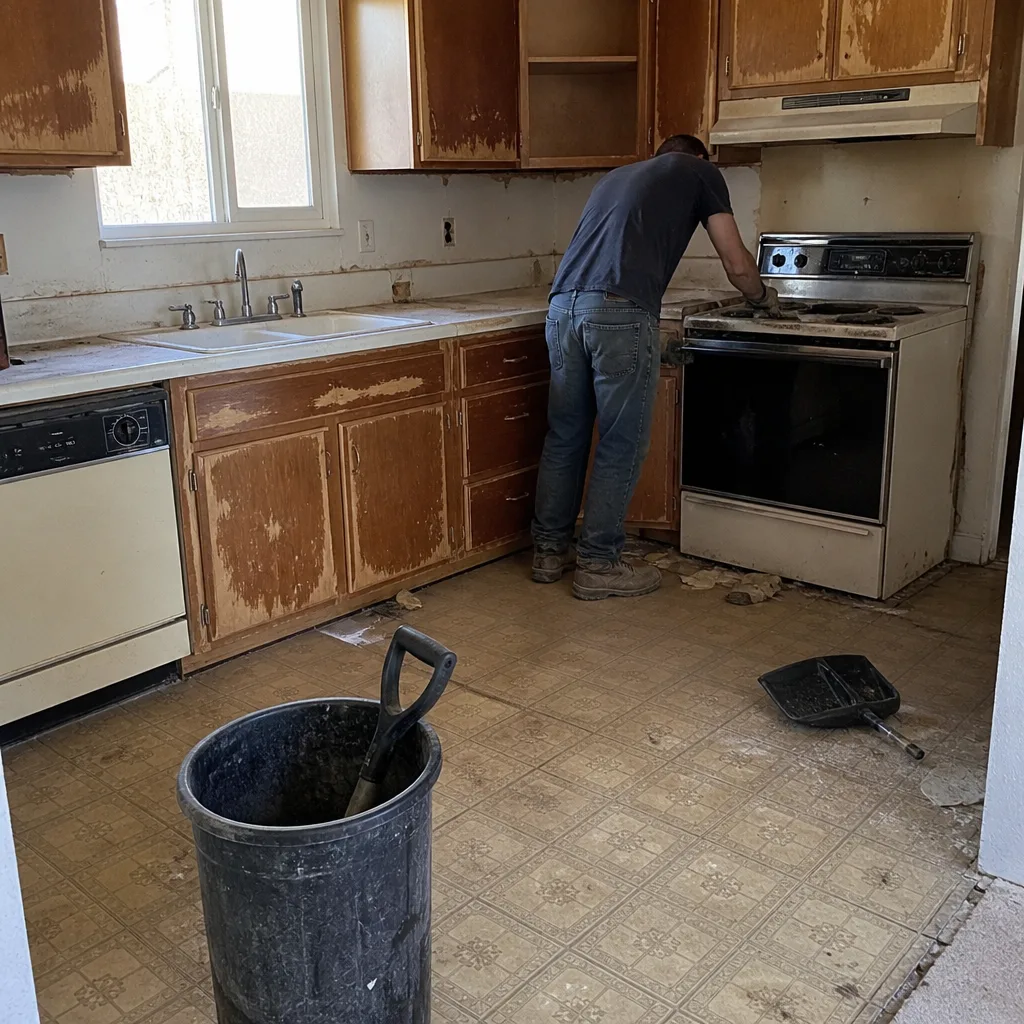 Before
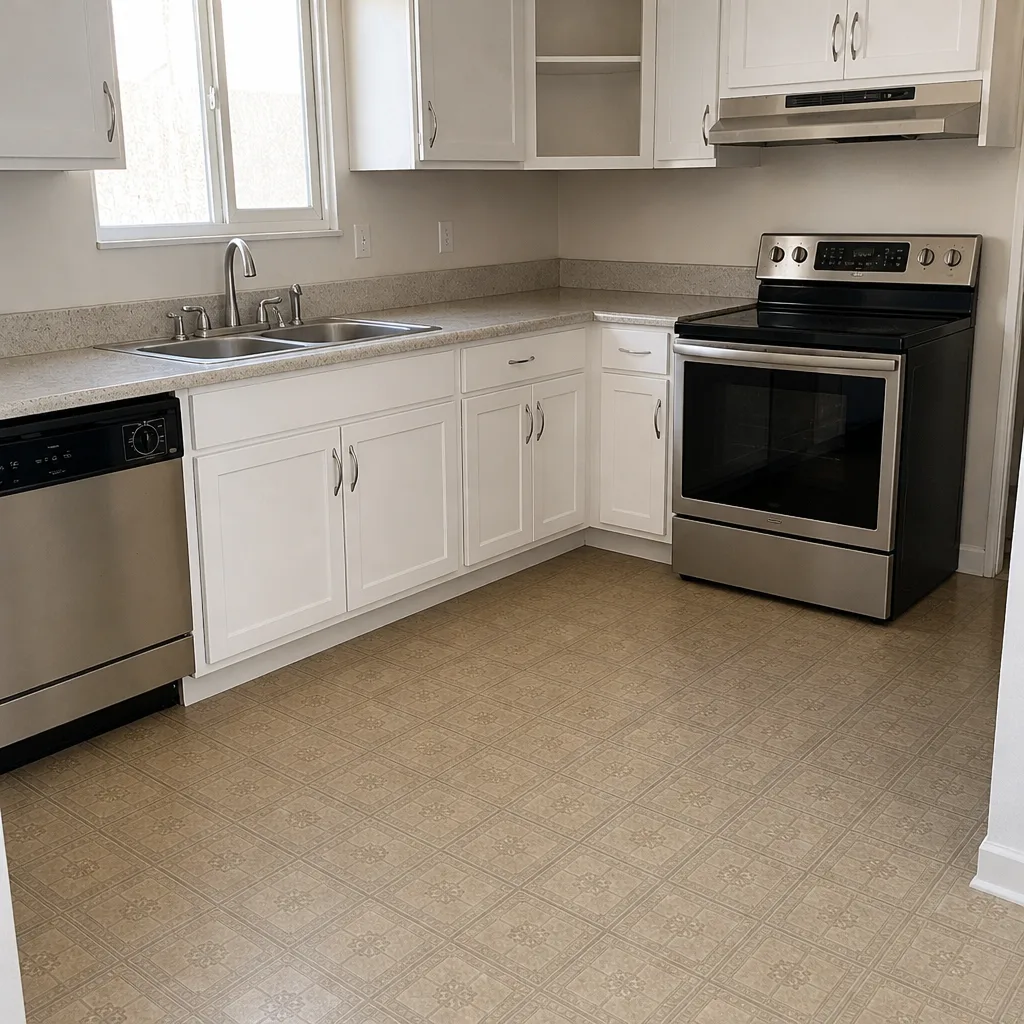 After
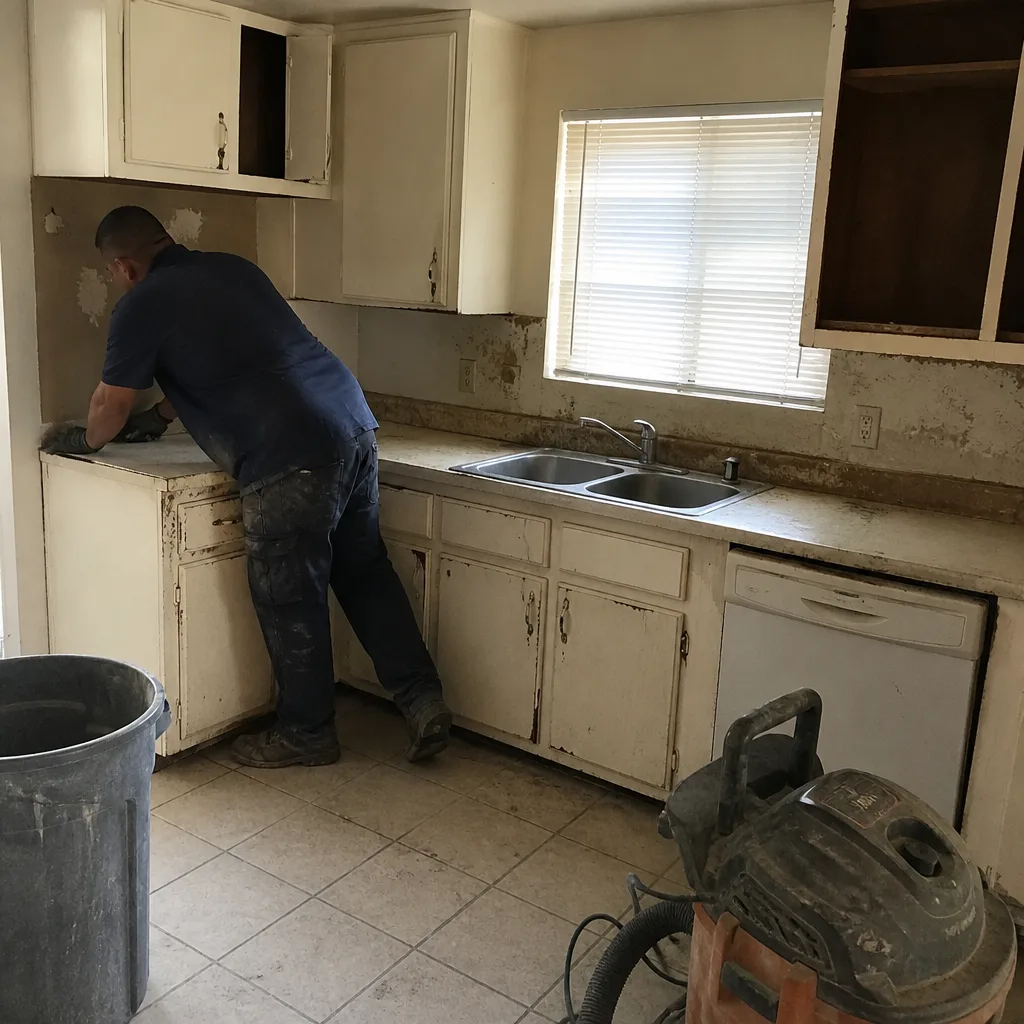 Before
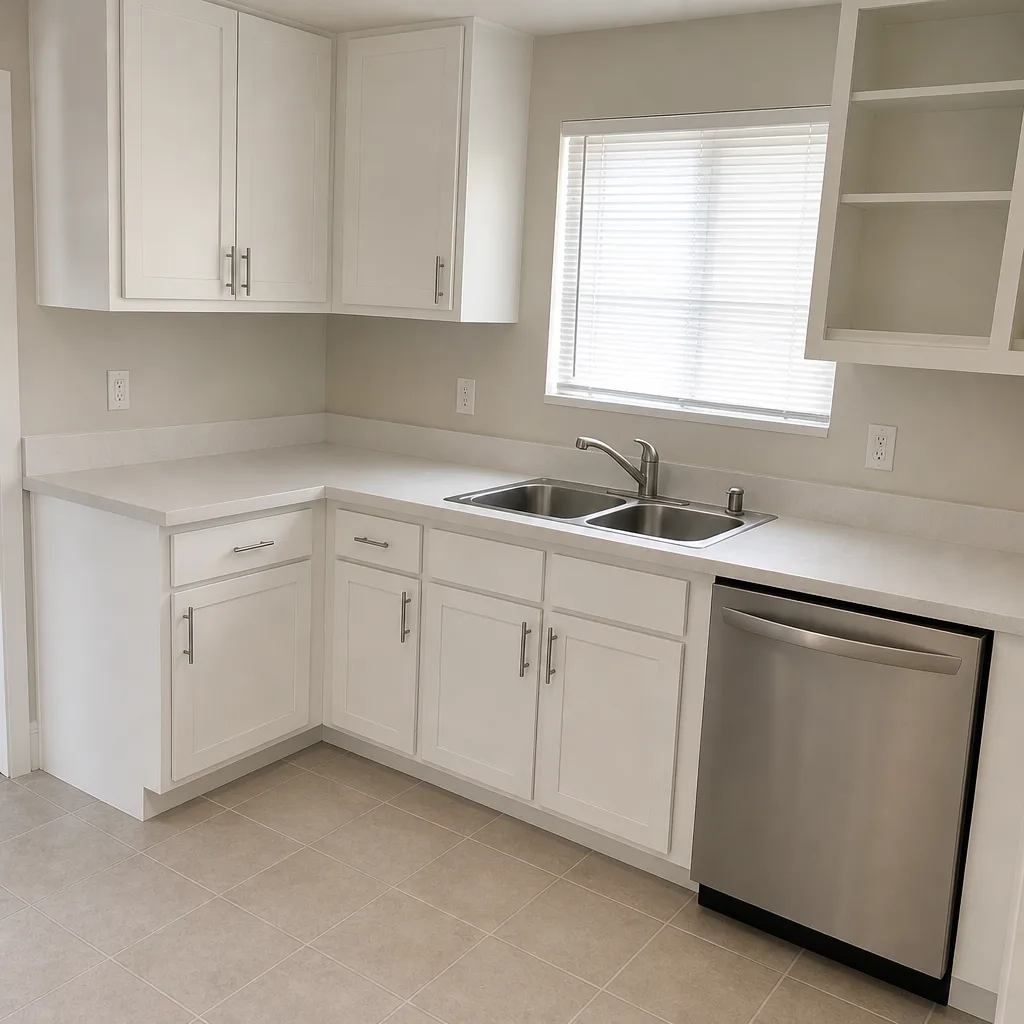 After
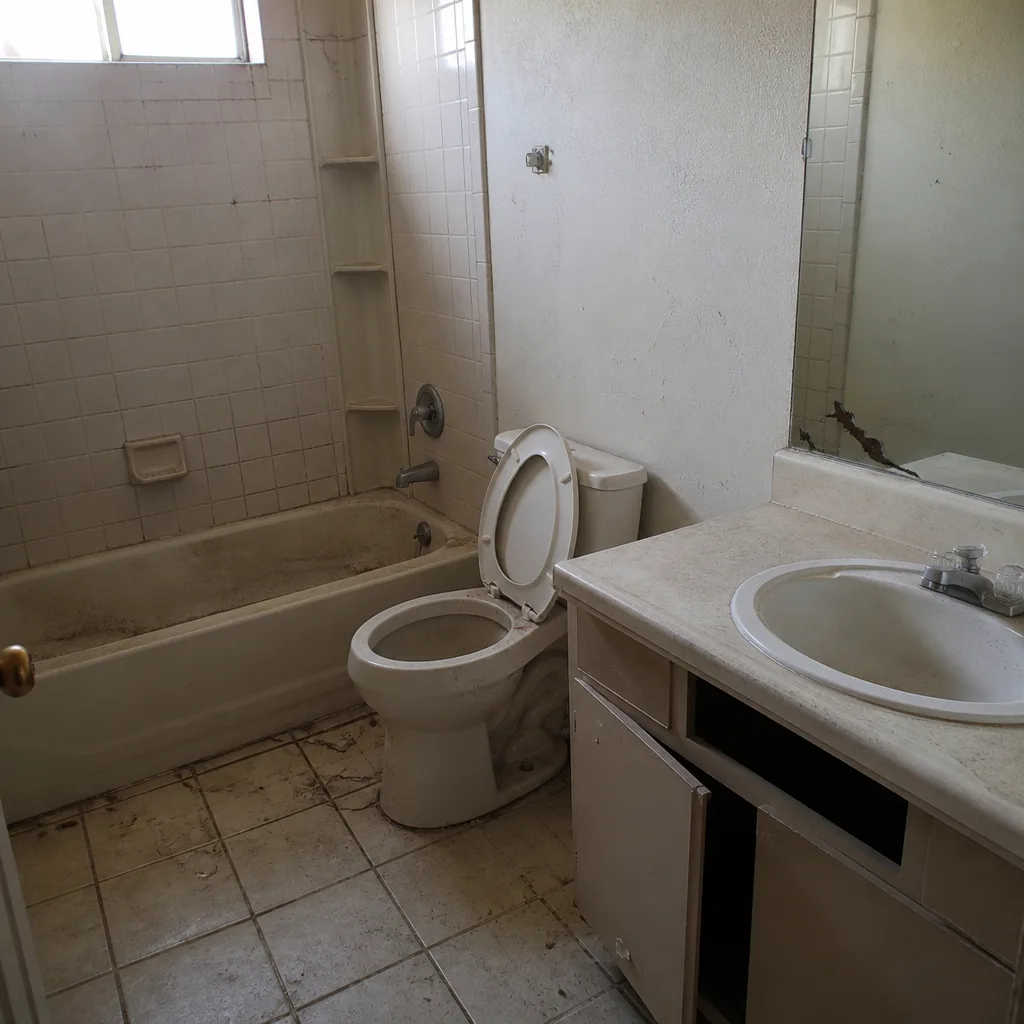 Before
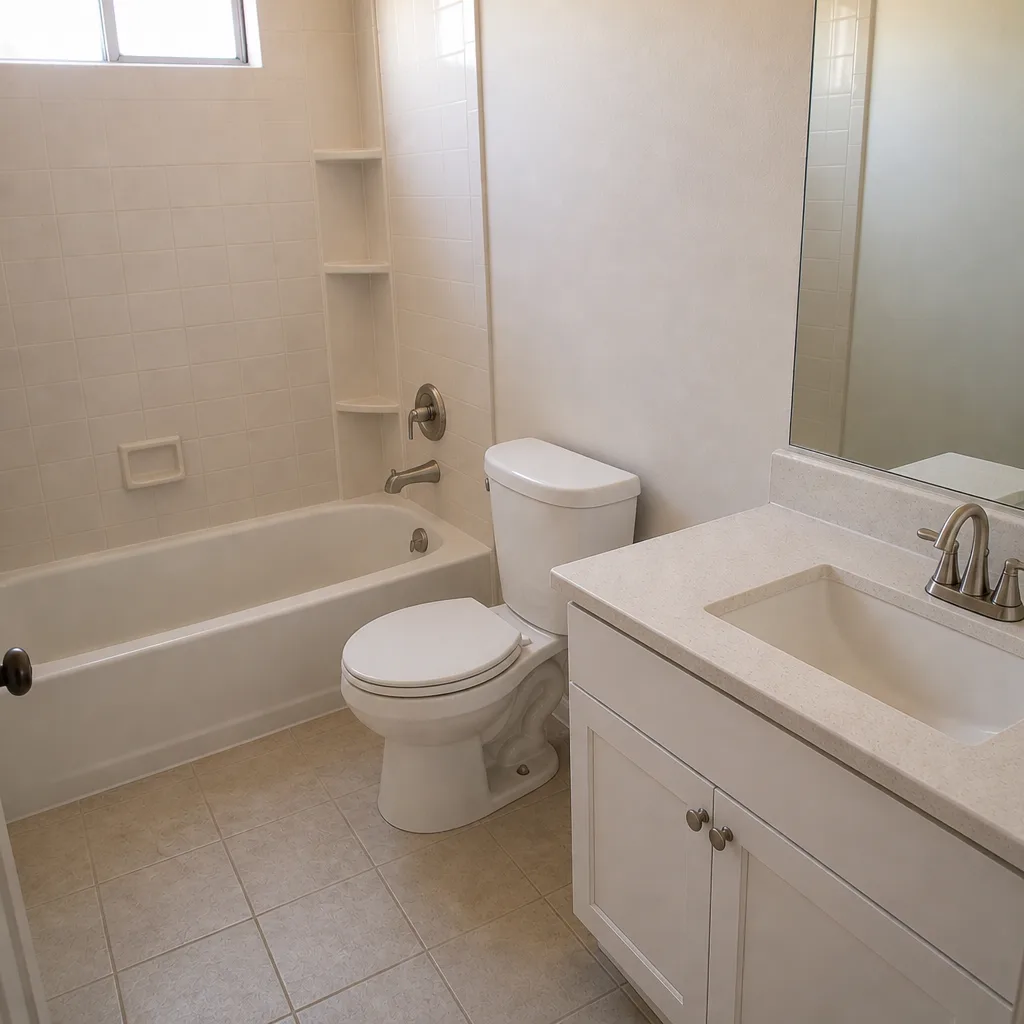 After
When to Call a Professional
Call us before the situation hardens. If you’re mid-project with a stalled contractor, a surprise change order, or a dispute over a guarantee, bring us the folder and we’ll read it with a contractor’s eye and tell you honestly what you’re looking at. If a task is dangerous, like opening an electrical panel, working on gas lines, or setting a steep roof pitch, don’t touch it: that work needs a trained professional, always. If your project is still at the planning stage, our General Contractor in Whitney service page gives you the framework we work from, and you can see what a written-price-first process looks like from the start. Penhallow Remodeling Whitney offers free estimates in Whitney. Call (833) 721-7402 and a real person will answer.
Frequently Asked Questions

Send one written request asking for the next scheduled milestone and its date, and give a deadline of three business days to respond. Check permit status with the county in the meantime, since a permit hold can look like silence from the contractor’s side. If the deadline passes with no response, stop any further payments and begin the documentation folder described above; that record is what the Nevada State Contractors Board will ask for.
Without written change orders, homeowners commonly see a project price drift upward with no single moment to point at. On a kitchen remodel, a set of verbal “while you’re in there” additions can add $4,000 – $9,000 to the final invoice, depending on fixtures and finishes. Request a written line-item number before any work starts. If you’re unsure whether you’ve been overcharged, call us and we’ll give you a free read of your contract.
Call the board after one written chance to resolve the issue has been ignored, or if the contractor has walked off, won’t respond, or is operating outside their license. For smaller issues like finish problems or scheduling slips, a written request to the contractor is faster. Verify the license number through the board’s public lookup first; an inactive license alone is grounds to escalate.
Yes, and it’s the difference between a dispute you can resolve and one you can’t. A written guarantee defines what’s covered and for how long, so a failed repair becomes a scheduled return visit, not an argument. Our 365-Day Done Right Promise covers any failed work inside the year at no charge, and it’s included in writing on every project. Call (833) 721-7402 for a free estimate that spells out yours.
Permit delays are normal and usually run days to a few weeks depending on the county’s review load. A good contractor tells you when a permit hold starts and how it shifts the schedule. If you hear silence with no reason, ask for the permit number and the current review status. That single question separates a real hold from a vanished crew.
Withhold the final payment and put the punch list in writing with a date for completion. Schedule a walkthrough and photograph anything unfinished. Get a written lien release confirming subs were paid, and keep permits and inspection sign-offs with your contract. If the contractor won’t return for punch-list items, contact us for a free estimate on finishing the work.
The Bottom Line
Most problems with a general contractor are not construction failures. They are expectations that never got written down, and they surface as silence, surprise bills, or a guarantee that doesn’t hold. The fix is unglamorous: a written price before work starts, every change in writing, a documented timeline, and a guarantee with dates on it. With those four in hand, you have leverage before the issue, not after. That’s the standard we build every project on, and it’s why Whitney homeowners call us when the numbers need to be in writing. Then keep your documentation folder current and call us if the situation gets past the point of a conversation.
Written by the team at Penhallow Remodeling Whitney.