Last updated November 18, 2026








Free written scope consultation - allowances, timeline, and change-order rules on paper before a single trade is scheduled
General Contractor Warning Signs Every Homeowner Should Know
The contractor who makes you feel most comfortable in the first meeting is not necessarily the one you should hire. Warmth is easy to perform. Enthusiasm costs nothing. What separates a good contractor from one who’ll cost you a second mortgage is paperwork: a written price, a written scope, a written guarantee, and a license you can verify in three minutes. In our experience serving Whitney homeowners, the red flags that predict disaster almost always show up during the estimate phase, long before demo day. This guide shows you the specific behaviors to watch for, so you catch them before any money changes hands.
Quick Answer
The biggest warning signs when hiring a contractor are: no line-item written estimate, an unusually low bid with no explanation of how it’s priced, refusal to put the scope in writing, demands for cash or a large upfront draw, and a warranty that exists only as a verbal “I stand behind my work.” Any one of these should make you pause. Two together should end the conversation.
Styles & brands we work with
- Kitchen remodeling
- Bathroom remodeling
- Home additions & ADU
- Roofing
- Windows & doors
- Driveway & pavers
- Fence
Table of Contents
- The Estimate Red Flags That Predict Cost Overruns
- Why an Unusually Low Bid Is a Warning Sign, Not a Win
- How to Verify a Contractor’s License in Nevada
- What a Real Warranty Looks Like in Writing
- Payment Request Patterns That Signal Cash Flow Problems
- Communication Red Flags Before the Job Starts
- What Good Contractors Actually Do Differently
- Common Mistakes to Avoid
- When to Call a Professional
- Frequently Asked Questions
The Estimate Red Flags That Predict Cost Overruns
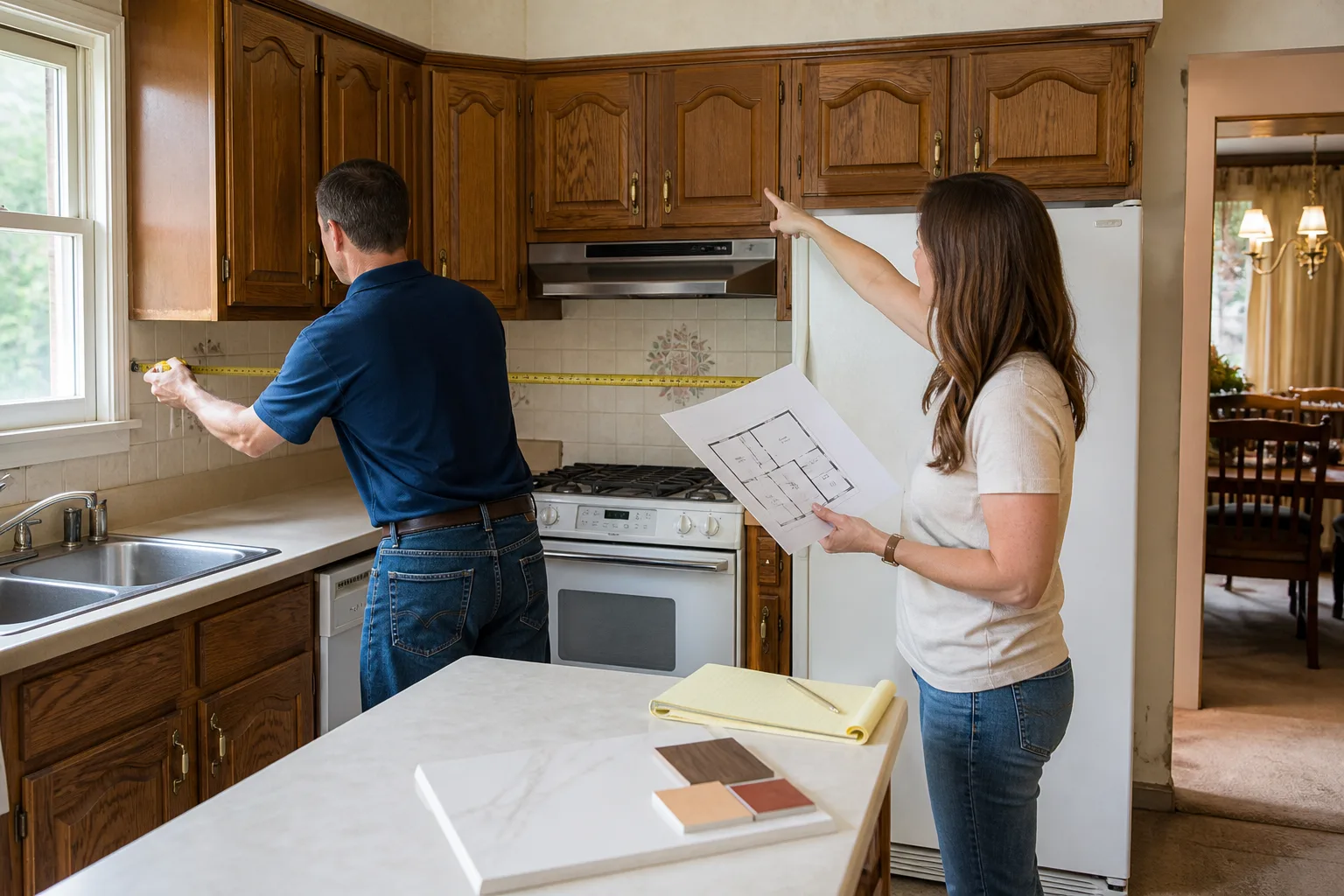
A lump-sum number scribbled on the back of a business card is not an estimate. It’s a guess. In Whitney, where the summer heat routinely pushes past 105°F and interior work often involves opening walls in homes that have seen fifteen years of sun and dry air, the estimate phase is where a professional contractor earns your trust. A vague estimate is the single most reliable predictor of a project that ends up thousands over budget.
Here’s what a legitimate estimate includes, and what it should never omit:
- Line-item breakdown. Every trade called out separately: demolition, framing, electrical, plumbing, drywall, tile, cabinetry, finish carpentry, paint, cleanup. Labor and materials priced as separate line items.
- Written scope of work. Exactly what’s being removed, exactly what’s being installed, and exactly what’s excluded. If a door isn’t being replaced, the estimate says so.
- Allowances with real numbers. If cabinets or countertops are allowances, the number is written and what happens if you exceed it is written.
- A change-order process. How additions get priced, who approves them, and how much notice you get before work proceeds.
When a contractor says “we’ll figure it out as we go,” what they actually mean is “we’ll send you a bigger invoice once you’re too deep to say no.” That sentence is not flexibility. It’s a warning.
Here at Penhallow Remodeling, every homeowner in Whitney gets a written price before any work starts, and the number on day one is the number on the invoice. That’s part of how we work, and it’s the standard any contractor you hire should meet. If you’re planning a Kitchen Remodeling in Whitney or a Bathroom Remodeling in Whitney project, ask every bidder to put their scope and price in writing, and use that document as your apples-to-apples comparison.
Why an Unusually Low Bid Is a Warning Sign, Not a Win
When one bid comes in thousands less than every other bidder, the number is not a bargain. It’s a placeholder. Low bids get replaced by change orders once your cabinets are already torn out and you’re committed.
The most common way a low bid works:
- Underprice the job. The bid omits permit fees, inspections, disposal, and drywall repair after plumbing rough-in.
- Start the work. Once demolition is complete and the room is unusable, you’re locked in.
- Convert omissions to change orders. “The wall behind the old tile needed new backer board, that’s extra.” “The permit was not included, that’s a $600 add.” Each line item is reasonable. Collectively, they add up to more than the honest bid.
- Finish or walk. The good ones finish and add up. The bad ones walk, and you’re left with an open permit and half a bathroom.
To sanity-check a low bid, ask how much of the total is labor versus materials. Materials in kitchen and bath work are typically the larger portion, and those costs are fairly stable: KraftMaid and Wellborn cabinetry, Cambria or Silestone quartz, and Kohler fixtures all price within a known range. If a bid claims to cover a full kitchen remodel for a number that wouldn’t buy the cabinets and slab, it’s not covering the cabinets and slab.
In Whitney, real kitchen remodels typically run $18,000 – $55,000 depending on layout, cabinet line, and countertop material. A bid at half that number isn’t a smarter contractor. It’s a price that will change once you’ve committed. Same for whole-home work: if you’re planning a larger scope, review what a General Contractor in Whitney project actually includes before comparing numbers.
How to Verify a Contractor’s License in Nevada
Nevada licenses contractors through the Nevada State Contractors Board (NSCB), and you can verify any bidder’s status in under three minutes. It’s the single most valuable three minutes of your project. Do it before you sign anything.
Here’s the process:
- Go to the NSCB website (nscb.nv.gov) and open the “Verify a License” search.
- Enter the license number exactly as it appears on the bid. If they haven’t given you a license number on the bid, that’s already a red flag.
- Confirm three things: the status is active, the classification matches the work (residential remodeling has its own classification), and the name on the license matches the business name on your estimate.
- Check the complaint history on the same page. You’re looking for a pattern, not a single administrative infraction.
- Screenshot the result. Save it. If anyone on the job site claims a different name, you have a paper trail.
An “inactive” license means the contractor was licensed, then let the license lapse or had it suspended. In Nevada, working on an inactive or expired license is not just a red flag: it can void your homeowner protections and complicate insurance claims if something goes wrong. Never accept “my old number was fine, the new one is being processed.” Either the license is active or the contractor isn’t licensed.
Verification is one of the reasons we structure our Whitney estimates as written documents from the first visit. If you’d like the full scope of what we cover on a project, start at the Penhallow Remodeling Whitney home page.
What a Real Warranty Looks Like in Writing
“I stand behind my work” is a phrase, not a warranty. A real warranty is a written document that states what’s covered, for how long, what’s excluded, and what happens when something fails. Without those four elements, there is no warranty. There’s only a promise that evaporates the first time you call back.
Ask every bidder for their warranty in writing, and compare them side by side:
- Length. How many days, months, or years does workmanship coverage last?
- Coverage. Is it labor only, or labor and materials? What about failures caused by product defects?
- Exclusions. What voids the coverage? Water intrusion from a separate roof problem? Owner-supplied materials? Cosmetic cracks?
- Callback process. Is there a fee for the return visit? How soon will they come back?
- Product warranties layered on top. High-quality materials carry their own coverage: Cambria quartz carries a transferable lifetime warranty on the slab itself, and James Hardie siding has its own product warranty. Those stack alongside the workmanship warranty, not in place of it.
Our own guarantee, the 365-Day Done Right Promise, is on every Penhallow project in writing: if the work fails inside the coverage period, we come back and fix it at no charge, and the return visit has no service-call fee. That’s the standard to look for. If a contractor won’t commit the warranty to paper, don’t sign the contract.
Payment Request Patterns That Signal Cash Flow Problems
How a contractor asks to be paid tells you more about their financial health than anything stated in a sales meeting. A contractor with healthy cash flow bills against milestones. A contractor who is quietly in trouble asks for something different.
Watch for these payment patterns:
- Large upfront draws. Nevada caps how much a contractor can legally collect as a down payment on residential work. Anything higher than a modest mobilization draw, especially north of 10%, is a warning. It means they need your money to buy materials for your job, which means they’re using your check to fund someone else’s.
- Payment before milestone completion. Standard practice is payment on delivery of a defined milestone: demo complete, rough-in passed inspection, cabinets delivered. Being asked to pay for a stage that hasn’t finished is a cash-flow signal.
- Cash-only requests. Cash means no receipt, no paper trail, no worker’s-comp records, and no ability to file a complaint. It’s often a signal that the contractor isn’t carrying the required insurance.
- Pressure to pay quickly. “I need to place the cabinet order today, can you get me a check by this afternoon” is not urgency from the supply chain. It’s urgency from their bank account.
- Change-of-payment-entity mid-project. Being asked to make a check payable to a different business name mid-build is a serious red flag. It’s how contractors shed warranty responsibility.
A clean payment schedule has 4-6 milestones, all tied to completed work, with retainage held back until final inspection and cleanup. Ask for that schedule in writing as part of the contract.
Communication Red Flags Before the Job Starts
How a contractor communicates before the contract is signed is how they’ll communicate during the job. The pattern rarely improves. We’ve watched Whitney homeowners sign with the warmest talker in the room and discover three weeks in that the same person can’t return a text.
Watch for:
- Same-day pressure. “If you sign today I can lock in this price” is a sales tactic, not a project reality. Materials prices move, but not because a homeowner signed at 4pm on a Thursday.
- Vague arrival windows. “Someone will be there sometime Tuesday” is not a window. A real contractor can name an hour, and a range that holds through the day.
- No reference list. A professional contractor is happy to hand you three recent clients you can call. If they hesitate, ask why.
- No physical address on the estimate. A P.O. box is not a business address for a licensed contractor. See it on the license lookup if the estimate doesn’t include it.
- Voicemail-only phone coverage. If you can’t reach a live person while they’re trying to sell you the job, you won’t reach one when the tile is short.
In our experience, one of the details that matters most is having a live person answer the phone. Our own phone coverage is a real person, 24/7, because the call you make at 9pm the night before a walk-through shouldn’t go to a mailbox.
What Good Contractors Actually Do Differently
It’s easy to leave a homeowner with only a list of things to fear. The other half of the equation matters more: knowing what to look for when someone is doing it right. A trustworthy contractor’s behaviors are equally specific and equally observable.
Here’s what the good ones do, every time:
- Give you a written price before any work starts. Not a range, not a ballpark. A written number that holds.
- Put the scope in writing, exclusions included. A good estimate lists what’s not being done with the same care as what is.
- Name a real arrival window and hit it. If something changes, you hear from them before the window, not after.
- Show up with background-checked, uniformed technicians. You know whose face will be in your home.
- Pull the permits and pass the inspections. No verbal “we don’t need a permit for that.”
- Put the warranty in writing with a fixed coverage period and a named callback process.
- Leave the job clean. Final broom sweep, debris hauled, no contractor dust in the hallway for a week.
That last one sounds small until you’ve lived through a job where it isn’t done. The Kingswell Way – say the price before the work, show up in the window we gave, leave the place cleaner than we found it – exists because those three things are exactly what most contractors skip, and exactly what homeowners remember.
Common Mistakes to Avoid
- Hiring the fastest talker in the room. Warm sales energy is not a skill you want in a contractor. A written estimate is. Trust the paper, not the persona.
- Comparing bids without comparing scope. In Whitney, a $40,000 kitchen bid and a $28,000 kitchen bid look comparable until you realize the cheaper bid omits the permit, the drywall repair, and the quartz. Compare line items, not totals.
- Skipping the NSCB license lookup. Three minutes on the Nevada State Contractors Board site can save you a six-figure nightmare. Never accept an estimate without a license number on it.
- Paying a large upfront draw to “hold your spot.” A professional contractor doesn’t need your money to start your job. Milestone payments protect you, not them.
- Accepting a verbal warranty. If it isn’t in writing, it doesn’t exist. Ask what’s covered, for how long, and what voids the coverage. Write the answers down and attach them to the contract.
- Overlooking the cleanup and inspection layer. A finished job should come with paperwork: permit sign-off, a final walk-through, and a written warranty. If your contractor leaves without handing you that, the job isn’t finished.
- Letting the estimate go unfinalized. Verbal adjustments during the walk-through (“we’ll work it out”) become change orders later. Get every agreed change into the written scope before work begins.
When to Call a Professional
Some decisions are clearly yours to make. Replacing a light switch cover, painting a bedroom, swapping a faucet – none of those need a contractor. But once the work involves removing walls, changing electrical or plumbing rough-in, altering the moisture barrier behind tile (the cement board substrate that keeps a bathroom dry), or pulling a permit, you’re past the DIY line. Nevada residential code is specific about what needs an inspection, and work that skips inspection is a problem that surfaces when you sell the house. Whitney homes built before 2005 in particular tend to have plumbing and electrical that surprises homeowners once the wall is open, and a licensed contractor is the person who knows how to price the surprise without changing the contract. If a job feels like it might need a permit, it does.
Penhallow Remodeling Whitney offers free estimates throughout Whitney – call (833) 721-7402 to schedule yours, and we’ll walk through the scope and the written price in one visit.
Frequently Asked Questions
The biggest red flags are: no written line-item estimate, an unusually low bid that doesn’t explain how it’s priced, refusal to put the scope in writing, a demand for a large cash upfront draw, and a verbal warranty instead of a written one. Any single one of these should make you slow down. Two or more together should end the conversation, no matter how good the sales meeting felt. Call (833) 721-7402 for an exact quote on your Whitney project – estimates are free.
Kitchen remodels in Whitney typically run $18,000 – $55,000 depending on layout, cabinet line, and countertop material. A galley kitchen with KraftMaid or Wellborn cabinets and a Silestone quartz countertop lands in the lower half of that range; a larger kitchen with a Cambria slab, expanded footprint, and moving plumbing pushes toward the top. If a bid comes in significantly below that range, ask what’s missing from the scope before you sign. Call (833) 721-7402 for a written itemized estimate – it’s free.
Go to the Nevada State Contractors Board website, enter the contractor’s license number in the license lookup, and confirm that the status reads “active,” that the classification matches residential remodeling, and that the business name on the license matches the estimate. Check the complaint history on the same page. The whole process takes under three minutes and is the single most valuable thing you can do before signing. If you’d like the license number for a Penhallow Remodeling Whitney estimate, call (833) 721-7402 and we’ll walk it through with you.
Not on a Penhallow Remodeling Whitney project. The written price you receive before work starts is the price on your invoice, and change orders only apply to changes you explicitly approve. On any contractor’s job, watch for the assumption that “the price will go up once we open the wall” – if that’s part of the sales pitch, it will be part of the invoice. Our written price is a written commitment, backed by the 365-Day Done Right Promise. Call (833) 721-7402 for a free estimate.
A real warranty is a written document that states the coverage length, what’s covered (labor and materials), what’s excluded, and what happens if a repair fails. On our projects, the 365-Day Done Right Promise covers workmanship for a full year and includes a free return visit at no charge if anything fails. Product warranties from brands like Kohler and Cambria stack on top. If a contractor can only say “I stand behind my work” without a written document, that isn’t a warranty. Call (833) 721-7402 for details on ours.
Yes. Every Penhallow Remodeling Whitney project pulls the required permits and passes the required inspections before final payment. If a contractor tells you “we don’t need a permit for this” on anything that touches electrical, plumbing, structural, or moisture-barrier work in Whitney, that contractor is not licensed to be doing the work or is choosing to skip the inspection. Unpermitted work can void insurance coverage and complicate a future sale. Call (833) 721-7402 for a free estimate and we’ll confirm exactly what the permit scope will be for your project.
The Bottom Line

The contractor that makes you feel best in the first meeting is not the one to hire. The one with a written price, a written scope, a verifiable license, a clean payment schedule, and a written warranty is. Those five things are what separate a licensed professional from a person with a truck and good stories. Watch for these signals on every bid you receive, not just the ones that feel wrong. If a contractor checks all five boxes, you’re likely in good hands – and if you’re in Whitney and want that experience from the first call, that’s the standard we hold every project to.
Call Penhallow Remodeling Whitney at (833) 721-7402 to schedule your free estimate. Our technicians have up to 22 years of experience, our estimates are written before any work starts, and our 365-Day Done Right Promise is in writing on every project. A live person answers the phone 24/7 – no voicemail, no callback window, no guesswork.
Written by the team at Penhallow Remodeling Whitney.
See the difference
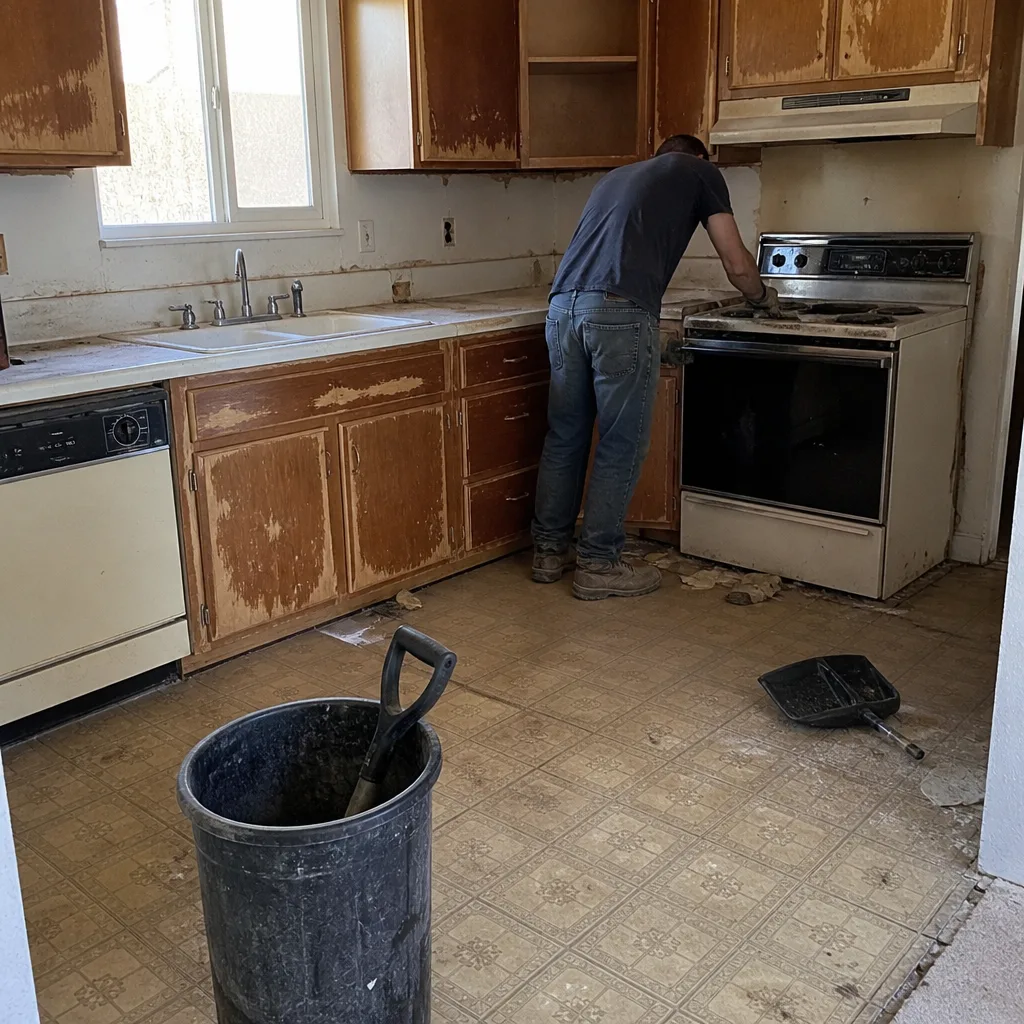 Before
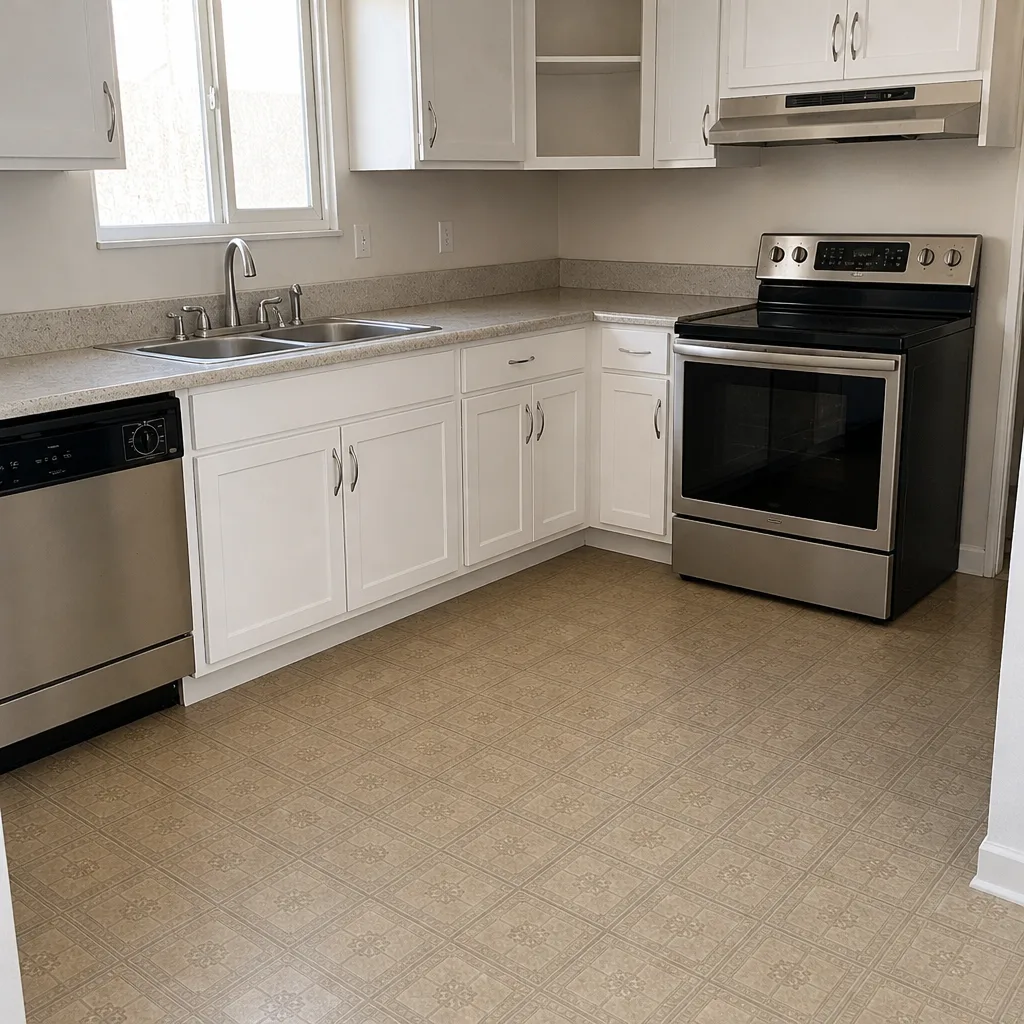 After
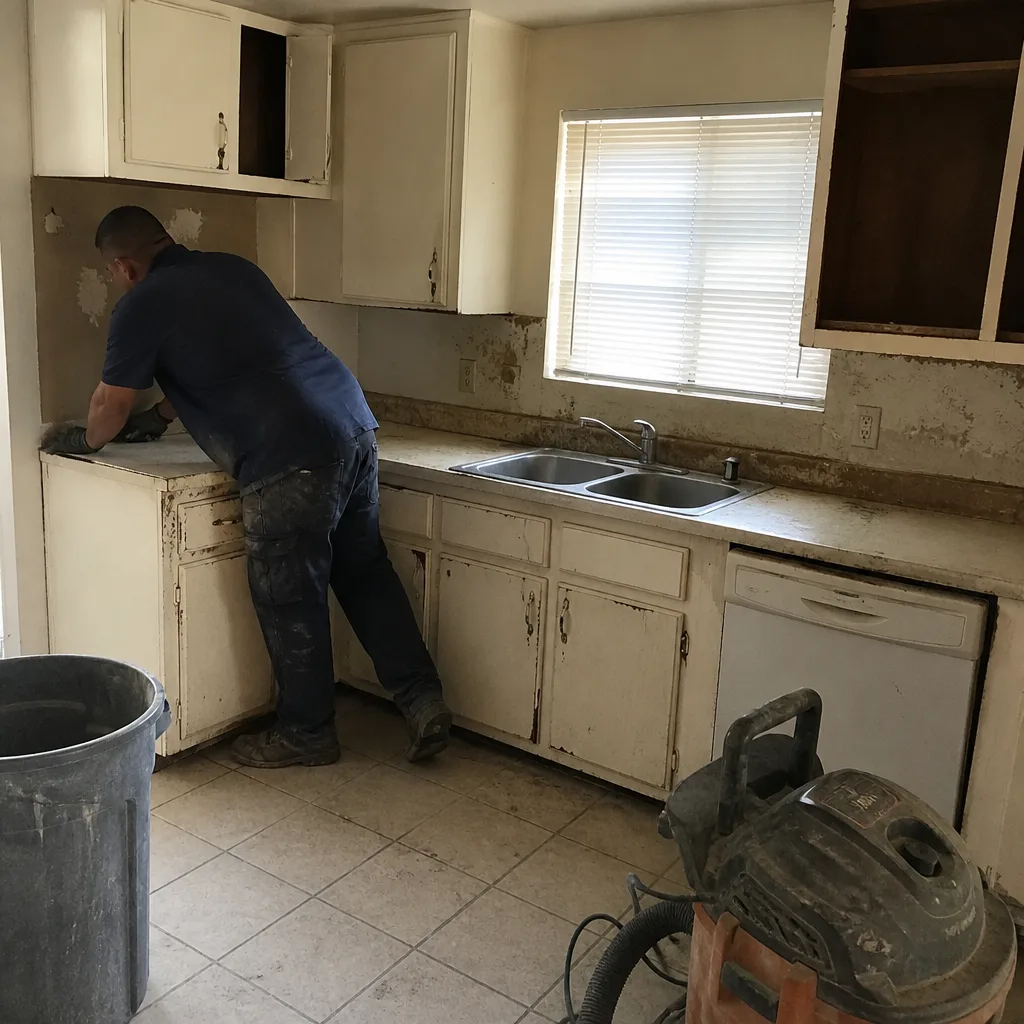 Before
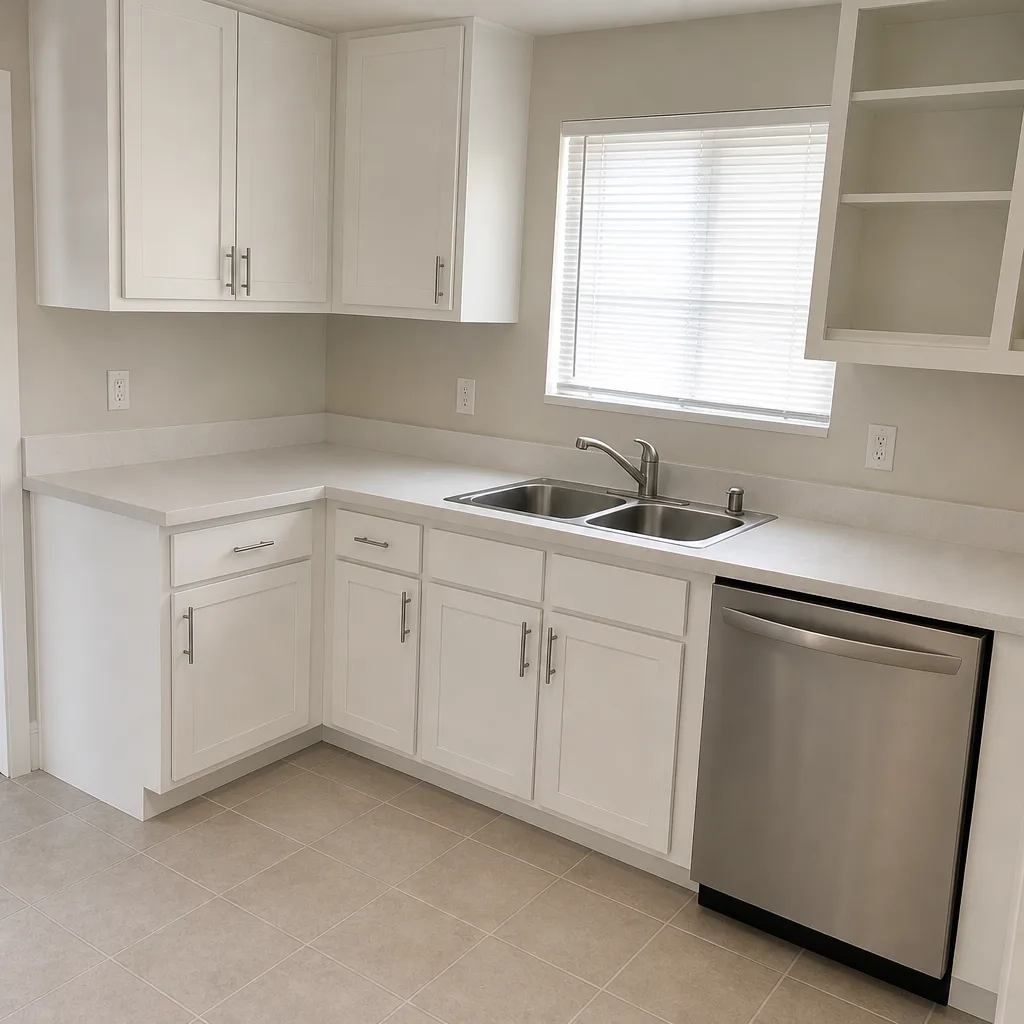 After
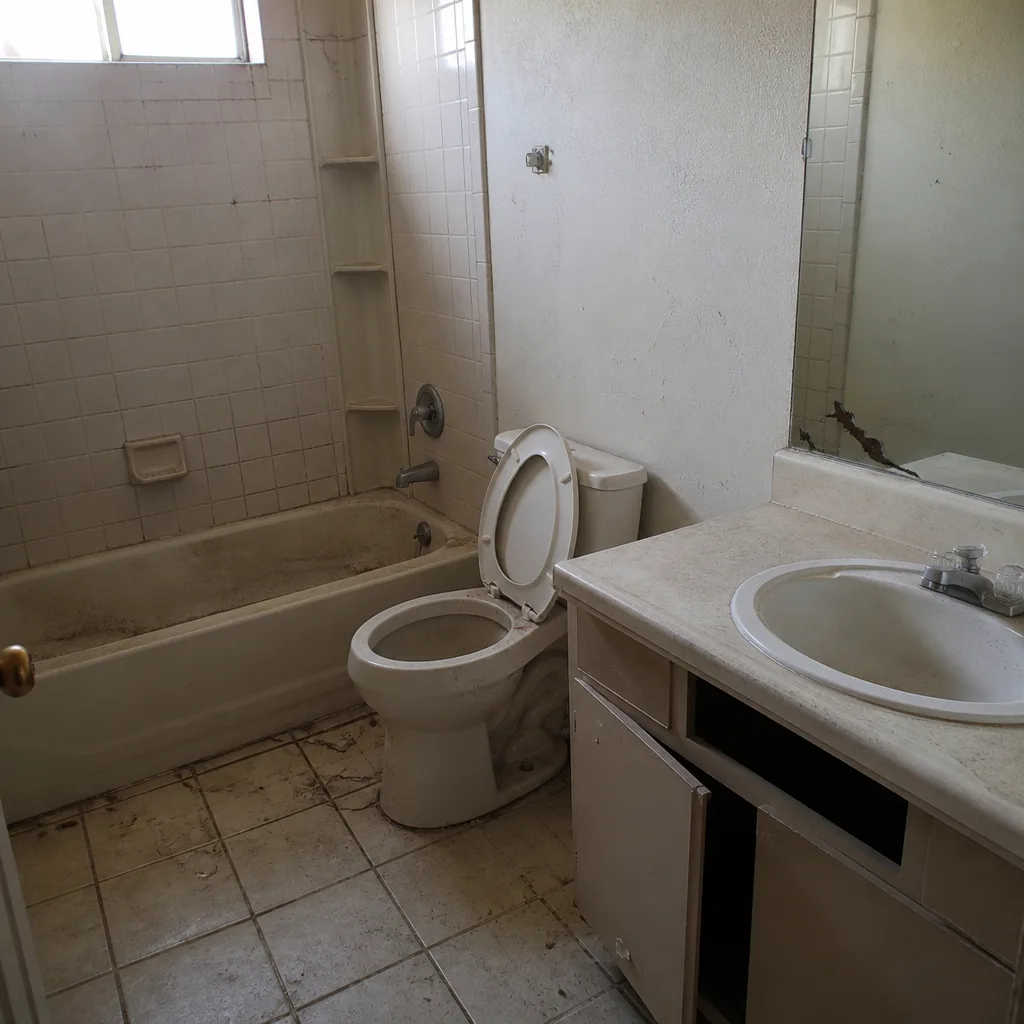 Before
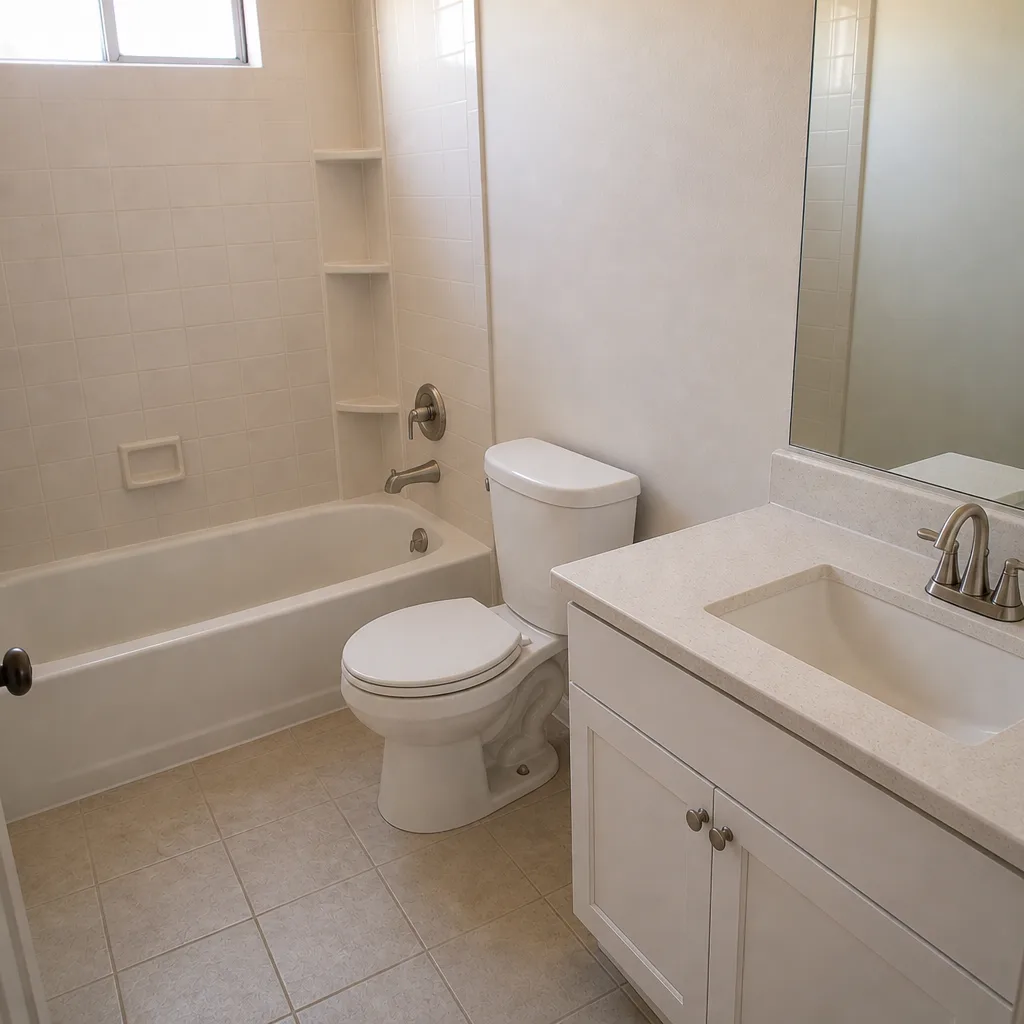 After