Last updated November 18, 2026







Free written scope consultation - allowances, timeline, and change-order rules on paper before a single trade is scheduled
DIY vs Professional Construction: The Whitney Homeowner’s Decision Guide
Nevada lets you pull an owner-builder permit, which means you can legally take on far more of your own construction than a homeowner in most other states. That’s the surprising part. The uncomfortable part is that legal and advisable are two different standards. A tile shower you set yourself that fails at the liner in year two is an expensive lesson, and it’s exactly the kind of failure a written contractor guarantee would have covered. This guide draws the line honestly: which projects in Whitney make sense to do yourself, which ones reliably go wrong here, and how the permit and resale rules actually work.
Quick Answer
In Whitney, DIY makes clear sense for painting, cabinet hardware, landscaping, and minor trim work. It usually fails for tile on concrete substrates, bathroom waterproofing, and any work that needs a permit and inspection, because desert thermal movement, low humidity, and Clark County disclosure rules punish shortcuts. If the work touches waterproofing, structure, or resale disclosure, hire a licensed professional and get the price and the guarantee in writing first.
Styles & brands we work with
- Kitchen remodeling
- Bathroom remodeling
- Home additions & ADU
- Roofing
- Windows & doors
- Driveway & pavers
- Fence
Table of Contents
- Why Whitney Is a Different DIY Market
- Where DIY in Whitney Makes Clear Sense
- Where DIY Commonly Fails in a Desert Climate
- How Clark County Permits Interact With DIY Work
- The Real Cost Comparison Nobody Runs
- How to Scope a Hybrid Project That Works
- What Resale Scrutiny Actually Looks For
- Common Mistakes to Avoid
- When to Call a Professional
Why Whitney Is a Different DIY Market
Most DIY advice you’ll read online was written somewhere with mild seasons and steady humidity. Whitney doesn’t have either. Summer surface temperatures on a west-facing concrete slab can climb high enough to make thin-set cure faster than you can set tile, and winter nights drop hard enough that exterior assemblies expand and contract across a wide range every single year. That movement is the quiet force behind a lot of failed homeowner work here.
Whitney sits in the southern Nevada desert, and the housing stock reflects it: slab-on-grade foundations, stucco and masonry exteriors, and a lot of tile floors because carpet and hardwood struggle in this climate. That’s good news for some projects and bad news for others. Painting a stucco wall is forgiving. Setting a shower pan on a slab that moves with thermal cycling is not.
The other local factor is the resale market. Whitney is a community where homes turn over, and buyers here have gotten sharper about asking for permit records and disclosure statements. Work you did yourself that never got inspected doesn’t disappear at closing. It shows up in a disclosure form, and sometimes in a buyer’s renegotiation.
We’re a general contractor, so take our bias for what it is. But we’ve walked into enough half-finished Whitney projects to tell you where the honest line sits. That’s what the rest of this guide does.
Where DIY in Whitney Makes Clear Sense
Some projects are genuinely worth doing yourself, and hiring out for them is often a waste of money. Here’s where the skill floor is low, the tool list is short, and a mistake is cheap to fix.
- Interior painting. A roller, a brush, painter’s tape, and drop cloths. The skill floor is patience, not technique. Desert-dry air actually helps paint cure, though you’ll want to avoid painting in direct afternoon sun on exterior surfaces.
- Cabinet hardware. Swapping pulls and knobs is a screwdriver job. The only real risk is drilling a new hole in the wrong spot, so measure twice and use a template.
- Landscaping and xeriscaping. Whitney’s climate rewards desert-friendly planting, and gravel, drip lines, and native plants are homeowner-friendly work. Anything that touches a gas line or main electrical run is not.
- Minor trim work. Baseboard replacement, shoe molding, and simple caulking around interior windows are reasonable weekend projects.
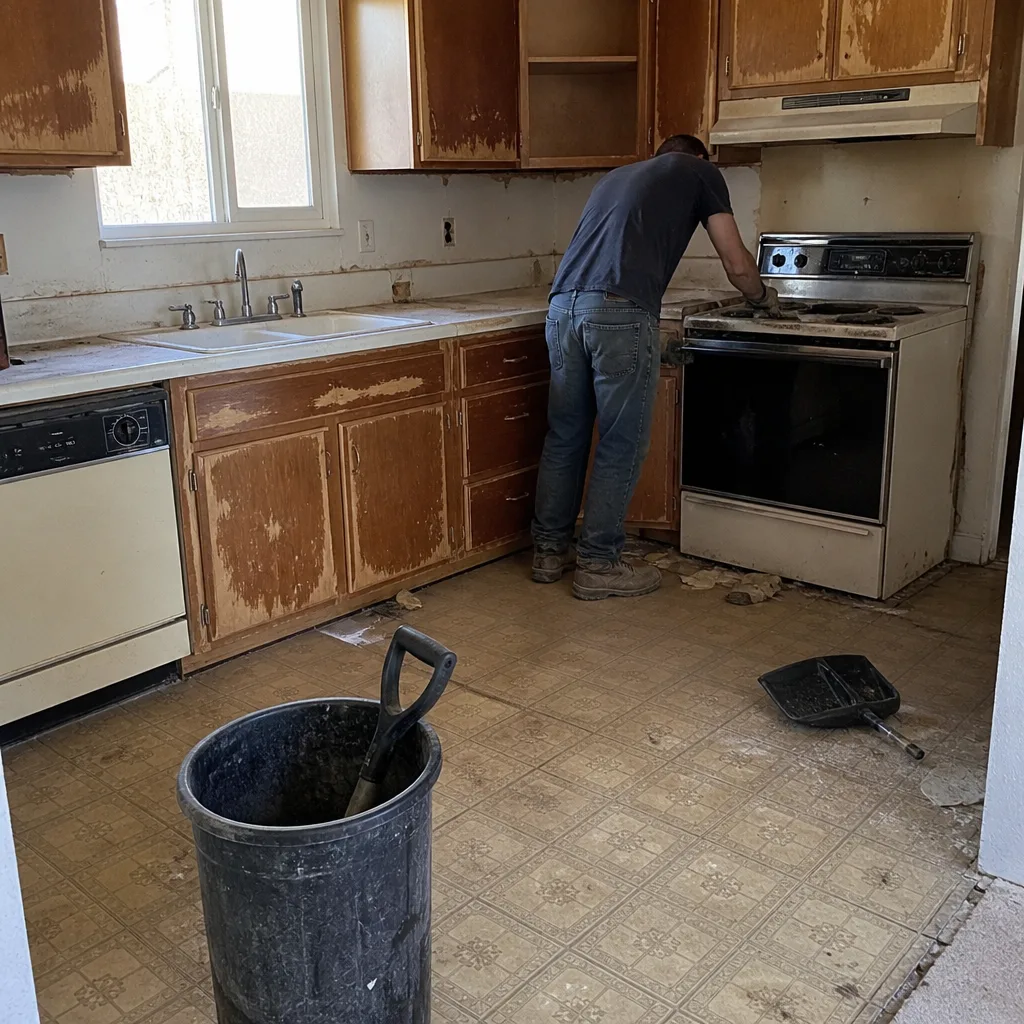
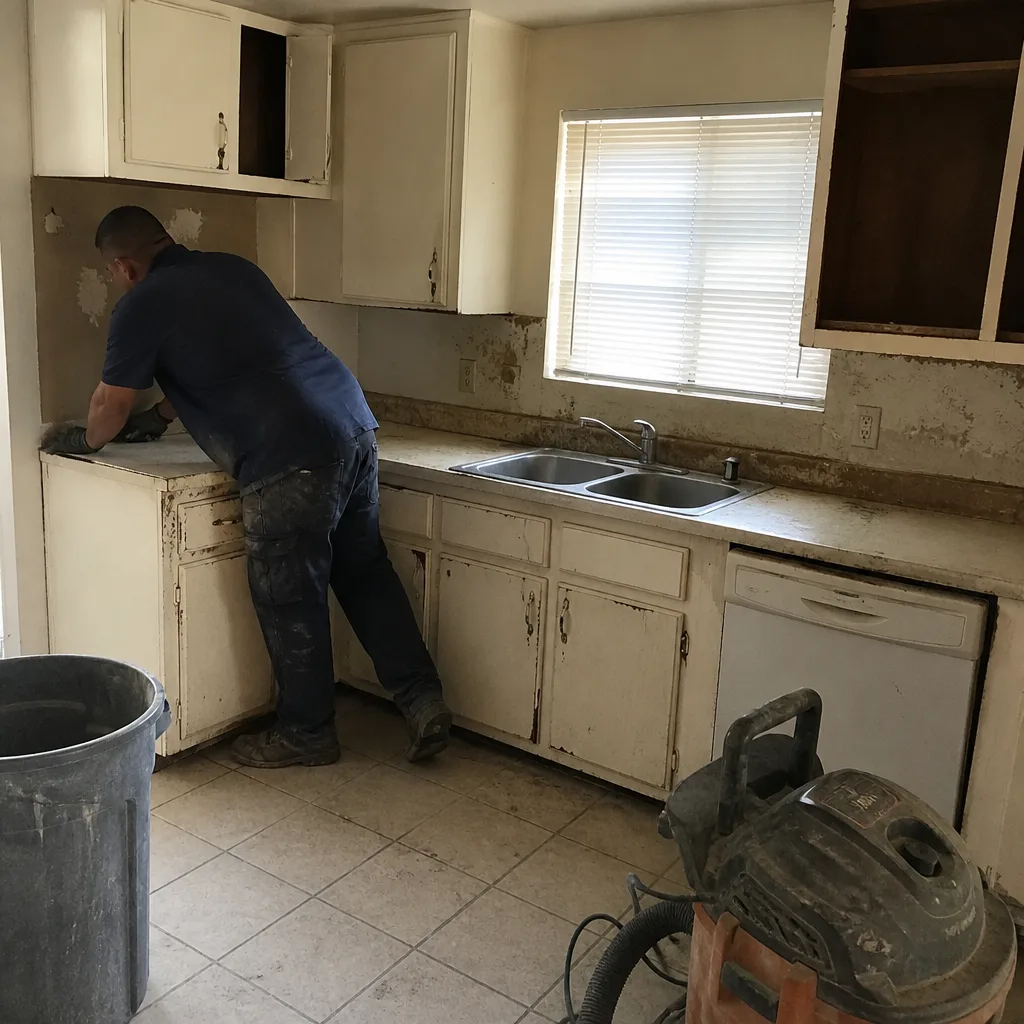
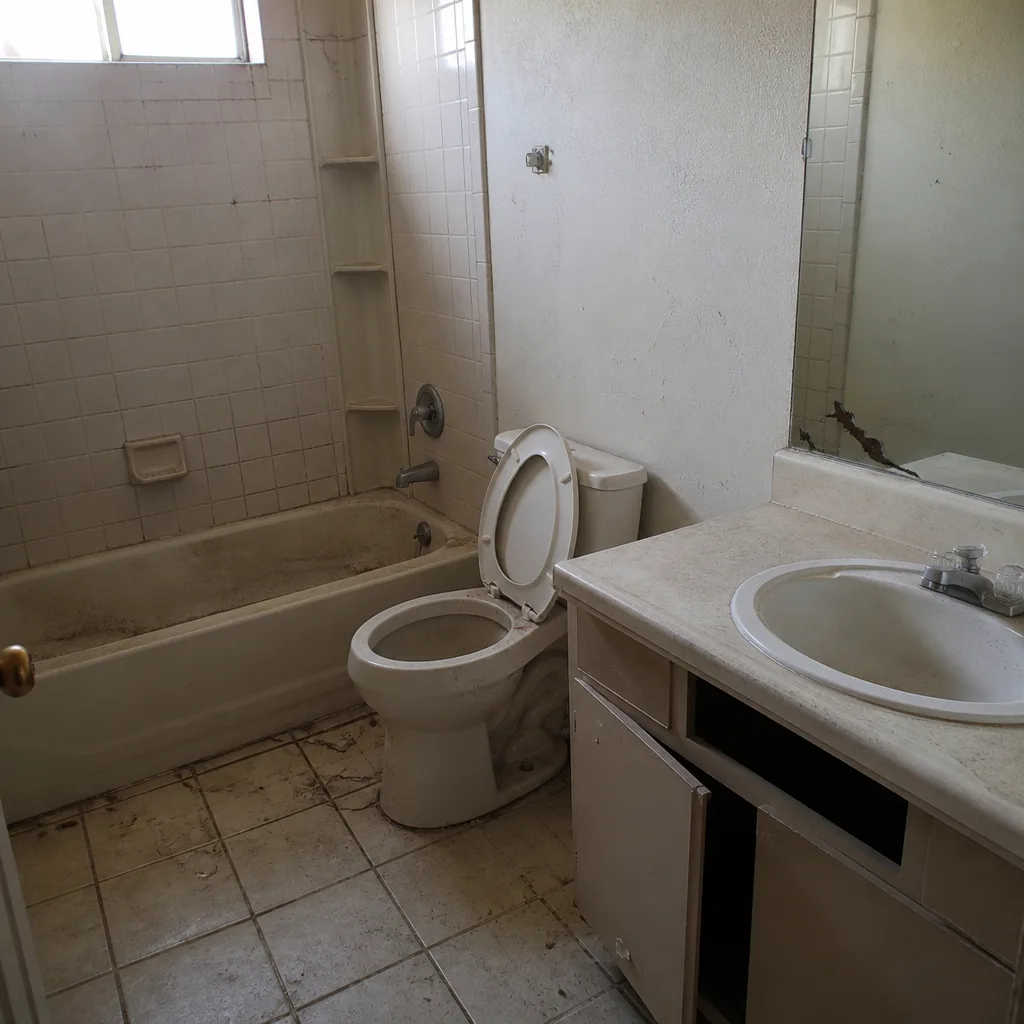
- Demo and haul-away. If you’re gutting a bathroom or kitchen before a remodel, tearing out cabinets and tile is hard work but low-risk, and it saves real labor dollars.
The honest note on skill floor: painting and hardware reward care more than talent. Trim work reveals sloppy cuts immediately, so practice on a closet before you touch the living room. And if a project requires you to buy a tool you’ll use once, price the rental before you commit.
Where DIY Commonly Fails in a Desert Climate
These are the projects where we see homeowner work fail in Whitney again and again, and the failures share a root cause: desert conditions punish the exact steps that are easiest to rush.
Tile work on concrete substrates
Slab-on-grade concrete moves with thermal cycling. Tile set directly on it without the right membrane or uncoupling layer will eventually crack along the grout lines or tent up entirely. In our experience, Whitney tile failures show up most often at the perimeter of a room and around floor drains, where movement concentrates. The fix isn’t a patch; it’s a tear-out.
Exterior caulking with the wrong product
Standard painter’s caulk fails fast in desert sun. UV exposure and wide temperature swings break down the wrong sealant within a season or two, and water gets behind stucco. The right product is a paintable exterior sealant rated for high movement and UV, and the joint prep matters as much as the caulk. Most homeowners never learn this until the second failure.
Drywall finishing in low humidity
Joint compound dries faster here than the instructions assume, which tempts people to sand too soon or recoat before the previous layer is fully set. The result is a finish that looks fine under flat light and shows every ridge under a window. Low humidity also pulls moisture out of the mud unevenly, so thin coats and patience beat speed every time.
Shower waterproofing
This is the one that costs the most to get wrong. A shower liner that’s nailed through at the wrong height, or a pan that doesn’t slope correctly, fails silently for a year or two and then rots the framing behind it. It looks fine the whole time it’s failing. That’s the trap.
How Clark County Permits Interact With DIY Work
Nevada’s owner-builder permit lets a homeowner act as their own general contractor on their own residence, and it’s a real allowance, not a loophole. But it comes with strings that most people don’t read carefully.
- You become responsible for code compliance. The permit puts the inspection burden on you, not a licensed contractor. If the work fails inspection, you own the correction.
- You must disclose the owner-builder work at resale. Nevada requires disclosure of owner-builder improvements, and buyers and their agents increasingly ask for the permit and inspection record. No record means a harder sale or a price concession.
- It doesn’t protect you from your own workmanship. There’s no guarantee behind a homeowner’s tile job. If it fails, there’s no one to call and no one to pay for the fix.
- Some work still requires licensed trades. Gas line work and main electrical service changes generally require a licensed professional regardless of owner-builder status. Don’t assume the permit covers everything.
Here’s the part competitors skip: pulling the permit is not the hard part. Passing the inspection on a waterproofing assembly or a structural change is the hard part, and that’s where homeowner work most often stalls. If you’re weighing a project that needs a permit, the smartest first call is to a licensed general contractor in Whitney who can tell you what the inspection will actually look for before you swing a hammer.
The Real Cost Comparison Nobody Runs
The standard DIY math is contractor price versus materials cost, and it’s almost always wrong. Here’s the fuller ledger homeowners should run before deciding.
| Cost line | What it actually adds |
|---|---|
| Materials | Retail pricing, not contractor pricing, so you often pay more per unit than a pro would |
| Tool rental | Tile saws, demo hammers, and drywall lifts run real money per day, and a multi-week project means multi-week rental |
| Learning curve | The first tile job takes roughly two to three times longer than an experienced setter would take on the same area |
| Time off work | Weekends and vacation days have a dollar value, even if you don’t bill for them |
| Remediation | The number that breaks the budget. Tearing out a failed shower pan and rebuilding it correctly can cost more than hiring it done the first time |
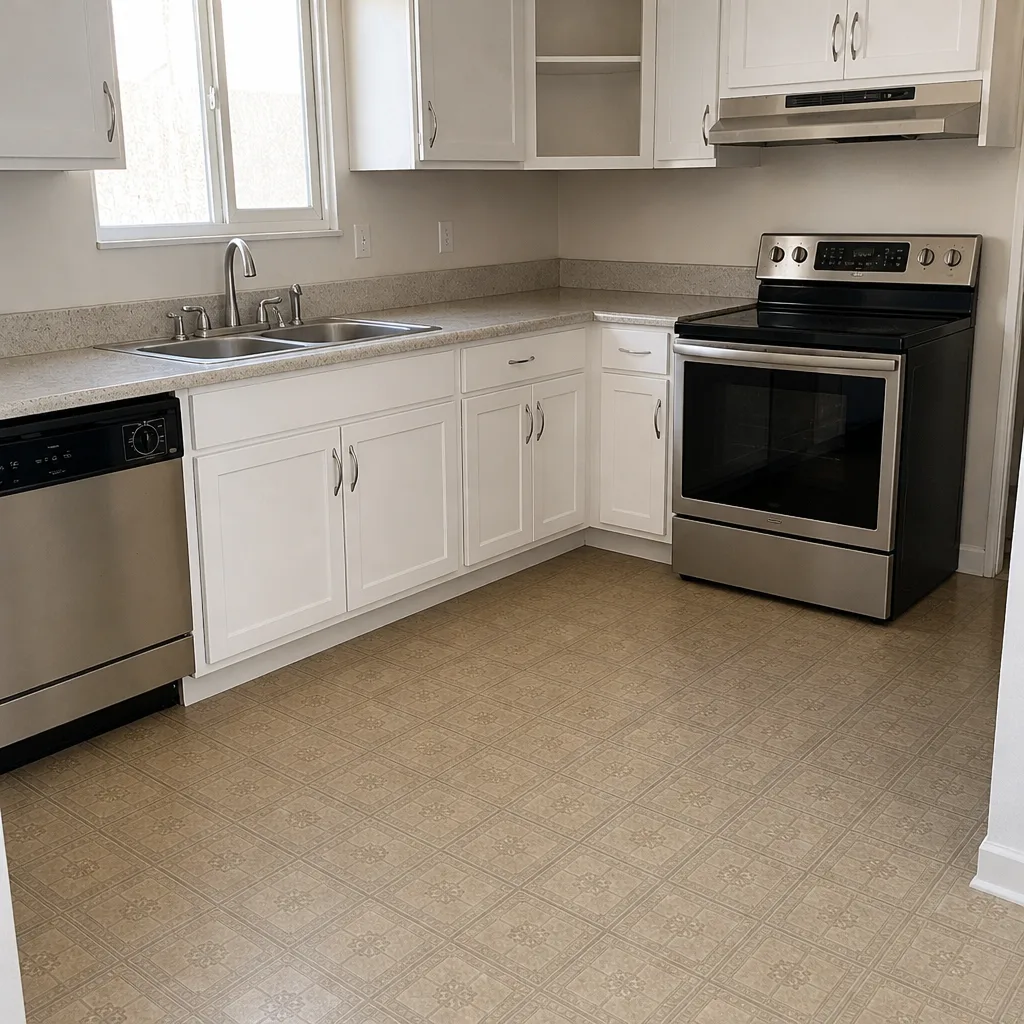
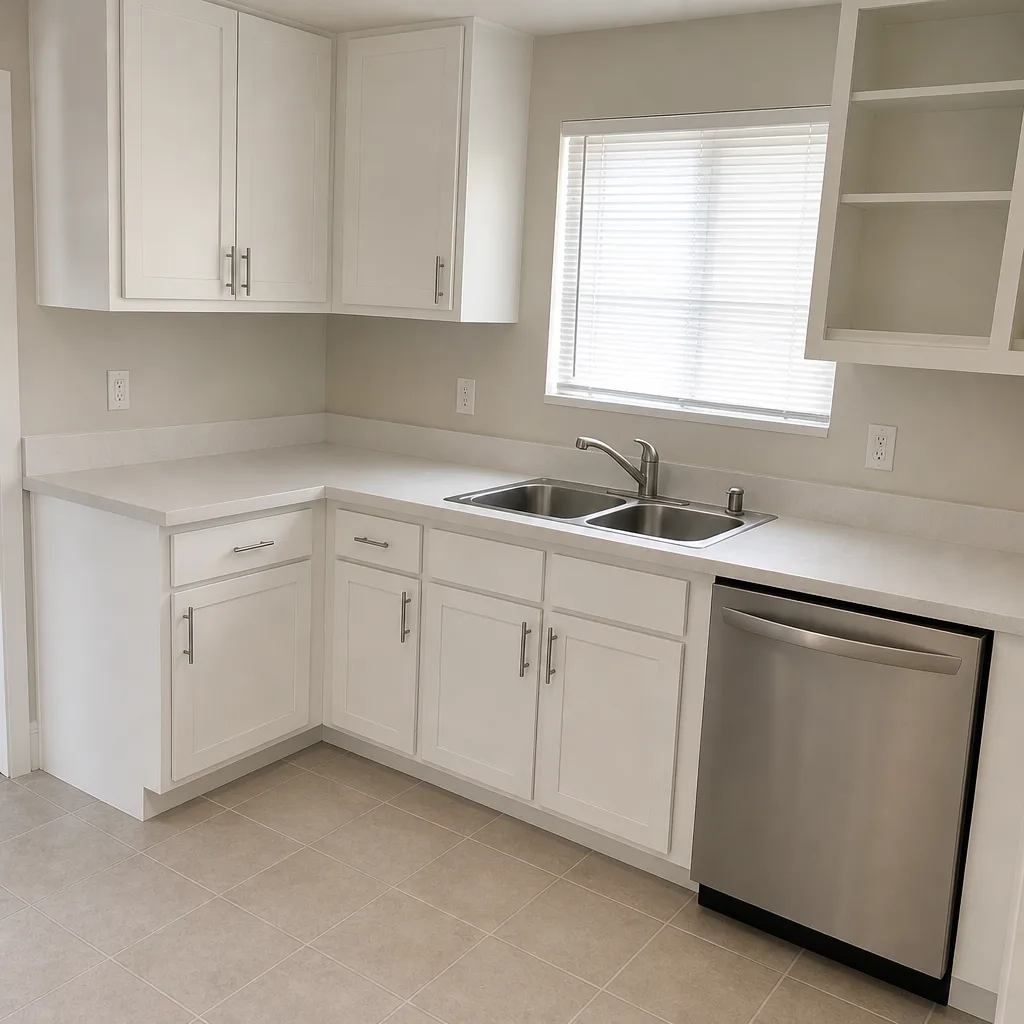
Run that ledger on a bathroom and the gap narrows fast. Run it on a full kitchen remodeling project in Whitney, where cabinet layout, countertop templating, and plumbing relocation all interlock, and the honest conclusion is that DIY rarely pencils out beyond demo and cleanup.
That’s also why we put the price in writing before any work starts. A written number you can compare against your own materials-and-time math is a fair comparison. A verbal ballpark isn’t.
How to Scope a Hybrid Project That Works
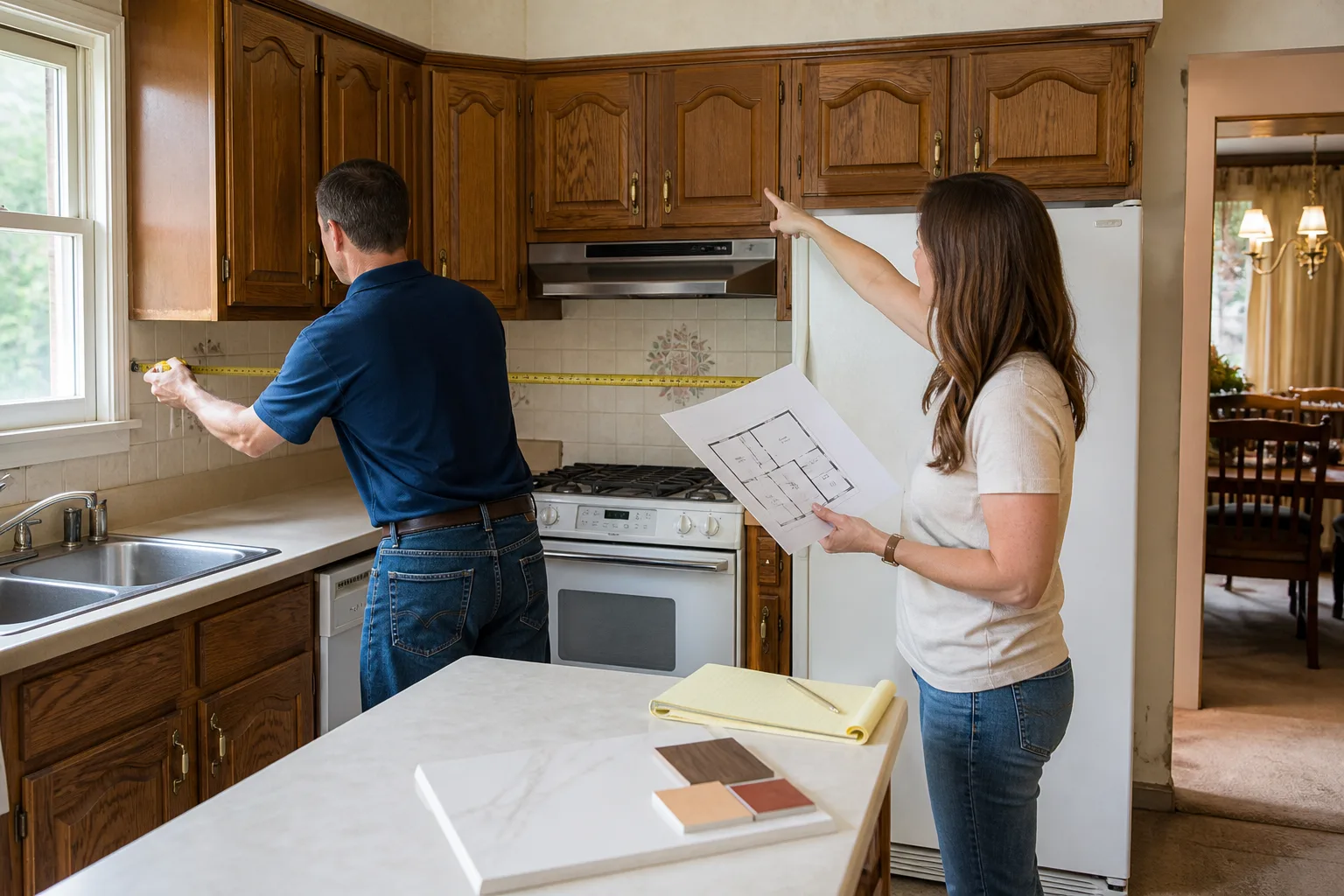
The best-value approach for a lot of Whitney homeowners isn’t all-DIY or all-hire. It’s a hybrid: you do the demo and cleanup, a professional does the finish work, and both sides know exactly where the line sits. Here’s how to structure it so a contractor will actually take the job and stand behind their portion.
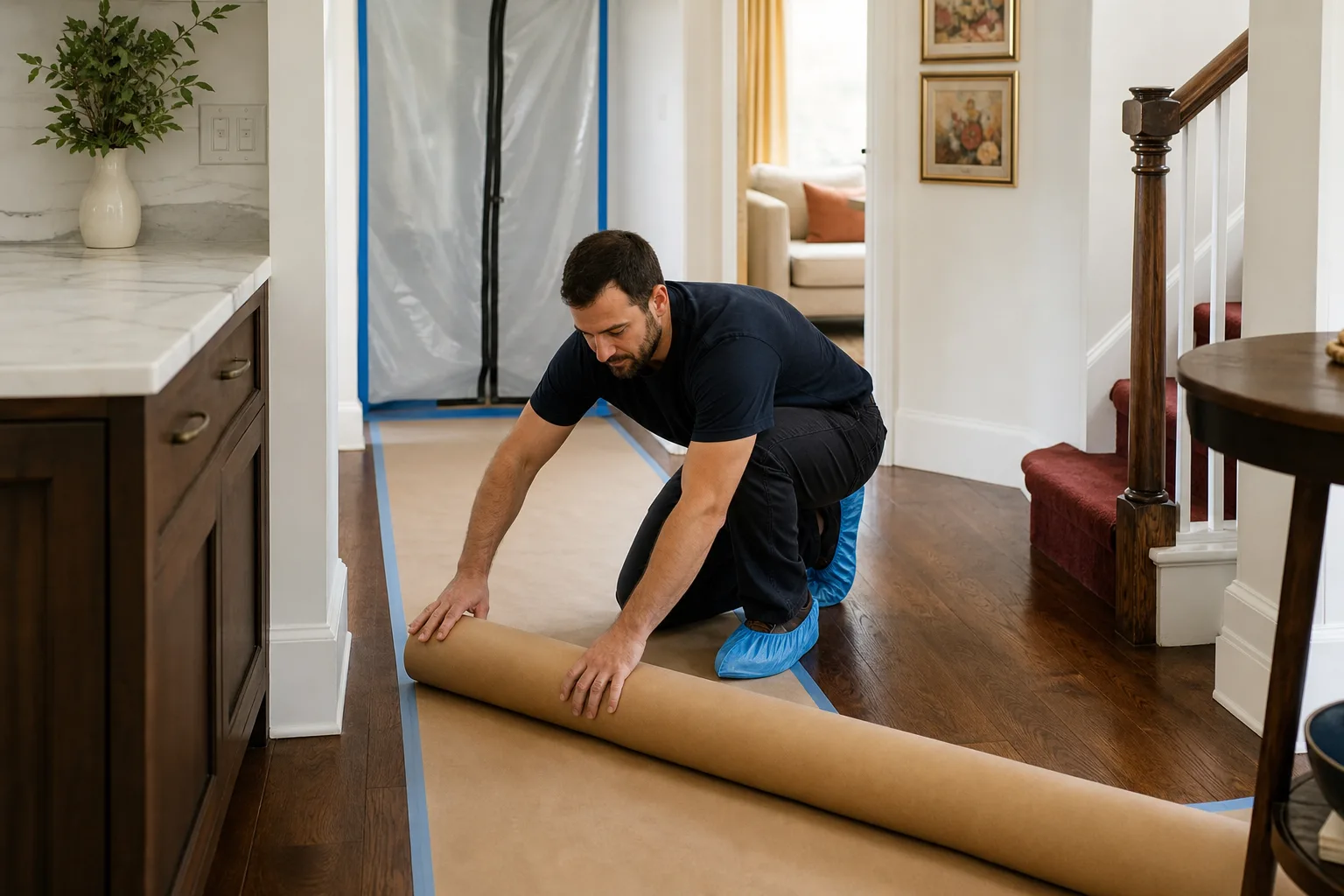
- Define the split before you call. Write down exactly what you’ll do (demo, haul-away, site protection) and what you want the contractor to do (substrate prep, waterproofing, tile, finish trim). Vague scope is why contractors decline hybrid jobs.
- Ask what they’ll warranty. A good contractor will guarantee the work they performed and be explicit about what they won’t cover, like a substrate you prepped yourself. Get that in writing.
- Let them inspect your demo before they price the finish. A contractor who quotes finish work sight-unseen is guessing, and guesses turn into change orders. A site visit up front protects both of you.
- Agree on the handoff standard. What condition does the space need to be in when you hand it over? Clean, dry, and stripped to the substrate is typical. Spell it out.
- Get the written price and the written guarantee together. If a contractor won’t put both on paper, that’s your answer about how the job will go.
We take hybrid jobs, and we say plainly which portions we’ll stand behind. The 365-Day Done Right Promise covers the work we perform: if it fails inside the guarantee period, we come back and fix it at no charge. We can’t guarantee your demo, and we won’t pretend otherwise.
What Resale Scrutiny Actually Looks For
When a Whitney home goes on the market, a buyer’s inspector is looking for a few specific things that DIY work tends to miss. Knowing them ahead of time changes how you scope a project.
First, permit records. Unpermitted structural, electrical, or plumbing work shows up in a title search or a disclosure and can stall a sale. Second, waterproofing evidence. An inspector can’t see behind tile, but they can spot a shower with no visible liner termination or a floor that’s clearly not sloped. Third, exterior seal integrity. Failed caulk lines and stucco cracks read as deferred maintenance and invite renegotiation.
The flip side is that documented, inspected, guaranteed work adds value at listing. A buyer looking at a bathroom remodeling project in Whitney with a permit record and a written guarantee has far less to argue about than one with a homeowner’s unpermitted tile job. If you’re planning to sell within a few years, that calculus alone can decide the DIY question for you.
Our technicians have up to 22 years of experience, and a lot of that has been spent correcting work that looked right to the person who did it. The pattern is consistent: the finish looks fine, the failure is underneath.
Common Mistakes to Avoid
- Assuming the permit covers the whole job. Nevada’s owner-builder permit doesn’t authorize gas line or main electrical service work. Budget for a licensed trade on those portions.
- Setting tile directly on a slab without a membrane. Thermal cycling in Whitney will find the weak point within a couple of seasons. The membrane isn’t optional here.
- Using interior caulk on exterior joints. Desert UV and temperature swings destroy the wrong sealant fast. Use a UV-rated exterior product and prep the joint properly.
- Rushing drywall mud in low humidity. Thin coats and full cure time prevent the ridges and cracks that show up under raking light months later.
- Leaving owner-builder work undisclosed. Nevada requires disclosure at resale, and an undisclosed permit gap can cost you at closing.
- Comparing materials cost to a contractor’s total price. The honest comparison includes tool rental, learning curve, your time, and the cost of remediation if it fails.
- Hiring a contractor who won’t put the guarantee in writing. A verbal guarantee is worth what you paid for it. Get the promise on paper or walk.
When to Call a Professional
Call a professional when the work touches waterproofing, structure, or anything that needs an inspection, and when the job has to hold up to resale scrutiny. That means shower and bath rebuilds, tile floors on slab, kitchen layout changes, exterior envelope work, and any project involving a permit you’d rather not carry yourself. It also means any job where a failure would cost more to fix than to have done right the first time, which is most of them once you’re past paint and trim.
Penhallow Remodeling Whitney offers free estimates in Whitney. You’ll get a written price before any work starts, a real arrival window, background-checked technicians in uniform, and the 365-Day Done Right Promise in writing on every project. Materials come from brands we trust to back the work, like James Hardie siding, Therma-Tru doors, and KraftMaid cabinetry. Call (833) 721-7402 to schedule yours; a live person answers around the clock.
See the difference
 Before
 After
 Before
 After
 Before
 After
Frequently Asked Questions

DIY is cheaper only when you count materials alone. Once you add tool rental, the two-to-three-times learning curve, and the cost of remediation if the work fails, hiring a professional is often the same price or less on anything beyond paint, hardware, and trim. For a bathroom or kitchen, the professional route usually wins on total cost.
Yes, Nevada’s owner-builder permit lets you act as your own general contractor on your own residence. But you carry the inspection burden, you must disclose the work at resale, and you get no guarantee behind your own workmanship. Gas and main electrical service work still require a licensed professional.
Concrete slabs move with wide day-to-night and seasonal temperature swings, and tile set without the right membrane cracks or tents as the slab moves underneath it. Low humidity also speeds up thin-set cure, which tempts rushed installation. Both problems are avoidable with proper substrate prep.
With us, no. You receive a written price before any work starts, and the number on day one is the number on the invoice. Change orders only happen if you request a scope change, and we’ll price that in writing before doing it.
Yes, and it’s a good way to save money. We’ll inspect your demo before quoting the finish, agree on the handoff standard, and guarantee the work we perform in writing. We can’t guarantee work you did, and we’ll be upfront about where that line sits.
It can. Nevada requires disclosure of owner-builder work at resale, and buyers and inspectors increasingly ask for permit and inspection records. Documented, inspected, guaranteed work tends to hold value; unpermitted work can stall a sale or invite a price concession.
If you’re not sure which side of the line your project sits on, call (833) 721-7402 for a free estimate and a straight answer.
The Bottom Line
In Whitney, the DIY versus professional question is less about money than about risk. Paint, hardware, landscaping, trim, and demo are fair game for a careful homeowner. Tile on slab, shower waterproofing, exterior sealing with the right product, and anything that needs a Clark County permit and inspection are where DIY breaks down, because desert movement and resale scrutiny punish the shortcuts. Run the full cost ledger, not just materials. When in doubt, get a written price and a written guarantee and let that decide it. Learn more about how we work on our Penhallow Remodeling Whitney home page, and call (833) 721-7402 for your free estimate.
Written by the team at Penhallow Remodeling Whitney.