Last updated November 18, 2026




Free written scope consultation - allowances, timeline, and change-order rules on paper before a single trade is scheduled
Choosing the Right Construction Brand: A Buyer’s Guide for Whitney
A paint brand rated “excellent for exterior use” on a national consumer site was tested in a climate with roughly 150 fewer UV exposure days per year than Whitney gets. That’s why the same product that holds up for eight years in Ohio can be chalking in four on a south-facing wall here. Most brand guides are written somewhere else and never account for what materials actually go through in the Mojave. This guide looks at what paint, tile, caulk, and even AC equipment have to survive in Whitney specifically – and how to read a contractor’s written bid closely enough to tell a real specification from builder-grade filler. Also mention the brands behind the work.
Styles & brands we work with
- Kitchen remodeling
- Bathroom remodeling
- Home additions & ADU
- Roofing
- Windows & doors
- Driveway & pavers
- Fence
Quick Answer
The right construction brand in Whitney isn’t the one with the best national reputation – it’s the one whose product specification survives desert UV, wide daily thermal swings, and alkaline soil. Look for 100% acrylic exterior coatings with a UV inhibitor and a stated mil thickness, rectified tile with grout joints wide enough to absorb movement, 100% silicone sealant in expansion joints, and equipment rated for actual performance at 110°F, not just a brochure SEER number. Brands matter less than specifications, and a written bid that names product, manufacturer, and spec matters most of all.
Table of Contents
- Why National Brand Ratings Don’t Transfer to Whitney
- Exterior Paint and Coatings: What the Label Won’t Tell You
- Tile and Grout for Thermal Cycling
- Caulk and Sealant: Silicone vs. Latex in Whitney’s Temperature Range
- AC Equipment Ratings at 110°F: What SEER Leaves Out
- How to Read a Contractor’s Material Specifications in a Written Bid
- Common Mistakes to Avoid
- When to Call a Professional
- Frequently Asked Questions
- The Bottom Line
Why National Brand Ratings Don’t Transfer to Whitney
Consumer guides grade brands on averages. A coating that performs “very well” on a national scale is a coating that performed well across moderate sun, mild humidity, and four seasons of freeze-thaw. Whitney presents a different test: dozens of consecutive days above 100°F every summer, wall surface temperatures that run 30 to 40 degrees hotter than the air, and a swing from a 110°F afternoon to a 75°F overnight in the same week. That swing is the part most people underestimate.
Materials in Whitney expand in the afternoon and contract before morning. Repeated thousands of times over a few years, that cycle does what gravity does to an old fence post. It opens joints. It cracks grout. It pulls caulk away from the frame. A brand tested in Portland might not have seen a single thermal cycle of that severity, no matter how good its national rating is.
There’s a second local factor that almost no national guide mentions: Whitney’s soil runs alkaline, and the dust that collects on exterior surfaces carries that chemistry with it. Paint and sealant that gets along fine in neutral soil conditions can degrade faster on a dusty wall here. It’s not dramatic, but it’s real, and it’s the kind of thing you learn from years of watching local jobs come back – or not come back.
- UV load: Whitney gets thousands more peak-sun hours per year than most national test locations. A coating’s color and binder break down faster.
- Thermal cycling: a 35-degree daily swing is normal here, hard on grout, caulk, and any rigid material meeting a flexible one.
- Alkaline dust and soil: exterior surfaces need coating systems that resist chemical degradation, not just wear.
- Low humidity: materials dry out and become brittle in ways humid-climate testing won’t reveal.
If you want to see how these material choices play out across an entire project, our overview of general contractor services in Whitney walks through how we scope work for the local climate from the start.
Exterior Paint and Coatings: What the Label Won’t Tell You
Don’t choose exterior paint in Whitney by brand name. Choose it by specification, because brands reformulate without changing the label. A product with the same name today might have a different resin package than it did five years ago, so “Brand X is good” is a weaker statement than “100% acrylic with a built-in UV inhibitor at a minimum of 6 dry mils is good.”
Here’s what to look for on the technical data sheet, not the front of the can:
- 100% acrylic binder. Styrene-acrylic compromises and “acrylic-modified” blends break down faster under UV. Ask for the binder type, not the marketing name.
- UV inhibitor content. Most reputable exterior products include one. If the data sheet doesn’t mention UV stabilization, treat that as a gap.
- Dry film thickness (DFT). A coating only performs to the thickness specified. Ask the paint supplier for the recommended dry mils for a Whitney exterior wall – typically higher than the minimum the can states.
- Elongation percentage. A coating that can flex slightly with the wall’s movement survives longer than a hard, brittle one. This matters on stucco and on any surface with a south-facing exposure.
- Color choice. Lighter colors reflect more UV and run cooler on the wall. Deep saturated reds and dark greens absorb heat and break down faster here, no matter whose logo is on the can.
One more thing worth knowing: surface prep in Whitney matters as much as the paint. Dusty, alkaline exterior surfaces need proper cleaning and the right primer bond, or the best coating money can buy will fail early. That prep step is where a written bid should be specific about what’s included.
Tile and Grout for Thermal Cycling
Tile doesn’t fail in Whitney because it’s bad tile. It fails because the grout joint was too tight and the substrate moved. When a floor or wall goes from cool morning to hot afternoon, every installed material moves. Rigid tile and flexible grout move at different rates, and the joint is where that difference shows up.
Two things to know:
- Coefficient of thermal expansion (CTE). Every tile and setting material has one. The number describes how much the material grows per degree of temperature change. In Whitney, where surface temps can swing widely, you want a tile and setting system with matching CTE values – and a grout joint wide enough to accommodate the movement without cracking.
- Rectified tile. A rectified tile has its edges cut square after firing, so the finished dimensions are precise and consistent. That precision lets your installer hold an even grout joint – which you need for expansion. Non-rectified tile has slightly irregular edges, which can force narrower joints and less room to move. In a climate that moves as much as Whitney does, rectified tile matters more than it does in a mild climate.
Recommended grout joint width for most Whitney installations runs wider than the national default – generally at least 3/16 inch for floor tile, and often more on large-format tile or any installation over a wood-framed substrate. Grout type matters too: a flexible, modified grout handles thermal movement better than a rigid, unmodified one. Ask your installer for the specific joint width and grout type in writing.
Bathroom installations are where this gets noticed most. If you’re weighing options for a shower or floor, our guide to bathroom remodeling in Whitney covers how we handle moisture, movement, and material selection together.
Caulk and Sealant: Silicone vs. Latex in Whitney’s Temperature Range
Silicone sealant outperforms latex in Whitney’s temperature range, and the difference isn’t subtle. Latex caulk is easier to paint and easier to clean up, which is why builders like it. But latex also loses elasticity as it ages, and in a climate that swings 35 degrees in a day, an aged latex bead cracks within a season or two at any exterior joint.
Here’s the practical rule we use:
- Exterior expansion joints, window and door perimeters, and any joint between two different materials: 100% silicone, or a high-performance hybrid rated for that movement. Yes, it’s harder to paint, but the joint won’t fail from thermal movement.
- Interior joints between two similar materials, where paintability is essential: a high-quality acrylic or siliconized acrylic is fine, as long as it moves with the substrate.
- Wet areas – shower surrounds, backsplashes near sinks: 100% silicone, always. Latex in a wet area under thermal movement mold-stains and peels.
One phrase to be skeptical of: “paintable.” A label saying a sealant is paintable doesn’t mean it flexes. A paintable sealant that turns rigid after a year will crack at the first Whitney summer. Ask for the joint movement rating (a percentage of movement the sealant can accommodate) on the technical data sheet. A joint that moves needs a sealant rated for at least that much movement, regardless of what the label claims.
AC Equipment Ratings at 110°F: What SEER Leaves Out
SEER ratings are measured under a standard test condition that assumes an outdoor temperature of about 95°F. Whitney routinely runs hotter than that for weeks at a time. When the outdoor temperature climbs to 110°F, a unit’s actual capacity and efficiency drop below the rated number, and the gap varies by model.
This matters when you’re comparing equipment, because two units with the same nominal SEER rating can perform very differently at 110°F. What to ask an equipment supplier or installer:
- Rated capacity at 110°F. Ask for the manufacturer’s published performance data at 110°F or 115°F outdoor temperature, not just the standard rating condition.
- What the efficiency number means at high ambient. Some manufacturers publish an “ambient-adjusted” efficiency figure. If they don’t, ask how the unit performs outside the standard test.
- Controls and staging. Two-stage or variable-speed equipment handles extreme heat better than single-stage, keeping the unit from short-cycling at peak load.
- Refrigerant and charge verification. Charge and airflow setup matter as much as the box score on the brochure – an undersized return or a poorly charged unit loses capacity fast in Whitney heat.
We’re a remodeling contractor, not an HVAC installer, so we bring this up for a practical reason: any whole-home or addition project in Whitney that touches the mechanical system needs equipment specified for the real climate, not for a moderate one. If your contractor’s bid includes mechanical work, ask what ambient temperature the equipment is rated for.
How to Read a Contractor’s Material Specifications in a Written Bid
The single most useful skill in this whole guide is knowing how to read a written bid. A vague specification is where a price “surprise” is hiding, and it’s also where warranty coverage quietly disappears.
Here’s the difference in plain terms:
- “Builder-grade” or “standard-grade” specification: means whatever the contractor chooses to buy that week. It describes no product, no manufacturer, and no performance standard. Longevity and warranty coverage are both undefined.
- A named specification: names the product, the manufacturer, and the specification. For example, “KraftMaid cabinetry in the [specific] door style and finish; Cambria quartz countertop in [specific color]; 100% acrylic exterior coating with UV inhibitor, minimum 6 dry mils.” That’s a bid you can compare and hold to a written price.
- The product’s own warranty. Materials from recognized brands carry manufacturer warranties alongside the contractor’s guarantee. Cambria quartz, for instance, carries its own lifetime warranty alongside ours. That’s how you get layers of protection rather than a single handshake.
- The written price before any work starts. A real bid states a number, not a range. No change orders should come as a surprise after demo day. If the price can move, the bid should say exactly what triggers the change and by how much.
- The written guarantee. Every job should come with one, in writing, including a defined period for repairs. Our 365-Day Done Right Promise is exactly this: if it isn’t done right, we come back and make it right, in writing, for a year after the job. And if a repair fails, we return with no service call and no re-inspection fee.
We’ve watched enough Whitney homeowners get burned by verbal bids to know the pattern. The written bid is the only thing that prevents the price from growing after demo day, and it’s the only thing that makes a guarantee enforceable. If you take one thing from this guide, take that.
To see how this plays out on a full project, our kitchen remodeling in Whitney page explains exactly how we put a written price and a written guarantee in front of the homeowner before the first cabinet is pulled.
Common Mistakes to Avoid
- Choosing by brand name instead of specification. Brands reformulate. A five-star rating from a moderate-climate test site tells you nothing about how that product handles Whitney’s UV load. Ask for the technical data sheet.
- Accepting “builder-grade” as if it were a specification. It isn’t. It’s a placeholder for whatever the contractor chooses to buy, and it’s usually where the price gap and the warranty gap both hide.
- Running grout joints too narrow to handle thermal movement. In a moderate climate, tight joints look sharp. In Whitney, they crack. Wide, rectified tile and flexible grout are the fix, and the bid should state the joint width.
- Choosing “paintable” latex caulk for exterior joints. A paintability label says nothing about flexibility. Exterior joints in Whitney need 100% silicone rated for the movement.
- Comparing HVAC equipment on SEER alone. That rating assumes about 95°F outdoor temperature. Whitney runs hotter than that for weeks. Ask for performance data at 110°F.
- Skipping the written price before work starts. A verbal estimate changes at the door. A written number doesn’t. Every job should start with one.
- Not asking what the guarantee actually covers. “We stand behind our work” is a sentence, not a guarantee. Ask what period is covered, what happens if a repair fails, and whether it’s in writing.
When to Call a Professional
Material selection is only half the question; the installation is the other half. Call a professional when the failure involves movement – cracking grout lines, sealant pulling away from window frames, hairline cracks in exterior paint within a few years – because these often signal a substrate or joint problem that repainting or recaulking won’t fix on its own. Call when you’re specifying a new kitchen, bathroom, or whole-home project and want the material specifications written into a bid you can hold a contractor to. Call when equipment ratings don’t match what’s actually installed. And call when the past experience was a verbal bid that ballooned, so you never start a job without a written price again.
Penhallow Remodeling Whitney offers free estimates in Whitney – call (833) 721-7402. We’ll put the material specifications and the written price in front of you before any work starts.
Frequently Asked Questions
There isn’t a single best brand – there’s the best specification for Whitney’s climate. Look for 100% acrylic exterior coatings with a UV inhibitor and stated dry film thickness, rectified tile with flexible grout, 100% silicone sealant at exterior joints, and mechanical equipment rated at 110°F. Recognized brands like KraftMaid, Wellborn, Cambria, Silestone, Caesarstone, and James Hardie carry their own manufacturer warranties alongside our guarantee. Call (833) 721-7402 for a free estimate and we’ll walk you through the specs that fit your project.
Because they’re tested in moderate climates with far fewer peak UV hours and smaller daily temperature swings. A coating that lasts eight years in Ohio may chalk in four on a Whitney wall. The material has to survive hundreds more high-UV days, a 35-degree daily swing, and alkaline dust. Call (833) 721-7402 and we’ll review the technical data sheets with you.
Rectified tile has square, precision-cut edges that let your installer hold a consistent, wide grout joint – and in Whitney, the right joint width is what allows tile to move with daily thermal cycling without cracking. Non-rectified tile can force narrower joints and less room to move. Call (833) 721-7402 for a free estimate on your tile project.
Silicone for exterior joints, window and door perimeters, and any wet area. Latex loses elasticity as it ages, and Whitney’s daily temperature swing cracks an aged latex bead within a season or two. Siliconized acrylic is fine for interior joints between similar materials where paintability matters. Call (833) 721-7402 and we’ll specify the right sealant in your written bid.
It means no specific product, manufacturer, or performance standard – the contractor picks whatever fits the price that week, and both longevity and warranty coverage are undefined. A real specification names the product and manufacturer. Ask for the spec in writing before any work starts and call (833) 721-7402 for a free estimate with a written price.
Not with a written bid. Penhallow gives every homeowner a written price before any work starts, so the number on day one is the number on the invoice. The 365-Day Done Right Promise backs it in writing, and if a repair fails we return with no service call and no re-inspection fee. Call (833) 721-7402 to schedule your free estimate.
The Bottom Line
The best construction brand in Whitney is the one whose specification survives this climate, and the only way to know that is to read the spec, not the front of the can. Look for 100% acrylic coatings with a UV inhibitor and stated mil thickness, rectified tile with wide grout joints and flexible grout, 100% silicone at exterior and wet-area joints, and equipment rated at 110°F. Then insist on a written bid that names product, manufacturer, and spec, a written price before any work starts, and a written guarantee. That’s what protects you. And if you’d rather have someone who does this every week walk your project with you, that’s what free estimates are for.
Whether you’re planning a kitchen, bathroom, or whole-home project, our Whitney remodeling home base is the place to start, and you can always call us directly at (833) 721-7402. Licensed, insured, and operating under the Kingswell Guarantee, with background-checked, uniformed technicians on every job and a live person answering the phone 24/7. Estimates are free, and the written price is always before any work starts.
Written by the team at Penhallow Remodeling Whitney.
See the difference
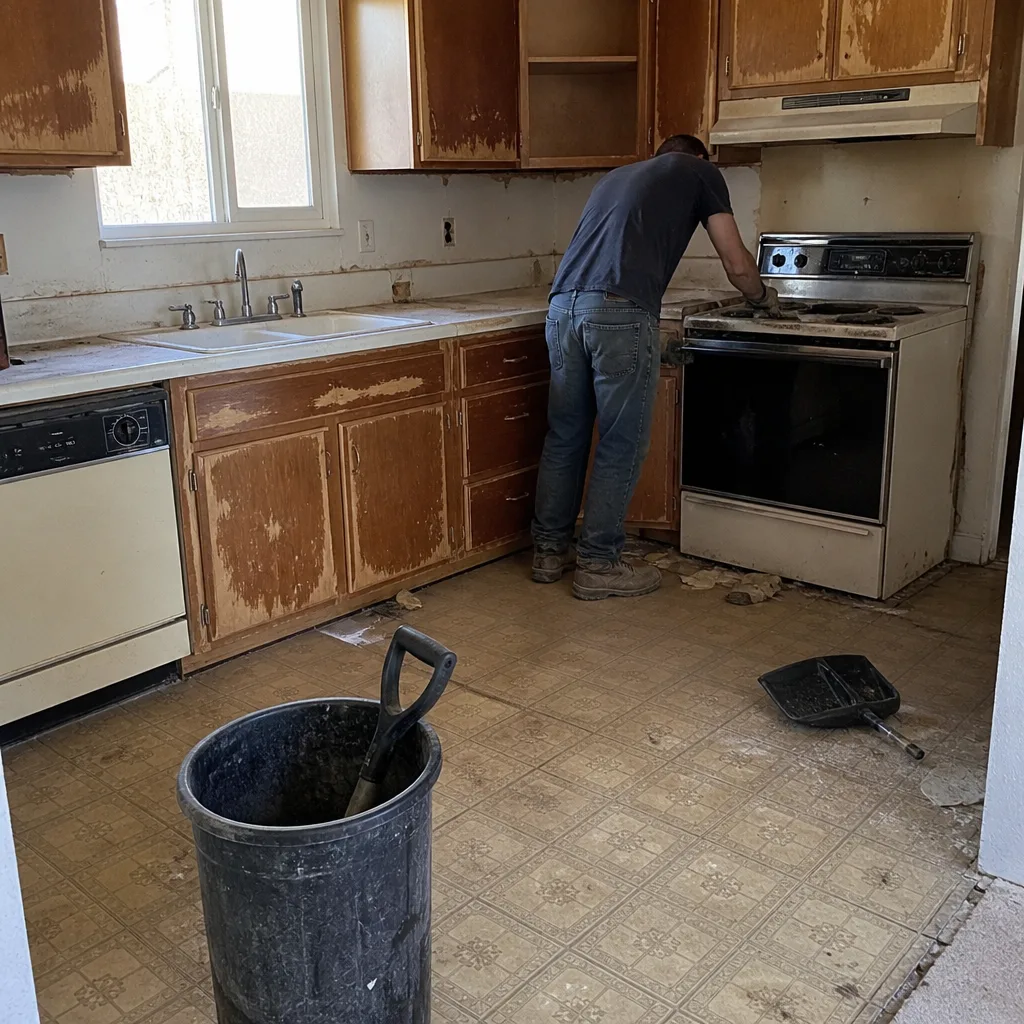 Before
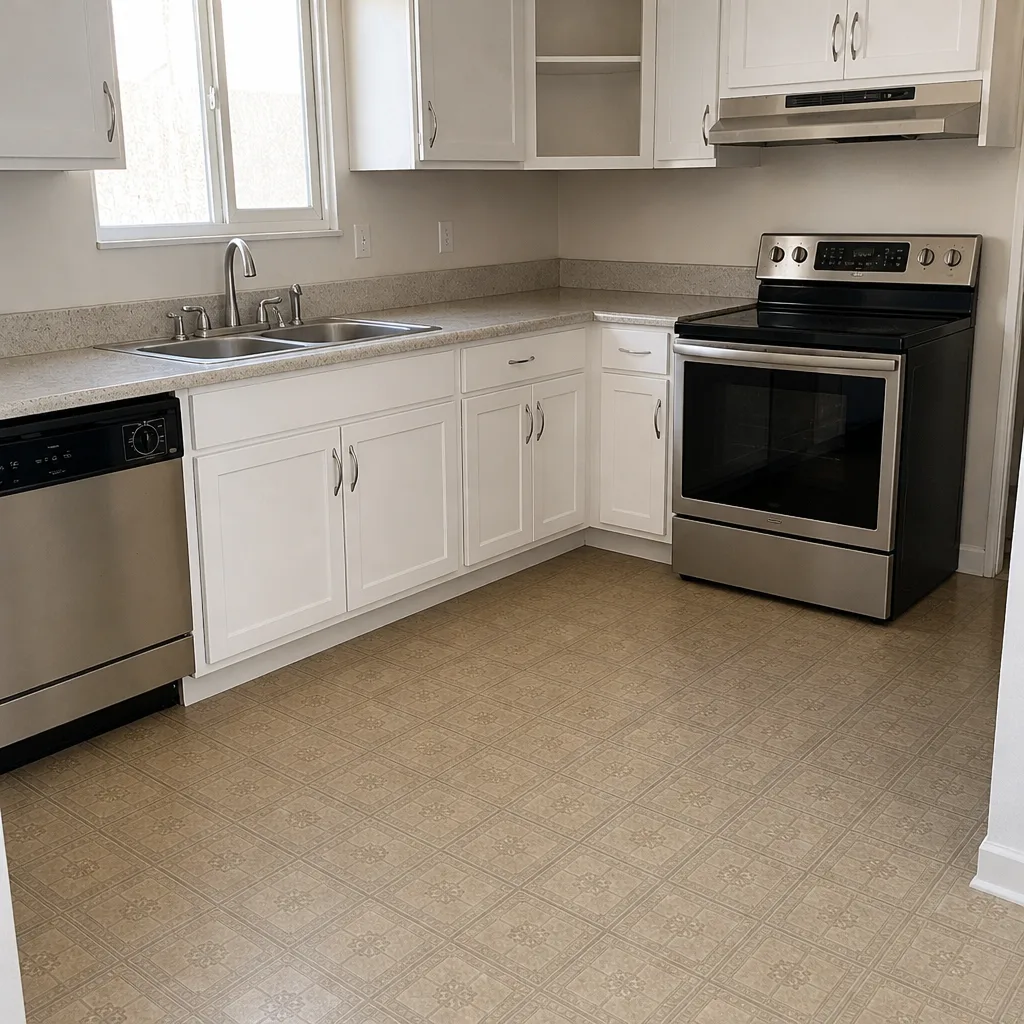 After
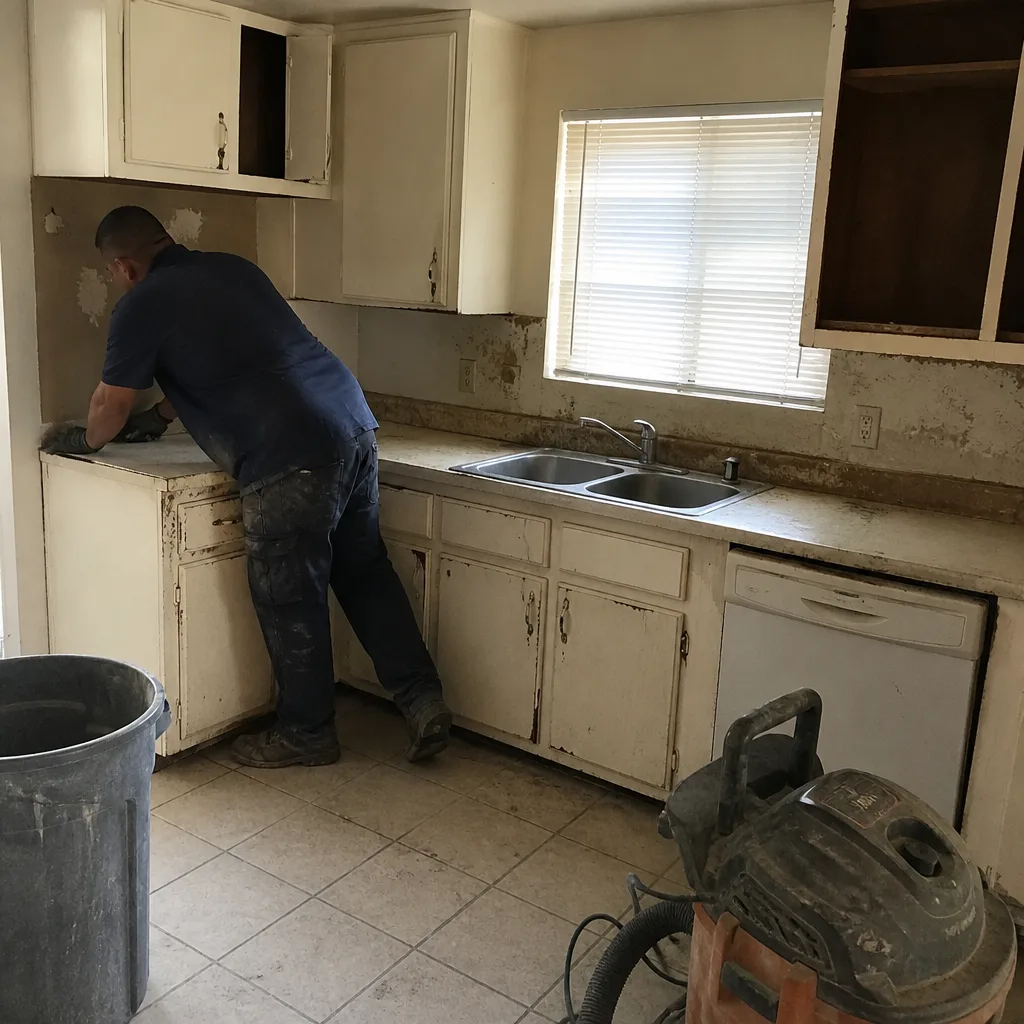 Before
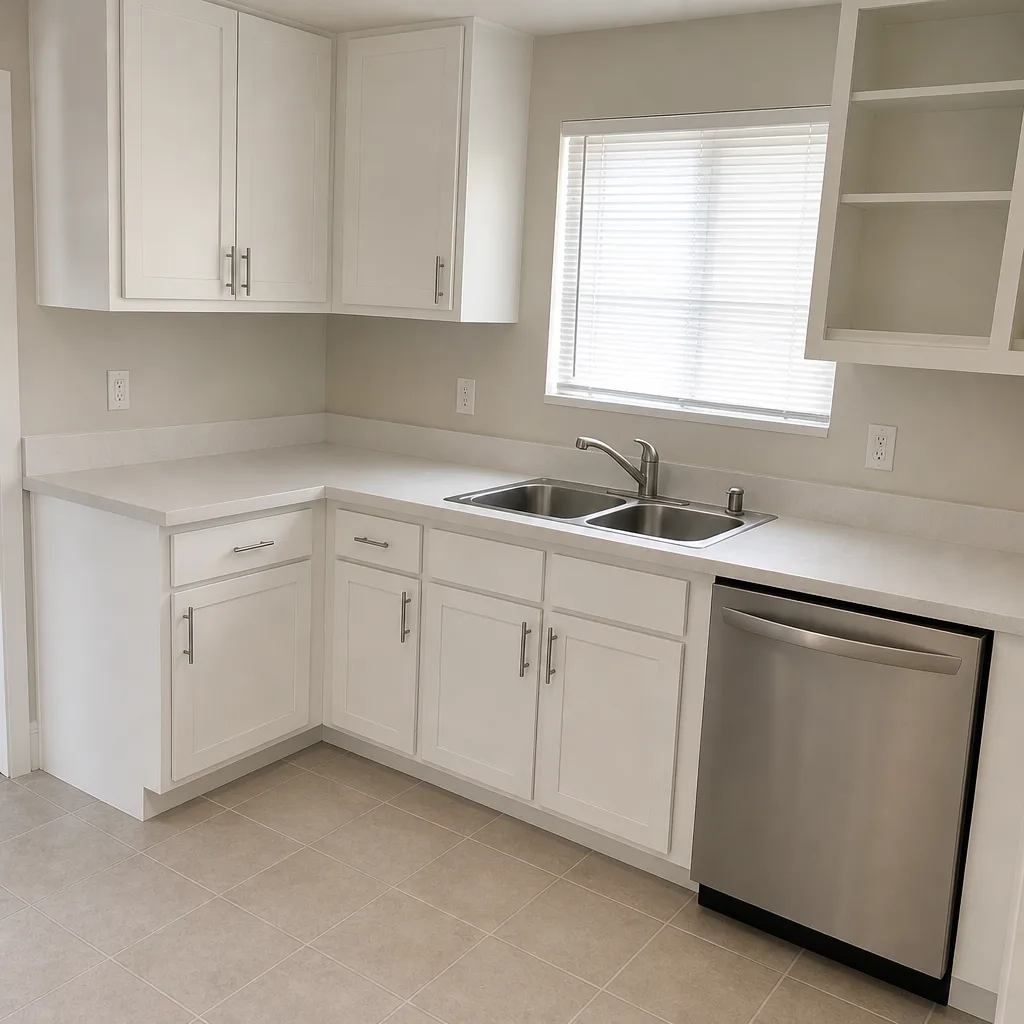 After
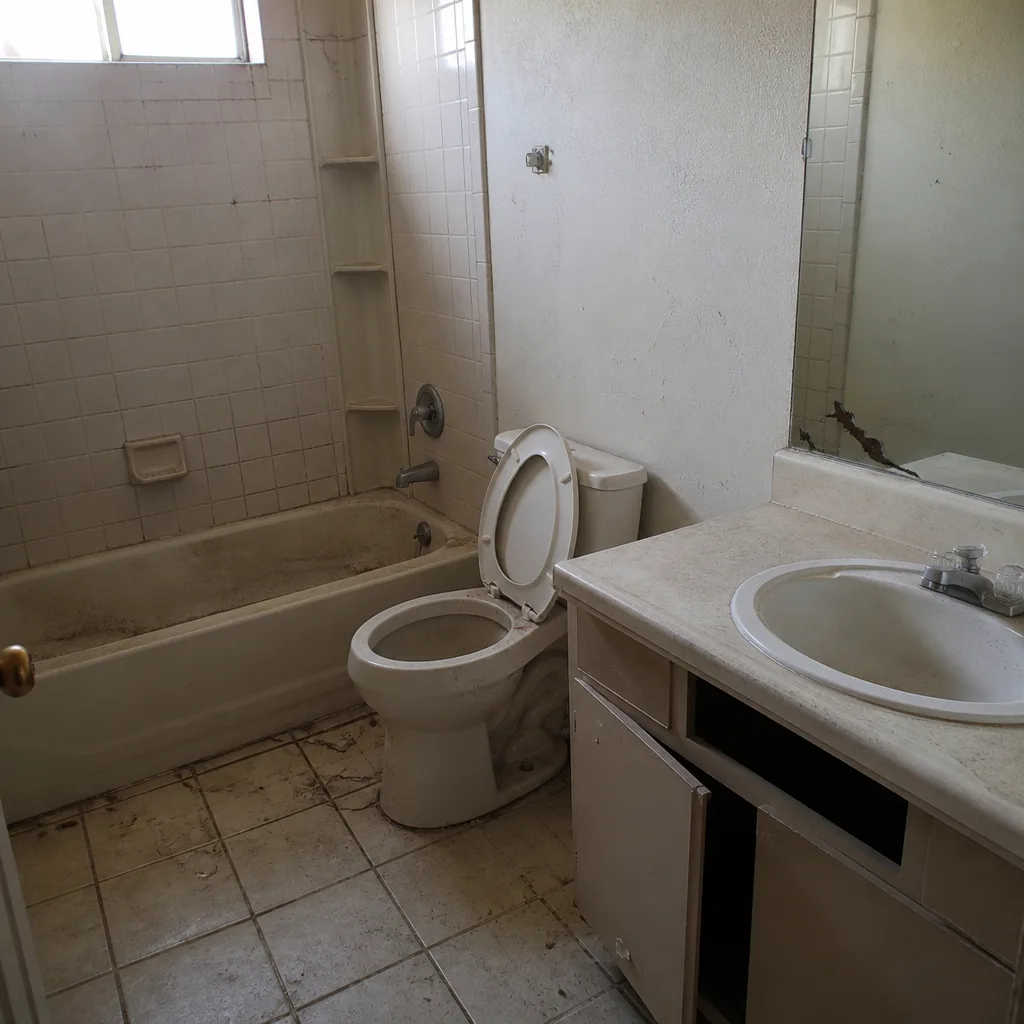 Before
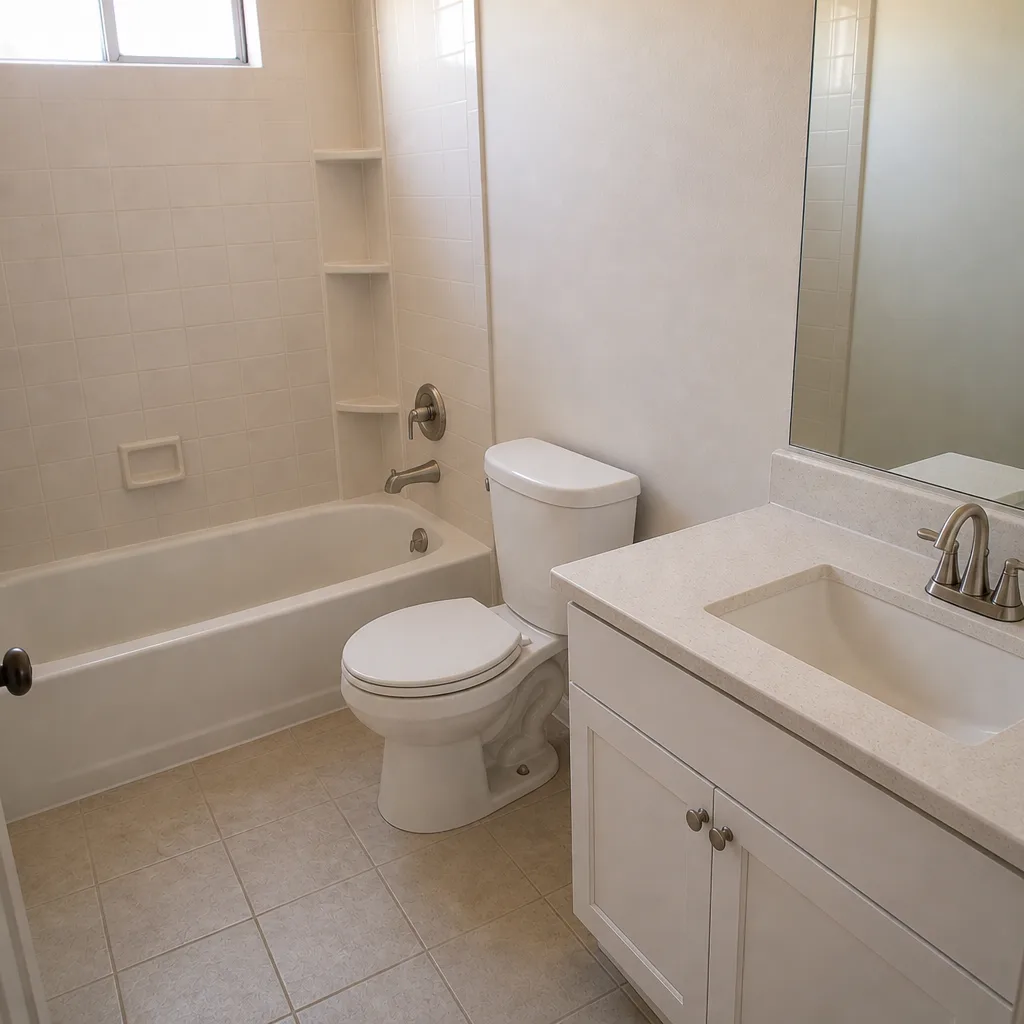 After