Last updated November 18, 2026






Free written scope consultation - allowances, timeline, and change-order rules on paper before a single trade is scheduled
The Complete Bathroom Remodeling Guide for Whitney Homeowners
Most bathroom remodeling guides assume your water is soft, your climate is mild, and your tile comes from a warehouse an hour away. None of that is true in Whitney. Water here runs above 300 mg/L hardness, squarely in the “very hard” category, which quietly attacks grout, fixtures, and caulk joints from the day they’re installed. Nevada’s dry air and tight tract-home construction put ventilation demands on a bathroom that coastal guides never mention. And your materials almost certainly travel in through Las Vegas. This guide covers all three, so your remodel still looks right in year eight, not just on move-in day.
Quick Answer
A Whitney bathroom remodel typically runs $9,000 to $15,000 for a cosmetic refresh, $18,000 to $38,000 for a mid-range gut-and-replace, and $42,000 to $75,000 for a full reconfiguration that moves plumbing or walls. What separates a bathroom that lasts from one that fails in three years is how well the plan accounts for Whitney’s hard water, desert-grade ventilation needs, and local inspection sequencing.
Styles & brands we work with
- Kitchen remodeling
- Bathroom remodeling
- Home additions & ADU
- Roofing
- Windows & doors
- Driveway & pavers
- Fence
Table of Contents
- Why Whitney’s Hard Water Changes What You Buy
- Ventilation Requirements for Nevada’s Dry Climate
- Specifying Tile, Grout, and Sealant for Whitney
- What a Whitney Bathroom Remodel Costs at Three Scope Levels
- Sequencing a Remodel in a Single-Bathroom Home
- What a Written Scope of Work Must Include
- Permits and Inspections in Whitney
- Common Mistakes to Avoid
- When to Call a Professional
Why Whitney’s Hard Water Changes What You Buy
Water hardness above 300 mg/L means dissolved calcium and magnesium are present at high enough levels to leave scale on everything they touch. In a bathroom, that plays out in three predictable places: shower glass and fixtures, the grout lines between tiles, and every caulk joint. A bathroom built to the same specification as one in a soft-water city will show visible mineral film within months in Whitney, and the damage compounds from there.
Here’s what that means in practice, based on what we see on tear-outs in Whitney homes:
- Grout is the first casualty. Cement-based grout in an unsealed or poorly sealed shower absorbs mineral-laden water and hairline-cracks. Once it cracks, water reaches the substrate (the moisture-resistant layer behind your tile) and the failure moves behind the wall where you can’t see it.
- Cheap chrome fixtures pit early. Thin decorative plating breaks down faster under constant mineral contact. A quality Kohler or Moen finish lasts significantly longer, and both brands back their finishes in writing.
- Caulk joints fail on a schedule. Around tubs and shower pans, standard caulk in a hard-water home often needs replacement within two to three years, not the five to seven homeowners expect.
The fix isn’t exotic. It’s specifying epoxy or high-performance urethane grout instead of basic cement grout, choosing fixtures with durable finishes, and factoring a caulk refresh into your maintenance plan from the start. If you’re already working with us on a bathroom remodel in Whitney, this is the conversation we have before the first tile is ordered.
Ventilation Requirements for Nevada’s Dry Climate
You’d think a desert climate means less moisture to manage. In a Whitney bathroom, it’s the opposite. Nevada’s dry air makes homeowners run hot showers longer to feel warm in winter, and tight tract-home construction traps that moisture in a small room. Most builder-grade exhaust fans in Whitney homes are rated around 50 CFM (cubic feet per minute, the standard measure of how much air a fan moves), and many have been quietly degrading for a decade.
What actually solves the problem:
- Size the fan to the room. The rule of thumb is one CFM per square foot of bathroom, with a floor of 50 CFM for small rooms. A 100-square-foot bathroom needs a 100 CFM fan, not a 50.
- Duct it outside, not into the attic. We regularly find fans in Whitney venting straight into the attic space. That pushes moisture into the structure instead of out of it.
- Run it on a timer. A fan on a 20-minute timer switch, wired to run every time the shower does, removes moisture far more reliably than a homeowner remembering to flip a switch.
- Check for a window as backup. Whitney’s low humidity means an open window helps, but it isn’t a substitute for mechanical exhaust in a bathroom without one.
If your fan sounds like it’s wheezing or you can’t feel air moving at the grille, it’s undersized, clogged, or ducted wrong. That’s a cheap fix during a remodel and an expensive one after moisture damage reaches the framing.
Specifying Tile, Grout, and Sealant for Whitney
This is where the difference between a three-year bathroom and an eight-year bathroom gets decided. The materials matter less than how they’re matched to Whitney’s water. Here’s a comparison worth keeping:
- Grout: Standard cement grout, even sealed, typically needs resealing every year in hard water and often fails at the joints within three to four years. Epoxy grout costs more up front (roughly $4 to $8 more per square foot installed) but resists mineral absorption and rarely needs resealing. In Whitney, epoxy is usually the better long-term spend.
- Sealant: Standard silicone caulk at tub and shower joints lasts two to three years here. A high-performance urethane or 100% silicone sealant, applied correctly over a clean and dry joint, pushes that to five years or more.
- Tile: Porcelain outperforms ceramic in wet areas because it absorbs almost no water. Large-format tiles mean fewer grout lines, which means less surface for minerals to cling to. We install from trade brands with their own warranties, including Cambria quartz for vanity tops, which carries a lifetime warranty alongside our own.
- Fixtures: Durable finishes on Kohler, Moen, and Grohe fixtures resist mineral pitting far better than builder-grade imports. Confirm the finish warranty in writing before you commit.
These aren’t just preferences. On a Whitney tear-out, we can usually tell within a minute whether the previous installer specified for hard water or copied a plan from somewhere else. The grout lines tell the whole story.
What a Whitney Bathroom Remodel Costs at Three Scope Levels
Here’s a realistic breakdown for a Whitney bathroom, based on what the work actually involves rather than a national average pulled from a different market:
| Scope Level | Typical Range | What’s Included |
|---|---|---|
| Cosmetic refresh | $9,000 – $15,000 | New vanity top and fixtures, tile refinishing or replacement on floors, fresh paint, new fan, new caulk and grout |
| Mid-range gut and replace | $18,000 – $38,000 | Full tear-out to studs, new cement board substrate, new tile, new vanity and cabinetry, new fixtures, upgraded ventilation, plumbing updates within the existing layout |
| Full reconfiguration | $42,000 – $75,000 | Everything above, plus moving plumbing, walls, or the toilet and shower positions; permits and inspections; possible structural changes |
What drives the number up or down, in order of impact:
- Layout changes. Moving a drain or supply line means opening walls, re-plumbing, and re-inspecting. It’s the single biggest cost lever.
- Tile selection. Large-format porcelain and natural stone cost more in material and labor than standard ceramic.
- Cabinetry and vanity tops. A KraftMaid or Wellborn cabinet line paired with a Cambria quartz top sits at the higher end; a stock vanity with a laminate top sits at the lower end.
- Hidden damage. Hard water that’s been failing behind a wall for years often reveals itself at demo. A written scope with a defined process for change orders keeps that from becoming an open-ended bill.
Two things stay fixed regardless of scope. First, you get a written price before any work begins, so the number on day one is the number on the invoice. Second, the 365-Day Done Right Promise backs every project in writing: if something fails inside the guarantee period, we come back and fix it at no charge.
Sequencing a Remodel in a Single-Bathroom Home
Almost every Whitney home we work in has one full bathroom, which means every day of delay is a day without a shower. The sequence below is built to keep inspection gaps short:
- Pre-construction inspection and permit application. Do this first, before demo. Applications filed early mean the inspector’s visit is scheduled against your actual timeline rather than tacked on at the end.
- Demo and rough-in. Tear out to studs, address any water damage, and move plumbing if the plan calls for it. The rough-in inspection (the check of plumbing and electrical before walls close) happens here.
- Close the walls and set the substrate. Cement board goes in, waterproofing membrane is applied, and the shower pan is set. This is where a lot of shortcuts happen, and where we slow down.
- Tile and finishes. Tile, grout, vanity, fixtures, and paint, in that order.
- Final inspection and a walk-through with you before we call the job done.
Filed correctly, that sequence typically runs four to six weeks for a mid-range gut, with the rough-in inspection happening in week one or two rather than stalling the project for three weeks in the middle. If you’re also thinking about adjacent work, a kitchen remodel in Whitney can sometimes be sequenced alongside a bathroom so the disruption overlaps instead of stacking.
What a Written Scope of Work Must Include
A written scope is the difference between a fixed price and a fight at the end. Verbal estimates leave out the items that cause disputes most often, and those items aren’t small. A proper written scope for a Whitney bathroom remodel should cover, at minimum:
- Demo and disposal, spelled out. Who hauls away the old tile, vanity, and fixtures, and who pays for the dumpster.
- Substrate and waterproofing. The specific product and method for the cement board and waterproofing behind your tile. This is the most commonly omitted line, and the most expensive to get wrong.
- Ventilation scope. The new fan’s CFM rating, where it’s ducted, and whether a timer switch is included.
- Grout and sealant type. Named products, not “standard grout.” You’re paying for the hard-water specification; make sure it’s written down.
- Fixture list with brand and model. Kohler vs. builder-grade is a real line item. Written as a model number, it stays fixed.
- Permit and inspection responsibility. Who pulls the permit, and what happens if the inspector flags something.
- Guarantee terms. What’s covered, how long, and what happens if something fails inside the period.
Our scope on every job includes all of these, and the guarantee terms are in writing before work begins. If a contractor’s estimate leaves out substrate, venting, or named materials, that gap becomes your bill or their shortcut. Ask before you sign.
Permits and Inspections in Whitney
Most Whitney bathroom remodels require a permit once you’re moving plumbing, electrical, or walls. A cosmetic refresh (new paint, new vanity top, new fixtures on existing plumbing) usually doesn’t. A full gut or reconfiguration almost always does. Pulling the permit is the homeowner’s legal obligation, but the contractor can and should handle it as part of the job.
Inspections are where DIY and permit-avoidance remodels come back years later. When a Whitney home sells, an unpermitted bathroom remodel is a disclosure item, and a buyer’s inspector will look for it. We pull permits and schedule inspections as a standard part of the plan, and we don’t ask you to guess where the permitting code applies. If you’re thinking about a broader project alongside this, the same permit logic applies to a general contractor project in Whitney, and it’s worth planning both together.
Common Mistakes to Avoid
- Specifying the same grout you’d use in a soft-water city. Standard cement grout in a Whitney shower needs annual resealing and still tends to fail at the joints inside four years. Epoxy grout costs a little more up front and lasts.
- Keeping the builder-grade 50 CFM fan. In a Whitney tract home, that fan was undersized from day one and has likely degraded. Upgrading to a properly sized fan and ducting it to the exterior is one of the cheapest fixes in the whole project.
- Accepting a verbal estimate with no substrate line. The waterproofing layer behind your tile is where failures happen and where skipped costs hide. If it’s not named in the estimate, it probably isn’t in the price.
- Skipping the permit to save time. It’s the fastest way to turn a bathroom into a disclosure item at resale, and inspections catch plumbing and electrical problems you can’t see once the walls are closed.
- Choosing fixtures on looks alone. A thin finish on a cheap fixture pits within two years under Whitney’s hard water. Confirm the finish warranty in writing.
- Starting demo before the permit is filed. Filing the permit early keeps the rough-in inspection moving in week one instead of stalling the project in the middle.
- Caulking over hard-water damage instead of correcting the cause. A caulk refresh on a failing joint hides the problem for a season and lets the moisture reach framing underneath.
When to Call a Professional
Some bathroom work is genuinely a homeowner project: repainting, swapping a vanity top, or replacing a faucet on existing plumbing. Others aren’t. If your project involves moving plumbing or electrical, opening walls, replacing a shower pan, or correcting water damage behind tile, the labor is more than it looks and the mistakes are expensive. Waterproofing done wrong doesn’t fail visibly for months, and by the time it does, the framing is wet.
If you’re also thinking beyond the bathroom, a Penhallow home project in Whitney can often bundle a bathroom and adjacent work under one written scope. Penhallow Remodeling Whitney offers free estimates in Whitney, with a written price you can hold us to. Call (833) 721-7402 to schedule yours. A live person answers, day or night.
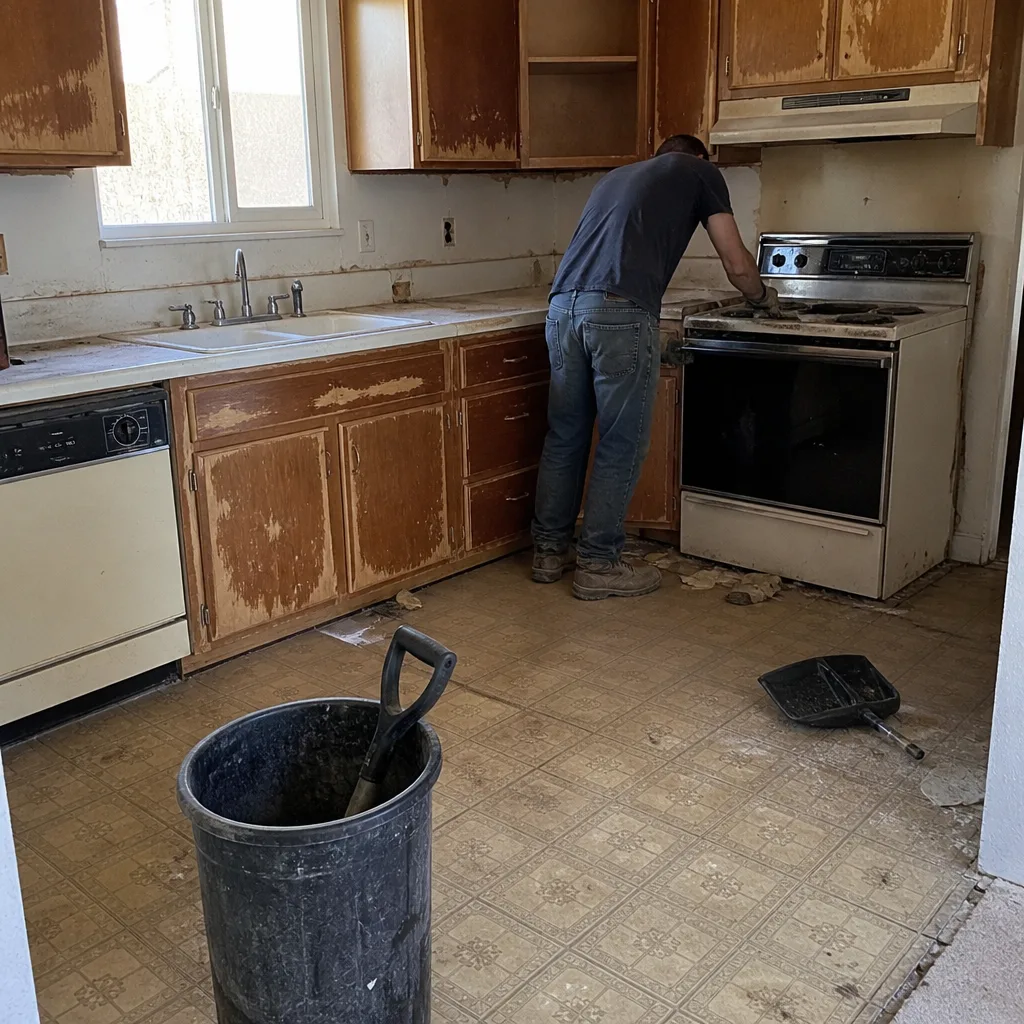
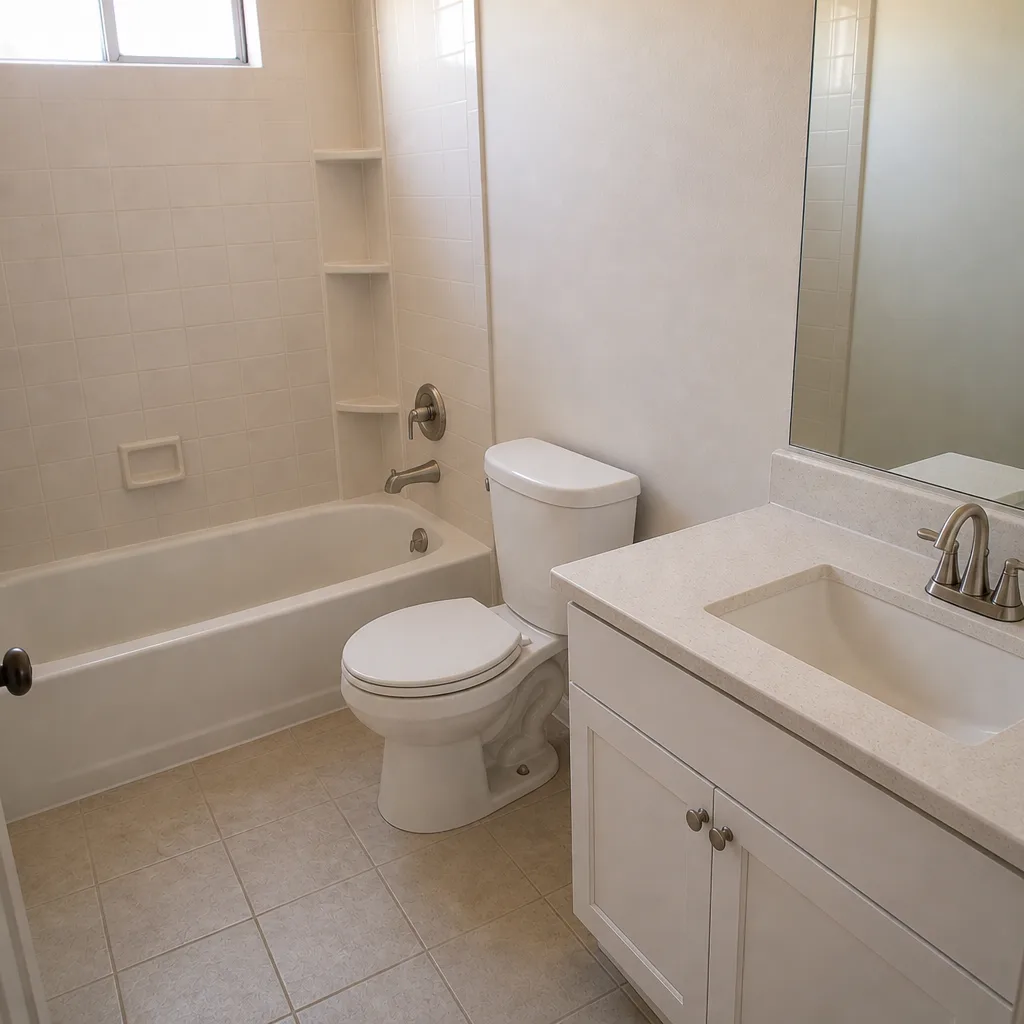
See the difference
 Before
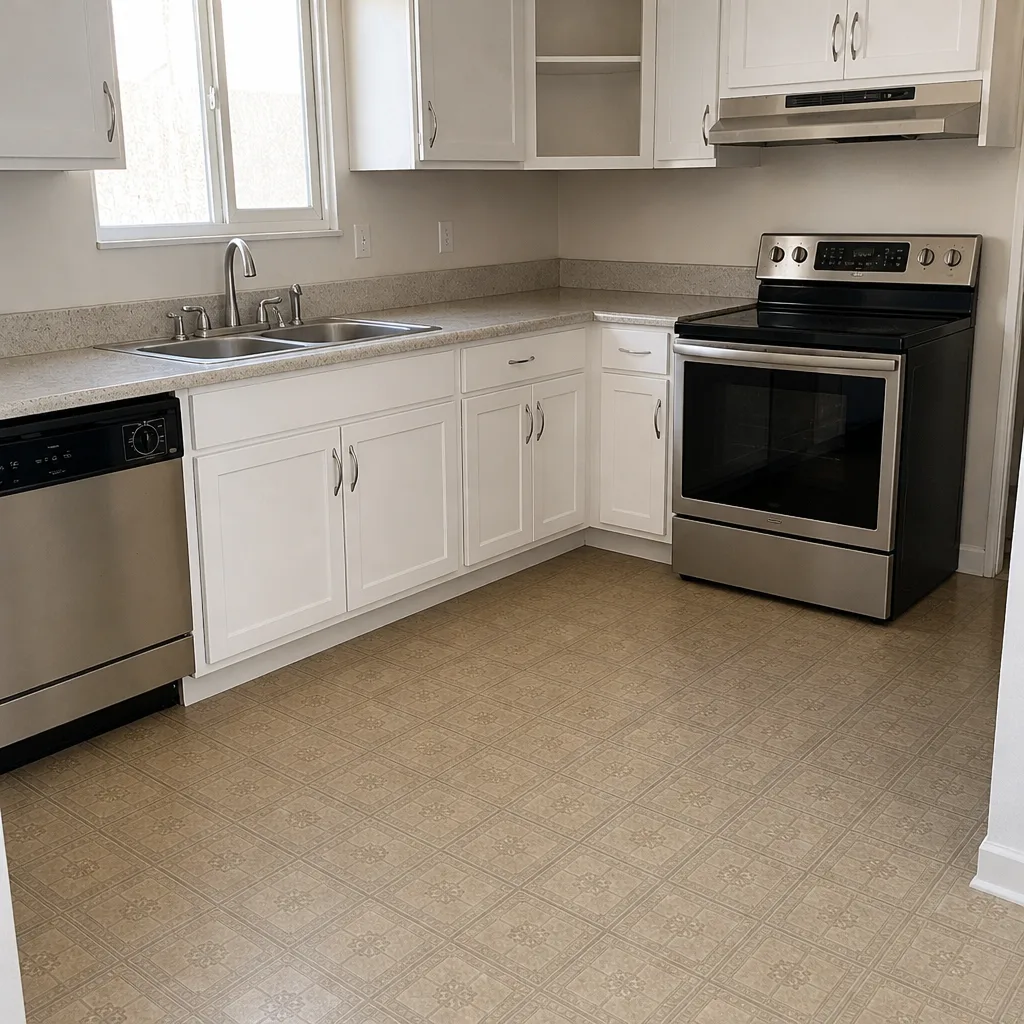 After
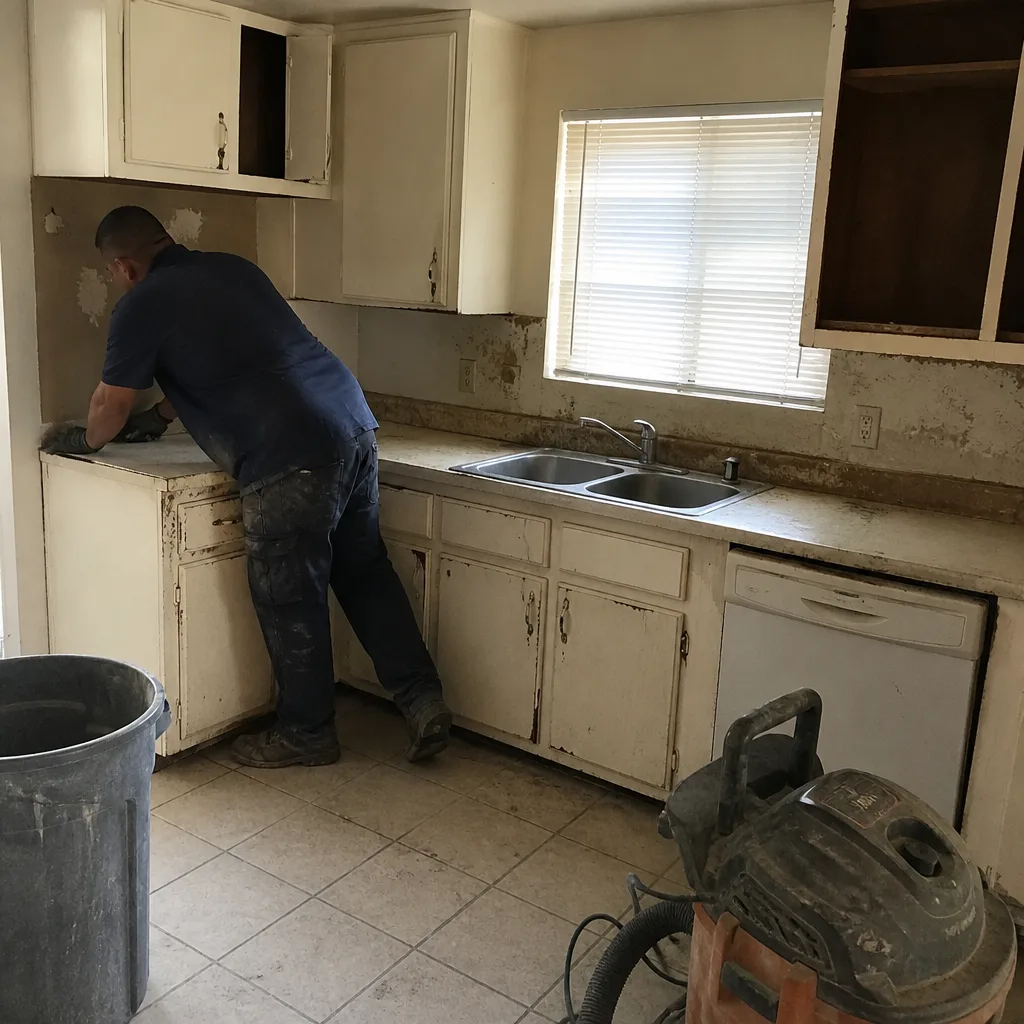 Before
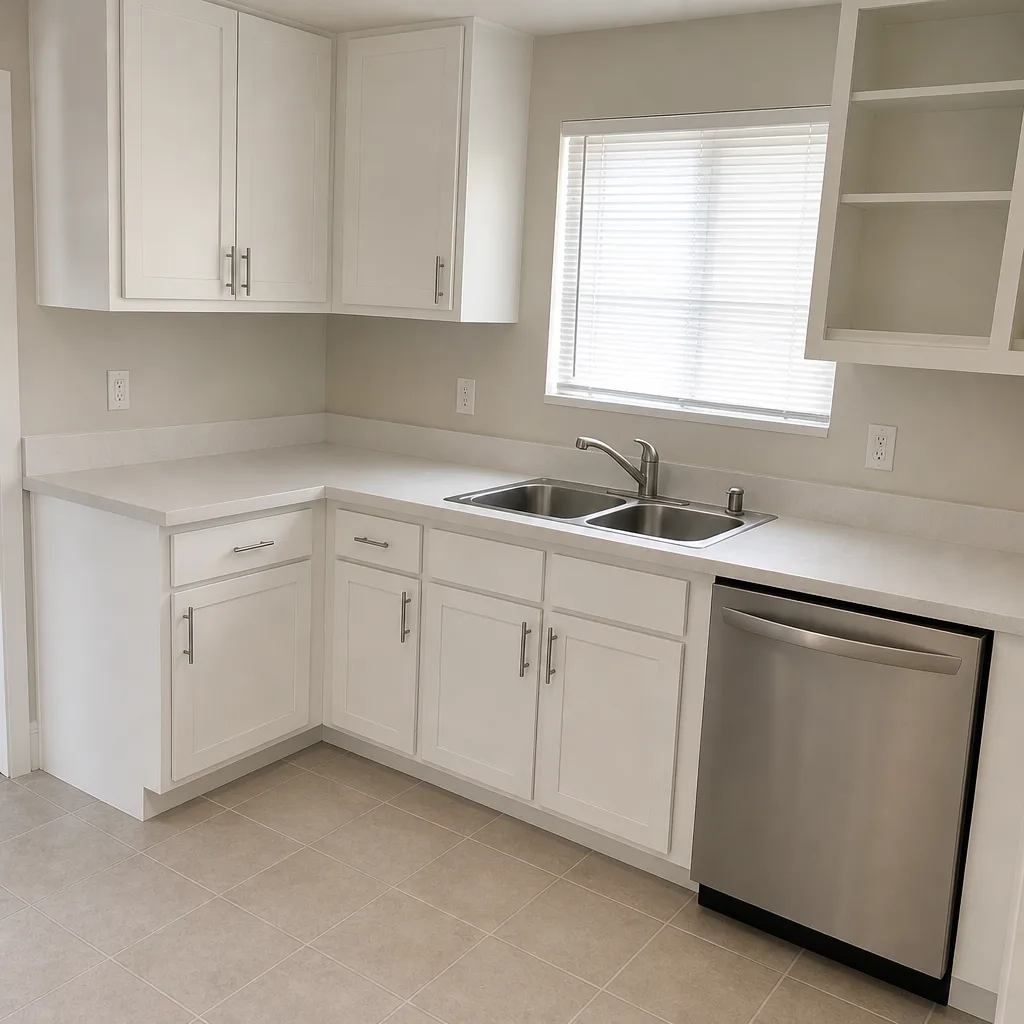 After
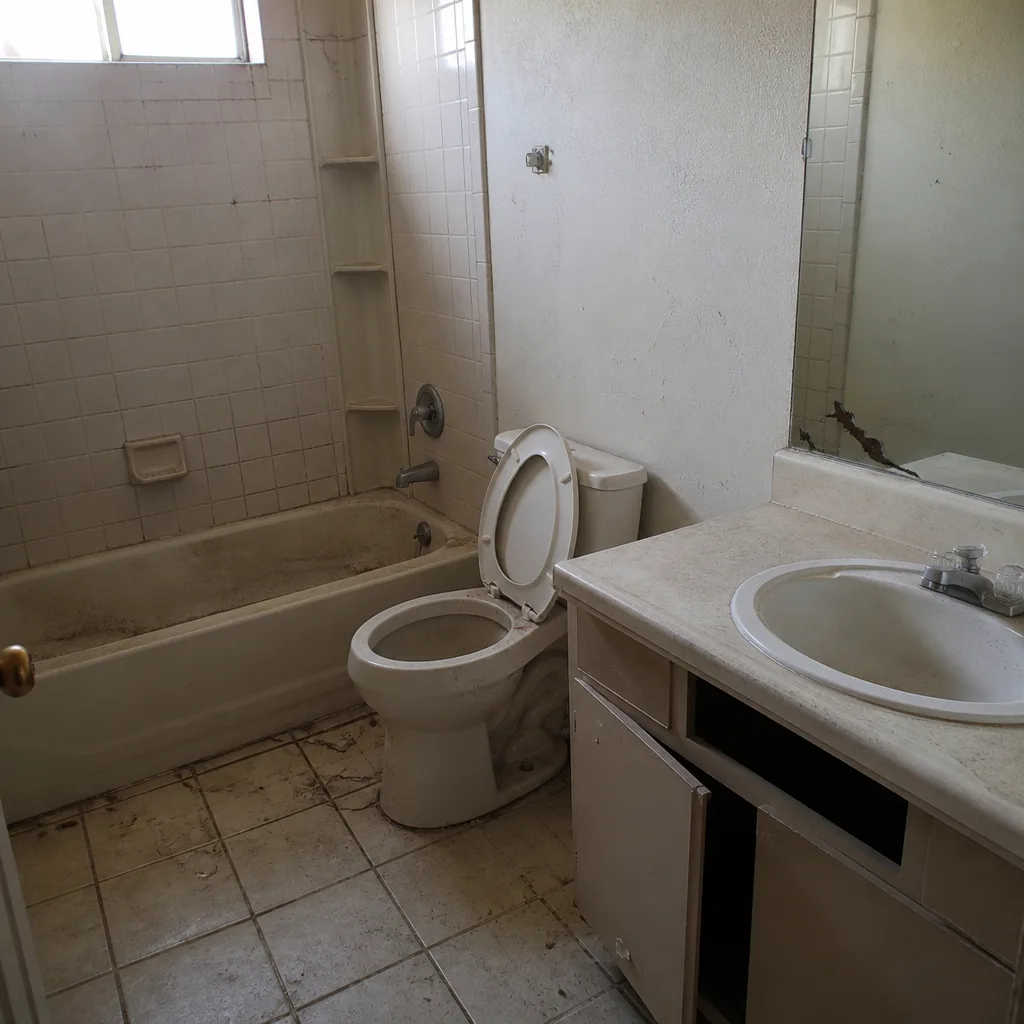 Before
 After
Frequently Asked Questions
A Whitney bathroom remodel typically costs $9,000 to $15,000 for a cosmetic refresh, $18,000 to $38,000 for a mid-range gut and replace, and $42,000 to $75,000 for a full reconfiguration. The biggest cost levers are whether you move plumbing, the tile and cabinetry you choose, and any hidden water damage found at demo. Call (833) 721-7402 for an exact written quote.
Whitney’s water hardness averages above 300 mg/L, which attacks grout, caulk joints, and fixture finishes far faster than softer water elsewhere. A bathroom built to standard specifications here often shows mineral damage within a year and needs grout or caulk replacement inside three. Specifying epoxy grout and durable fixture finishes is the difference between a three-year and an eight-year bathroom.
No, if the scope is written correctly. Every project gets a written price before any work begins, so the number on day one is the number on the invoice. The one exception is hidden damage discovered at demo, and any change to the scope is priced and approved in writing before the crew continues.
Yes. When your project moves plumbing, electrical, or walls, we pull the permit and schedule the inspections as part of the written scope. Cosmetic refreshes that leave the plumbing in place usually don’t require a permit, and we’ll tell you which category your project falls into before work begins.
One CFM per square foot of bathroom, with a 50 CFM minimum. A 100-square-foot Whitney bathroom needs a 100 CFM fan. Most builder-grade fans in Whitney homes are rated around 50 CFM and are typically undersized and ducted into the attic rather than outside, which traps moisture in the structure instead of removing it.
A mid-range gut and replace typically runs four to six weeks. A cosmetic refresh can finish in one to two weeks, and a full reconfiguration runs longer depending on layout changes and inspection scheduling. Filing the permit early keeps the rough-in inspection moving in week one rather than stalling the project midstream.
The Bottom Line
Whitney’s hard water, dry climate, and single-bathroom homes ask more of a bathroom remodel than most national guides account for. Specify epoxy grout and durable finishes that stand up to 300+ mg/L water hardness. Size your exhaust fan to the room and duct it outside. Choose a scope level that matches your plan, and get a written scope that names the substrate, the ventilation, and the fixtures. We’ve covered all of these with real numbers because the number is the whole point. If you want a bathroom that looks right in year eight, start with a written price and a written guarantee before the first tile is ordered.
Written by the team at Penhallow Remodeling Whitney.
Ready to price your Whitney bathroom remodel? Call (833) 721-7402 for a free estimate. A real person answers 24/7, and you’ll get a written price up front, backed by the 365-Day Done Right Promise.