Last updated November 18, 2026







Free written scope consultation - allowances, timeline, and change-order rules on paper before a single trade is scheduled
How Long Does Bathroom Remodeling Take? Timelines and What to Expect
Most homeowners assume a bathroom remodel takes as long as the tile work lasts. It doesn’t. The real clock starts weeks before demo day, when materials get ordered and permits get pulled, and it stops only after the final inspection clears. A full gut remodel we’d quote at three to five weeks of actual construction can stretch to ten or twelve if the contractor waits until the old tub is in the dumpster to find out the tile is on back-order. That gap between the schedule you were promised and the schedule that actually happens is where most of the frustration in Whitney bathroom projects comes from. This guide breaks down honest day-counts by scope, walks through the pre-demo phase most timelines skip entirely, and gives you the exact questions to ask before you sign anything.
Quick Answer
A cosmetic bathroom refresh in Whitney typically takes 5 to 10 working days on site; a full gut remodel with the same footprint runs 18 to 30 working days; and a remodel that moves plumbing or walls runs 30 to 50 working days. Add two to six weeks before demolition for material lead times, permit approval, and inspection scheduling, so the realistic calendar window from signed contract to final walkthrough is 6 to 12 weeks for most jobs.
Styles & brands we work with
- Kitchen remodeling
- Bathroom remodeling
- Home additions & ADU
- Roofing
- Windows & doors
- Driveway & pavers
- Fence
Table of Contents
- Timeline by Scope: Cosmetic Refresh vs. Full Gut vs. Layout Change
- The Pre-Demo Phase Most Timelines Skip
- The Three Most Common Delay Triggers
- What a Written Schedule Should Actually Say
- What a Written Arrival Window Means in Practice
- Questions to Ask Before You Sign Anything
- Why Whitney Bathrooms Renovate the Way They Do
- Common Mistakes to Avoid
Timeline by Scope: Cosmetic Refresh vs. Full Gut vs. Layout Change
Every timeline estimate is meaningless until you define what’s being replaced. A “bathroom remodel” can mean swapping a vanity and painting the walls, or it can mean pulling the room down to studs and re-framing for a walk-in shower. Those are two different jobs with two different clocks, and the fastest way to get a real answer is to categorize your project honestly before you call anyone.
Cosmetic refresh (5 – 10 working days). New vanity and countertop, paint, refinished or new flooring over existing substrate, new fixtures on existing rough-in, new mirror and hardware. The plumbing stays where it is, no permit is usually required, and the room is out of service for about a week and a half. This is the job people call a “one to two week bathroom” and they usually aren’t wrong – as long as materials are on site before day one.
Full gut remodel, same footprint (18 – 30 working days). Down to studs, new cement board substrate (the moisture-resistant layer behind your tile), new tub or shower, relocated or replaced fixtures within the existing footprint, new subfloor if needed, tile, paint, final inspection. This is the standard gut job, and 18 working days is the realistic floor for a well-run project of average size with materials staged.
Layout change (30 – 50 working days). Moving the toilet, sink or shower to a new location means moving the drain line, which means opening the floor or ceiling below, which means framing and possibly a longer inspection cycle. Walls come out, a structural header may need engineering, and every trade re-sequences. In our experience, layout-change bathrooms in the Whitney area run closer to 40 working days on average because both the plumbing and framing inspections each add a wait.
Scope at a Glance
- Cosmetic refresh: 5 – 10 days on site, 0 – 2 weeks of pre-demo prep
- Full gut, same footprint: 18 – 30 days on site, 2 – 4 weeks of pre-demo prep
- Layout change: 30 – 50 days on site, 3 – 6 weeks of pre-demo prep (permits and engineering)
If your contractor can’t tell you which of these three categories your job falls into within five minutes of walking the room, that’s your first sign the schedule you’re about to receive is aspirational rather than real.
The Pre-Demo Phase Most Timelines Skip
Here’s what most bathroom timelines leave out: the clock that matters starts on the day you sign, not the day the crew shows up with the sledgehammer. Between signature and demo there is a real, necessary stretch of weeks where a well-planned job builds its foundation and a poorly-planned one quietly begins to slip. We’ve watched projects in Whitney stretch by six weeks before a single tile was set, and it always came back to a skipped step in this phase.
- Material selection and ordering (1 – 3 weeks). Tile, cabinetry, fixtures, and shower doors don’t live on a shelf. KraftMaid and Wellborn cabinets run four to eight weeks from order. A Cambria, Silestone or Caesarstone countertop is templated only after cabinets are set, then fabricated, adding another one to two weeks after that template. Tile has the widest swing: common 12×24 porcelain may be in a local warehouse while a specific mosaic backsplash can be eight weeks out from the manufacturer. All of this should be ordered before demo.
- Permit pulling (1 – 3 weeks). Any job that moves plumbing, adds a wet-wall, or changes framing needs a permit. Whitney permits are issued through the City of Whitney building department, and turnaround depends on their review queue and whether your plans are complete. A contractor who says “oh, we don’t need a permit for that” on a shower relocation is telling you they don’t plan to have the work inspected.
- Inspection scheduling (builds in float). Rough-in inspections for plumbing and electrical, and a framing inspection before drywall, all sit on the city’s schedule, not yours. A real schedule reserves two to four business days of float for each inspection so a late inspector doesn’t push the entire calendar.
- Material staging and site prep (2 – 5 days). The week before demo is when materials arrive, get checked against the order, and get inspected for damage while you still have recourse. It’s also when the crew stages the dumpster, protects your floors and hallways, and sets up dust control. Skip this and you find out the tile box is short on the day it’s supposed to go up.
Add all four together and you get the honest pre-demo window: two to six weeks, depending on scope. A written schedule that starts counting days on demo day and says nothing about this phase is not a schedule. It’s a wish.
The Three Most Common Delay Triggers
Every remodel has surprises. The trick to a good schedule isn’t pretending they won’t happen; it’s knowing which three are most likely and building room for them. In our experience across Whitney jobs, these are the three that cost homeowners the most weeks.
1. Tile back-orders
Tile is the single most common cause of a stalled bathroom. A designer picks a beautiful handmade-look ceramic, the contractor orders it after demo (as most do), and then the supplier calls to say it’s back-ordered four more weeks. The room sits open, the schedule blows up, and you’re showering at a neighbor’s house. The fix is simple: order tile and all finishes before demo, verify the exact stock on hand with the supplier, and choose an in-stock alternative if your first pick has a long lead. Confirm that stock in writing.
2. Hidden subfloor rot
In the older Whitney homes, especially around the neighborhoods built in the 1970s and 1980s, we regularly see subfloor rot around the toilet flange and shower pan from decades of minor leaks that never surfaced. You can’t see it until the old floor comes up. A written schedule accounts for this by building in a two-to-five day contingency *before* the subfloor check, so that if rot is found the crew has time to replace it and re-inspect without collapsing the timeline. If your estimate doesn’t have a contingency line, ask for one – and ask what happens to the price if rot is found. That leads to the most important question: will the price change once work starts? On a well-written contract, the disclosure and cost of a hidden rot repair is agreed in writing before that repair begins, so the number on the invoice matches what you approved.
3. Inspection wait times
Inspection waits are where schedules quietly break. A rough-in plumbing inspection that takes five business days instead of one or two costs the project a week if nothing is buffered. The fix is scheduling inspections the day the rough-in is finished, not the day before you want to close the walls. A written schedule shows each inspection on its own line with a buffer window.
What a Written Schedule Should Actually Say
“1 – 2 weeks” on a contract isn’t a schedule. It’s a range, and a range you can’t hold anyone to. A real written schedule for a Whitney bathroom breaks the job into phases with dates attached, and it’s handed to you before any work starts. Ours does, and we’ve found that homeowners who receive one immediately feel the difference between a contractor guessing and a contractor planning.
Here’s what a schedule should include line by line:
- Pre-demo milestones: dates for material orders placed, permits submitted, and staging complete
- Phase dates: demo, rough-in, framing inspection, drywall, substrate, tile, cabinetry install, countertop template, countertop install, fixtures and trim
- Inspection lines: each inspection listed with its scheduling window and a built-in buffer of two to four business days
- Arrival windows: a written window for every crew day, not just “Tuesday”
- Material delivery dates: with confirmation that stock is verified before demo
- Contingency reserve: an explicit line for hidden-condition repair time and how pricing changes if it’s used
- Final walkthrough date: the day you and the contractor walk the finished room together
Ask any contractor to hand you this document before you sign. If they can, you’re dealing with someone who plans. If they can’t, you’ve just learned what the next six months will feel like. A written price up front is the other half of that conversation – the number on day one should match the number on the invoice, with any hidden-condition repairs disclosed and agreed in writing before the repair, never after.
What a Written Arrival Window Means in Practice
“We’ll be there Tuesday” is not an arrival window. It’s a day. Between 7 a.m. and 6 p.m. is a whole workday, and a homeowner trying to schedule their own job or a childcare handoff around that window gets nothing useful. A written arrival window says: we arrive between 8 and 9 a.m. Tuesday. That sentence changes everything about how the day goes, and it’s one of the commitments that separates a real plan from a phone call.
On our projects, every crew day comes with a written arrival window. When a tech is running late, the office calls with an updated window before the original one closes – not after. Background-checked, uniformed technicians show up on every job, so you know who’s walking through the door before they ring the bell. And because a live person answers our phone 24/7, you’re never sitting in a voicemail maze trying to find out whether today’s crew is actually coming.
This may sound like a small thing, but over a bathroom project that runs 20 to 40 working days, arrival windows are one of the two or three promises that determine whether you feel respected by the process or dragged through it. The other one is the guarantee: if any part of the finished work fails inside the 365-Day Done Right Promise (our written commitment to make it right if something isn’t done right), we come back and fix it at no charge. Say the price before the work. Show up in the window we gave. Leave the place cleaner than we found it. That’s The Kingswell Way, and it’s the standard every Penhallow project is held to.
Questions to Ask Before You Sign Anything
You can learn more from ten minutes of questions than from an hour of a contractor’s sales pitch. These are the questions we think every Whitney homeowner should ask before they hand over a deposit. If a contractor can answer them confidently and in writing, the schedule they eventually hand you will be real. If they flinch, that tells you something too.
- “Will you show me the written schedule before I sign?” It should list every phase with dates and every inspection with a buffer window.
- “What is the total lead time for my materials, and when will they be ordered and delivered?” The answer should be a specific date, not “before demo.”
- “Who pulls the permits, and what’s the typical review time in Whitney?” Get the answer specific to the current building department cycle.
- “What’s your contingency for hidden subfloor or plumbing problems, and how is the price handled if we hit one?” The repair cost and any added time should both be agreed in writing before the repair starts.
- “What’s the arrival window for each crew day, and who calls me if that window is going to slip?” Two answers are needed: a written window and a named channel (the office, not the lead carpenter’s personal cell).
- “What does your guarantee cover, for how long, and what happens if something fails?” Ours is simple: 365-Day Done Right Promise, written into every project, with a free return visit if a repair fails.
- “Who’s actually walking into my home? Are they background-checked and uniformed?” On every job, yes. Ask for anyone.
Written price before work starts, a real arrival window, background-checked and uniformed technicians, live phone coverage – none of these are bells and whistles. They’re the difference between a schedule you can plan your life around and one you’ll spend six weeks chasing.
Why Whitney Bathrooms Renovate the Way They Do
Whitney’s climate leaves its fingerprints on every bathroom we work on. The desert summer heat plus the occasional hard winter freeze cycle means exterior walls get more movement than in a mild climate, which is why we don’t negotiate on cement board substrate behind tile – drywall with a moisture membrane is a shortcut in this climate, not a savings. Older homes with single-pane windows in bathrooms often let enough moisture condense that the vanity finish peels at the toe kick; swapping to a Therma-Tru or ES Windows product during the remodel is worth building into the plan and the schedule, because the window crew needs a slot inside the project window, not after.
Permitting here runs through the City of Whitney building department. We plan for their review queue the same way we plan for material lead times – with float on the schedule so a busy permit week doesn’t push a bathroom install slot that’s already been booked with the tile setter.
What we’ve seen across Whitney bathrooms is a consistent pattern: cosmetic refreshes are generally more straightforward, while the older homes in the established neighborhoods around Whitney tend to deliver subfloor and valve surprises that a new build wouldn’t. That’s not a reason to skip the bathroom – it’s a reason to insist on a schedule with contingency built in, and a contractor who says “we’ll see” when you ask about hidden conditions is giving you a warning, not a plan.
If you’re weighing the bathroom against another project, our Kitchen Remodeling in Whitney guide walks through the equivalent timeline math for kitchens, and the same principles apply: the schedule is where the trust either holds or breaks.
Common Mistakes to Avoid
- Signing before the schedule exists. A contract without a written schedule is a promise without a date. Ask for the schedule as a condition of signing, not as a nice-to-have that shows up on demo day.
- Choosing tile and fixtures after demo. This is the single most common cause of blown bathroom timelines. Order everything before the old vanity goes in the truck, and confirm stock on every item.
- Accepting a verbal estimate on a hidden-condition repair. When rot turns up in a Whitney subfloor, the repair cost should be written out and approved by you before work continues. If the contractor just proceeds and tells you the price later, you’ve lost control of the number.
- Buying your own materials to “save money.” It sometimes does – until a damaged tile box has to be replaced and the lead time is four weeks. At that point the schedule risk alone outweighs whatever you saved.
- Skipping the permit. Any shower relocation, drain move, or wall change in Whitney needs a permit and an inspection. A bathroom without one can turn into a disclosure headache when you sell, and it means no inspection behind the wall.
- Ignoring the arrival-window question. If you don’t know when the crew is coming, you can’t plan your week, your work-from-home days, or your shower arrangements. Having a written window is the difference between a tolerable project and a miserable one.
- Not asking who’s actually coming into the house. Background-checked, uniformed technicians should be a stated standard, not something you have to negotiate for.
See the difference
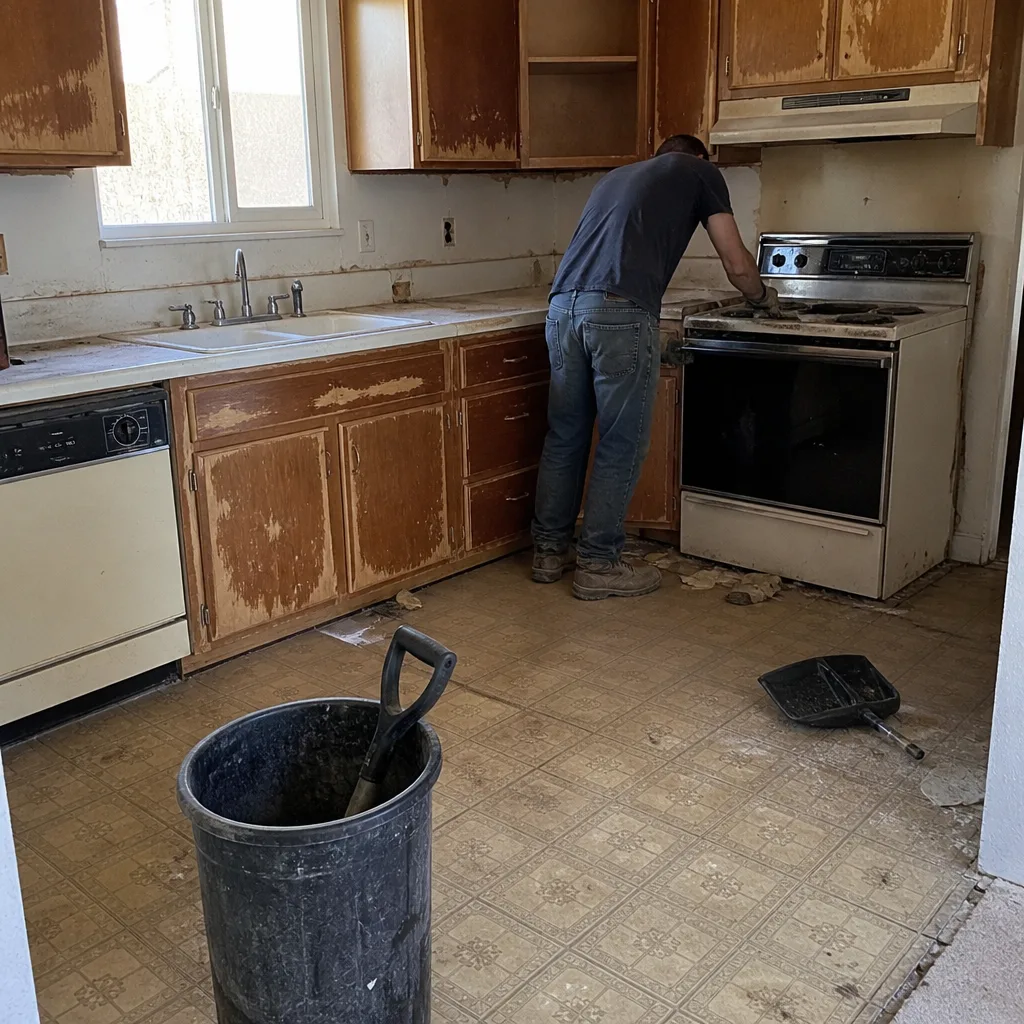 Before
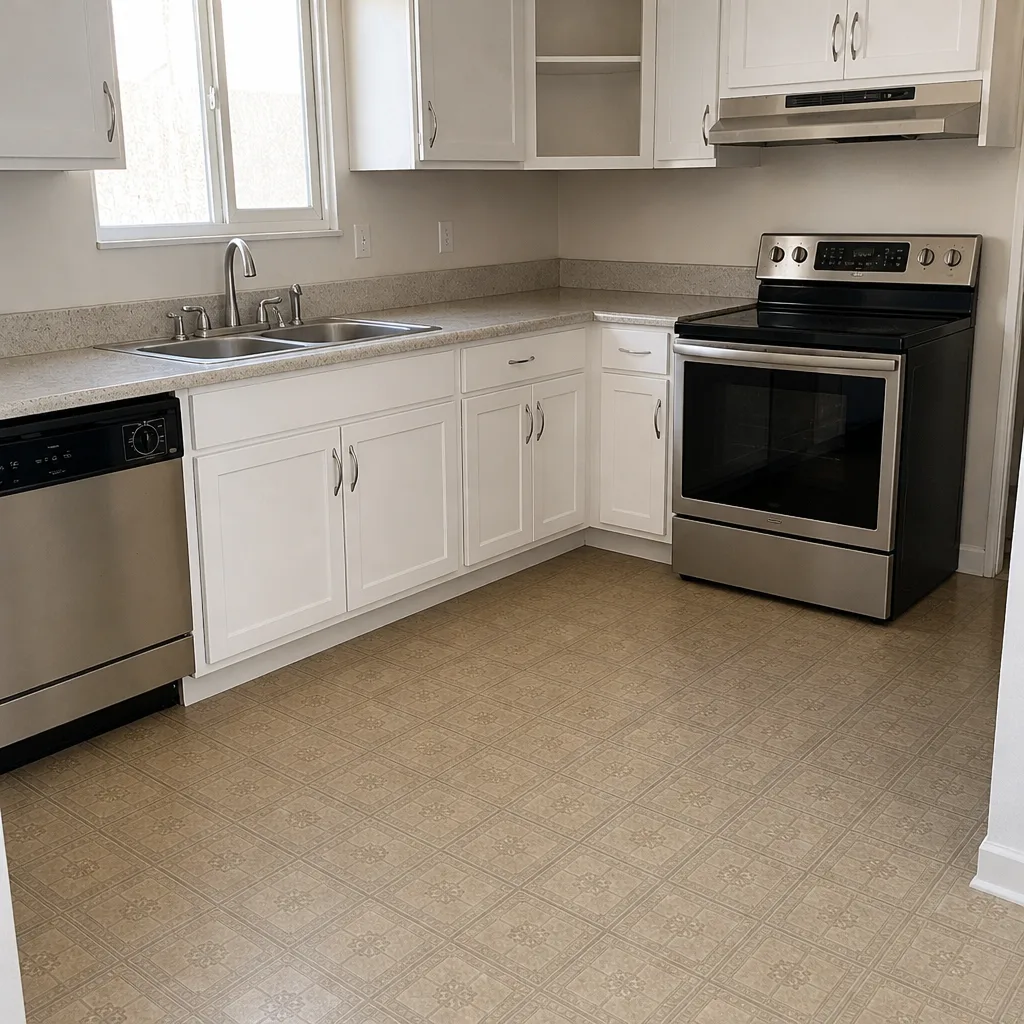 After
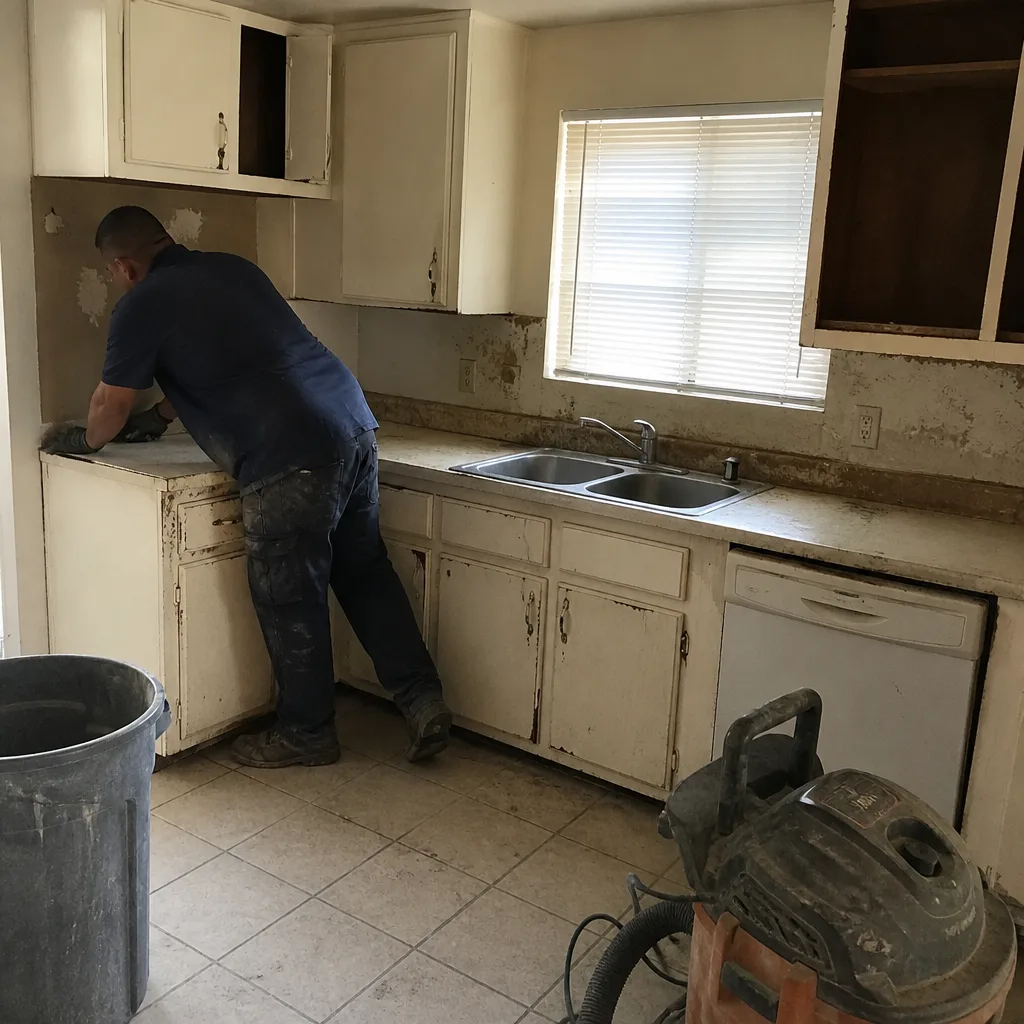 Before
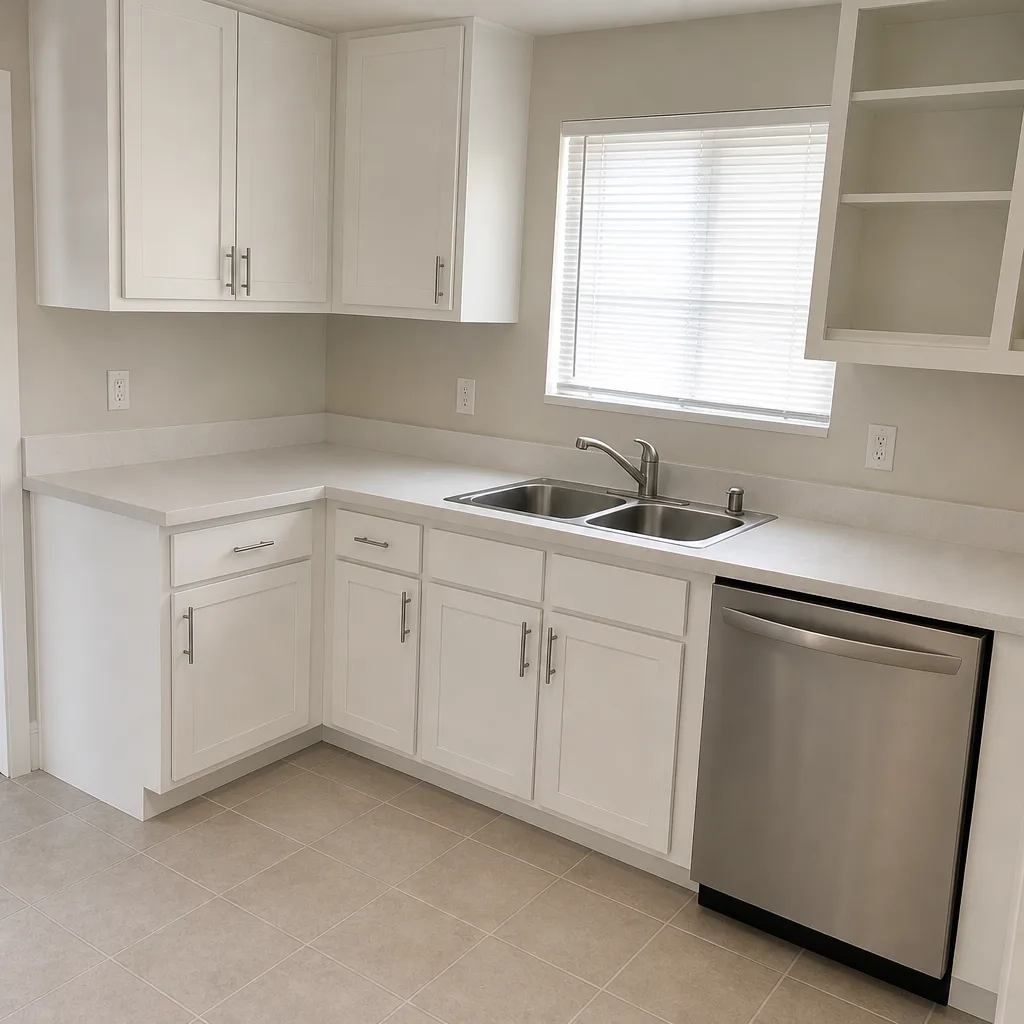 After
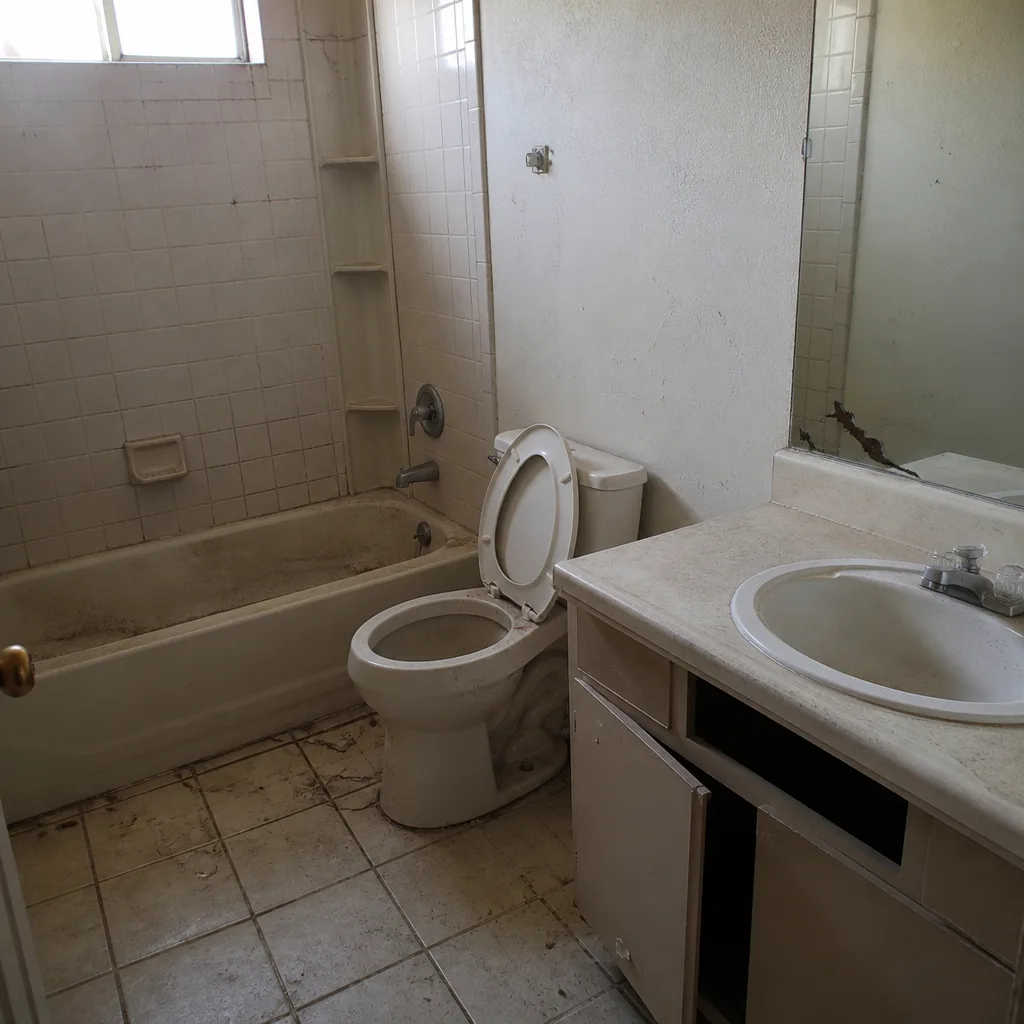 Before
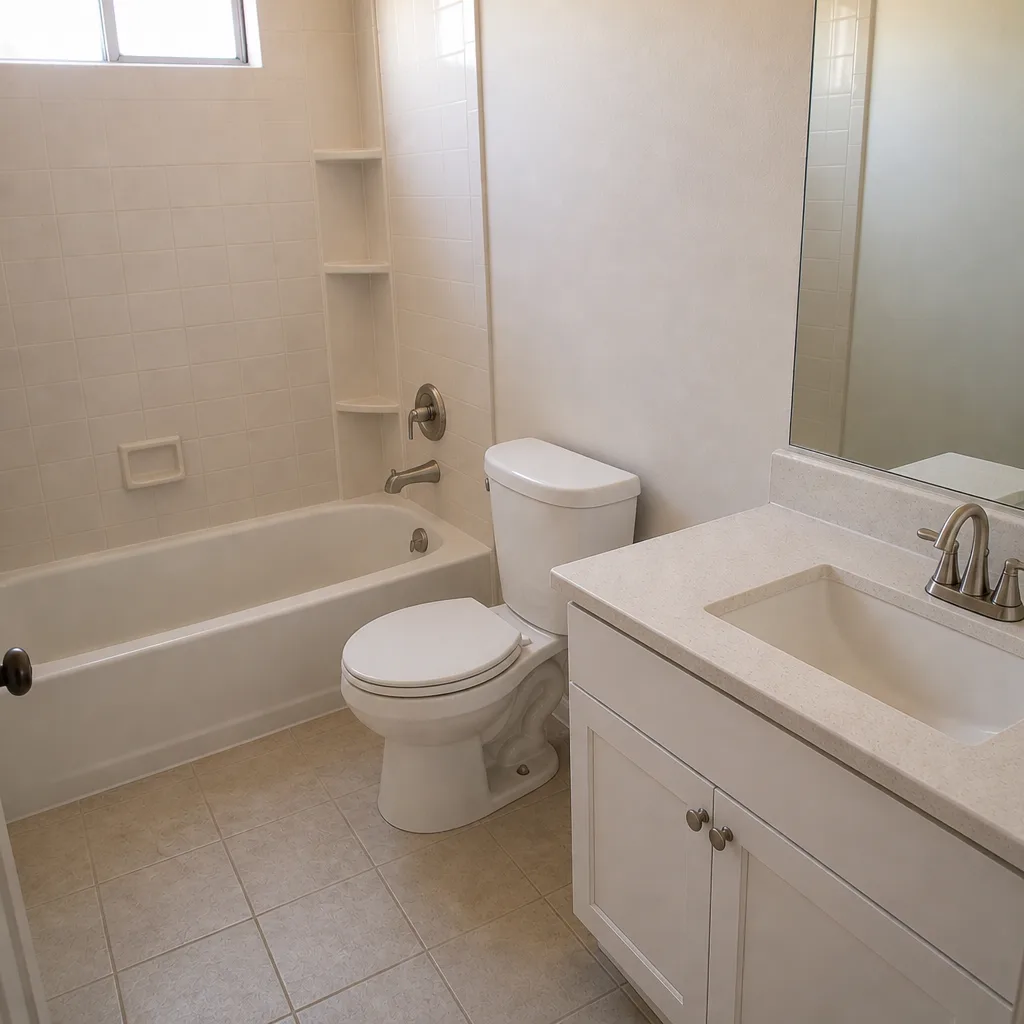 After
When to Call a Professional
Some bathroom jobs are genuinely a weekend project; many are not. Call a pro – and specifically call a licensed general contractor rather than a handyman – if your project touches plumbing relocation, wet-wall work, subfloor replacement, permits, or any wall or framing change. Those trigger inspections, and inspections trigger the schedule questions in this guide. Call a pro also if you’ve been burned before and you want a written price up front, a real arrival window, and a written guarantee before anyone starts. And call one if the tile is going in over a cement board substrate you want done right behind a wet area, because that layer decides whether your tile fails in year three or holds for twenty. Penhallow Remodeling Whitney offers free estimates in Whitney – call (833) 721-7402 to schedule yours.
Frequently Asked Questions
A cosmetic refresh in Whitney takes 5 to 10 working days on site; a full gut remodel runs 18 to 30; a layout change with plumbing moved runs 30 to 50. Add two to six weeks before demo for materials, permits, and inspection scheduling. Real-world calendar time from signed contract to final walkthrough usually lands at 6 to 12 weeks. Call (833) 721-7402 for a written schedule and free estimate tailored to your specific room.
Almost always because materials were ordered after demo instead of before, or because a hidden subfloor or valve issue wasn’t in the schedule. Both are avoidable. A written schedule with a material-verified pre-demo phase and an explicit contingency line prevents most of what blew up your last project.
Not without your written approval. On a well-written contract, a hidden-condition repair (rot under the subfloor, a failed valve) is priced and disclosed in writing before the repair begins. The number you get on day one should be the number on the invoice – and any change should be a separate line you’ve signed off on, not a surprise.
Yes. Any bathroom job that moves plumbing, changes framing, or opens a wet wall gets permitted and inspected through the City of Whitney building department. Permits are pulled before demo, inspections are on the written schedule with buffers, and we walk the final inspection with you. Call (833) 721-7402 with any permitting questions.
For a cosmetic refresh with materials in stock, sometimes yes. For a full gut or layout change, generally not – and you should be skeptical of anyone who says yes without verifying material lead times and permit availability first. A written schedule is more useful than a fast start that turns into a stalled middle.
If any part of the finished work fails inside the 365-Day Done Right Promise, we come back and fix it at no charge. That includes a free return visit if a repair fails. The guarantee is in writing on every project, and it’s backed by Kalia and the Kingswell family of companies.
The Bottom Line
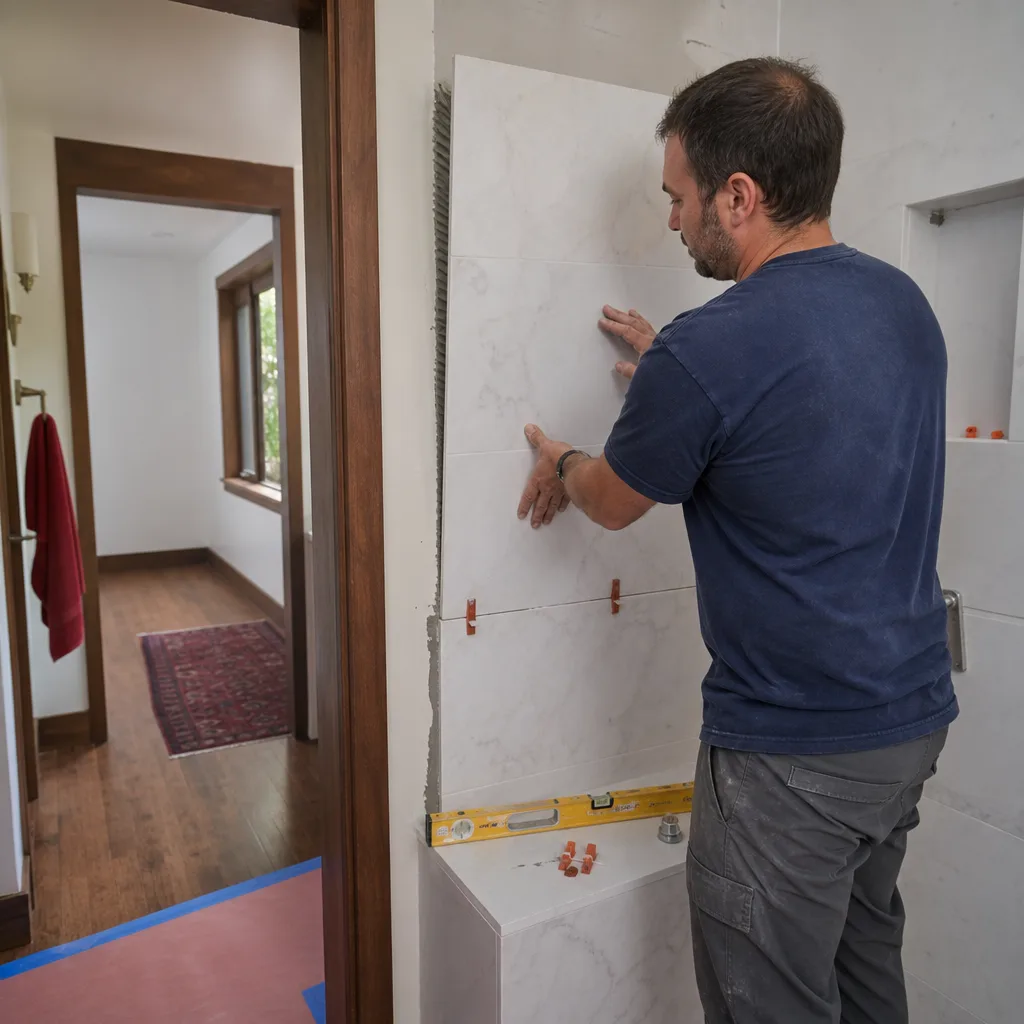
Timelines blow up on the days before demo, not the days after. Materials ordered on time, permits pulled early, inspections with float built in, and a written schedule with real arrival windows are what separate a 6-week bathroom from a 14-week one. Before you sign anything, ask for the written schedule, ask for the written price, and ask who’s actually coming into your house. If the answers are specific and in writing, you’re on solid ground. If they’re not, walk. Call (833) 721-7402 to schedule your free estimate in Whitney.
Written by the team at Penhallow Remodeling Whitney.