Last updated November 18, 2026




Free written scope consultation - allowances, timeline, and change-order rules on paper before a single trade is scheduled
DIY vs Professional Kitchen Remodeling: What’s Safe to Do Yourself
Painting your cabinets can save about $1,200 and look genuinely good. Moving a gas line to make room for a new range can void your homeowner’s insurance, and it will surface as an unpermitted modification the day a buyer’s inspector walks through. Those two tasks live in the same room and feel equally within reach on a Saturday morning. They are not. The real question in a kitchen remodel isn’t whether you’re handy. It’s which tasks carry consequences that follow the house forever versus which ones you can redo next weekend if they don’t come out right. That distinction is what this guide unpacks, and it’s the one we walk Whitney homeowners through before every project. By the end, you’ll know exactly which lines to draw on your own remodel.
Quick Answer
Safe-to-DIY kitchen tasks are the ones where a mistake is cosmetic and inexpensive to redo: hardware swaps, cabinet painting, open shelving, backsplash tile, and demo you can control. Leave the structural and code-tied work to licensed professionals: electrical circuits, plumbing rough-in, gas line changes, and any wall that might be load-bearing. In Clark County, work that touches these systems requires a licensed contractor and a permit, and unpermitted work becomes a problem the moment you sell.
Styles & brands we work with
- Kitchen remodeling
- Bathroom remodeling
- Home additions & ADU
- Roofing
- Windows & doors
- Driveway & pavers
- Fence
Table of Contents
- Where’s the Line? Cosmetic vs Structural Failure
- The Permit Reality in Clark County
- Tasks That Are Genuinely Safe to Do Yourself
- How to Hybrid a Remodel Without Creating Problems
- Skill Honest Assessment: Do You Have What the Tile Job Needs?
- Doing the DIY Math With a Real Written Quote
- The Demo Day Question Nobody Asks
- Common Mistakes to Avoid
- When to Call a Professional
Where’s the Line? Cosmetic vs Structural Failure
The cleanest way to sort kitchen tasks is by what happens when they fail. Every job falls into one of two buckets, and knowing which bucket you’re standing in tells you whether to pick up the tool or the phone. This is the framework we use on every Kitchen Remodeling in Whitney project before deciding what stays on the homeowner’s plate.
Cosmetic failure: a bad paint job peels; a cabinet knob is crooked; a shelf bracket sits two inches too low; a backsplash section cracks. These are recoverable. You sand, you repaint, you re-drill, you re-set the tile. The worst case is a lost weekend and a little material cost. These belong in the DIY column.
Structural or code failure: a circuit overloads and the breaker won’t reset; a supply line leaks inside a wall cavity; a gas connection develops a slow leak; a wall you removed turns out to be holding up the ceiling joists above it. These are not recoverable on a Saturday. They cascade into water damage, fire risk, failed inspections, or insurance denial. They belong in the professional column.
| DIY-Friendly (cosmetic/recoverable) | Professional (structural/code) |
|---|---|
| Cabinet hardware swaps | Any new or moved electrical circuit |
| Painting or refinishing cabinets | Plumbing rough-in or relocation |
| Open shelving on drywall anchors | Gas line work of any kind |
| Peel-and-stick or porcelain backsplash tile | Load-bearing wall removal |
| Non-structural demo (cabinets, old counters) | New subfloor or structural framing |
| Lighting swaps on existing wiring | Waterproofing and shower pan work |
Here’s a specific case we’ve seen: a Whitney homeowner painted their own cabinets in a north-facing kitchen and the finish held beautifully. Six months later they tried to hang a heavy pot rack through the drywall into a stud bay that had been furred out with 1x material. The rack pulled free and cracked the cabinets below. Cosmetic work stayed safe; the moment the job became a structural attachment, it wasn’t. Learning which category you’re in is the whole game.
The Permit Reality in Clark County
Here’s the part most DIY guides skip: in Clark County, several of the tasks homeowners most want to do themselves require a licensed contractor and a permit by law. This isn’t a scare tactic, it’s just the rule. The county’s building department classifies electrical circuit work, plumbing rough-in and relocation, gas line changes, and structural modifications as permit-required work, and unpermitted work creates real exposure.
What actually happens when unpermitted work surfaces during a home sale?
- The inspector flags it. A buyer’s home inspection or the appraisal reveals a kitchen remodel with no permit history.
- The sale stalls or the price drops. The buyer either walks or demands a credit, often larger than the original project cost.
- You become responsible for remediation. The county can require the work be exposed, inspected, and brought to code, sometimes at the homeowner’s expense long after the job was “done.”
- Insurance may not cover a claim. If a fire traces to unpermitted electrical work, your carrier can deny the claim or subrogate against you.
We’ve walked into Whitney kitchens where a previous owner added a dedicated microwave circuit without a permit. It worked fine for years. But when the breaker started tripping during a holiday dinner, the fix wasn’t a $90 breaker swap. It was tracing an entire unpermitted circuit, which meant opening drywall and pulling a permit anyway. The lesson: permit reality is a sale-anywhere-in-the-future problem, not just a now problem.
If you’re weighing what “professionally permitted” actually means on a full project, our General Contractor in Whitney page lays out the sequence.
Tasks That Are Genuinely Safe to Do Yourself
Plenty of kitchen work is genuinely doable with ordinary tools and patience. These are the jobs where a mistake costs you a weekend, not a ceiling. If you’re comfortable with a drill and paint brush, these belong to you:
- Cabinet hardware swaps. New pulls and knobs are one of the highest-impact, lowest-risk upgrades in any kitchen. Fill old holes, drill new ones with a template, done.
- Cabinet painting and refinishing. Primer and paint can transform builder-grade cabinets in Whitney homes from the late 1990s. Prep and cure time matter more than skill.
- Open shelving. Simple, stylish, and recoverable. Just anchor into studs or reputable toggle bolts rated for the load.
- Peel-and-stick backsplash tile. A good option for renters or first-timers. It fails gracefully, and you can pull it and redo it.
- Non-structural demo. Pulling old upper cabinets, ripping out a laminate counter, removing base cabinets from a wall that isn’t load-bearing. Confirm first, then swing.
- Lighting swaps on existing wiring. Replacing a fixture on an existing box is a reasonable DIY task. Adding a new dedicated circuit is not.
Even within “safe” tasks there are real limits. We regularly install Cambria quartz and Silestone counters in Whitney kitchens, and we’ve seen homeowners buy a beautiful slab flat and attempt the install. Countertops carry hundreds of pounds and demand level substrate and precise seams. That’s a professional line, not because you lack talent, but because the failure mode is catastrophic. Hanging paint and hanging quartz are different sports.
How to Hybrid a Remodel Without Creating Problems
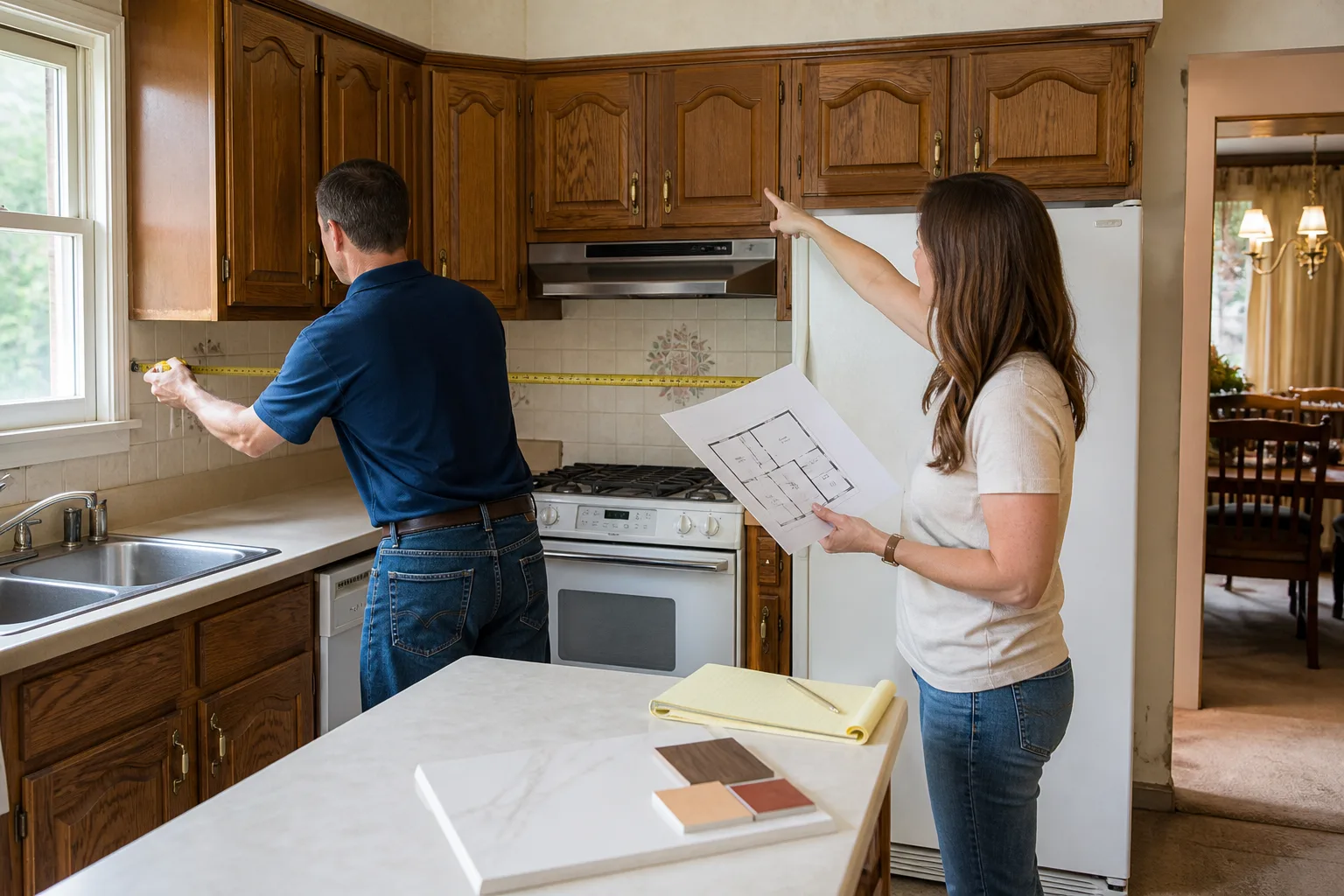
The smartest projects are hybrids: you take the demo, paint, and hardware, and a professional takes the tile, cabinet install, and systems work. But the handoff between you and the crew has to be planned, or you create problems the contractor will charge you to fix. Here’s how to coordinate a hybrid without setting money on fire.
- Agree on the scope in writing. Spell out exactly which portions you’ll do and which the contractor will. The number on day one should be the number on the invoice, and that only works if the scope is unambiguous.
- Sequence the demo before rough-in. Let the crew see the walls before they run wire or pipe. If you demo after they rough in, you’re the one who damages the work.
- Leave the systems alone. Don’t touch plumbing or electrical during your demo. Cap nothing, disconnect nothing on the gas side.
- Protect finished areas. Once counters go in, your painting or hardware work should be complete. Paint splatter on Cambria is expensive to remove.
- Schedule the handoff window. A real arrival window, in writing, so you aren’t waiting a half-day with a torn-up kitchen.
We’ve seen a Whitney homeowner demo a wall in advance and uncover unexpected plumbing, which pushed rough-in by three days and required a change to the tile plan. The lesson: demo reveals, so bring your contractor in to inspect before you demo further. That’s the coordination most DIYers skip, and it’s the most expensive mistake. Whatever’s behind the drywall dictates what the project will actually cost.
Skill Honest Assessment: Do You Have What the Tile Job Needs?
Tile is the classic DIY overreach in a kitchen remodel. Sound familiar? That’s the same trap. The difference between a backsplash that holds for fifteen years and one that cracks in year two is specific tools and experience, not optimism.
What separates a DIY tile job that holds from one that fails:
- Cement board substrate. The moisture-resistant layer behind your tile. Tile bonded to drywall over a wet area is the number one cause of backsplash failure. If you don’t know the term, you’re not ready for the install.
- A diamond wet saw. Not a score-and-snap cutter for porcelain. The right blade and water feed prevent chipping and waste.
- A truly flat starting plane. Walls in Whitney homes older than 2000 are rarely plumb. You need to know how to float a wall flat before you set the first tile.
- Proper thinset and grout selection. Modified thinset for porcelain, appropriate grout for a wet zone. The box at the hardware store isn’t always right.
- Patience for the cure. Rushing the grout sketch is a cosmetic failure but a common one.
Honest self-talk: have you tiled before? Do you own a wet saw, or are you going to rent one? Do you know what “lippage” means and can you spot it? If the answers are no, your tile is better off with a pro, and your weekend is better spent on the tasks that suit your actual skill set.
Doing the DIY Math With a Real Written Quote
Here’s the math most homeowners get wrong. “I’ll save money by doing it myself” only holds up if you know what professional labor actually costs for each line item. Without a written quote, you’re guessing at your own savings. And a written quote is the single most useful tool a DIYer can ask for.
That’s the practical reason to call for an estimate even on a hybrid project. A written price list lets you see, line by line, what the labor portion is for tile, for cabinet install, for paint, for demo. Then the DIY math becomes arithmetic instead of vibes. You can genuinely evaluate whether the cabinet install (heavy lifting, precise, warranty-sensitive) is worth your skill-time, versus the paint (forgiving, recoverable, a natural fit for you).
For context on what a full professional kitchen remodel runs in this market, Penhallow Remodeling Whitney commonly sees kitchens land between $18,000 and $55,000 depending on layout, cabinet line, and countertop material. A smaller hybrid project often falls well below that. The point isn’t to nudge you off the DIY path. It’s that the whole comparison is only fair when both numbers are real. If you’ve ever been burned by a verbal ballpark that ballooned after demo day, you know why the written number matters. A written quote is not a sales tool, it’s your planning document.
See also what a nicer scope of the same project looks like under Bathroom Remodeling in Whitney if you’re remodeling more than one room.
The Demo Day Question Nobody Asks
Demo feels safe. It’s mostly demolition, after all, and the old cabinets are going to the dumpster. But demolition is a controlled action, and uncontrolled demo is a fast way to turn a DIY weekend into a professional remediation project.
The question to ask before the first hammer: what is behind this wall? In Whitney, kitchens built before 2000 sometimes contain surprises: old galvanized water lines that pass behind the sink wall, or furred-out framing that makes a “load-bearing” wall look thin. If you start swinging before you’ve checked, you might put a hammer through a supply line.
Our practical approach for a DIY-friendly demo:
- Shut off water and gas at the source (or know where they are).
- Check the wall with a stud finder and a licensed inspector or contractor before removing anything that might be structural.
- Remove cabinets as units. Unscrew from studs first, then lift. Don’t pry against an unknown wall.
- Bag debris in a dedicated dumpster. A clean job site keeps the crew that follows faster and safer.
- Stop and call for an inspection when you hit anything unexpected behind the drywall. This is exactly the moment where a written quote and a contractor visit save you thousands.
We install James Hardie siding and KraftMaid and Wellborn cabinetry in Whitney homes that go through full remodel, and time and again the owner says the best money spent was on the pre-demo inspection. If you want to lean on the whole rest of your project planning, the Penhallow Remodeling Whitney home page is the place to start.
Common Mistakes to Avoid
- Doing electrical or plumbing rough-in without a permit. In Clark County this becomes a home-sale problem, and it can void insurance coverage on damage the work causes. This is not a job for a Saturday.
- Assuming a wall is load-bearing without checking. A Whitney home built in the 1980s often has drywall taped over a structural wall. Removing it to “open up the kitchen” is how a homeowner ends up under a sagging ceiling.
- Tile over drywall in a wet zone. Without a cement board substrate, your backsplash failure is a matter of time, not luck.
- Hanging quartz or stone counters on your own. The weight and seam tolerance make this one of the few jobs where saving 20% on labor can cost thousands in damage.
- Starting demo before agreeing on scope. The demo reveals the hidden costs. Managing that conversation up front keeps your written quote the number on invoice day, not a door-side surprise.
- Skipping the written quote to “save” on the estimate. You can’t do the DIY math without a real line-item price for labor, so you’ll never know if the savings were real.
- Lifting a heavy box yourself. Use a friend or a pro for cabinet installs. We’ve seen backs thrown out by a single base cabinet.
When to Call a Professional
Call a professional the moment your kitchen work touches any of these: a new electrical circuit, plumbing rough-in, anything with gas, a wall that might be structural, or a substrate and waterproofing question you can’t confidently answer. Call for tile on a wet zone if you’ve never installed porcelain tile. Call for counters, cabinet install, and full-scope work where the warranty and the box matter. If you’re unsure, call anyway. It costs nothing to ask, and a written quote gives you a planning document you can hold us to. Penhallow Remodeling Whitney offers free estimates in Whitney and puts the price in writing before any work starts. Call (833) 721-7402 and a live person will answer, 24/7.
See the difference
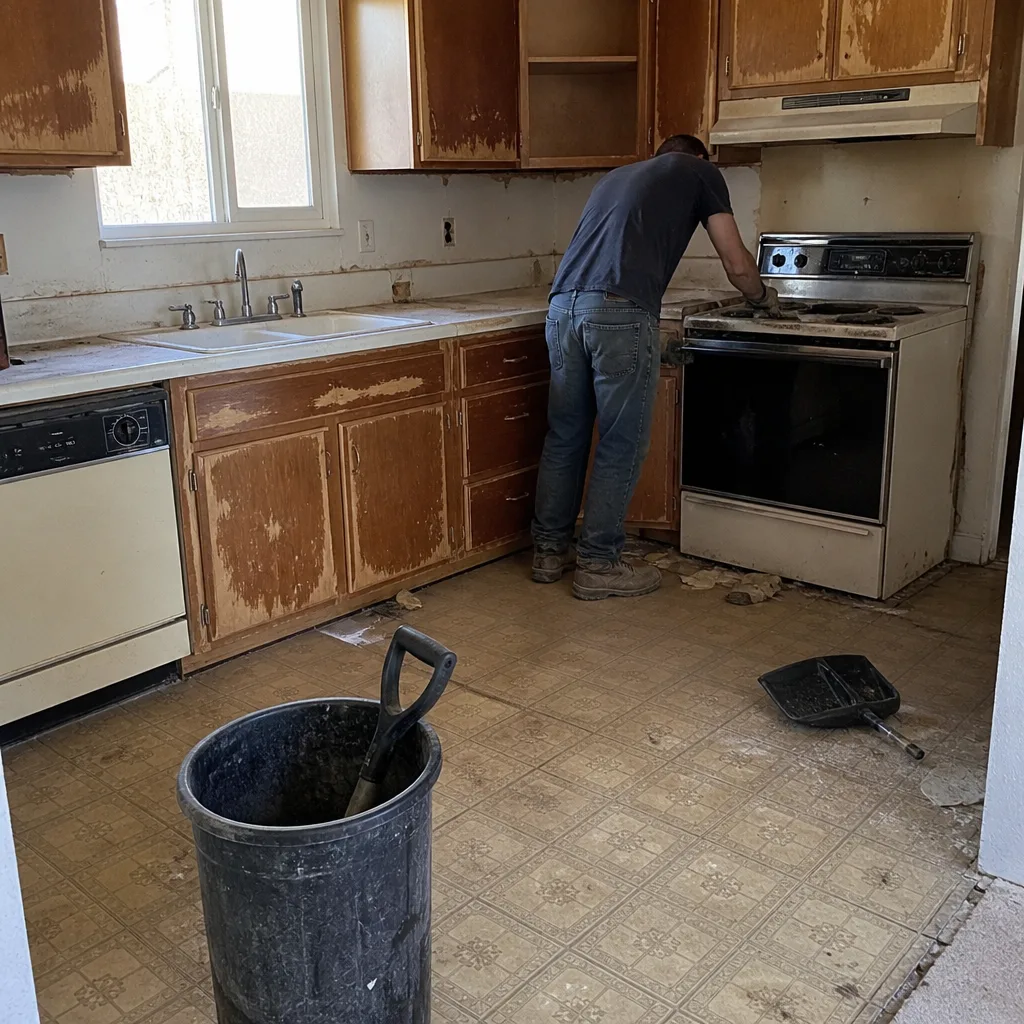 Before
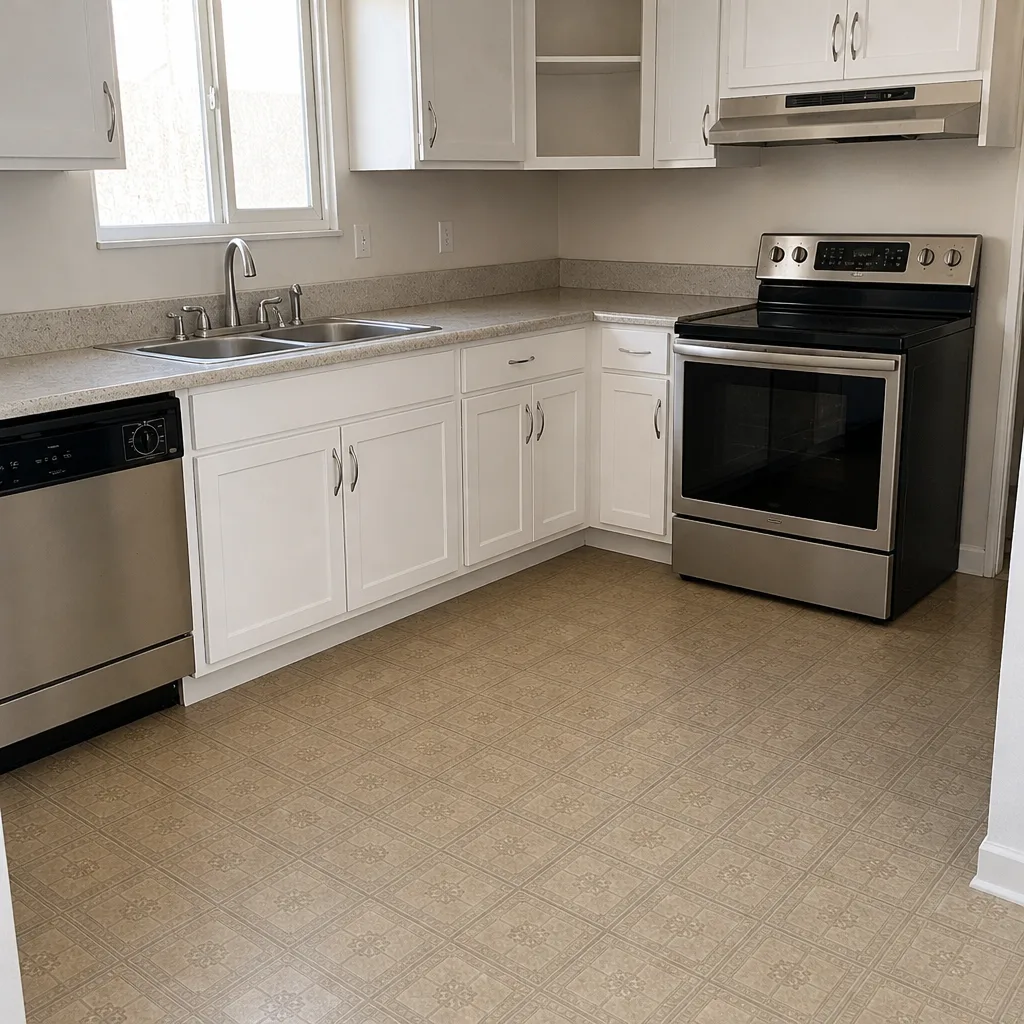 After
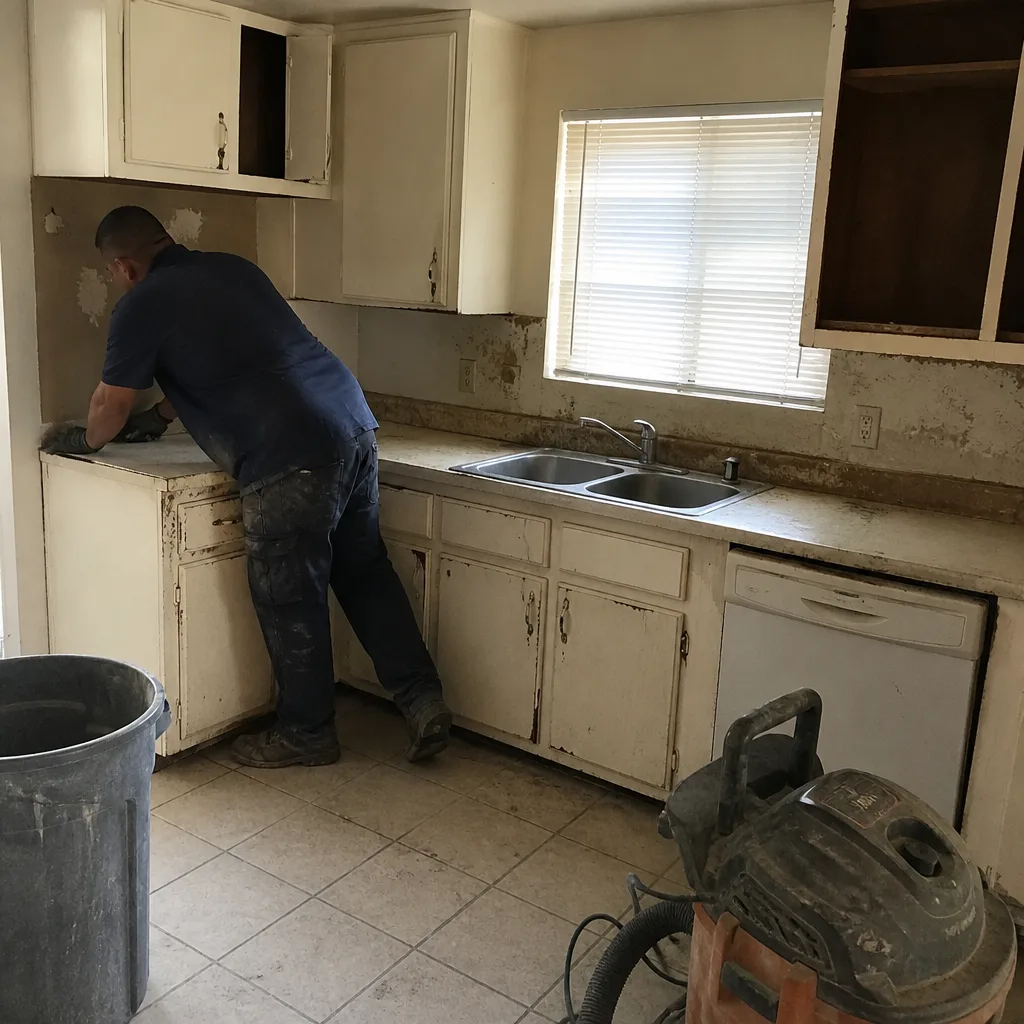 Before
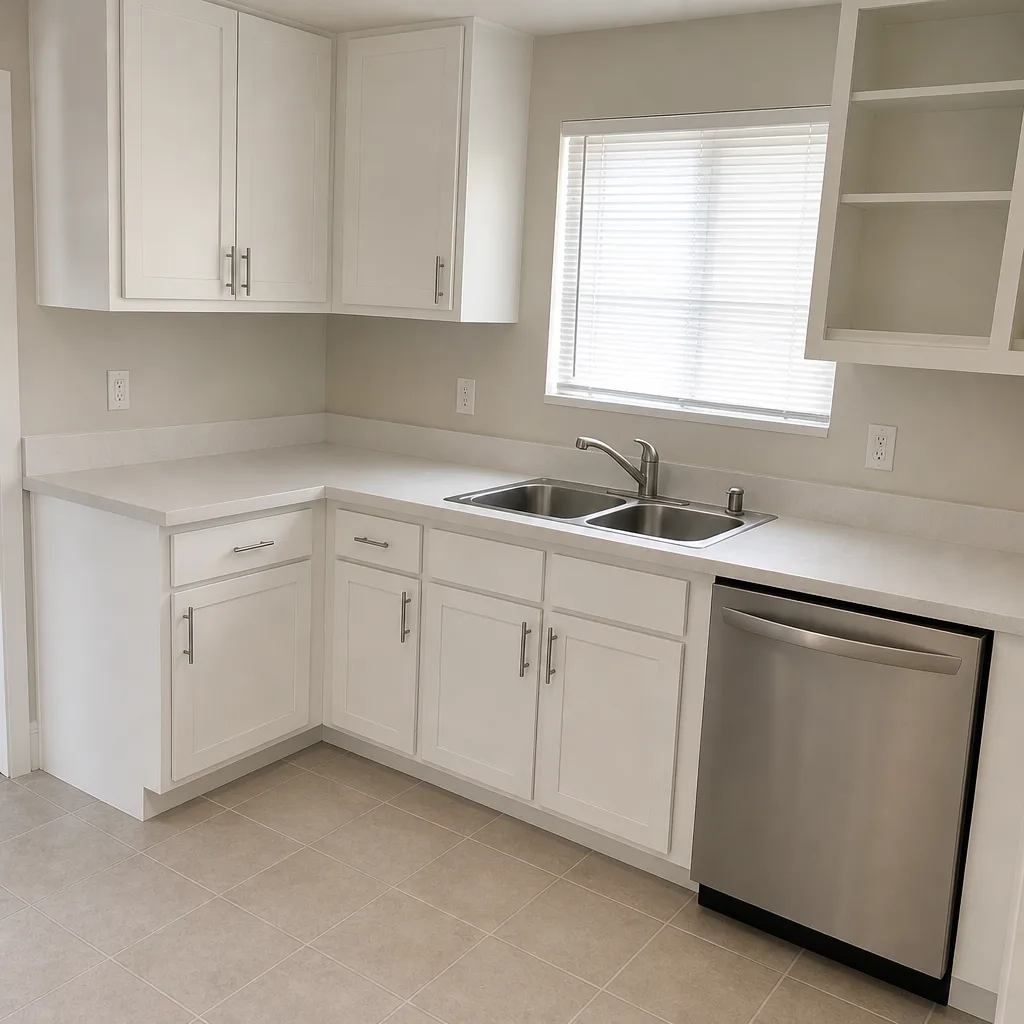 After
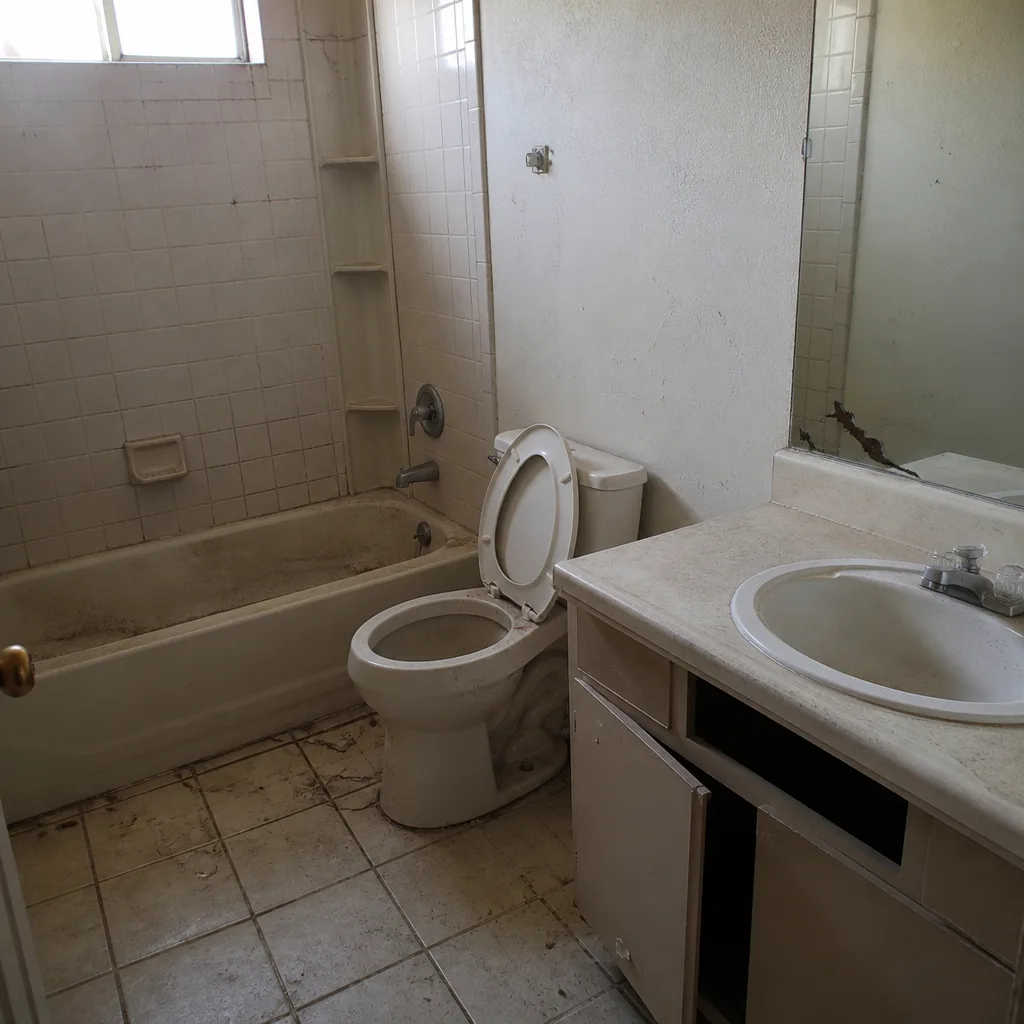 Before
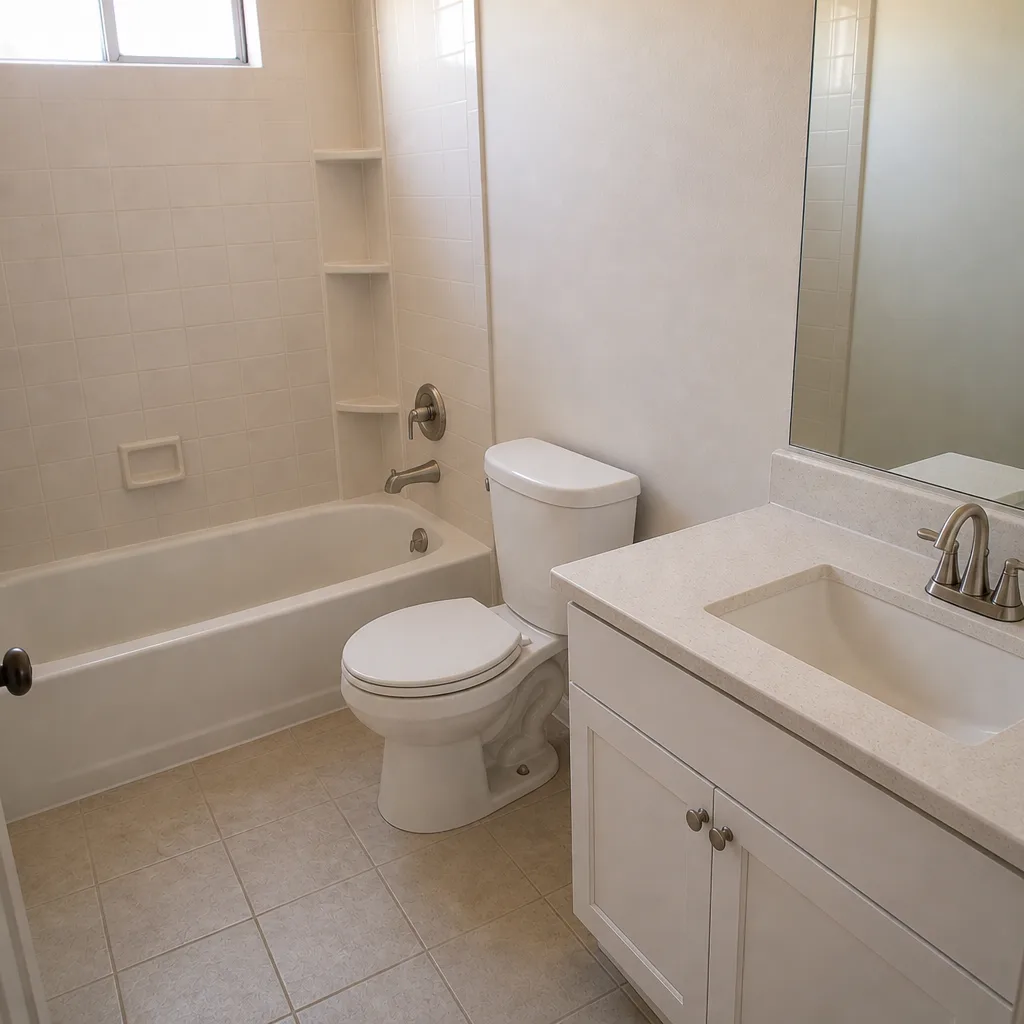 After
Frequently Asked Questions

You can legally do some minor fixture swaps on an existing box, but new or moved electrical circuits require a licensed contractor and a permit in Clark County. Rough-in behind new cabinets falls in this category. If you’re unsure, ask a licensed professional before you open the box, and call (833) 721-7402 for a written quote.
An unpermitted kitchen remodel can stall a sale, lower your price, or require the county to inspect and bring the work to code at your expense. It can also affect insurance claims. A buyer’s inspection or appraisal almost always surfaces the missing permit history. Call us for guidance before you sell; a free estimate on the proper scope is a real protection.
You can tile a dry, non-wet area backsplash if you own a wet saw and understand cement board substrate. That said, most failures come from missing the substrate step or tile over drywall. If you’ve never tiled porcelain before, this is the line where a pro saves you a costly redo. Call (833) 721-7402 for a written quote on tile labor.
Controlled demo is one of the safest DIY savings in kitchen remodel. If you remove cabinets and old counters without touching systems, you can save a meaningful labor chunk. Stop and call when you hit something unexpected behind the wall. A qualified professional can inspect and adjust your written quote.
Kitchens in Whitney commonly run about $18,000 to $55,000 depending on layout, cabinet line, and countertop material. A hybrid project where you do paint and demo lands lower. Call (833) 721-7402 for a written line-item quote; the estimate is free and the number doesn’t change at the door.
It can, which is why the scope has to be written down. When you do your own portion and the crew does theirs, the guarantee should cover only the work the company performs. Ask for the scope and the guarantee in writing before work starts. Call (833) 721-7402 at any hour; a live person answers 24/7.
The Bottom Line
The dividing line in a DIY kitchen remodel isn’t skill, it’s consequence. Cosmetic and recoverable tasks (paint, hardware, shelves, backsplash, controlled demo) are yours to own. Structural and code-tied tasks (electrical, plumbing, gas, load-bearing work) belong to licensed professionals, and in Clark County the permit rule backs that up. The comparison only works when both sides have real numbers, so get a written quote for the whole scope, then decide which lines you’re actually going to take. That’s how a hybrid project stays under budget instead of going sideways. Penhallow Remodeling Whitney gives you the written price and written guarantee before work starts, backed by the 365-Day Done Right Promise.
Written by the team at Penhallow Remodeling Whitney.