
Last updated November 18, 2026





Free written scope consultation - allowances, timeline, and change-order rules on paper before a single trade is scheduled
Kitchen Remodeling Warning Signs Every Homeowner Should Know
If a contractor is hanging upper cabinets before you’ve approved the lower cabinet layout, that’s not efficiency – that’s a sequencing error that will cost you in misaligned doors, gaps at the counter, and revisit charges. In our experience, the costliest kitchen remodel mistakes aren’t made by dishonest contractors. They’re made by homeowners who didn’t know what normal looks like at each phase, so a problem didn’t get flagged until it was buried behind fresh drywall. This guide walks you through what a healthy kitchen job should look like from demo day to final walkthrough, the contract language that should make you pause, and the on-site behavior that separates a crew you can trust from one you can’t. If you’re remodeling in Whitney, the phase checkpoints below matter even more, because the desert climate and local inspection schedule shape how the job runs.
Quick Answer
The biggest kitchen remodeling warning signs are vague allowance language instead of a written price, a missing permit line item, crew members who won’t show you the permit or answer questions, and finish work starting before rough-in inspections pass. A second tier shows up in materials: cabinet boxes and countertop slabs that don’t match what you approved. A written, itemized price before work starts – and a written 365-day guarantee – are the clearest signals you’re dealing with a contractor who will still be reachable in month four.
Styles & brands we work with
- Kitchen remodeling
- Bathroom remodeling
- Home additions & ADU
- Roofing
- Windows & doors
- Driveway & pavers
- Fence
Table of Contents
- Phase-by-phase checkpoints: what the job should look like
- Contract red flags specific to kitchen remodels
- On-site behavioral signals worth taking seriously
- Material substitution: verifying the cabinets and slab you approved
- What a 365-day guarantee should actually say in writing
- Whitney-specific conditions that change the checklist
- When to call a professional
- Frequently asked questions
Phase-by-Phase Checkpoints: What the Job Should Look Like
A kitchen remodel moves through four observable phases: demo, rough-in, cabinet install, and finish. Each one has a “normal” look. Knowing it lets you ask the right question on the right day instead of a month too late.
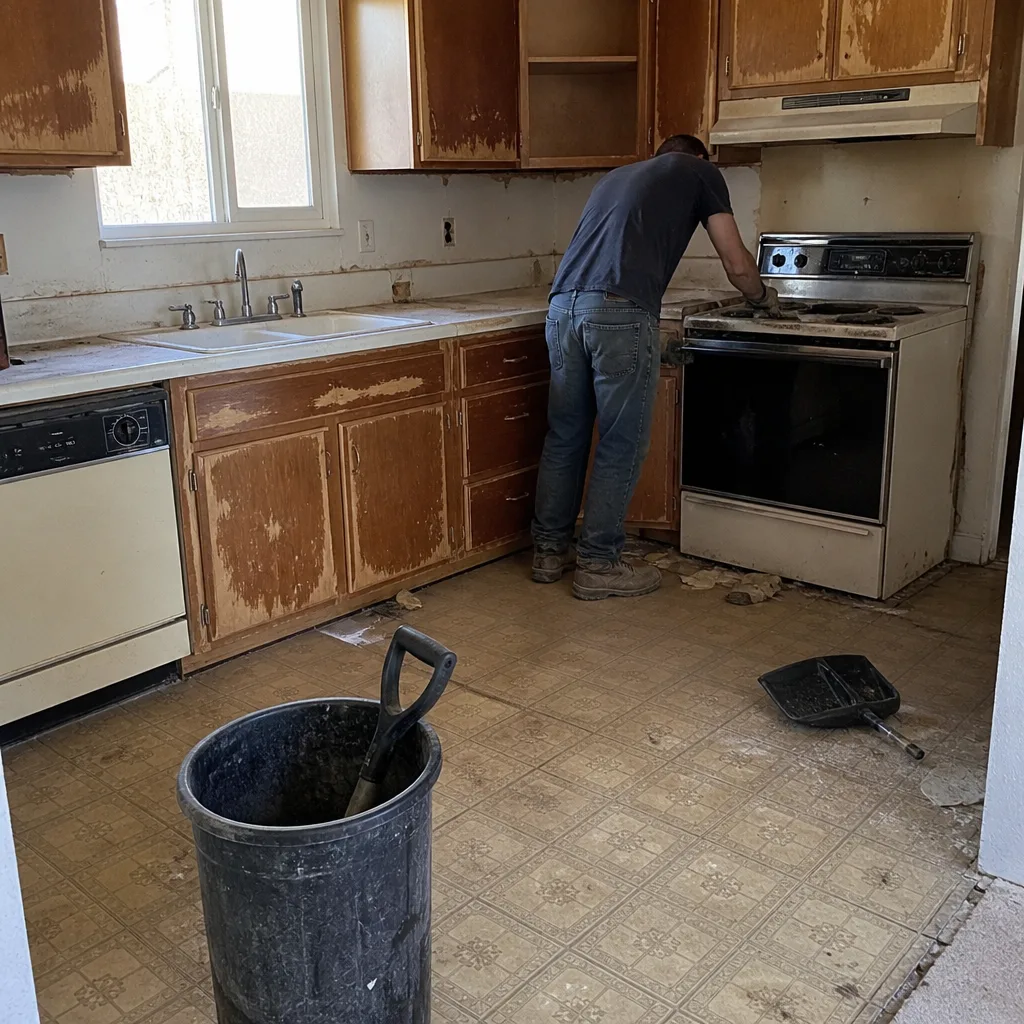
Demo. A clean demo means debris gets hauled out daily, not stacked in the yard for a week. Floors and adjacent rooms should be protected before the first hammer swing. Plumbing and electrical should be capped and labeled, not left open in a wall cavity. If you can’t walk the work zone safely at day’s end, ask why.
Rough-in. This is the behind-the-wall phase: new electrical circuits, plumbing supply and drain lines, gas runs if you’re moving the range, and ventilation ductwork. Normal looks like open walls, visible wires neatly stapled and routed, and plumbing pressure-tested before drywall goes up. It should not look like drywall screwed on while you’re still waiting on the electrical inspection. That inspection is a gate, not a formality.
Cabinet install. This is where sequencing matters most. The lower cabinet layout gets approved – measured against the actual room, not the drawing – before uppers go on the wall. Base cabinets level and shimmed, then uppers aligned to them. If the crew is hanging uppers while lowers are still in boxes, ask them to stop and confirm the layout first.
Finish. Countertop template comes after cabinets are set and level, not before. Backsplash, trim, paint, and fixtures follow. Punch-list walkthrough happens with you present, with a written list you both sign off on.
If you’re working with a General Contractor in Whitney, ask up front for the phase schedule in writing. A general contractor who can’t name those four phases in order is a warning sign on its own.
Contract Red Flags Specific to Kitchen Remodels
Most kitchen disagreements that end up in a dispute trace back to the contract, not the craftsmanship. Here’s what to look for before you sign.
- Vague allowance language. An allowance is a placeholder dollar figure the contractor budgets for something you haven’t picked yet. “Allowance for countertops: $3,500” without specifying the material grade, slab size, or what happens if you choose something above that number is an open door. Ask what’s included in the allowance and what the overage formula is in writing.
- Missing permit line item. A kitchen remodel that moves plumbing, gas, or electrical almost always needs a permit, and the cost should be a line item in the price – not “handled separately.” A contractor who says permits “aren’t really needed” for a kitchen job is signaling either inexperience or shortcuts. In Whitney, permit requirements follow local code, and a professional contractor pulls them and gets the inspections passed.
- No written change-order process. A change order is the document that captures any addition or alteration after the contract is signed – and its price impact. If the contract doesn’t name who approves change orders, how they’re priced, and how they’re documented, every mid-job tweak becomes a verbal negotiation.
- No defined arrival window. “We’ll be there sometime next week” is not a schedule. A written arrival window – a day, a time block – is a commitment you can hold someone to.
- No written finish-date language. A date isn’t a date without consequences. Ask what happens if the job runs past the finish date and get the answer in writing.
The through-line: any number or commitment that exists only in conversation, not on paper, is a number you can’t enforce later.
On-Site Behavioral Signals Worth Taking Seriously
You’ll learn more about a crew in the first three days than in the sales pitch. Watch for these behaviors.
- The crew won’t answer questions. A technician who deflects a simple “what are you working on today?” is either unqualified or being managed badly. Professionals explain their work. It’s part of the job.
- Nobody will show you the permit. The permit is a public document posted on the job site. If nobody can produce it, ask why. If the answer is “we’re getting it,” that’s a red flag on a job that’s already started.
- Finish work starts before rough-in passes. Drywall covering untested plumbing, tile going down over un-inspected electrical – any work that “locks in” the rough-in before the inspection happens is work you can’t verify later without tearing it out.
- Subcontractors keep changing. A different plumber each week, an electrician whose name changes, cabinet installers who don’t know the plan – that’s a coordination breakdown, and it’ll show up in the final product.
- The site isn’t cleaned at day’s end. Debris, exposed nails, and dust spread into living spaces are trailing indicators. A crew that won’t clean up won’t catch small mistakes either.
- Your point of contact disappears. If the person who sold you the job stops returning calls the week demo starts, you have a project-manager problem. Ask for a single named contact and a way to reach them during work hours.
These are the same signals we look for when we supervise a job under The Kingswell Way standard: say the price before the work, show up in the window we gave, leave the place cleaner than we found it. When those standards are in writing, the behavioral signals become easy to check.
Material Substitution: Verifying the Cabinets and Countertop Slab You Approved
The material you signed off on is not always the material that arrives on the truck. Substitution is one of the most common kitchen-remodel complaints and also one of the easiest to catch – if you know what to look at.
- Cabinet brand verification. Cabinets we recommend include KraftMaid and Wellborn lines, and both carry branded labels inside the door or on the box. Open a door and confirm the label matches the brand and line you approved. If the label is missing or the interior finish feels flimsy, ask for the spec sheet against your contract.
- Cabinet box construction. Plywood box versus particleboard is a real cost difference. Check the drawer interior and the bottom edge of an upper cabinet. If it’s sawdust board when you paid for plywood, you’ve been substituted.
- Countertop slab tag. Natural stone and quartz slabs arrive with a slab tag or a supplier label. Cambria, Silestone, and Caesarstone each brand their material. On install day, ask which slab is which and confirm it against your approved sample.
- Countertop template timing. A template should be measured after cabinets are fully set, level, and secured. If a template was measured before cabinets were set, expect gaps and misaligned seams.
- Fixture brand. Faucets, sinks, and hardware from recognizable brands like Kohler and Moen carry visible labels. A “Kohler-style” faucet isn’t Kohler.
The single question that solves most of this: Before anything gets installed, can we walk through the materials against my written spec? A contractor who’s confident in the supply chain will say yes without blinking.
What a 365-Day Guarantee Should Actually Say in Writing
Verbal promises evaporate the moment you call about a drawer that stopped closing in month four. A real 365-day guarantee is a document, not an assurance.
At minimum, a written workmanship guarantee should cover:
- What’s covered. Workmanship, installation, and any product failure not covered by the manufacturer. Be specific: drawer glides, cabinet alignment, door clearance, caulk joints, tile grout, countertop seams.
- What’s not covered. Normal wear, damage caused by misuse, and product failures covered by the manufacturer’s own warranty. Both lists belong in writing.
- The term. 365 days from substantial completion, defined as the date you sign the punch-list sign-off. The clock should start then, not at first walkthrough.
- The remedy. What happens when something fails: a free return visit, a repair at no charge, and a defined response window. A guarantee with no remedy sentence isn’t a guarantee.
- The manufacturer layer. Products like Cambria quartz carry their own lifetime warranty alongside ours. That’s two layers of protection, and the written guarantee should say so.
The 365-Day Done Right Promise is what we put on paper on every job: if the work fails inside the guarantee period, we come back and fix it at no charge. If a repair fails, the second visit is free – no service call, no re-inspection fee. Read the guarantee language on any contract before you sign it. If it doesn’t identify the remedy, ask for it in writing.
Whitney-Specific Conditions That Change the Checklist
Kitchen jobs in Whitney run into a few local realities worth checking during the walkthrough.
- Dust and heat. Whitney’s dry, windy spring months send fine dust through a job site faster than most inland climates. Ask how the crew manages site containment – plastic sheeting between the kitchen and living areas, plus daily sweeping – because a crew that ignores this will leave the dust in your HVAC vents.
- Cabinet humidity behavior. Low desert humidity shifts wood cabinet doors in the first month as they acclimate. If doors arrive from a humid warehouse and go straight onto dry walls, expect small gaps. A good install includes a few days of acclimation before hanging.
- Cooling equipment runs during the job. If the kitchen is adjacent to the HVAC return, ask the crew to cover the intake. Dust pulled into the system during a cabinet install is a repair you don’t want to make a month later.
- Local inspection schedule. Whitney-area inspections run on a schedule that can hold up the next phase. A general contractor who plans for that spacing in the timeline won’t have drywall sitting open a week waiting on a rough-in inspection.
If you’re also planning to remodel a second space, most homeowners doing a kitchen job in Whitney end up weighing a Bathroom Remodeling in Whitney job in the same timeline. Ask about phasing both, because coordinating two trades in one house is different from running two separate jobs.
See the difference
 Before
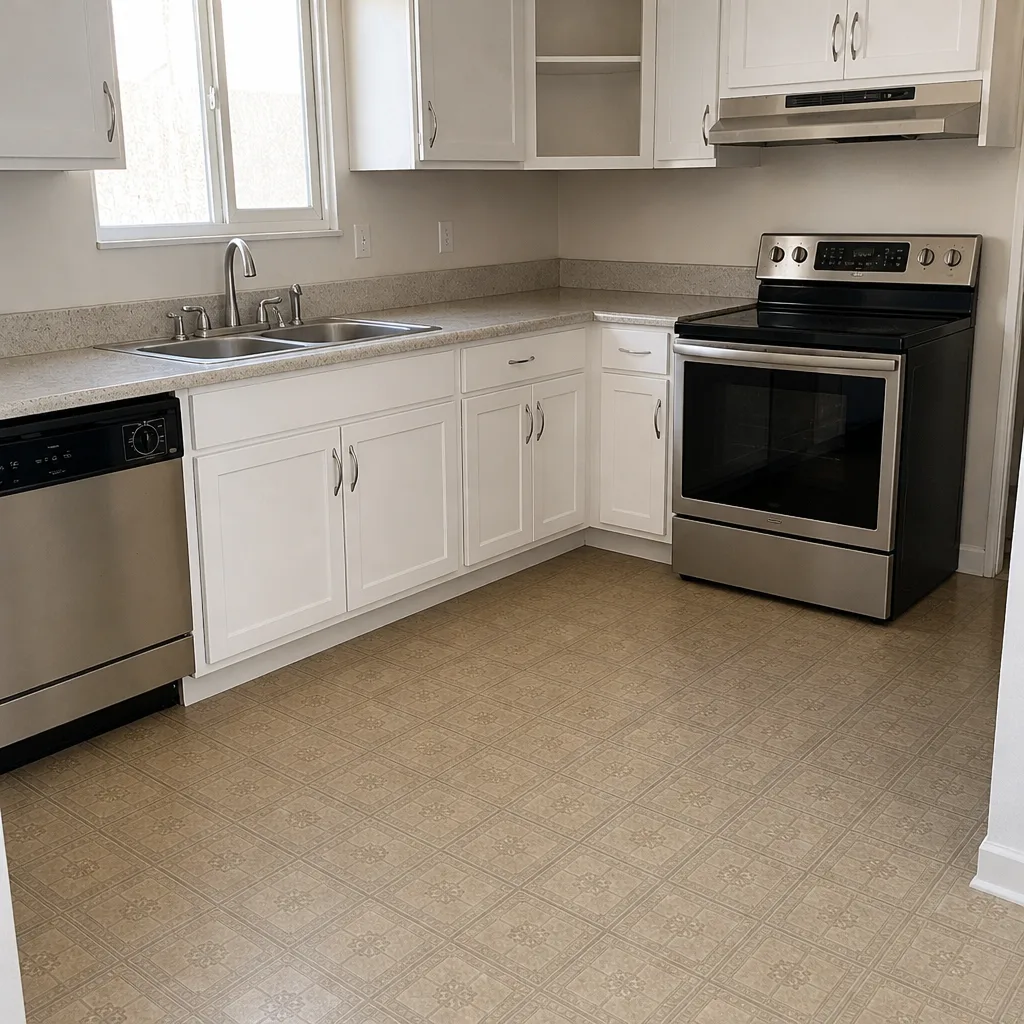 After
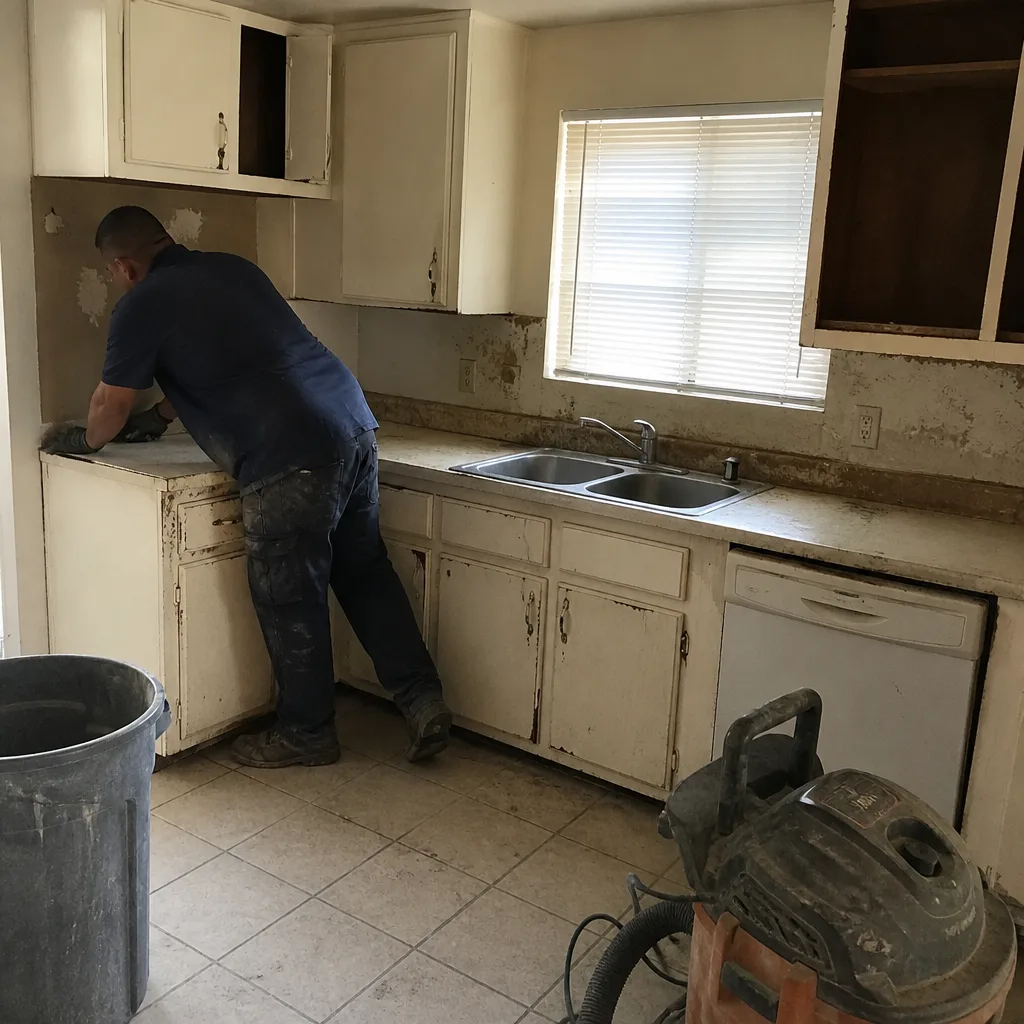 Before
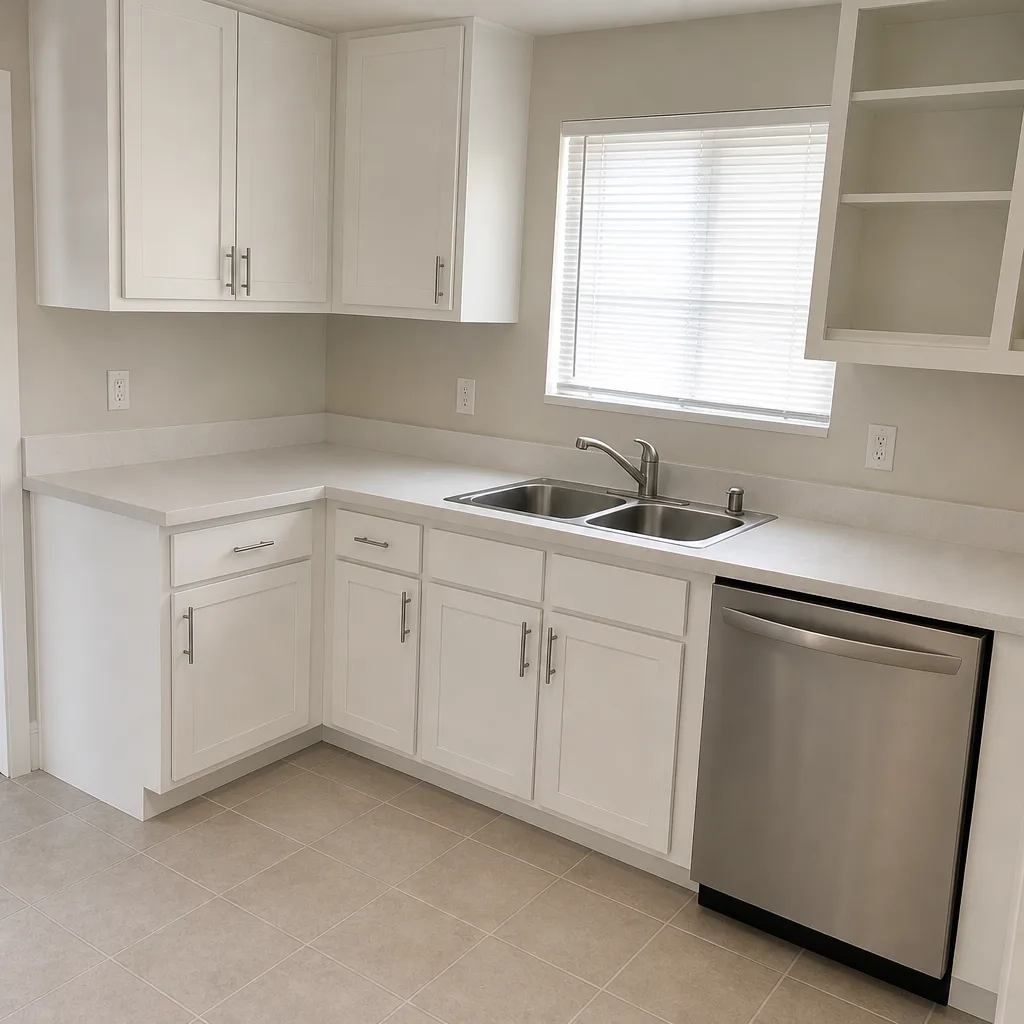 After
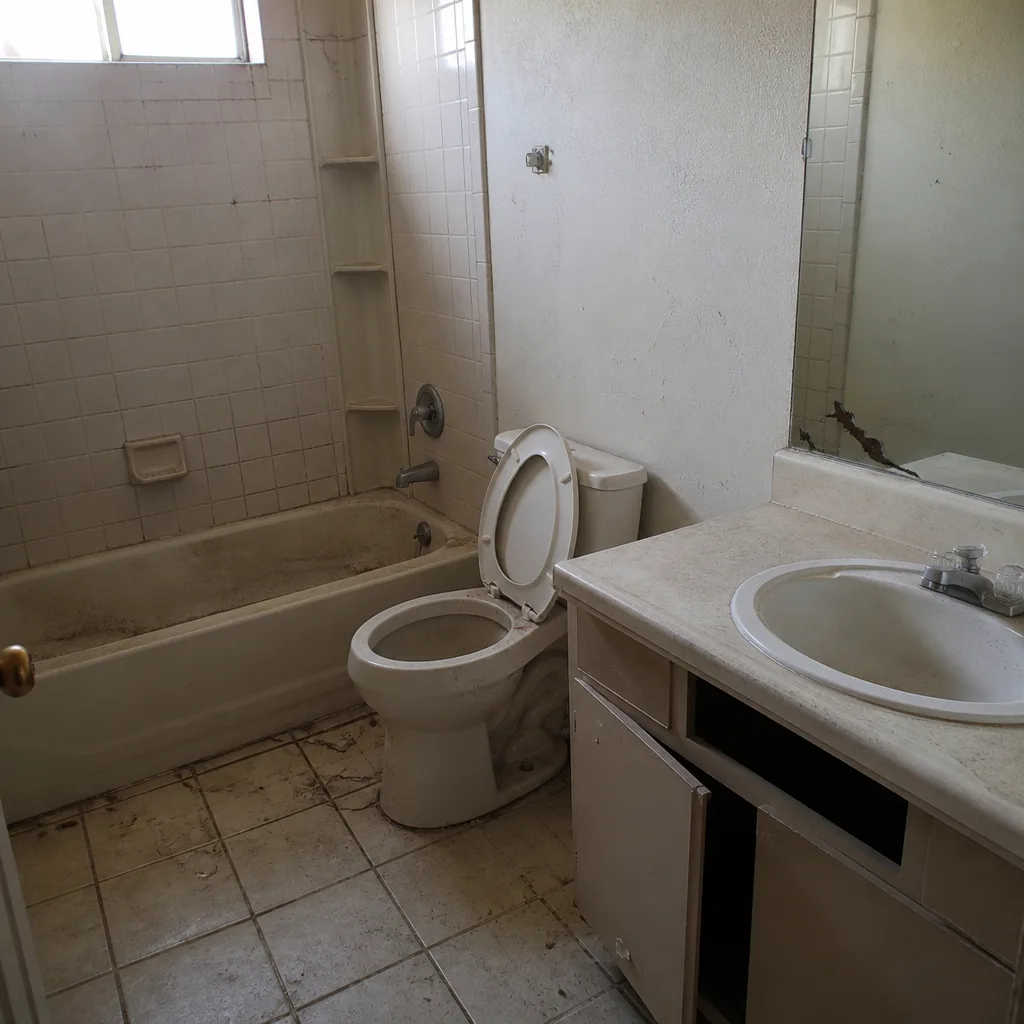 Before
 After
Common Mistakes to Avoid
- Accepting a verbal estimate. A ballpark over the phone is not a price. Get the number in writing before the first cabinet is pulled, so the price on day one is the price on the invoice.
- Approving the layout from a drawing alone. A two-dimensional plan hides height and clearance problems. Ask for a floor-tape layout against the actual wall before demo.
- Choosing the cheapest bid on allowance-heavy language. A low bid padded with vague allowances will land above the highest bid once selections come in. Compare total cost including upgrades, not just the line at the bottom.
- Not asking who pulls the permit. If the answer is “the homeowner handles it,” that’s a signal the contractor isn’t licensed for the work they quoted.
- Ignoring a crew that won’t discuss the schedule. Silence on a job site is not professionalism. It’s a sign something in the sequence is off.
- Paying materials costs before delivery. Pay for materials when they show up verified against your spec, not on a promise.
- Relying on a verbal guarantee. A repair promised verbally is a repair you’ll chase for weeks. Get every guarantee, including the free return visit if a repair fails, in the contract.
When to Call a Professional
If your current contractor won’t show you the permit, hasn’t given you a written finish date, or has started finish work before your rough-in inspection passed, that’s the moment to bring in a second opinion. The same is true if a drawer stopped closing at month four and the original crew stopped returning calls – a written guarantee is only as good as the company standing behind it, and a company that won’t answer a simple callback has already told you the answer. If you’re at the starting line, a written, itemized price from a licensed contractor is the single most useful document you’ll have for the whole project. Penhallow Remodeling Whitney offers free estimates in Whitney – call (833) 721-7402 and we’ll walk the room with you. Our technicians have up to 22 years of experience, and every visit is by a background-checked, uniformed professional.
Frequently Asked Questions
Kitchen remodels in the Whitney area typically run $18,000 to $55,000 depending on layout, cabinet line, and countertop material. A cosmetic refresh with new cabinet fronts, paint, and hardware sits at the lower end; a full-gut remodel with new plumbing, electrical, and stone countertops sits at the upper end. The three biggest drivers are cabinet brand, countertop slab material, and whether the plumbing or gas lines move. Call (833) 721-7402 for an exact quote – estimates are free and you’ll get a written, itemized price before any work starts.
A written, itemized price – not a range – plus a permit line item, a written change-order process, a defined arrival window, a written finish date, and a written workmanship guarantee. Every one of those items should be on paper before you sign. The most common missing piece is the guarantee language: ask specifically what happens if a drawer fails in month four. A company that answers that in writing is a company you can trust on the rest. Call (833) 721-7402 to schedule a free estimate.
No. Hanging uppers before the lower layout is approved is a sequencing error that leads to misaligned doors, gaps at the counter, and revisit charges. Uppers align to the levels and dimensions of the base cabinets. If the uppers go on the wall first, the base layout gets retrofitted around them, and small alignment problems disappear behind drywall until your countertop template reveals them. If your crew starts uppers first, ask them to pause and confirm the base layout against the taped floor plan.
Open a cabinet door and look for the branded interior label; KraftMaid and Wellborn cabinets carry visible branding inside the door, and checking the drawer box material against your spec sheet confirms the line you paid for. Also check the bottom edge of an upper – plywood versus particleboard is obvious once you know to look. If anything looks off, ask for the spec sheet against your contract before install starts. Call (833) 721-7402 for a free estimate in Whitney if you’re still planning the job.
A real 365-day guarantee covers workmanship and installation for 365 days from substantial completion, with a defined remedy – a free return visit and a repair at no charge. It should also state what it doesn’t cover (normal wear, damage from misuse, manufacturer-covered product failures) and note that products like Cambria quartz carry their own lifetime warranty alongside the workmanship guarantee. A verbal promise isn’t a guarantee; get the remedy sentence in writing before you sign. Call (833) 721-7402 to ask what ours says.
Almost any kitchen remodel that moves plumbing, gas, or new electrical circuits requires a permit in Whitney, and permits should be a line item in your written price. A contractor who says “we can skip the permit” is telling you something about how the rest of the job will be run. Permits also protect you on resale – unpermitted work is a disclosure problem when you sell. If your contractor won’t pull the permit, call (833) 721-7402 for a free estimate and a written plan that names the permit cost up front.
The Bottom Line

The warning signs in this guide come down to one principle: every price, every schedule commitment, and every guarantee belongs on paper before the first cabinet is pulled. Watch the phases – demo, rough-in, cabinet install, finish – and ask the right question on the right day. Check the paperwork for allowance language, permit line items, and a written change-order process. Verify the materials against your spec on delivery. And read the guarantee language specifically, because the 365-Day Done Right Promise is only as good as the sentence that names the remedy. If your current contractor can’t produce those documents, a free second estimate from a licensed professional is worth more than a cheap bid. Every kitchen starts with a number you can hold us to.
If you’re ready to plan a kitchen with a written price, a real arrival window, and a written 365-day guarantee, Kitchen Remodeling in Whitney from Penhallow is where to start. For a broader view of how we handle whole-home projects, see the Penhallow Remodeling Whitney home page. And for the details on our written standard – a real number up front, a real arrival window, and a clean site at day’s end – read more about how we run a job from start to finish in Whitney.
Contact. Call (833) 721-7402 for a free estimate on your kitchen or bath remodel in Whitney. A real person answers 24/7 – not a voicemail prompt – and every quote arrives as a written, itemized price before any work begins. Background-checked, uniformed technicians on every visit; the 365-Day Done Right Promise in writing on every project. Materials from recognized trade brands including KraftMaid, Wellborn, Cambria, Silestone, Caesarstone, Kohler, and Moen.
Written by the team at Penhallow Remodeling Whitney.