
Last updated November 18, 2026








Free written scope consultation - allowances, timeline, and change-order rules on paper before a single trade is scheduled
Seasonal Construction Care for Whitney: Year-Round Homeowner’s Guide
Whitney’s monsoon season delivers less than two inches of rain total, but it arrives fast – and a single heavy cell hitting a caulk joint that’s been baking since April can push more water into a wall cavity than a week of moderate rain elsewhere. That’s the strange thing about caring for a home in Whitney: the climate never looks dramatic, yet the desert runs a quiet, relentless demolition on your exterior envelope all year. Thermal cycling, UV degradation, and that brief violent monsoon window do the damage slowly, out of sight. This guide gives you a maintenance rhythm that matches what the climate is actually doing, month by month, so you catch problems while they’re cheap to fix and before they compound into remodel-grade repairs.
Quick Answer
Seasonal construction care in Whitney follows four anchors: pre-monsoon sealing of exterior joints, roof penetrations, and window head flashings in May and June; heat-window checks on HVAC, attic ventilation, and finishing schedules from July through September; a post-summer assessment in October to document stucco, paint, and caulk failure while temperatures are still workable; and winter prep focused on gas connections, water heater efficiency, and air sealing rather than the freeze-protection routines that matter in colder states. Keeping a written seasonal log turns all of it into documentation you can hand to a warranty or a buyer.
Styles & brands we work with
- Kitchen remodeling
- Bathroom remodeling
- Home additions & ADU
- Roofing
- Windows & doors
- Driveway & pavers
- Fence
Table of Contents
- Pre-Monsoon Prep: What to Inspect and Reseal in May and June
- The Peak Heat Window: July Through September
- Why Timing Your Interior Remodel Matters in Whitney
- Post-Summer Assessment: October Is Your Documentation Month
- Winter Prep in a Desert Climate: What Matters and What’s Overkill
- How to Keep a Seasonal Log That Holds Up
- Common Mistakes to Avoid
- When to Call a Professional
Pre-Monsoon Prep: What to Inspect and Reseal in May and June
By May, exterior sealants in Whitney have spent eight months drying out under hard sun. The monsoon cell that hits in July doesn’t need to be big; it needs an opening. Your job in late spring is to close those openings before the first storm tests them.
Walk the whole exterior with a notepad and a tube of exterior-grade polyurethane sealant. Here’s the sequence we recommend:
- Window head flashings. The flashing above each window is where driven rain enters first. Check that it still laps over the window frame and that the caulk line beneath it hasn’t shrunk or pulled away. Look for the fine hairline gap that means water is already getting behind it.
- Roof penetrations. Vents, flues, and any satellite or solar mounts. The sealant collar around a pipe can crack from summer heat and look perfectly fine from the ground. Get up there or have someone do it.
- Caulk joints at the stucco. Every control joint, every transition where stucco meets a different material, every outside corner. In Whitney we regularly see joints that have cracked open a quarter inch by June where April’s sealant was sound.
- Wall and slab transitions. Where the stucco meets the foundation and where the driveway meets the house, water pools and pushes. Those lines need continuous, flexible sealant.
Fresh exterior paint adds another layer of UV protection, and modern coatings from lines like Dunn-Edwards or Sherwin-Williams elastomeric products bridge small cracks as they move. If your paint is chalking on your hand when you rub it, the sun has already used up the coating. Resealing and painting before the monsoon season is the single most cost-effective thing a Whitney homeowner can do in spring.
The Peak Heat Window: July Through September
July through September is when Whitney does its real damage. Sustained triple-digit heat cooks the exterior while your air conditioner works harder than it does any other month. You can’t stop the heat, but you can keep it from costing you money in two places: your mechanical systems and your finishes.
Three checks matter most in this window:
- HVAC filter and coil. Change the filter every month through the peak season, not every three. Have the condenser coil cleaned annually; a dust-fouled coil in Whitney’s air can raise your energy bill noticeably and shorten the compressor’s life.
- Attic ventilation. A hot, poorly vented attic can hit 160 degrees and radiate down into your ceiling. Verify you have both intake vents at the soffits and exhaust vents at the ridge. In our experience, blocked or painted-over soffit vents are the culprit in a surprising number of overheated Whitney attics.
- Ductwork sealing. A leak in an attic duct system loses conditioned air straight into that hot attic. Foil-tape and mastic on the joints is inexpensive and the payoff is immediate on your next bill.
This is also the worst time of year to schedule interior drywall finishing. Joint compound and paint cure too fast in a hot, dry house, and the finish can crack or check before it ever sets properly. If a remodel is on your calendar, plan the drywall phase for cooler months and let the mechanics and rough framing take the summer if you must build then. Our general contractor in Whitney team plans project phases around exactly this, and it’s why the schedule you get up front should account for the calendar, not just the crew.
Why Timing Your Interior Remodel Matters in Whitney
Most homeowners think about when to remodel in terms of their own schedule. In Whitney, the climate should shape it too. Two forces are at war with interior work in the hot months: rapid curing of wet materials and the practical difficulty of keeping a construction zone livable when it’s 110 outside.
Here’s how the calendar breaks down for us:
- Best window for kitchens and baths: October through April. Temperatures are workable, humidity is predictable, and materials like tile thinset, drywall compound, and cabinet finishes cure at a controllable rate.
- Summer is fine for rough-in and mechanical work. Plumbing and electrical rough-in, HVAC changes, and framing don’t care about the heat the way finishing does.
- Exterior work is best in spring and fall. Stucco patching, siding, and painting all perform better when temperatures aren’t at their peak.
If you’re planning a kitchen remodeling in Whitney, ask your contractor how they’ll handle finishing schedules in the season you’re building. A plan that ignores curing conditions will show cracks in the first year. We schedule every project with a written price and a defined arrival window up front, and we tell you plainly which phases will be affected by the time of year.
Post-Summer Assessment: October Is Your Documentation Month
October is the most useful month in Whitney’s maintenance year because it’s the first time since spring that you can comfortably walk the exterior and see what the summer did. It’s also your last chance to make repairs while temperatures are still workable and before the contractor market fills with year-end projects.
Do a systematic post-summer walk-through and document everything:
- Photograph every stucco crack. Note the location, the length, and the direction. Hairline cracks are normal; a crack that’s grown since spring is telling you something is moving.
- Check paint for oxidation and chalking. Run your hand along the sun-facing south and west walls. A white powdery residue means the coating is breaking down.
- Inspect every caulk joint you sealed in spring. The storms tested them. Note any that failed.
- Look at the attic for water staining. This is where a monsoon leak shows up even when no ceiling stain appears inside yet.
- Note any interior cracks near windows and doors that appeared after the summer. These can indicate movement in the framing or foundation.
Put all of it in your seasonal log with dates and photos. The value of that documentation compounds: it becomes the record you hand a contractor when you call for a bathroom remodeling in Whitney, and it’s the same record you’d produce if you ever needed to file a warranty claim or answer a buyer’s questions at sale.
Winter Prep in a Desert Climate: What Matters and What’s Overkill
Whitney’s winters are mild, and a lot of the winter-proofing advice you’ll read online is written for the Midwest. You don’t need to winterize an irrigation system the way a Minnesota homeowner does, and pipe freeze risk is limited. But a few things do matter:
- Gas line connections. Any gas appliance connection, whether water heater, range, or furnace, should be checked for leaks before the heating season. A qualified tech does this correctly; it’s not a homeowner job.
- Water heater efficiency. A cooler season is a good time to flush the tank and check the anode rod. If your heater is older, the efficiency drop shows up more in winter use.
- Door and window sealing. Weatherstripping that’s been baking all summer hardens and loses its seal. Replacing it is inexpensive and stops the winter draft that makes a room feel colder than it is.
- Roof inspection after the fall. Winter is when you want a sound roof over your head, and the honest inspection should happen before the first real cold front.
What’s overkill for Whitney: elaborate freeze protection, heat tape on every pipe, and the full winterization routine for a cold climate. Skip it. Do the four things above and your home will handle Whitney’s winter without issue. If your older windows are single-pane and the draft is really a comfort problem, replacing them with a modern line like PGT or Therma-Tru frames is a fixture upgrade that pays back in comfort and, if you sell, in the listing.
How to Keep a Seasonal Log That Holds Up
The difference between a homeowner who catches problems early and one who gets surprised is a simple written log. It’s not glamorous, but it’s the single most useful habit in this guide.
Here’s the structure that works:
- One page per area of the home. Exterior walls, roof, attic, mechanical, kitchen, bath. Add a photo and a date for every observation.
- Record the date, what you saw, and what you did. “May 18: caulked south wall window head; small gap.” That’s enough.
- Log every professional visit and every warranty document. Keep receipts and written guarantees together in one folder.
- Note the products and brands. If your siding is James Hardie, your roof is Atlas or Tamko shingles, or your countertops are Cambria quartz, record it. Product-level records are gold at resale and they matter if you ever make a manufacturer warranty claim.
If you’re selling a Whitney home, a five-year log showing routine maintenance and professional repairs is a genuine selling point. It’s not just paperwork; it’s evidence that the home was cared for, and it tells a buyer you took the desert climate seriously.
Common Mistakes to Avoid
- Skipping the pre-monsoon reseal because “it never rains here.” Whitney gets very little rain total, but the storms that do come arrive fast and hard. A failed caulk joint doesn’t need a week of rain to cause damage; it needs one good cell.
- Judging sealant by looks alone. Exterior caulk in Whitney shrinks and cracks from underneath, and the top surface can look sound while the joint has already separated. Test it by pressing; don’t trust the eye.
- Scheduling drywall finishing in July and August. Hot, dry air cures joint compound too fast and invites cracking. Plan finishes for cooler months and you’ll get a better result with fewer callbacks.
- Ignoring attic ventilation until the energy bill spikes. Blocked soffit vents and a hot attic are a slow tax on your cooling costs. Check them annually, not only when something fails.
- Doing the full cold-climate winterization routine. Elaborate freeze protection and heat tape on every pipe is wasted effort in Whitney. Spend that effort on the four winter items that actually matter.
- Keeping maintenance records in your head. Without a written log with dates and photos, you have nothing to hand a warranty provider, a buyer, or a contractor. The memory fades; the file does not.
- Letting a small stucco crack grow unattended. Hairline cracks are routine in Whitney’s thermal cycling. A crack that’s widening or changing is a signal to investigate, not to paint over.
When to Call a Professional
Some seasonal checks a homeowner should absolutely handle: caulking, filter changes, checking vents, photographing cracks, keeping the log. Others call for trained eyes and hands. Roof penetration and flashing work means heights and water management, and a mistake there is expensive. Gas line connections are a safety matter; don’t touch them yourself. Any stucco crack that’s growing, any water stain in the attic, and any interior crack that appeared after the summer are all worth a professional assessment. And when the maintenance year ends and it’s time for a real project, a kitchen, a bath, or a whole-home remodel, that’s our work.
Penhallow Remodeling Whitney offers free estimates in Whitney – call (833) 721-7402. Every project comes with a written price before any work starts, a defined arrival window, and our 365-Day Done Right Promise, backed in writing. If we fix something and it fails inside the guarantee period, we come back and make it right at no charge, and the return visit itself doesn’t cost you a service call. A live person answers the phone, day or night.
See the difference
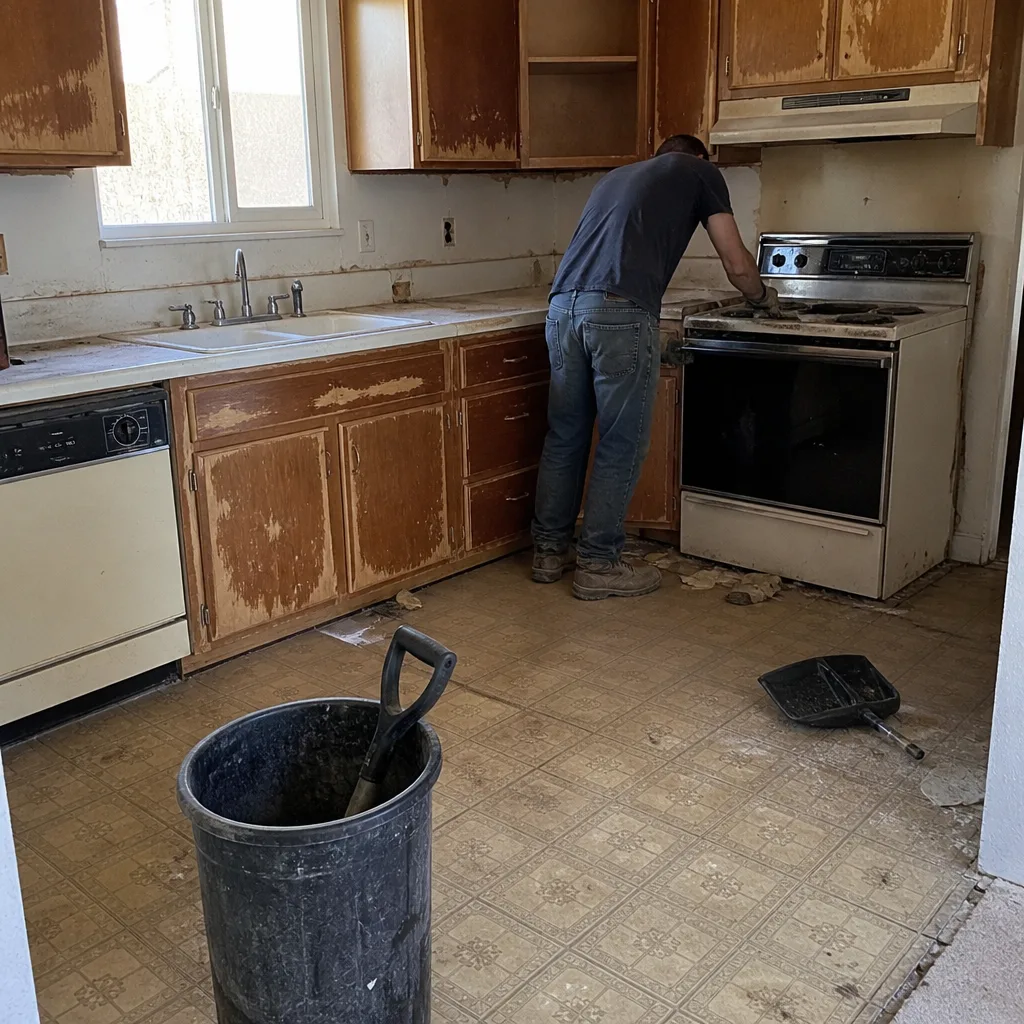 Before
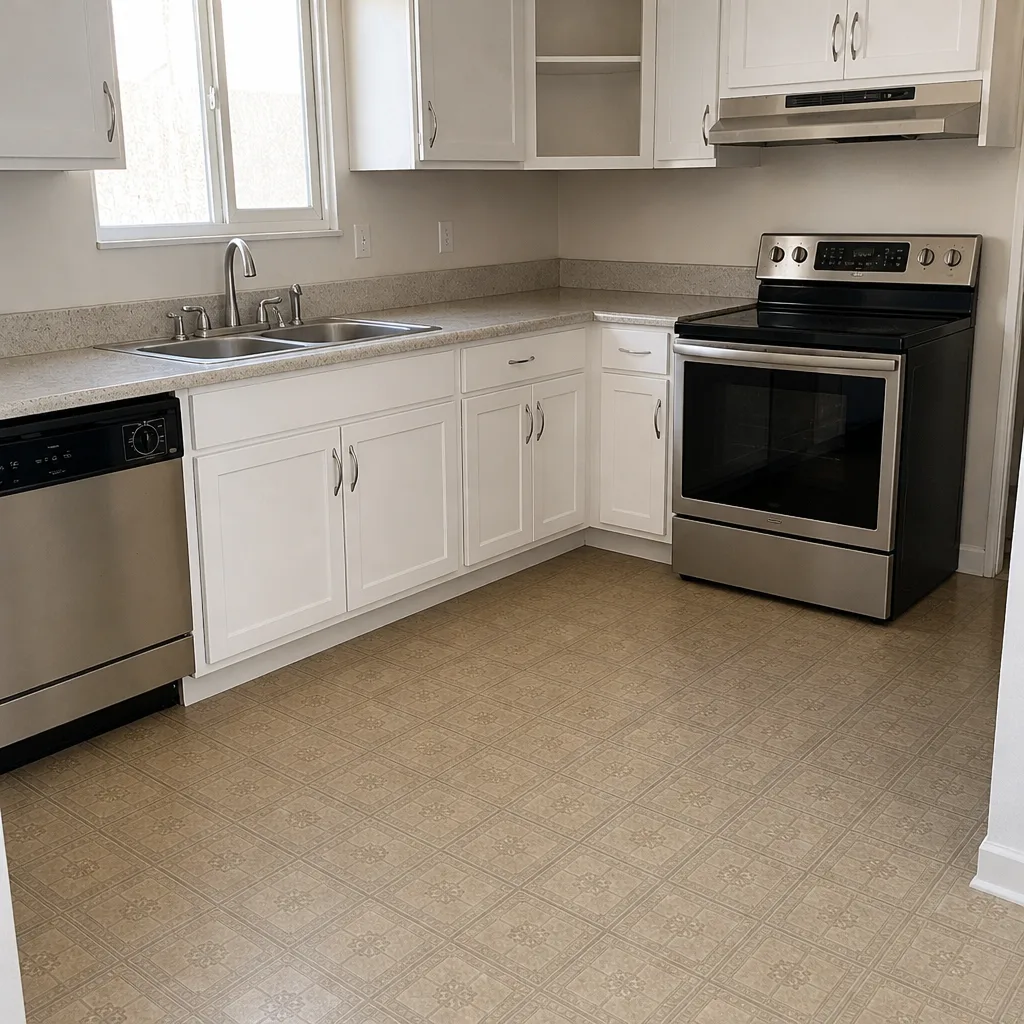 After
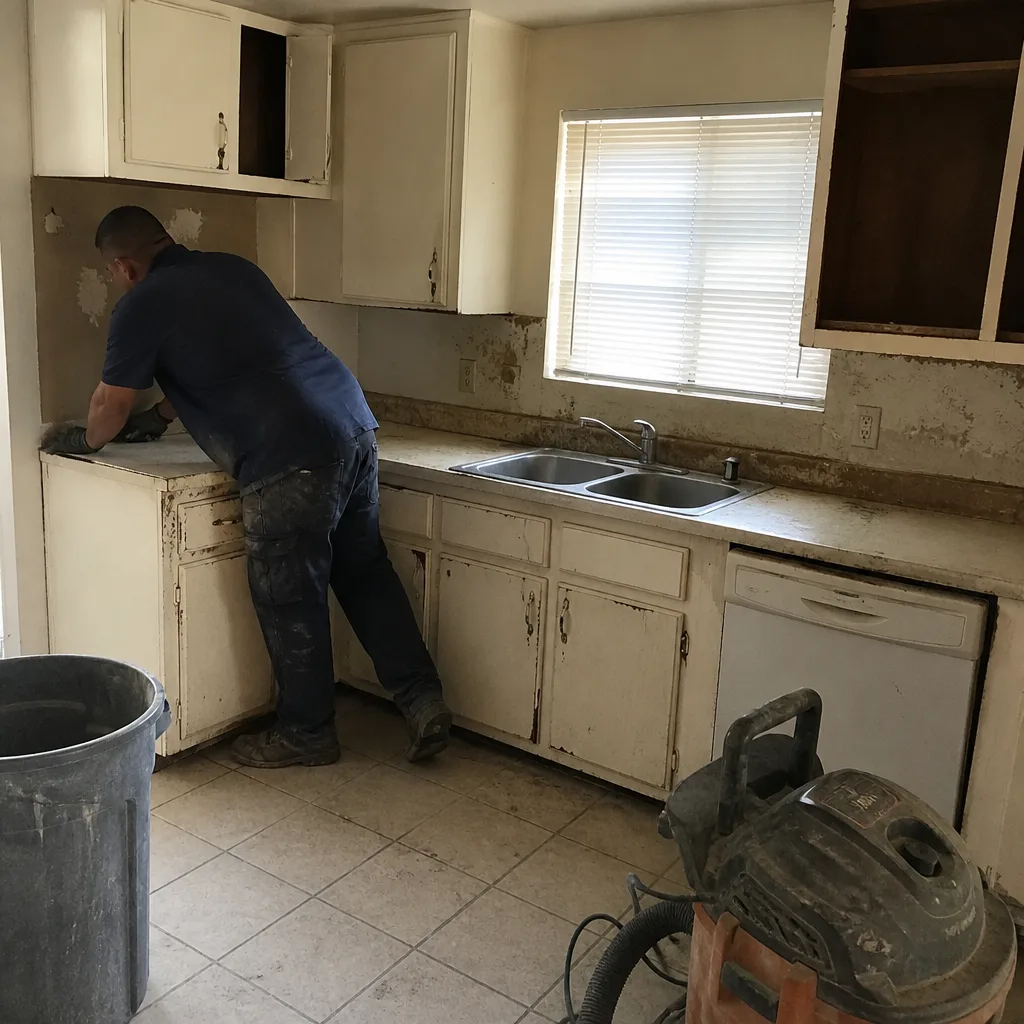 Before
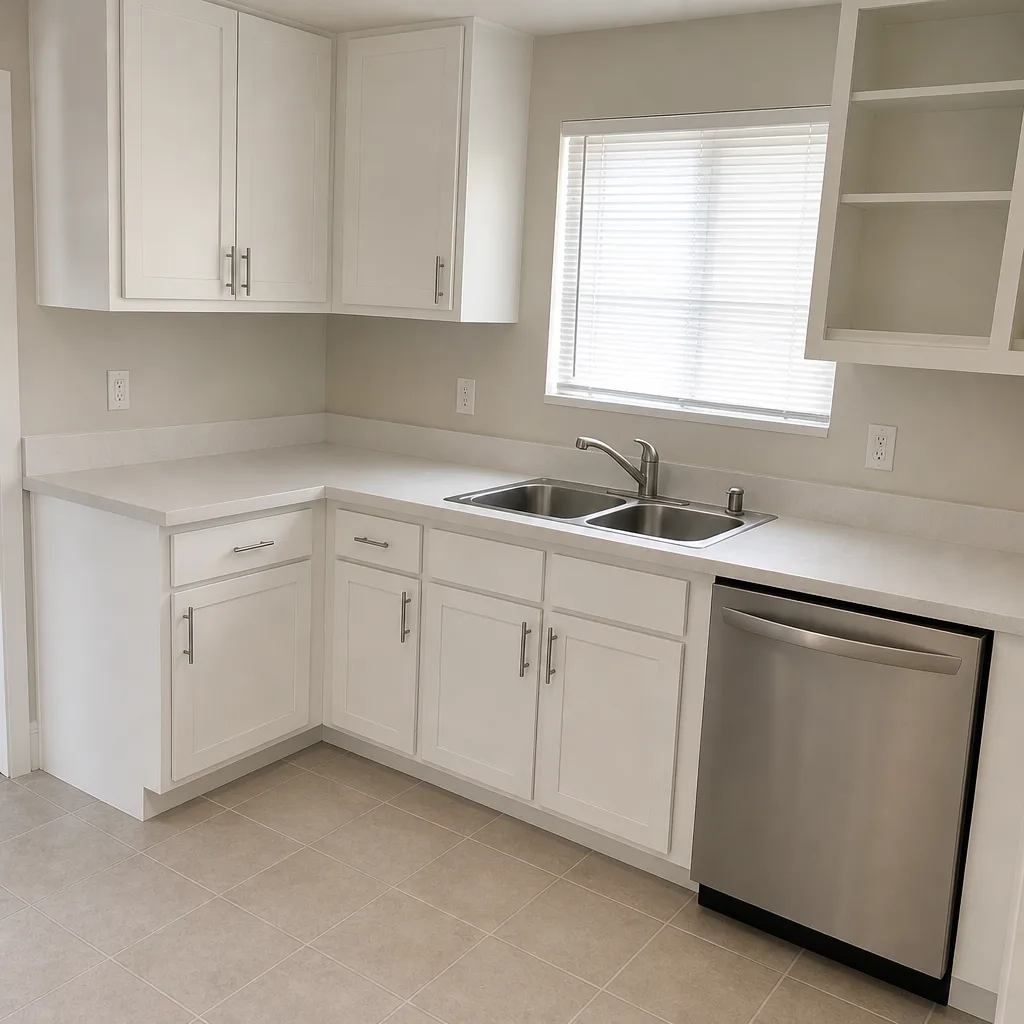 After
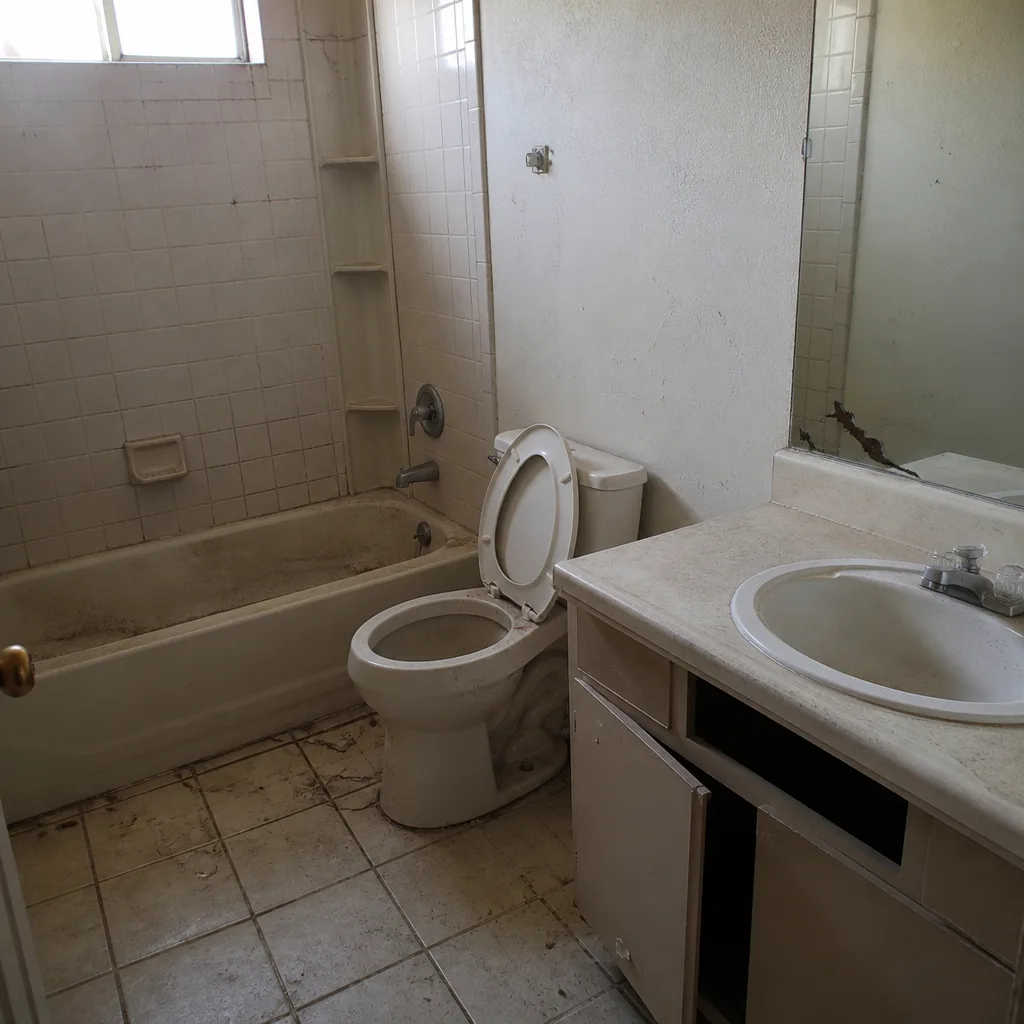 Before
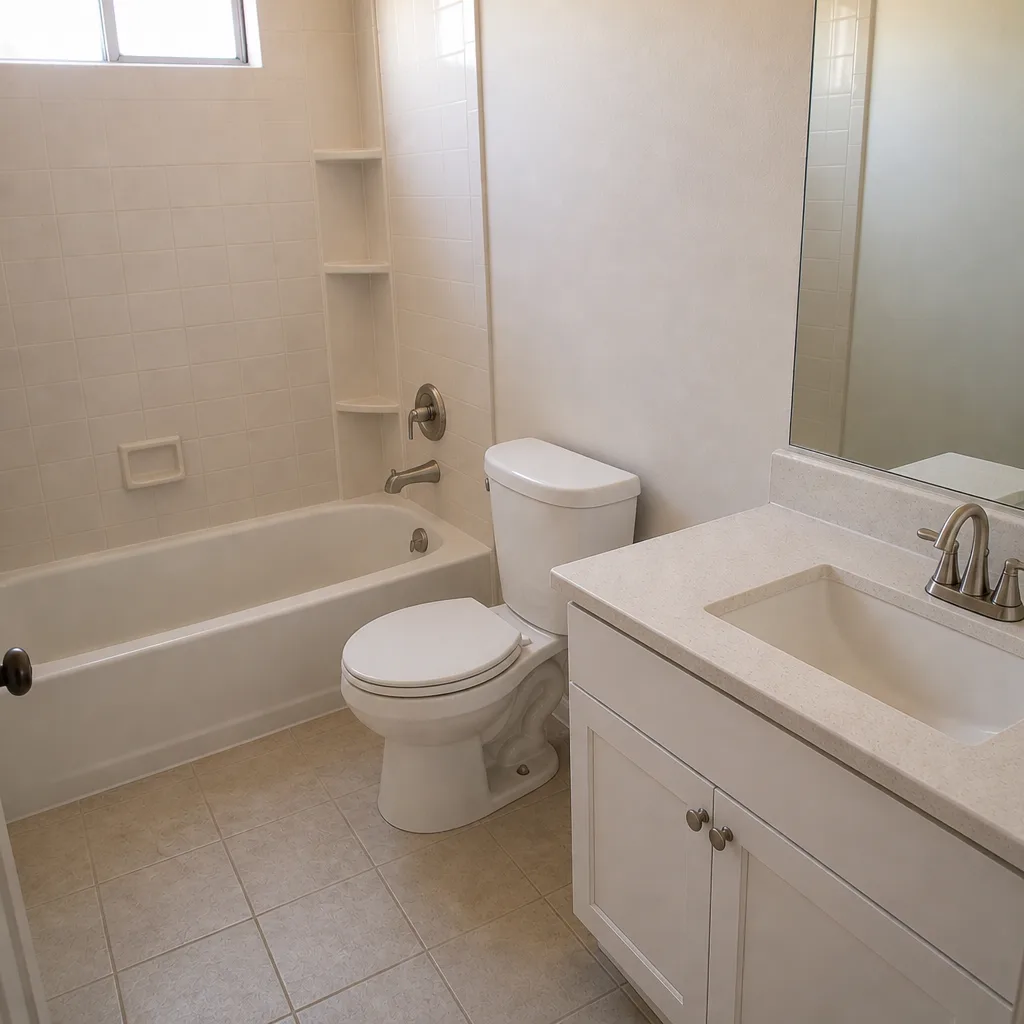 After
Frequently Asked Questions

The most important task is the pre-monsoon exterior inspection and reseal in May and June: window head flashings, roof penetrations, and every caulk joint at the stucco. A single failed joint can let more water into a wall cavity during one monsoon cell than a week of moderate rain would. Call (833) 721-7402 if you want a professional eye on it – estimates are free.
Hairline cracks are normal in Whitney’s thermal cycling and usually cosmetic. A crack becomes serious when it’s wider than a hairline, is growing between inspections, or runs at an angle across a wall. If you see any of those, document it with a photo and date and get a professional assessment before the next monsoon season.
Not the way a cold-climate homeowner would. Whitney’s winters are mild, so elaborate freeze protection and heat tape on every pipe is overkill. What matters is checking gas line connections, flushing the water heater and inspecting the anode rod, replacing worn weatherstripping, and having a sound roof before the cold front arrives. Skip the rest.
Summer is not the best time for the finishing phases. Drywall compound, tile thinset, and paint cure too fast in peak heat and can crack or check. The mechanical and rough-in phases are fine in summer. For finishing, plan your kitchen or bathroom project for October through April and you’ll get a better finish with fewer callbacks.
Not with us. Every homeowner gets a written price before any work begins, so the number on day one is the number on the invoice. There are no change orders for work we scoped and priced up front, and no verbal ballparks that balloon after demo day. Call (833) 721-7402 to schedule a free estimate.
Yes. Permits are part of the project scope, and we handle them as the contractor on record. The written price you receive up front includes the permit work. If a job requires an inspection, we schedule it and see it through; you’re not left chasing a sign-off after the crew leaves.
The Bottom Line
Whitney’s climate never looks dramatic, but the desert runs a steady campaign against your home’s exterior all year. The rhythm that protects a Whitney house is simple: seal the joints and flashings before the monsoon in May and June, watch the mechanical systems and avoid finishing work in the peak heat from July through September, document everything on an October walk-through, and do the short list of winter items that actually matter. Keep a written log with dates, photos, and product brands. Do that, and you’ll catch the small problems while they’re cheap and have the documentation to prove it when it counts. The rest of the time, let a professional handle what belongs to a professional.
Penhallow Remodeling Whitney offers free estimates for homeowners ready to turn a maintenance list into a finished project. Call (833) 721-7402 to schedule yours. You’ll get a written price before any work starts, a guaranteed arrival window, background-checked and uniformed technicians, and our 365-Day Done Right Promise in writing. We’re part of the Kingswell family of companies, operating to The Kingswell Way: say the price before the work, show up in the window we gave, and leave the place cleaner than we found it. A live person answers the phone 24/7.
Written by the team at Penhallow Remodeling Whitney.