Last updated November 18, 2026





Free written scope consultation - allowances, timeline, and change-order rules on paper before a single trade is scheduled
Bathroom Remodeling Warning Signs Every Homeowner Should Know
The warning signs that predict a bad bathroom remodel almost never show up during the work itself. They show up in the first ten minutes of the conversation, before anyone has looked at a single tile. Here’s the hook that should raise your eyebrows: if a contractor gives you a price over the phone without asking about your subfloor, your ventilation, or your existing plumbing configuration, that number isn’t an estimate. It’s a placeholder they’ll revise at the door once the tile is gone. We’ve watched homeowners in Whitney learn this the expensive way, and the pattern is always the same. This guide walks through the red flags that matter, from the verbal-estimate trap to the physical clues hiding inside your own bathroom right now.
Quick Answer
The biggest bathroom remodeling warning signs are a verbal-only price that never gets put in writing before demo starts, a contractor who can’t name who handles the plumbing and electrical, a contract loaded with vague “allowances” and “time and materials” clauses, skipped permits, and soft floors or moving grout that signal hidden water damage. Any one of these means the number you heard on day one will not be the number on your invoice.
Styles & brands we work with
- Kitchen remodeling
- Bathroom remodeling
- Home additions & ADU
- Roofing
- Windows & doors
- Driveway & pavers
- Fence
Table of Contents
- The Verbal-Estimate Trap
- When a Contractor Can’t Name Their Subs
- Reading the Contract for Cost-Shifting Language
- Physical Warning Signs Inside Your Bathroom
- Why Skipped Permits Cost You Later
- Spotting Scope Creep Before It Starts
- What a Bathroom Remodel Actually Costs in Whitney
- Common Mistakes to Avoid
The Verbal-Estimate Trap
A price that isn’t in writing before demolition starts is functionally meaningless. Not “risky.” Meaningless. There is no legal weight to a number spoken in your kitchen, and there is no practical weight either, because the moment the old tub comes out and something unexpected appears underneath, the contractor has every excuse to revise upward. The homeowner is left holding a memory of a number and a verbal promise that doesn’t survive contact with a change order.
This is the single most reliable predictor of a bad bathroom remodel, and it happens in the first ten minutes of the first conversation. When you call Penhallow Remodeling Whitney, the answer to “how much will this cost?” is a written price before any work starts. Every homeowner gets one. Not a range. Not a ballpark. A written number you can hold us to.
Here’s how to test for it:
- Ask directly: “Will you give me this price in writing before any work starts?”
- If the answer is “we’ll firm it up after demo,” walk. Demo reveals conditions, but a professional budgets for that uncertainty in advance rather than billing you for it later.
- Ask what’s included and what isn’t. A written price that excludes waterproofing, permit fees, or disposal isn’t a price. It’s a starting point.
- Compare two written quotes line by line, not verbally over the phone. The line items are where the real differences live.
At Penhallow, the number on day one is the number on the invoice. That’s not a slogan; it’s the anchor of bathroom remodeling in Whitney done the Kingswell Way: say the price before the work, show up in the window we gave, leave the place cleaner than we found it.
When a Contractor Can’t Name Their Subs
Ask any contractor: “Who’s doing the plumbing and the electrical?” If the answer is vague, run. A bathroom is the most plumbing-and-electrical-dense room in the house, and almost every remodel involves a licensed plumber moving a drain, a licensed electrician adding a GFCI circuit, and often a tiler working over waterproofed substrate. A general contractor who can’t tell you, by name, who pulls those permits and who does that work is either subcontracting on the fly or trying to do it all with unlicensed hands.
Subcontractor chaos is one of the most common reasons a three-week bathroom turns into a nine-week one. In Whitney, where new builds and older stock sit side by side, we’ve seen jobs stall for weeks because the plumber was double-booked while the tile sat in the garage.
- Red flag: “My guy handles all of that.” Ask which licensed tradesman and which license number, and confirm it.
- Red flag: The contractor can’t tell you the order of operations. Plumbing rough-in comes before tile; a pro knows the sequence cold.
- Clean signal: A written schedule with the plumbing rough-in, electrical, waterproofing inspection and tile days spelled out, plus who signs off at each stage.
Penhallow’s technicians are background-checked and arrive in uniform, and you’ll know exactly who is walking into your home before they knock. That’s the standard operating practice, not a favor.
Reading the Contract for Cost-Shifting Language
The overrun risk is usually buried in the contract before a single cabinet is pulled. Two phrases matter more than any other: allowances and time and materials. An allowance is a placeholder budget for a material choice (tile, fixtures, vanity) that looks like a fixed cost but isn’t. If you spend more than the allowance, you pay the difference. A “time and materials” clause means you pay for whatever it takes and however long it takes. Both shift overrun risk from the contractor’s shoulders onto yours.
Watch for these specific phrases when you read the contract:
- “Allowance” anywhere in the pricing. Ask what happens if you go over, and by how much you’re expected to stay under.
- “Time and materials” or “T&M” in the payment terms. That’s an open-ended bill.
- “Plus materials” tacked onto a labor figure. That’s not a written price; it’s half a price.
- “Change order as needed” with no defined process or signature requirement. A change order should be a written, signed document, not a phone call.
- Verbal deposit requests before a written contract exists. Never pay a deposit on a handshake.
You want a fixed price with a defined change-order process: no work happens on a change without a written, signed agreement. That’s what “fixed pricing with no change orders” means in practice. A written price before work starts, a written guarantee on every project, and a 365-Day Done Right Promise that says if the work fails inside the guarantee period, we come back and fix it at no charge.
Physical Warning Signs Inside Your Bathroom
Your existing bathroom is talking to you right now. Three physical signs predict that hidden scope creep is coming, which means the job will cost more than any verbal estimate accounted for. Look before you call anyone.
- Soft floors near the toilet base. Press around the base of the toilet with your thumb. If the floor gives even slightly, water has been reaching the subfloor for a while, and the repair is bigger than the visible damage suggests. That’s a joist-and-subfloor conversation, not a cosmetic one.
- Peeling paint on ceiling drywall. Paint bubbles or peels where moisture condenses. Directly above a tub or shower, it usually means the exhaust fan isn’t venting, or it’s venting into the attic instead of outside. Fix that first or the new tile grows mold behind it.
- Grout that moves when pressed. Press a finger against grout along a shower wall. If it shifts, the substrate (the moisture-resistant layer behind the tile, usually cement board) has flexed or failed. That’s a tear-out, not a regrout.
These signs change the job’s scope, and a contractor who glosses over them to keep a low verbal number is the contractor you want to avoid. In Whitney, older bathrooms with original vent fans and older drainage are common enough that we always check ventilation and subfloor condition before we quote.
Why Skipped Permits Cost You Later
A contractor who skips the permit isn’t saving you money. They’re shifting risk onto you, and it surfaces at the worst possible time: when you sell. In Nevada, bathroom work that involves moving plumbing or adding electrical requires a permit and inspection. Unpermitted work can stall a sale, force a buyer’s inspector to demand a tear-out, or leave you responsible for correcting code violations you didn’t even know you had.
When a permit is pulled, the work is inspected. The plumbing rough-in is checked before the tile goes down. The electrical gets signed off. If it fails, it gets corrected before walls close. That inspection is your layer of protection, and it costs a fraction of what a failed sale costs.
- Ask the question directly: “Are you pulling the permits, and will you give me the inspection records?”
- Confirm the licensed trades are on the permit: in many cases a licensed plumber and electrician each pull or appear on a permit for their portion.
- Ask what’s inspected: plumbing rough-in, electrical, water heater, and venting all commonly get reviewed before final sign-off.
Penhallow pulls the permits and stands behind the inspections. Our general contractor in Whitney work is built on that assumption: a paper trail protects everybody.
Spotting Scope Creep Before It Starts
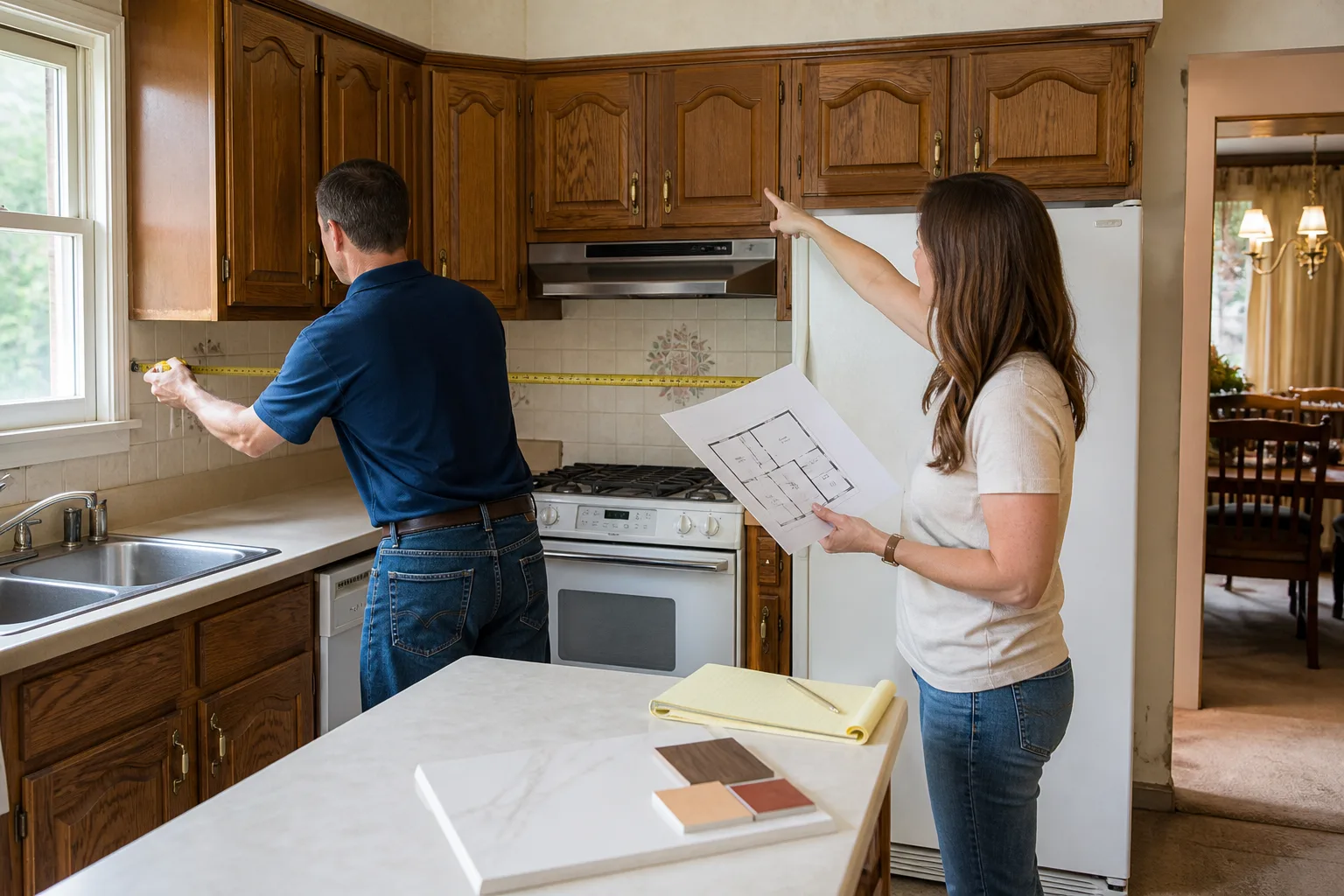
Scope creep is the quiet cost overrun. It begins when the project brief is vague, and it grows every time a small “while we’re in there” gets added without a written price for it. A contractor who quotes from a phone call with no measurements or drawings is inviting it. So is one who only bids on the pretty parts (tile and fixtures) and leaves the “while we’re in there” items (subfloor, plumbing, venting) out entirely.
How to preempt it:
- Get the scope in writing before pricing: what’s removed, what’s replaced, what’s inspected, what’s finished.
- Walk the room together and note the “maybes” (a possible leak, a possible drain move) in writing before demo.
- Define a change-order process: no addition happens without a written, signed agreement.
- Ask what the contractor’s schedule contingency is if something discovered is bigger than the quote.
In our experience across Whitney, the bathrooms that go smoothly are the ones whose scope was locked down before anyone touched a wall. A written, line-item price isn’t just a number; it’s the map that keeps the job on the road. It’s the same discipline that underpins our Penhallow Remodeling Whitney home standard.
What a Bathroom Remodel Actually Costs in Whitney
Prices vary with size, layout, and material grade, but here’s the range homeowners in Whitney should expect. A cosmetic refresh (paint, fixtures, and new vanity without moving plumbing) typically runs $6,500 – $14,000. A full bathroom remodel with a shower rebuild, new tile, plumbing adjustments, and electrical work usually lands $18,000 – $38,000. A gut remodel with layout changes and premium finishes runs $40,000 – $65,000 or more. Every number below should be a fixed line item, not a ballpark.
- Full gut and rebuild, standard finishes: $18,000 – $30,000
- Shower and tub rebuild with custom tile: $10,000 – $16,000
- Vanity and countertop replacement: $1,800 – $4,500
- Plumbing and electrical rough-in adjustments: $1,200 – $3,500
- Waterproofing and substrate replacement: $2,000 – $5,000
- Permit and inspection fees: $300 – $700
The material brand matters to the number and to the guarantee. KraftMaid and Wellborn cabinetry, Kohler and Moen fixtures, and Cambria quartz countertops all carry their own warranties alongside ours. That’s two layers of protection behind the same vanity. When you’re talking about the visible work, you should also be hearing about the brand behind it. If you’re planning more than one room, kitchen remodeling in Whitney uses the same written-price standard.
Common Mistakes to Avoid
- Accepting a verbal estimate without a written price before demo. The number you heard and the number you pay will not match, and you’ll have no paper trail to argue with.
- Paying a deposit on a handshake before a contract exists. In Whitney, the reputable contractors will always put terms in writing first; a verbal deposit request is a red flag you can’t undo.
- Hiring a contractor who won’t name the plumber or electrician. That silence is the difference between a scheduled job and a stalled one, and it delays your bathroom every single time.
- Signing a contract with unnamed “allowances” and no cap. An open allowance is an open invoice, and the overrun lands on you, not the contractor.
- Skipping permits to save a few hundred dollars. What it costs to fix at the closing table is many times what the permit cost, and it can stop a sale dead.
- Budgeting for the pretty parts only. Older bathrooms in Whitney commonly need new substrate, venting, or a drain adjustment, and that’s exactly where hidden scope appears.
- Chasing the lowest bid. A price low enough to raise questions usually rests on skipped permits, off-budget materials, or a number that will grow. A written, itemized number you can compare is worth more than a cheap one.
See the difference
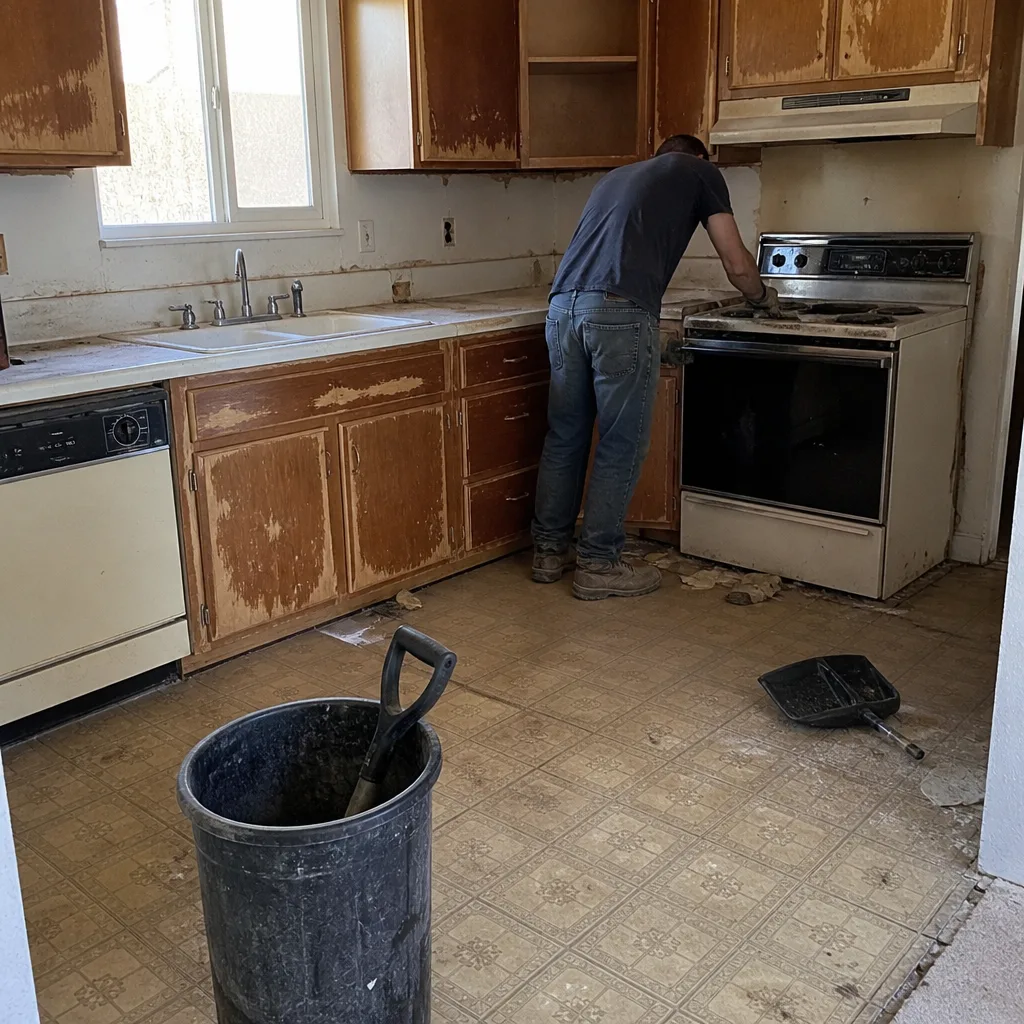 Before
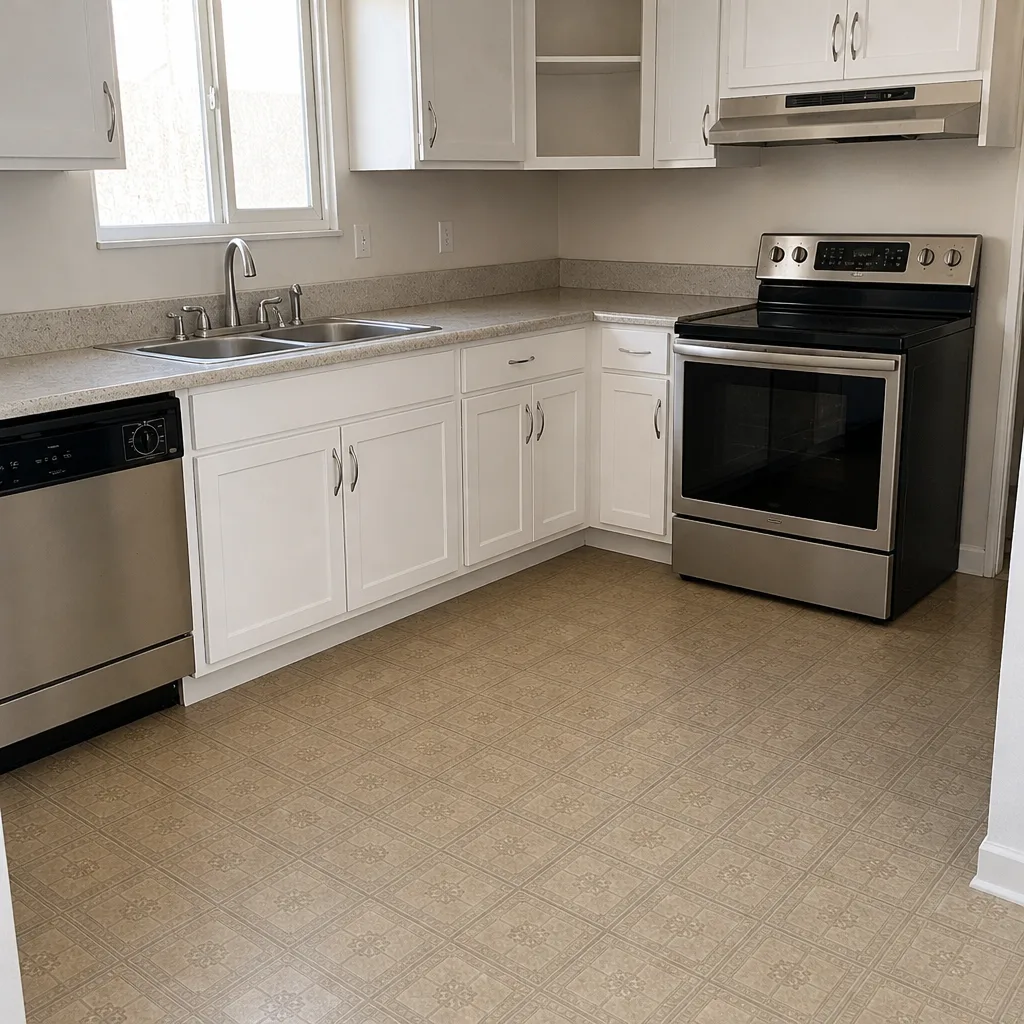 After
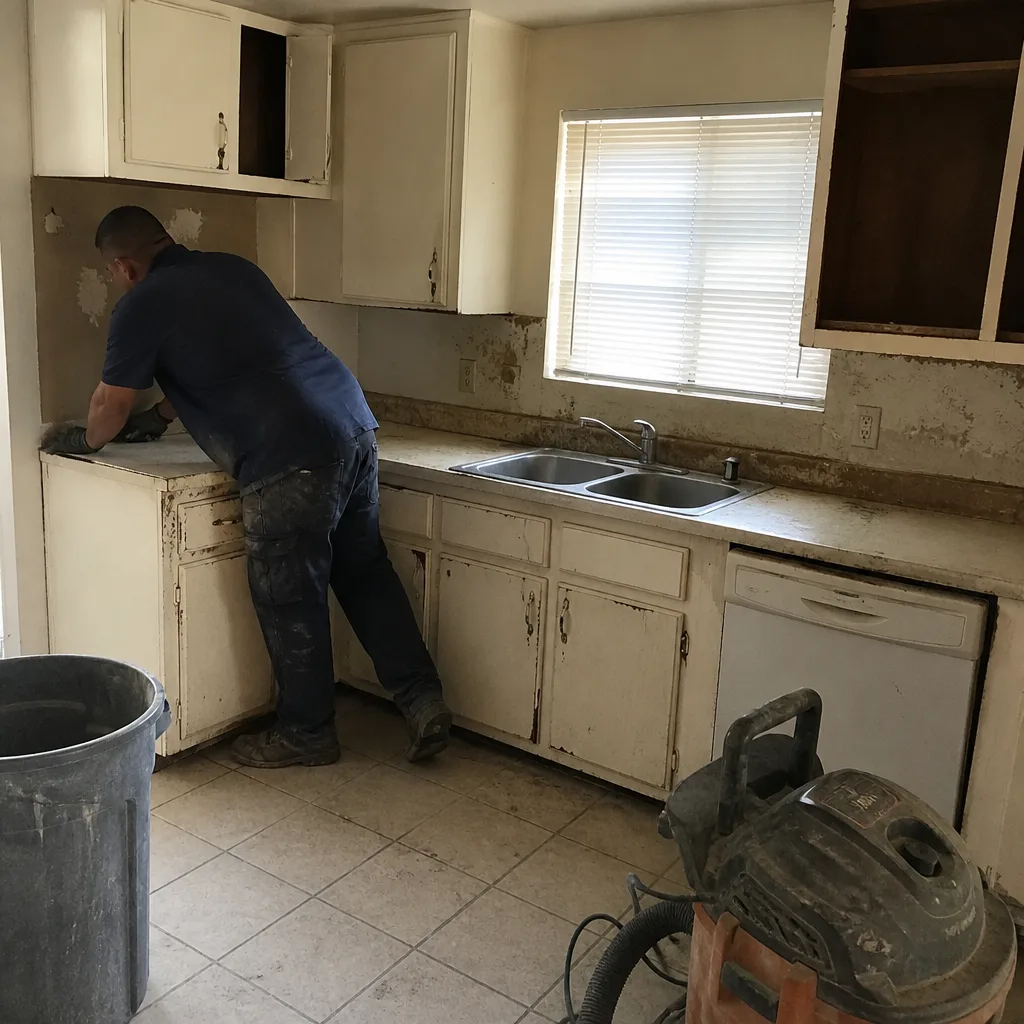 Before
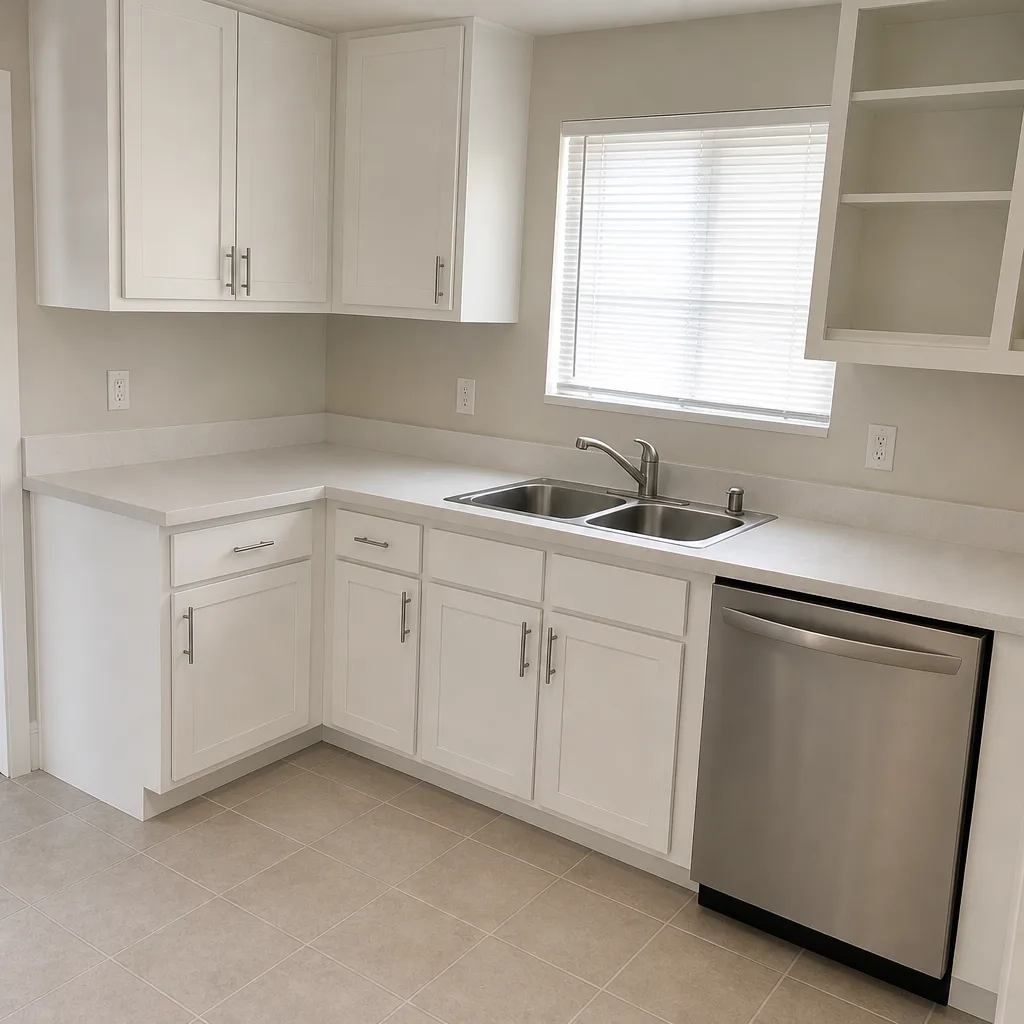 After
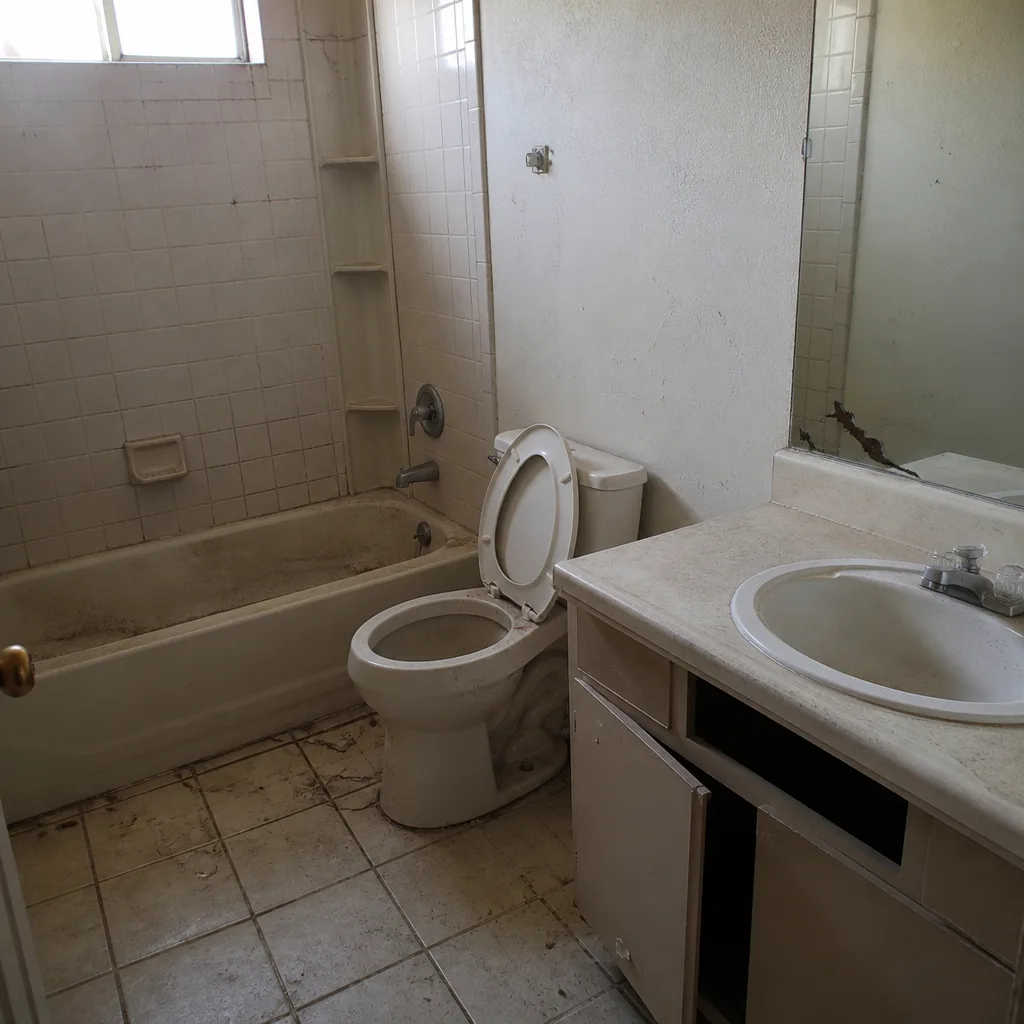 Before
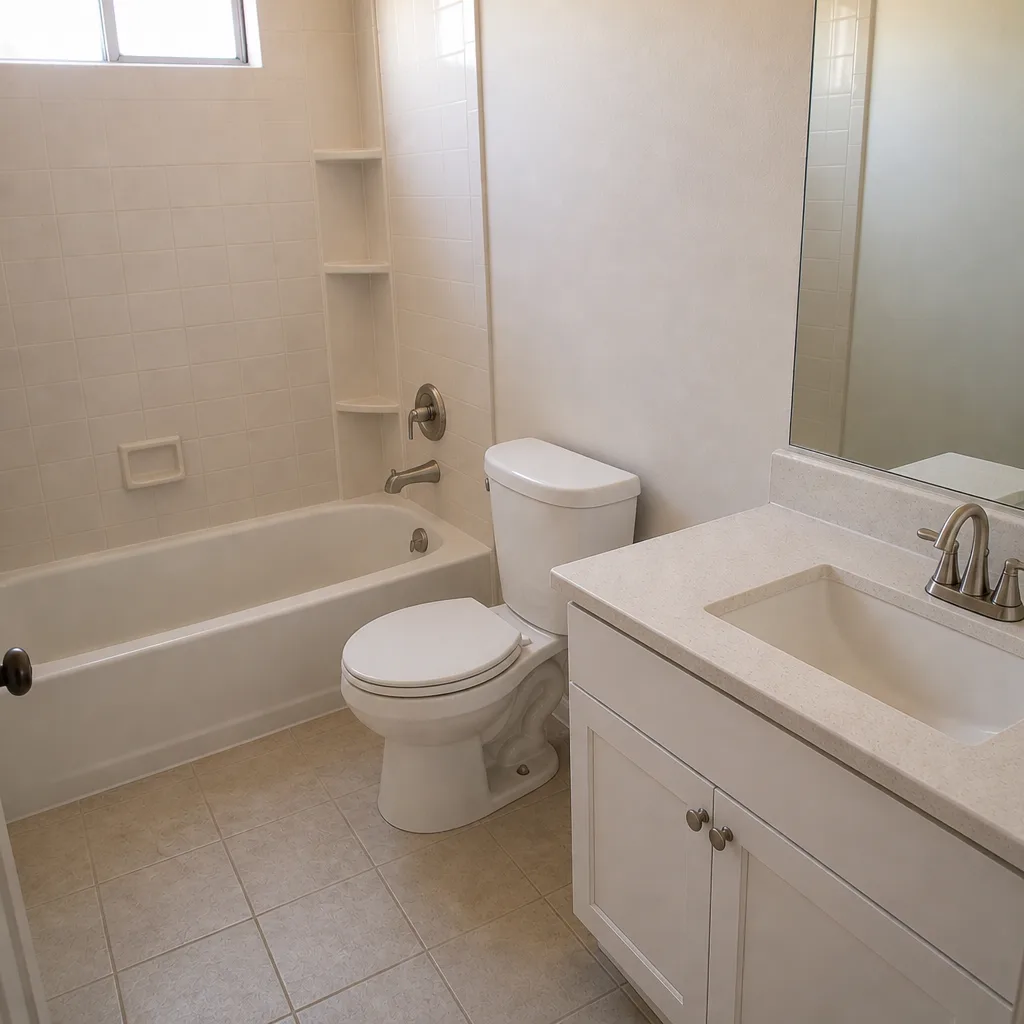 After
When to Call a Professional
Call a professional the moment any of these appear: a soft floor around the toilet base, grout that moves under a little pressure, peel on the ceiling above the shower, water stains near the tub surround, or a fixture that no longer seats flat. Each of these points to a problem behind the surface, and behind-the-surface problems are the ones a DIY patch never fixes. The same is true the moment a contractor hesitates on paper: no written price, no named sub, no permit pulled. Those are the signals to get a second opinion and a written number. Penhallow Remodeling Whitney offers free estimates in Whitney. Call (833) 721-7402 to schedule one, and we’ll walk the room with you before a single tile is moved.
Frequently Asked Questions
The most common warning sign is a contractor who gives you a price without ever asking about your subfloor, ventilation, or plumbing layout. That number is a placeholder, not an estimate. Call Penhallow at (833) 721-7402 for an exact written quote; estimates are free.
In Whitney, a cosmetic refresh runs $6,500 – $14,000, a full remodel with shower rebuild and plumbing and electrical work typically lands $18,000 – $38,000, and a gut remodel with a layout change runs $40,000 – $65,000 or more. A written line-item quote is the only way to compare two bids fairly. Call (833) 721-7402 for an exact quote on your room.
Not on a properly written contract. The number on day one should be the number on the invoice; a change order is only valid when it’s written and signed before the extra work happens. Penhallow gives every homeowner a written price before work starts, backed by the 365-Day Done Right Promise.
Yes. Penhallow pulls the permits and stands behind the inspections, because unpermitted bathroom work can stall a sale or force a tear-out later. If a contractor tells you the permit isn’t needed, ask them to put that in writing; they usually won’t.
A cosmetic refresh takes about 1 – 2 weeks, a full remodel runs 3 – 5 weeks, and a gut remodel with a layout change can run 6 – 8 weeks or more. The schedule depends on permit timelines and the plumbing and electrical rough-in. Call (833) 721-7402 and we’ll give you a written schedule before any work starts.
If the work fails inside the 365-day period, Penhallow comes back and fixes it at no charge, covered in writing on every project. That includes the free second visit if a repair fails: no service call and no re-inspection fee. Call (833) 721-7402 to get the guarantee in writing before you sign anything.
The Bottom Line
The red flags that matter are almost all visible before work starts: a price that isn’t in writing, a contractor who can’t name the plumber or electrician, a contract loaded with allow