Last updated November 18, 2026








Free written scope consultation - allowances, timeline, and change-order rules on paper before a single trade is scheduled
How Long Does General Contractor Take? Timelines and What to Expect
A kitchen remodel that runs six weeks in Henderson can run nine in Whitney, and not because the crews here are slower. The inspector schedule, the tile delivery route, and the electrician’s drive radius are all different variables, and almost no timeline guide accounts for them. We’ve watched homeowners set a move-out date based on a national magazine’s “average project length” and then lose a deposit on an apartment they didn’t need. This guide gives you the scope-by-scope timelines we actually work to around Whitney, with the buffers built in rather than stripped out, so you can plan a renovation that doesn’t collide with your life.
Quick Answer
A bathroom remodel in the Whitney area typically takes 3 to 5 weeks, a kitchen 6 to 9 weeks, a room addition 4 to 6 months, and a whole-home remodel 6 to 10 months. The structural work is rarely what stretches a schedule; permits, finish selections, and change orders are. Add two to three weeks on any project starting near a holiday or the end of a county fiscal quarter.
Styles & brands we work with
- Kitchen remodeling
- Bathroom remodeling
- Home additions & ADU
- Roofing
- Windows & doors
- Driveway & pavers
- Fence
Table of Contents
- Scope-by-Scope Timelines for Whitney-Area Projects
- How Clark County Permit Timelines Affect Your Start Date
- The Three Decisions That Add the Most Time
- Why a Written Schedule With Milestone Dates Matters
- Substantial Completion vs. Move-In Ready
- Trade Brands, Materials, and Lead Times
- Why Whitney Operates on a Different Clock
- Common Mistakes to Avoid
Scope-by-Scope Timelines for Whitney-Area Projects
These ranges assume a permit is pulled, materials are ordered before demo day, and no structural surprises turn up behind the drywall. When we quote a timeline to a homeowner in Whitney, this is the shape of it.
- Bathroom remodel: 3 to 5 weeks. A hall bath with a tub-to-shower conversion and new tile runs closer to three; a primary bath with a curbless shower, relocated plumbing, and a double vanity runs closer to five. Waterproofing and cure time for the mortar bed add days you can’t compress.
- Kitchen remodel: 6 to 9 weeks. Cabinet lead time from KraftMaid or Wellborn is often the longest single item, at 4 to 6 weeks, so we order before demo. Countertop templating happens after cabinets are set, and Cambria or Silestone fabrication adds another 7 to 12 days.
- Room addition: 4 to 6 months. Foundation, framing, rough-in inspections, and dry-in each take a real chunk, and inspections are the wildcard.
- Whole-home remodel: 6 to 10 months. This is really several projects sequenced around one another, and the sequence matters more than the total.
For a deeper look at what a remodel in this area entails, our Penhallow Remodeling Whitney home page lays out the services and how we scope a job. If you’re focused on a single room, the Kitchen Remodeling in Whitney guide walks through the cabinet, countertop and layout decisions that drive both cost and calendar.
How Clark County Permit Timelines Affect Your Start Date
Permits are where most timelines quietly break. Clark County Building Department review for a straightforward bathroom or kitchen alteration often runs 2 to 4 weeks for a residential over-the-counter or expedited submittal. That window stretches when the submittal lands in a busy stretch, and there are two predictable busy stretches that catch homeowners off guard.
- The holiday cluster. Any submittal that clears review in the two weeks before Thanksgiving or Christmas risks landing when the county is on reduced staffing. A 3-week review can become 5 weeks with no error on anyone’s part. Start the paperwork in early November or wait until mid-January.
- The end of the fiscal quarter. County departments process a backlog near quarter-end as they close out the period, and the response time on resubmittals slows. If your project needs a resubmittal, the second trip through review is where the calendar really moves.
Unincorporated Clark County (which includes parts of the Whitney area) can differ from the incorporated city on inspection scheduling. We schedule inspections as soon as a phase is ready, but the county sets the day. That’s why a written schedule builds in a buffer around each inspection rather than booking the next trade for the following morning. A missed inspection can cost a week; a schedule that assumes inspections happen on demand can cost three. If you’re comparing contractor scopes and timelines, our General Contractor in Whitney page covers how we handle permitting and inspection sequencing on every job.
The Three Decisions That Add the Most Time
In our experience, the three biggest schedule-killers have nothing to do with tools. They’re choices made before a single cabinet is pulled, and each one can add two to four weeks if it slips.
1. Finish selection delays
Tile, cabinet door style, countertop slab, and fixture finish are not interchangeable after rough-in. When a homeowner is still choosing a backsplash three weeks into a kitchen remodel, the whole job waits for that decision, and the countertop template slides with it. We ask for a signed finish schedule before demo, and we write it into the contract so there’s a deadline. If you’re stuck between Cambria quartz and a Silestone or Caesarstone option, pick before demo, not during it.
2. Change orders
Adding a pot filler or moving an outlet after the drywall is up is not a small ask; it reopens finished walls and re-sequences the trades. A change order adds a paper approval step, a material lead time, and a rework day. Multiply that across three small changes and you’ve added a week or more to a Whitney kitchen.
3. Financing approval gaps
Construction and home-equity financing can take two to six weeks to clear, and a job can’t start until the money is committed. When a homeowner is approved but not yet funded, the start date moves. We ask for proof of funding before we book a start date so the schedule isn’t built on an assumption.
Why a Written Schedule With Milestone Dates Matters
A start date and an “estimated finish” is not a schedule; it’s a hope with a calendar attached. A real project schedule breaks the job into phases, each with a named milestone date: demo complete, rough-in inspected, cabinets set, countertops templated, tile complete, final inspection, punch list closed. When each phase has a date, a slip is visible the day it happens rather than at the end.
- Demo and rough-in inspection by [date].
- Cabinets delivered and set by [date]. Order 4 to 6 weeks ahead of that date.
- Countertop template the day cabinets are set; fabrication 7 to 12 days after.
- Tile and finish work complete by [date].
- Final inspection and punch list by [date].
The practical value is recourse. If a phase slips and there’s no written milestone, there’s nothing to compare against. With milestone dates in hand, you can ask a specific question (“the cabinets were due Tuesday, what happened?”) and get a real answer, not a shrug. This is where a written price before work starts and a written schedule work together: the price tells you what you’re paying, and the schedule tells you when each piece arrives.
Substantial Completion vs. Move-In Ready
This is the distinction that catches homeowners living in a half-finished house. Substantial completion is a legal term: the work is complete enough that the owner can occupy the space for its intended use, even though punch-list items remain. Move-in ready means the punch list is closed too: the last outlet plate is on, the touch-up paint is dry, the appliance installs are done.
In a contract, substantial completion typically triggers final payment and starts the warranty clock. That’s fine and normal. The problem is when a homeowner hears “substantial completion on the 30th” and moves furniture in that weekend, then discovers the shower glass is on backorder and the bathroom is unusable for another three weeks. We’ve seen this happen in Whitney more than once, and it’s avoidable. Ask specifically: “When the contract says substantial completion, what’s on the punch list, and when does each item close?” A good contractor will give you a written punch list with dates. If the answer is vague, that’s your signal.
Trade Brands, Materials, and Lead Times
Material lead time is the quiet variable in every schedule, and the brands we install mostly run on known clocks. Cabinet orders from KraftMaid and Wellborn to this area generally run 4 to 6 weeks from approved order to delivery. Cambria, Silestone, and Caesarstone countertops depend on whether the slab is in stock at fabrication or needs to be cut, so a templated job usually lands in 7 to 12 days. James Hardie siding for additions runs on a stable timeline when the order is placed early; the risk is re-ordering a short quantity after the fact.
Exterior products on additions are where lead times can bite. Roofing underlayment and shingles from Tamko, siding and trim from Boral, and windows and doors from PGT can each run several weeks depending on the specific profile and finish, and a custom window order can run longer than the framing phase itself. CGI doors on an addition are ordered at framing, not at drywall. The lesson is simple: the material order date is a milestone on the schedule, and any contractor who doesn’t name it is guessing at the finish date.
Why Whitney Operates on a Different Clock
Most national timeline guides assume a market with a deep subcontractor bench, where an electrician, a tile setter, and a plumber can each be swapped for three backups in the same week. That’s not Whitney. The trades here cover a wider drive radius, which means a single crew can be in Whitney on Monday, twenty minutes north on Tuesday, and back on Wednesday. That’s not a crisis, but it does mean the sequencing on a Whitney job has to be realistic about drive time, and a contractor who books three trades for the same day is setting up a no-show.
There’s also the climate. Tile and mortar need time to cure, and the dry heat here speeds some steps and stresses others: setting materials dry faster in summer, which is fine for a tile setter who knows it and miserable for one who doesn’t. A July kitchen remodel can actually move faster than a January one on most steps, but only if the crew adjusts. We plan cure time into the schedule for Whitney jobs and don’t shortcut it to hit an arbitrary finish date.
For homeowners thinking through more than one room, the Bathroom Remodeling in Whitney guide covers how a bath timeline interlocks with a kitchen when both are underway.
Common Mistakes to Avoid
- Booking a move-out date from a national average. A six-week kitchen estimate from a marketplace site is a best case for a deeper market. Add two to three weeks for the Whitney area and a buffer around any holiday or quarter-end.
- Choosing finishes during demo. The first week of a kitchen remodel is demo and rough-in; there is no slack in it for tile decisions. A signed finish schedule before demo is a schedule-saving move, not paperwork.
- Approving a change order verbally. A verbal “yes” to moving an outlet after drywall has no paper trail and no revised schedule. Written change orders keep the timeline honest.
- Starting financing after the permit is pulled. Funding takes two to six weeks to clear and should be locked before a start date is booked.
- Ignoring the punch list date. Substantial completion is not move-in ready. Get the punch list in writing with a close-out date.
- Letting a permit submittal land the week before Thanksgiving or the fiscal quarter close. The review clock slows and the start date slides with it. Time the submittal away from those windows.
- Ordering cabinets after demo. A 4 to 6 week cabinet lead time started on demo day pushes a six-week kitchen to nine. Order at contract signing, not at demo.
See the difference
 Before
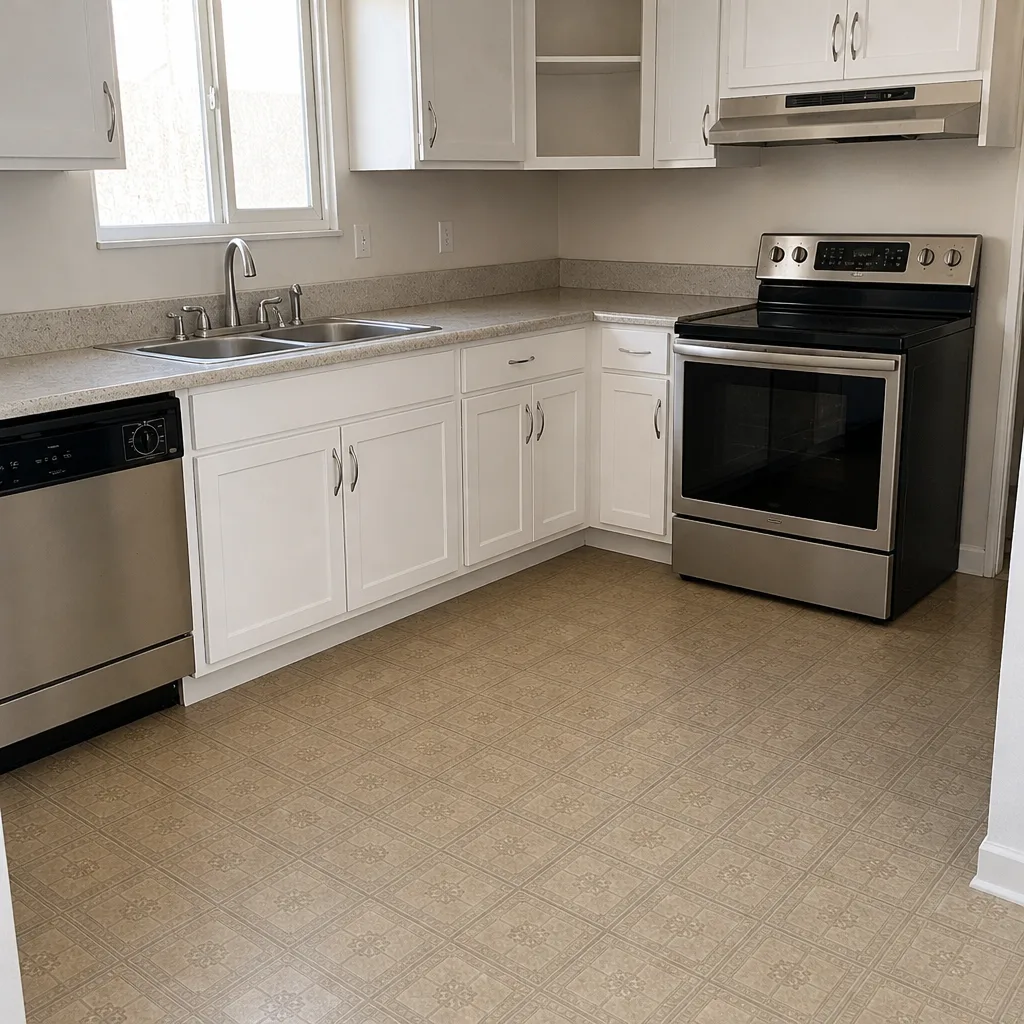 After
 Before
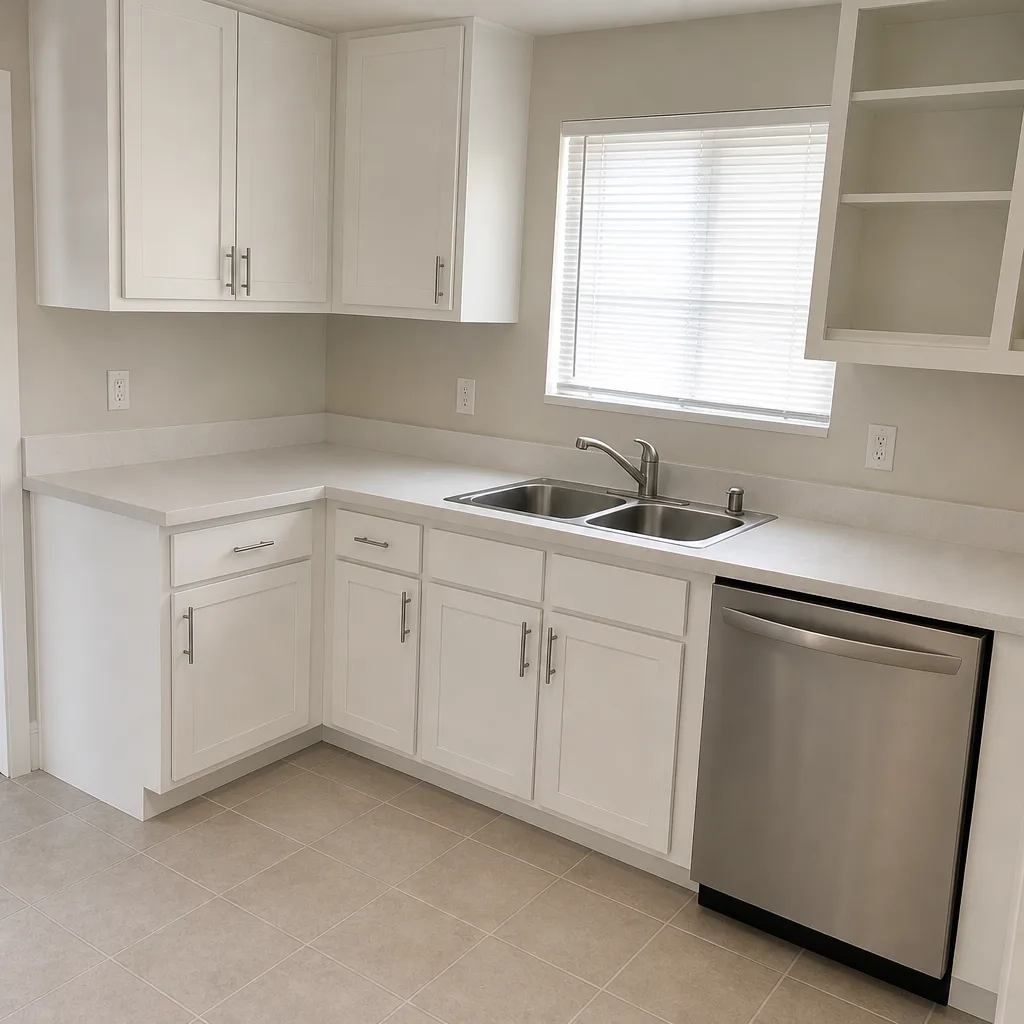 After
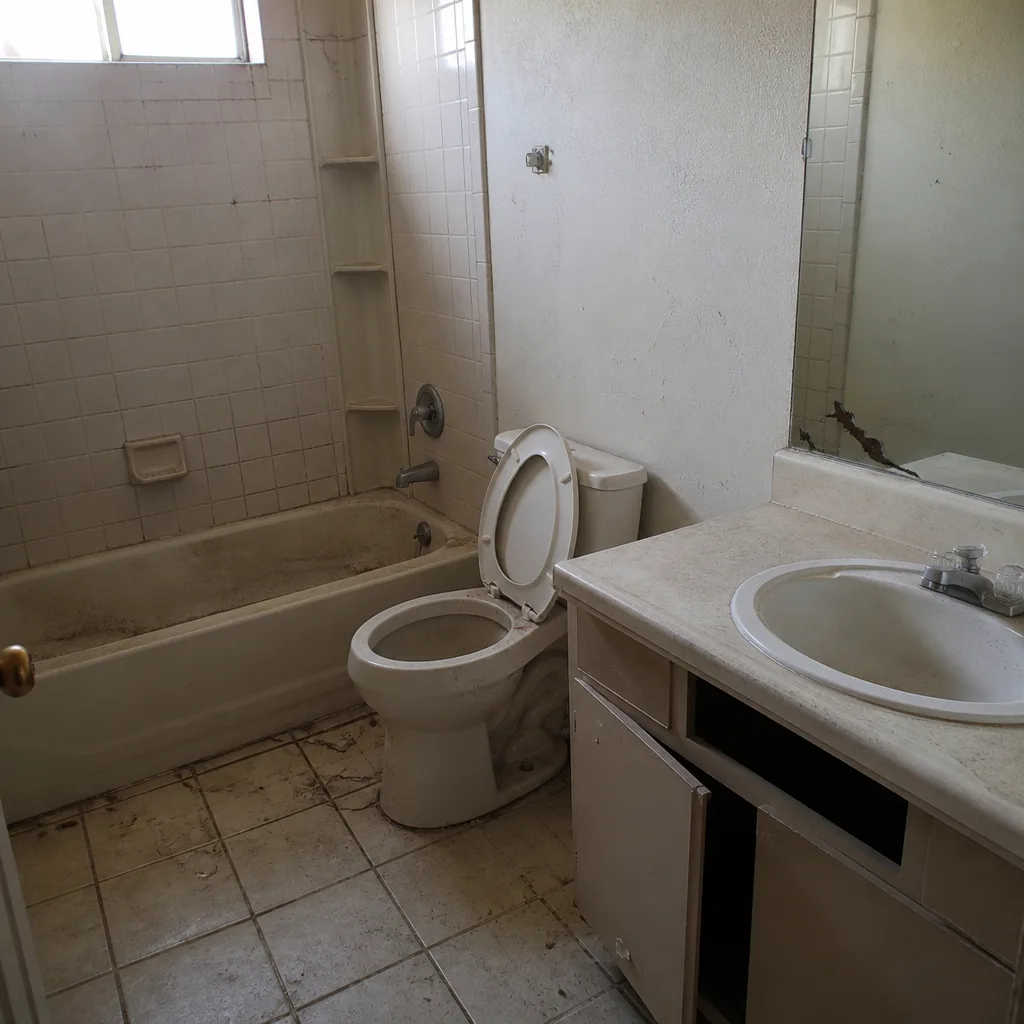 Before
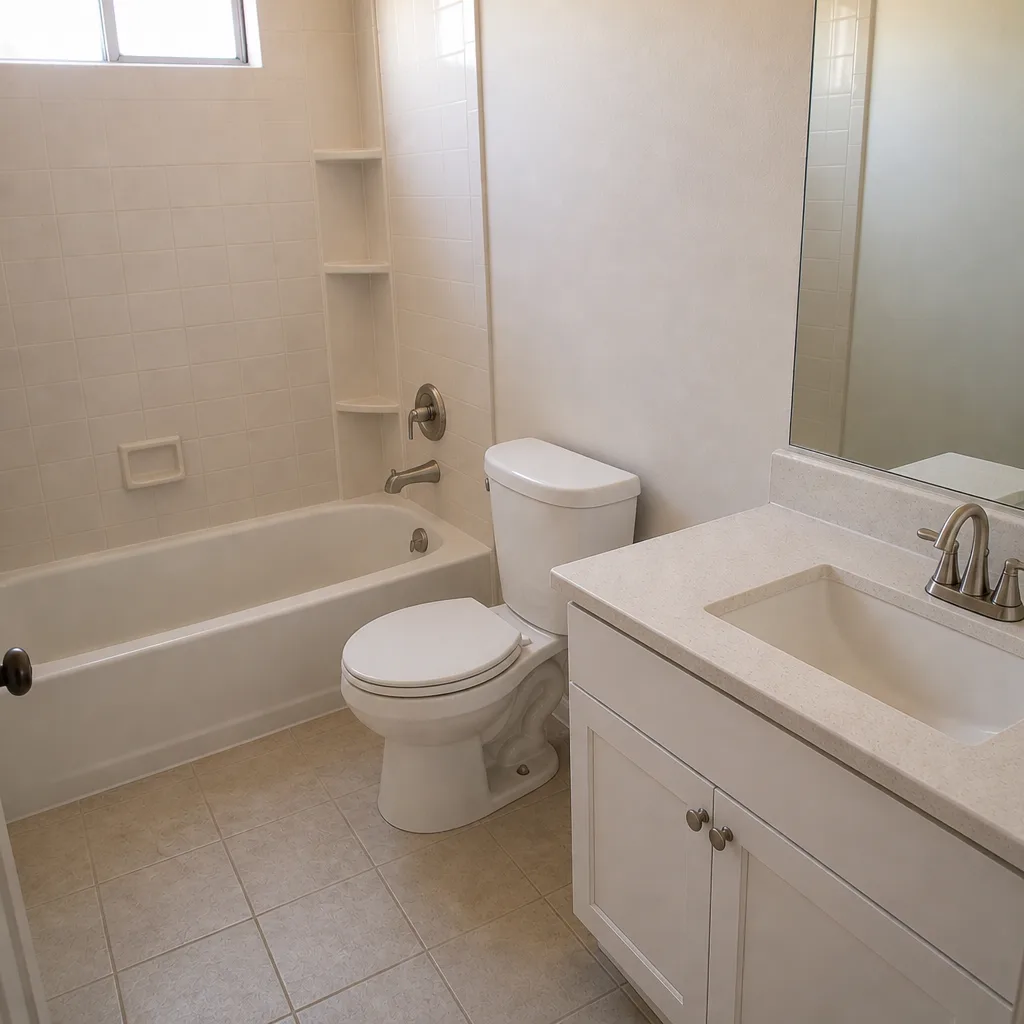 After
When to Call a Professional
Some projects are fine to handle yourself; most of the ones on this page aren’t. Call a professional when the scope touches plumbing relocation, electrical panels or new circuits, gas lines, or any load-bearing wall. That last one is the one homeowners most often underestimate: taking out a wall that carries load requires structural engineering and a permit, and the inspection is not optional. Steep-roof and height work on an addition falls in the same category. Beyond safety, call a pro when the project has a hard move-in date, when the scope is larger than one room, or when a prior renovation is in place and you don’t know what’s behind the wall. Penhallow Remodeling Whitney offers free estimates in Whitney. Call (833) 721-7402 to schedule yours. Every project gets a written price before any work starts and a written schedule with milestone dates, so the number on day one is the number on the invoice.
Frequently Asked Questions
A whole-home remodel in Nevada typically runs 6 to 10 months, a kitchen 6 to 9 weeks, a bathroom 3 to 5 weeks, and an addition 4 to 6 months. The structural work is rarely the bottleneck; permits, finish selections, and change orders are what move the finish date. Add two to three weeks for any project starting near a holiday or the end of a county fiscal quarter. Call (833) 721-7402 for an exact timeline on your project – estimates are free.
Yes, typically 2 to 4 weeks for a residential bathroom or kitchen alteration, and longer if the submittal needs a resubmittal. Unincorporated Clark County and the incorporated city can differ slightly on inspection scheduling, and the county sets the inspection day regardless of who you hire. A missing inspection can cost a week, so a written schedule should build a buffer around each one.
Only if something hidden turns up or a change order is approved. In a well-scoped job with finishes chosen before demo, the milestone dates hold. The problems come from opening a wall and finding old plumbing, or from a homeowner deciding on a different countertop mid-project. When a phase slips, a written schedule gives you the date to compare against and a specific question to ask.
Substantial completion means the project is usable for its intended purpose, though punch-list items remain; it’s not the same as move-in ready. Final payment and the warranty clock typically start at substantial completion, and the punch list closes afterward. Ask for the punch list in writing with a close-out date before you move furniture in, or you can end up living with an unusable bathroom while a backordered shower glass arrives.
Not longer, but it can move faster if the crew plans for it. Mortar and setting materials cure faster in the summer, which shortens some steps and punishes crews that don’t adjust. In our experience, a July bathroom in Whitney can finish a few days ahead of a January one, but only when the schedule plans the cure time rather than skipping it.
Yes. Permits are pulled and inspections scheduled as part of the job, and inspection sequencing is built into the written schedule. The county sets the inspection day, so the schedule buffers around it rather than booking the next trade the following morning. Call (833) 721-7402 to talk through permitting on your project.
The Bottom Line

Realistic timelines come from the local variables, not from a national average. In the Whitney area, a bathroom runs 3 to 5 weeks, a kitchen 6 to 9 weeks, an addition 4 to 6 months, and a whole-home remodel 6 to 10 months, with permits, finish selections, and change orders doing the most damage when they slip. Get a written schedule with milestone dates, order materials before demo, confirm funding before the start date, and know the difference between substantial completion and move-in ready. The number on day one should be the number on the invoice, and every project should carry the 365-Day Done Right Promise in writing. Call (833) 721-7402 for a free estimate on your Whitney project.
Written by the team at Penhallow Remodeling Whitney.